How to Become a Doula: Training, Certification and Pay
Learning how to become a doula is a practical career move for someone who wants steady, meaningful work supporting families through pregnancy, birth, and the first weeks with a new baby. A doula is a trained, non-medical support person who offers continuous emotional support, practical comfort measures, and clear information before, during, and after birth. Doulas do not replace a doctor or a midwife, and they do not make medical decisions. Instead, they stay with the family, help them understand their choices, and support them through one of the most intense experiences of their lives.
The path into this work is more flexible than many people expect. There is no single university degree required, and there is no one national license that every doula must hold. What matters is solid training, hands-on experience with real families, and — for many doulas — certification from a respected organization such as DONA International or CAPPA. This guide walks through every step in order: the different types of doula work, what training looks like, how DONA and CAPPA certification compare, what the work costs to start, the scope-of-practice limits you must respect, and the mistakes that slow new doulas down.
Table of Contents
Quick Answer
To become a doula, first choose the type of doula work you want to do — birth doula, postpartum doula, or full-spectrum work that covers both. Then complete an approved doula training workshop, add the required short courses in childbirth education and lactation support, and gain practical experience by supporting real families. If you want formal certification, submit a certification packet to an organization such as DONA International or CAPPA, following its current requirements for training hours, reading, practical experience, client evaluations, and membership. After that, set up your practice, decide how you will find clients, and keep learning through continuing education. Most people can complete their first training workshop in a matter of days, but certification takes longer because it depends on supporting real births or families. Always verify current training requirements, fees, and certification rules on the official website of the organization you choose before you enroll or pay anything.
What Does a Doula Do?
A doula provides continuous, non-medical support to a birthing person and their family. The exact work depends on the type of doula, but the core of the role is the same: be present, be calm, offer comfort, and help the family make informed choices.
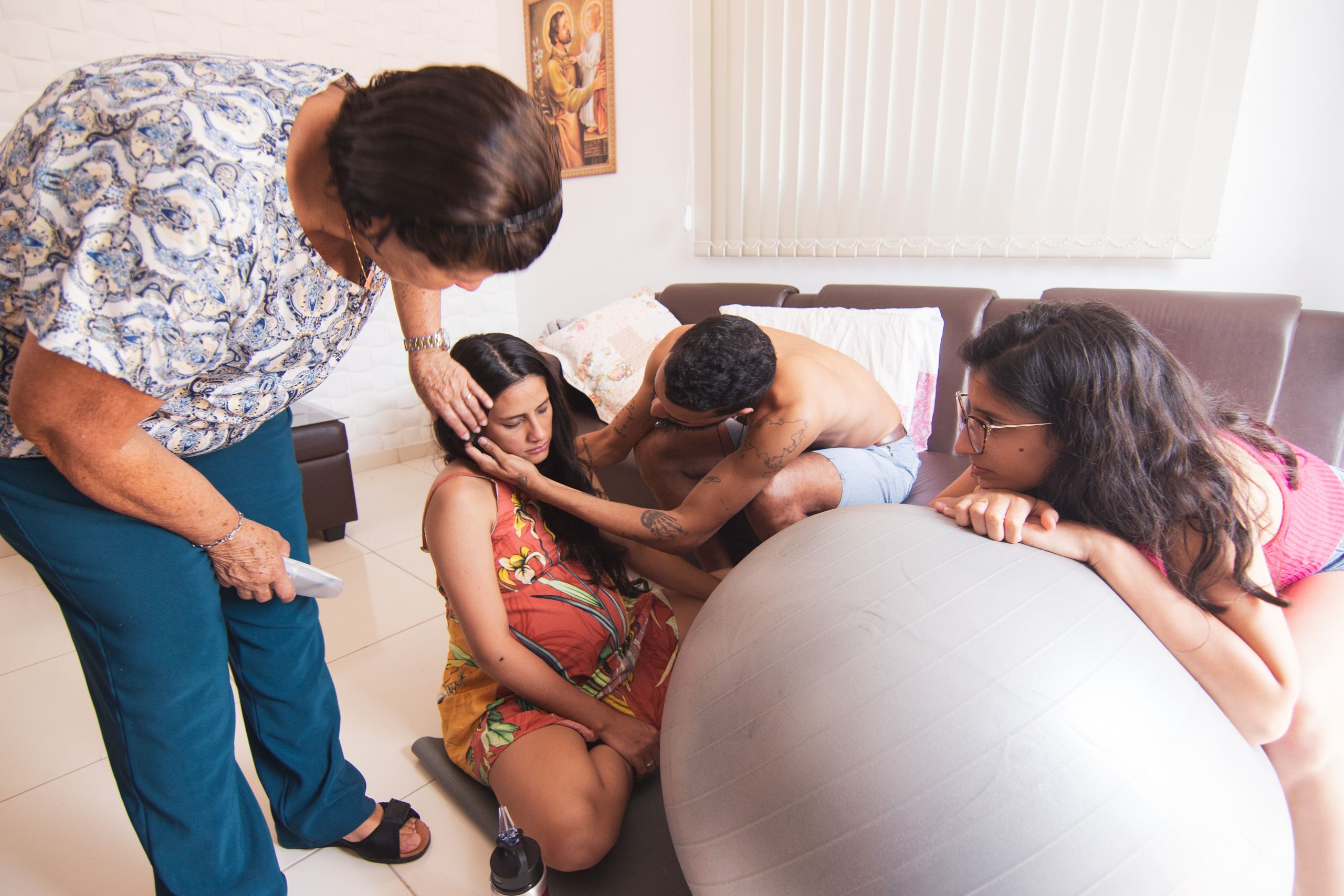
A birth doula usually meets the family during pregnancy, often for one or two prenatal visits. In those visits, the doula learns about the family’s hopes and worries, talks through the birth plan, explains common hospital or birth-center routines in plain language, and practices comfort measures such as breathing, movement, and positions for labor. When labor begins, the doula stays with the family through the birth, offering hands-on comfort, encouragement, and steady presence. After the birth, the doula usually checks in once or twice to talk through the birth experience and help with early feeding questions.
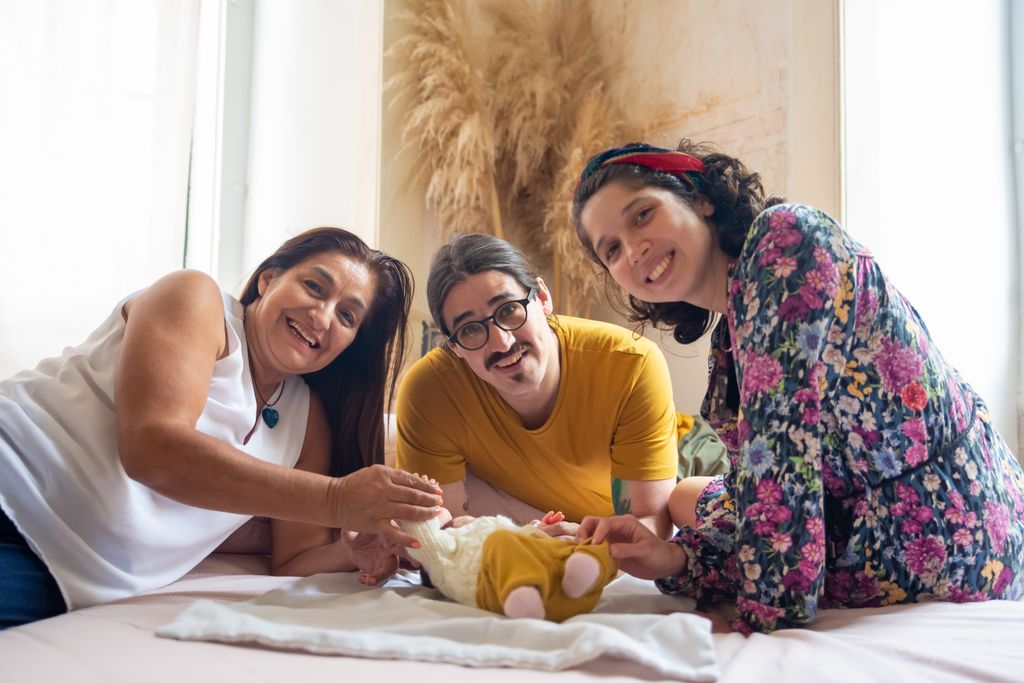
A postpartum doula works after the baby arrives. This doula visits the family at home, helps with newborn care basics, supports feeding, watches for signs that a parent is struggling and may need extra help, and takes on light household tasks so the new parents can rest and recover. Postpartum doulas often work daytime or overnight shifts over the first days and weeks after birth.
In both roles, the doula’s job is support, not medical care. Doulas do not perform clinical examinations, do not interpret test results, do not diagnose, and do not give medical advice. When a medical question comes up, a good doula helps the family ask the right questions of their doctor or midwife, rather than answering it themselves. That boundary protects the family, protects the doula, and keeps the doula’s relationship with the family’s medical team positive.
What a Doula Is Not
It helps to be clear about this from the start, because families sometimes confuse the roles. A doula is not a midwife, and a doula is not a nurse. A midwife is a trained medical professional who provides clinical care during pregnancy, birth, and the postpartum period. A nurse provides clinical care in a hospital or clinic. A doula provides non-medical support alongside that clinical care.
A doula is also not a substitute for a partner or family member. The doula supports the partner too, showing them how to help, giving them breaks, and helping them feel useful rather than helpless during a long labor. Families who understand these limits from the first meeting are far more likely to be happy with the doula’s work — and far less likely to ask the doula to do something outside their training.
Is Being a Doula a Good Career?
Doula work suits people who are calm under pressure, comfortable with long and unpredictable hours, and genuinely interested in supporting families at a vulnerable time. The work is deeply personal: you are present at births, in homes in the first fragile days after a baby arrives, and in conversations where families are anxious, tired, and hopeful all at once. Many doulas say that is exactly what makes the work rewarding.
It also has real downsides to weigh honestly. Birth work means being on call, often for weeks around a client’s due date, and labor can last many hours, including through the night. Postpartum work can mean overnight shifts and emotionally heavy days. Income is not steady in the early months, because you are building a reputation and a client base from nothing. And the work is physically and emotionally demanding — you need good boundaries, good self-care, and a support network of your own.
Before committing, spend time on choosing a career path and ask yourself honest questions: Do I enjoy being present with people in stressful moments? Am I comfortable with irregular hours and on-call work? Can I stay calm and kind when a plan changes suddenly? If the answer is yes, doula work may be a strong fit. If you want a fixed schedule and predictable days, another caring profession may suit you better.
Types of Doula: Birth, Postpartum, and Full-Spectrum
Choosing your type of doula work is the first real decision, because it shapes your training, your certification path, and the shape of your working week.
Birth Doula
A birth doula supports a family through pregnancy and labor and birth. This is the best-known type of doula work. Birth doulas are on call around the due date, attend the birth wherever it happens — hospital, birth center, or home, alongside the family’s medical team — and provide continuous support during labor. The work is intense and unpredictable, but many doulas find it the most rewarding part of the profession.
Postpartum Doula
A postpartum doula supports the family after the baby is born, usually in the first days and weeks. The work is more scheduled than birth work: you book visits or shifts in advance, and you work in the family’s home. Postpartum doulas help with newborn care, feeding support, sleep and soothing, light household help, and emotional support as the family adjusts. This type suits people who prefer a more predictable schedule and who enjoy the slower, practical work of helping a new family settle in.
Full-Spectrum Doula
A full-spectrum doula is trained and experienced in both birth and postpartum support, and may also support families through other parts of the reproductive journey. Some full-spectrum doulas also offer support around pregnancy loss, abortion, fertility treatment, or adoption, depending on their training and local rules. Full-spectrum work takes more training and more practical experience, but it gives you a wider range of clients and a steadier flow of work, because you can support the same family from pregnancy through the early weeks at home.
Other Specialties
Some doulas focus on a narrower specialty. Antepartum doulas support people on bed rest or with high-risk pregnancies. Loss doulas support families through miscarriage, stillbirth, or infant loss — work that needs extra training and emotional preparation. Sibling doulas support older children during a birth. You do not need to choose a specialty at the start. Many doulas begin with birth or postpartum work and add a specialty later, once they have experience and know what they enjoy most.
When you are deciding, think about your daily life as well as your interests. If you have young children of your own, unpredictable on-call birth work may be harder than scheduled postpartum shifts. If you live far from a hospital, travel time matters. Talk to working doulas in your area, ask what their weeks actually look like, and choose the type that fits your life — not just the type that sounds most exciting.
Step 1: Research the Role and Your Local Rules
Before you spend money on training, do your research. Doula work is not licensed in the same way in every place. Some states and countries have no doula license at all, while others have voluntary certification lists, Medicaid coverage programs for doula services, or hospital credentialing rules for doulas who attend births. The rules change often, so check the current position with your state health department, your local doula association, and the hospitals or birth centers where you hope to work.
This research also helps you understand the market in your area. Are there many doulas already working nearby, or is there a shortage? Do local hospitals welcome doulas, or do they limit what a doula can do in the birth room? Do families in your area usually hire a doula privately, or do community programs and agencies provide doula support? The answers shape how you will find clients and how you will price your services.
Spend time reading and listening before you enroll. Read books about birth and the postpartum period from your training organization’s reading list. Listen to doulas talking about their work. If you can, attend a local birth or parenting group and talk to new parents about what support they wanted and what they actually got. This grounding matters: doulas who understand real families, rather than only textbook birth, are far more useful in the birth room and in the home.
Step 2: Complete Doula Training
Doula training is the foundation of the career. A good training workshop teaches you the physiology of labor and birth, comfort measures, the emotional side of birth, how to support a partner, how to work alongside doctors and midwives, and how to run a small doula practice. It also gives you hands-on practice: positions for labor, breathing and relaxation techniques, massage and counter-pressure, and how to talk with a family when a birth plan changes.
Birth doula workshops are usually multi-day, in-person or live online courses, often lasting around two to four days of teaching time, with additional home study afterward. Postpartum doula workshops are usually a similar length, with more focus on newborn care, feeding, sleep, and the emotional adjustment after birth. Many trainers offer their workshops in person, online, or in a hybrid format, so you can choose the format that fits your learning style and your location.
When you choose a training provider, check that the workshop is approved by the certification organization you plan to certify with. A workshop that is not approved may still teach you useful skills, but it may not count toward certification, which wastes your time and money. Read reviews from past students, ask the trainer what is included — reading list, materials, mentoring, and support after the workshop — and ask how many students go on to complete certification. A trainer who supports students after the workshop is worth more than a cheaper workshop that leaves you on your own.
Your training should also cover the limits of the role. A responsible training program teaches you what a doula does not do, how to recognize when a family needs medical or mental-health support beyond your scope, and how to refer them to the right professional. If a training course promises that you will be able to do clinical tasks, treat that as a warning sign and choose a different provider.
Childbirth Education and Lactation Support
Most certification paths require two short additional courses alongside the main doula workshop: a childbirth education course and a lactation or breastfeeding support course. The childbirth education course gives you a solid grounding in the stages of labor, common interventions, and how to explain them in plain language. The lactation course teaches you the basics of breastfeeding and chestfeeding support, common early problems, and when to refer a family to a lactation consultant.
Some trainers include these courses inside their main workshop, while others expect you to take them separately. Either way, plan for them in your schedule and your budget. They are not extras — they are part of being a useful, safe doula, because feeding questions come up in almost every birth and postpartum visit.
Reading and Home Study
Certification organizations also set a reading list. For a birth doula, this usually includes a well-known book on birth support, plus a small number of additional books from the organization’s reading list and two of the organization’s position papers. The reading is not busywork: it builds the knowledge you need when a family asks you a question at two in the morning and you need a clear, evidence-based answer. Take the reading seriously, make notes, and keep the books for reference once you start working with clients.
Step 3: DONA vs CAPPA Certification — How They Compare
Certification is not legally required everywhere, but it matters for your career. Families often look for a certified doula because the credential tells them you have completed approved training, gained practical experience, and agreed to a code of ethics and standards of practice. Hospitals, agencies, and community programs also often prefer or require certification.
The two best-known certification organizations in the United States are DONA International and CAPPA, the Childbirth and Postpartum Professional Association. Both are respected, and many doulas choose one based on practical reasons — which trainers are available nearby, which organization’s approach fits them, and which credential local families and agencies recognize. Here is how they compare.
DONA International
DONA International is the oldest and largest doula certification organization, and its name is widely recognized by families, hospitals, and agencies. DONA certifies both birth doulas and postpartum doulas through separate pathways.
For birth doula certification, DONA requires an approved birth doula workshop, a childbirth education course, a lactation support course, the required reading, and practical experience supporting a small number of births with client and provider evaluations, plus a self-reflection for each birth. A DONA-approved birth doula workshop usually runs for a set number of teaching hours, and the practical experience must include continuous in-person labor support for more than one birth, with a minimum total number of hours. There is also a time limit after the workshop for submitting the certification packet, and membership in DONA is required when you submit it. The packet is reviewed by DONA, and the review can take some weeks, so plan ahead.
For postpartum doula certification, DONA requires an approved postpartum doula workshop, a short course on equity in birthwork, and practical experience supporting a small number of families in the weeks after birth, with a minimum number of hours and visits per family. The same membership and packet rules apply.
DONA certification is renewed on a regular cycle, and renewal requires continuing education hours, including training on diversity, equity, and inclusion. You can find the current requirements, reading list, and fees on the official website of DONA International at dona.org — always check there, because requirements and fees change, and the official site is the only source you should rely on.
CAPPA
CAPPA, the Childbirth and Postpartum Professional Association, also certifies birth doulas and postpartum doulas, and it certifies childbirth educators and lactation educators as well. CAPPA’s approach is similar in structure — approved training, reading, practical experience, and an examination — but the details differ.
One clear difference is the exam: CAPPA certification includes a written examination, while DONA certification is based on a portfolio of training, experience, and evaluations rather than a single exam. Some people prefer an exam because it gives a clear pass mark; others prefer DONA’s portfolio approach because it judges their real work with families. Neither approach is better in itself — it depends on how you like to be assessed.
CAPPA also has its own approved training courses, its own reading list, and its own requirements for the number of births or families you must support and the evaluations you must collect. Its certification also needs regular renewal with continuing education. As with DONA, verify the current training hours, fees, exam details, and renewal rules on CAPPA’s official website before you commit.
Which One Should You Choose?
There is no single right answer, and you do not have to decide forever. Many doulas certify with one organization first and add the other later. When you are choosing, weigh these practical points:
- Local recognition: Ask local hospitals, agencies, and working doulas which credential they see most often and which one families ask for by name.
- Trainer availability: If the only approved trainer near you teaches for one organization, that is a strong practical reason to start there.
- Learning style: If you prefer a portfolio of real work, DONA’s approach may suit you. If you prefer a clear written exam, CAPPA’s approach may suit you.
- Cost and time: Compare the full cost of each path — workshop, extra courses, reading, membership, packet or exam fees, and travel — and the time each path takes. Do not compare only the workshop price; the total matters.
- Community: Both organizations have local chapters, conferences, and online communities. A supportive local community is worth a great deal when you are starting out.
Whatever you choose, remember that certification is a beginning, not an end. It shows that you met a standard at one point in time. Your reputation will be built by the families you support, the feedback they give, and the care you take with every birth and every home visit.
Do You Need Certification at All?
In many places, you can work as a doula without certification, and some experienced doulas choose not to certify. Certification is a credential, not a license to practice. But for a new doula, certification has real advantages: it gives you a clear training path, it helps families trust you, and it opens doors with agencies and hospitals that require it. If you plan to work independently and find your own clients, certification is still helpful, because families searching online often filter for certified doulas. Most new doulas should plan to certify, even if they start working before the packet is complete.
Step 4: Gain Practical Experience with Real Families
Training teaches you the theory. Practical experience teaches you the work. Every certification path requires you to support real families, and that experience is where you learn the skills no workshop can teach: how to stay calm when a labor is long, how to support a partner who is frightened, how to help a family when their birth plan changes, and how to leave a home visit knowing the family is safe and settled.
For birth doula certification, you will need to support a small number of births — usually three — with different clients, providing continuous in-person labor support for a minimum total number of hours. You will need evaluations from the birthing person and, in many cases, from a member of their care team, plus your own written reflection on each birth. Start by offering your support at a reduced rate, or through a community program, while you build these first births. Be honest with families that you are newly trained and working toward certification; many families are happy to work with a new doula, especially if your fee reflects your experience and a mentor is supporting you.
For postpartum doula certification, you will need to support a small number of families — usually three — in the weeks after birth, with a minimum number of hours and visits for each family. Again, start with families who know you are building experience, keep careful records of every visit, and ask for honest feedback after each family.
Keep a simple log from your first client onward: the date, the type of support, the hours, and what you learned. That log becomes the evidence for your certification packet, and it also becomes a record of your growth. Review it regularly and notice patterns: which situations do you handle well, and which ones do you find hard? Use that awareness to choose your continuing education.
Finding Your First Clients
Finding your first families is the hardest part for most new doulas. A few routes work well:
- Offer reduced-rate or volunteer support while you build experience, through a local doula group or community program.
- Join a doula agency that matches doulas with families. Agencies take a share of the fee, but they handle marketing and bookings.
- Ask your trainer and fellow students for referrals and for the chance to shadow an experienced doula at a birth or a home visit.
- Build a simple online presence: a clear website or profile that explains what a doula does, what you offer, and how families can contact you.
- Talk to local midwives, childbirth educators, and parent groups. These are the people families ask for recommendations, and a good relationship with them is worth more than any advertisement.
Be patient. Most doulas build their practice slowly, one family at a time, and word of mouth does the rest. A family who felt well supported will tell their friends, and those friends will call you when they are pregnant.
Step 5: Submit Your Certification Packet and Maintain It
Once your training, extra courses, reading, and practical experience are complete, you submit your certification packet to your chosen organization. The packet usually includes proof of your training, your reading, your practical experience log, client and provider evaluations, your reflections, and proof of membership. Read the packet instructions carefully and check every item before you send it, because a missing document can delay your review by weeks.
After certification, you need to maintain it. Certification is renewed on a regular cycle — check the current cycle length on the official website — and renewal usually requires a set number of continuing education hours, including training on equity and inclusion, and proof that you are still practicing. Keep your records organized from the start: certificates, course completions, hours, and evaluations in one folder, so renewal is a simple task rather than a scramble.
Also join the professional community. Attend local doula meetings, join the online groups for your organization, and go to a conference or workshop when you can. Doula work can be lonely, especially when you are on call, and a community of other doulas is where you get support, advice, and referrals.

Step 6: Set Up Your Doula Practice and Find Clients
Once you are trained and working toward or holding certification, you need a simple, professional practice setup. You do not need a fancy office. You need a clear service, a clear fee, a contract, and a way for families to find and contact you.
Decide what you offer and write it down plainly: how many prenatal visits, how long you stay at the birth, how many postpartum visits, what is included, and what is not. Write a simple contract that covers your fee, your on-call period, your backup doula arrangement, your cancellation policy, and what happens if you cannot attend a birth. A backup doula is essential for birth work — you need a trusted colleague who can step in if you are ill or at another birth, and families need to know who that person is.
Set your fee carefully. Fees vary widely by location, experience, and the type of service, and they change over time, so this guide does not quote a figure. Research what doulas in your area charge, consider your costs — training, insurance, travel, childcare, and your time on call — and set a fee that is fair to families and sustainable for you. Tell families your fee clearly and early, and explain what it covers. If you offer reduced-rate places for families who need them, say so honestly and set a clear limit on how many you can offer.
You also need business basics: a way to take bookings and payments, a simple website or profile, business insurance if it is available and recommended in your area, and a plan for keeping client records private and secure. If you work through an agency, some of this is handled for you. If you work independently, keep it simple and professional — families trust a doula who is organized and clear.
Working with Hospitals, Agencies, and Community Programs
Many doulas work in more than one way: some private clients, some agency work, and some community work. Hospital-based doula programs and community programs often serve families who could not otherwise afford a doula, and they can be a steady source of work and experience. Agency work gives you bookings without marketing, but you have less control over which families you support and how much you earn per birth. Private work gives you the most control, but you must find every client yourself. Try a mix in your first year and see what fits.
Whatever setting you work in, build good relationships with the medical team. Introduce yourself, explain your role clearly, respect the hospital’s rules, and never argue with a doctor or midwife in front of a family. A doula who is calm, respectful, and helpful in the birth room gets invited back — and gets recommended.
The Skills That Make a Good Doula
Technical knowledge matters, but the skills that set a good doula apart are often the softer ones. Clear, calm communication is one of the most important in-demand skills in any caring profession, and doula work is no exception. You need to listen well, explain things in plain language, stay calm when others are anxious, and know when to speak and when to stay quiet. You also need emotional stamina: the ability to be present for hours, to witness pain and fear without taking it on as your own, and to go home and rest so you can do it again.
Organization matters too. Birth work needs careful scheduling, a packed bag, a charged phone, and a backup plan. Postpartum work needs reliable timekeeping and clear notes. Keep learning: new evidence, new comfort techniques, and new ways to support families are always emerging, and the best doulas keep updating their knowledge.
How to Become a Doula: What Does It Cost?
Training costs vary, and this guide does not quote specific fees because workshop prices, membership fees, and certification fees differ by trainer, location, and organization, and they change over time. In general, you should budget for several separate costs:
- A doula training workshop, with the fee set by the trainer. Prices vary by location, format, and what is included, so compare a few trainers before you choose.
- Extra short courses in childbirth education and lactation support, unless your trainer includes them.
- Reading materials, usually a small number of books and position papers.
- Membership in your certification organization, which is usually required when you submit your certification packet.
- Certification packet or exam fees, which vary by organization.
- Travel, childcare, and time off work for the workshop and for your first births or family visits.
- Business setup costs: insurance if recommended, a website or profile, a contract, and basic equipment such as a doula bag, a birth ball, and comfort tools.
Before you pay for anything, check the current fee for every item on the official website of the trainer and the certification organization. Ask the trainer exactly what is included in the workshop fee, and ask the certification organization what the total cost of certification will be, including membership and renewal. Make a realistic budget, and do not borrow heavily to start — many doulas train part time while keeping another income, and build their practice gradually as clients arrive. Some organizations and community programs also offer scholarships or reduced-fee places, so ask about those before you assume you cannot afford training.
Common Mistakes New Doulas Make
Skipping the Research on Local Rules
The most expensive mistake is paying for training that does not count toward certification, or training for a type of work that local hospitals do not allow. Always confirm the current requirements with your certification organization and your local hospitals or agencies before you enroll.
Choosing a Training Provider on Price Alone
A cheap workshop that leaves you unsupported is more expensive in the long run than a good workshop with mentoring and follow-up. Choose a trainer with a good reputation, approved status with your certification organization, and students who go on to certify.
Working Outside Your Scope
A doula who gives medical advice, performs clinical tasks, or argues with a family’s medical team puts the family and their own career at risk. Stay inside your scope, refer medical questions to the right professional, and be proud of the support role — it is valuable precisely because it is different from medical care.
Taking On Too Many Clients Too Soon
New birth doulas sometimes accept too many due dates in the same month, and then two labors overlap. Set a clear limit on how many births you take per month, arrange a reliable backup doula, and protect your rest. A doula who is exhausted cannot support a family well.
Neglecting the Business Side
Many new doulas are good at supporting families and bad at running a practice. They have no contract, no clear fee, no backup plan, and no system for bookings. Families trust a doula who is organized. Write your contract, set your fee clearly, and keep your records in order from the first client.
Forgetting Self-Care and Boundaries
Doula work is emotionally intense. Doulas who never rest, never say no, and never talk to other doulas about hard births burn out quickly. Set boundaries on your on-call time, debrief difficult births with a mentor or a trusted colleague, and protect your own sleep and health. You cannot pour from an empty cup, and a doula who cares for herself is a better doula for her families.
Getting Started Checklist
- Choose the type of doula work you want to do: birth, postpartum, or full-spectrum
- Research the current rules, hospital policies, and demand for doulas in your area
- Compare training providers and choose an approved workshop for your certification organization
- Complete your doula training workshop
- Complete the required childbirth education course
- Complete the required lactation support course
- Work through the required reading list and position papers
- Support your first families and keep a careful log of every birth or visit
- Collect client and provider evaluations and write your reflections
- Join your certification organization and submit your certification packet
- Arrange a reliable backup doula for birth work
- Write a clear service description, fee, and contract
- Set up a simple website or profile, booking system, and payment method
- Check insurance options and record-keeping for client privacy
- Introduce yourself to local midwives, childbirth educators, agencies, and parent groups
- Plan your continuing education and renewal requirements for the year ahead
Conclusion
Becoming a doula is a realistic and rewarding career change for someone who wants to support families at one of the most important times in their lives. The steps are clear: choose the type of doula work that fits your life, research your local rules, complete approved training with a respected provider, add the childbirth education and lactation courses, gain practical experience with real families, and certify with an organization such as DONA International or CAPPA. Then set up a simple, professional practice with a clear fee, a contract, and a reliable backup doula.
None of these steps is difficult on its own — the challenge is doing them in the right order, staying inside your scope of practice, and not cutting corners. Take the time to do it well. A well-trained doula with a good reputation gets repeat work and referrals, while a rushed one gets complaints and burnout. Verify every fee, training hour, and certification rule on the official sources listed in this guide before you spend money, and build your knowledge one family at a time. If you enjoy calm, caring, hands-on work with families, doula work can give you a career that is both meaningful and your own.
FAQ
How long does it take to become a doula?
The training workshop itself usually takes only a few days, plus home study and reading. Certification takes longer, because it depends on supporting real families — usually a small number of births or families over several months — and on the time it takes for your certification organization to review your packet. The exact time depends on how quickly you find your first families and how your certification organization processes applications. Most new doulas should expect the full journey from first workshop to certification to take several months, and often longer if they are building experience part time.
Do I need a degree to become a doula?
No, you do not need a university degree to become a doula. What you need is approved doula training, the required short courses in childbirth education and lactation support, practical experience with real families, and — for most doulas — certification from an organization such as DONA International or CAPPA. A background in nursing, midwifery, childcare, or teaching can help, but many successful doulas come from unrelated careers and learn the work through training and experience.
What is the difference between a birth doula and a postpartum doula?
A birth doula supports a family during pregnancy and labor and birth, and is on call around the due date. A postpartum doula supports the family after the baby is born, usually at home in the first days and weeks, helping with newborn care, feeding, sleep, and light household tasks. A full-spectrum doula is trained in both, and may support the same family from pregnancy through the early weeks at home. The two roles need different training and different schedules, so choose the one that fits your life.
DONA or CAPPA — which certification is better?
Neither is better in itself; both are respected. DONA International is the oldest and largest doula organization, and its certification is based on a portfolio of training, practical experience, evaluations, and reflections, with no single written exam. CAPPA also certifies birth and postpartum doulas, and its certification includes a written examination. Choose based on which credential local families, hospitals, and agencies recognize, which approved trainers are available near you, and whether you prefer a portfolio or an exam. Always verify current requirements and fees on each organization’s official website before you decide.
Can I become a doula with no experience?
Yes. Most doulas start with no experience in birth work. Training is designed for beginners, and your certification path includes supervised practical experience with real families. Start by completing an approved workshop, then gain experience by supporting families at a reduced rate or through a community program, with a mentor’s support. Be honest with families that you are newly trained and working toward certification, keep careful records of every birth or visit, and build your experience one family at a time.