How to Become a Physical Therapist Assistant: CAPTE Programs and the NPTE
If you want a hands-on healthcare career where you help people walk, move, and live without pain — and you want to start working in about two years rather than spending seven years in university — learning how to become a physical therapist assistant could be the right choice for you.
Physical therapist assistants, known as PTAs, work under the direction of licensed physical therapists to help patients recover from injuries, surgery, and illness. They guide patients through exercises, use therapeutic techniques, and track progress toward recovery.
It is a skilled, respected profession with a clear qualification path: a CAPTE-accredited associate degree program, a national licensing exam, and a state licence. This guide walks you through every step, from choosing a program to passing the National Physical Therapy Examination (NPTE) for PTAs, getting licensed in your state, finding your first job, and building a career.
Physical therapy is one of the fastest-growing areas of healthcare, because populations are ageing, more people are recovering from surgery and injury with therapy rather than long hospital stays, and awareness of movement and rehabilitation is growing. Physical therapist assistants are at the centre of that growth. They are the professionals who spend the most time with patients, guiding them through their recovery day by day.
Table of Contents
Quick Answer
To become a physical therapist assistant, complete a Commission on Accreditation in Physical Therapy Education (CAPTE) accredited physical therapist assistant program — usually a two-year associate degree — then pass the National Physical Therapy Examination (NPTE) for physical therapist assistants and meet your state’s licensing requirements. Most students finish in about two years of full-time study, including supervised clinical placements in real healthcare settings. After that, you can work in hospitals, outpatient clinics, rehabilitation centres, nursing homes, schools, and home health care. Check your state’s rules early, because licensing requirements vary by state, and always confirm current exam and licensing details on the official pages of the Federation of State Boards of Physical Therapy (FSBPT) and your state licensing board.
What Does a Physical Therapist Assistant Do?
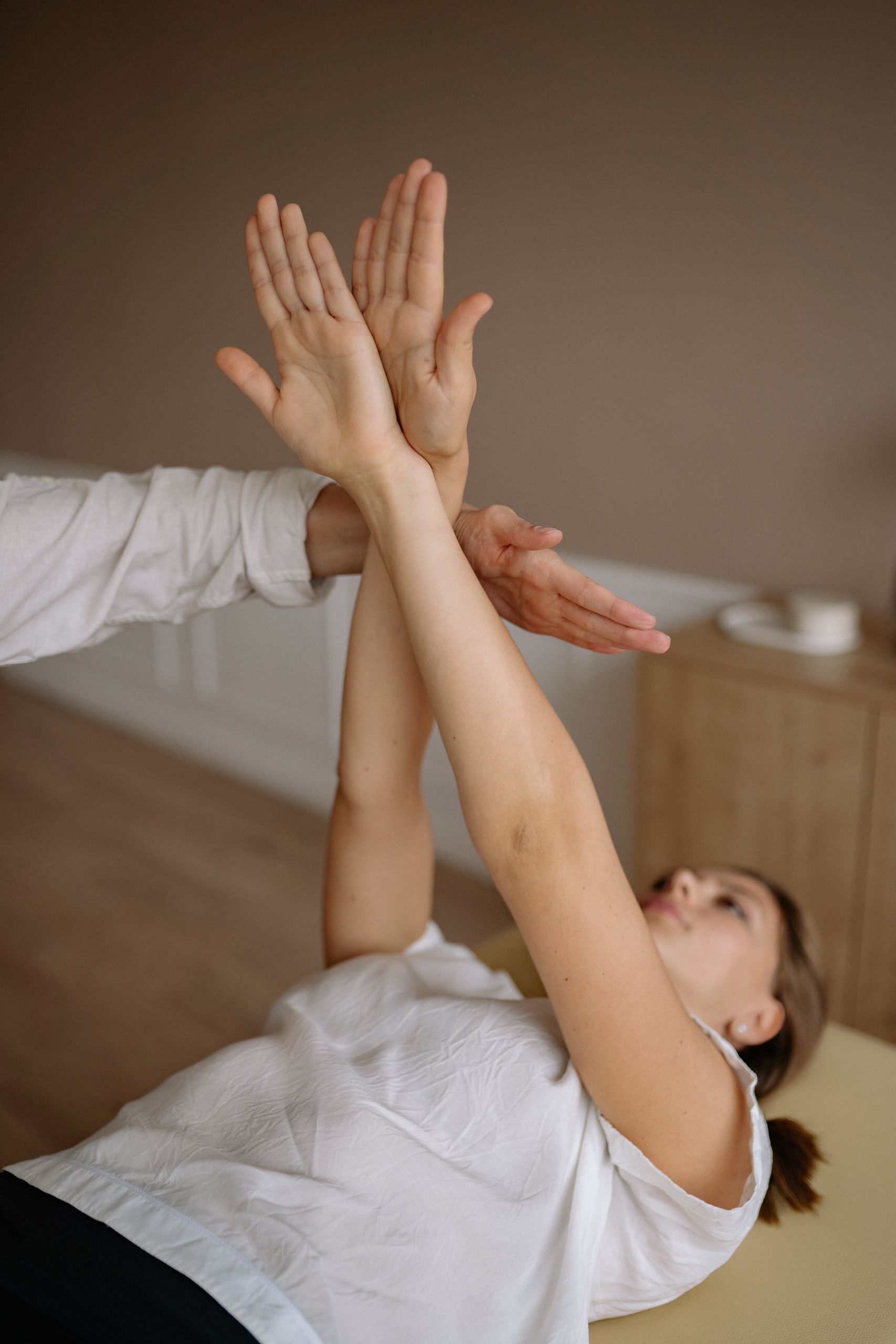
A physical therapist assistant works under the supervision of a licensed physical therapist to carry out the treatment plan the therapist has designed. The physical therapist evaluates the patient, diagnoses the movement problem, and creates the plan of care. The PTA then delivers much of the hands-on treatment: guiding patients through therapeutic exercises, teaching them to walk with a walker or crutches, applying heat, cold, ultrasound, or electrical stimulation as directed, and helping patients practise the movements they need for daily life. Understanding this role is the first step in learning how to become a physical therapist assistant.
A Day in the Life
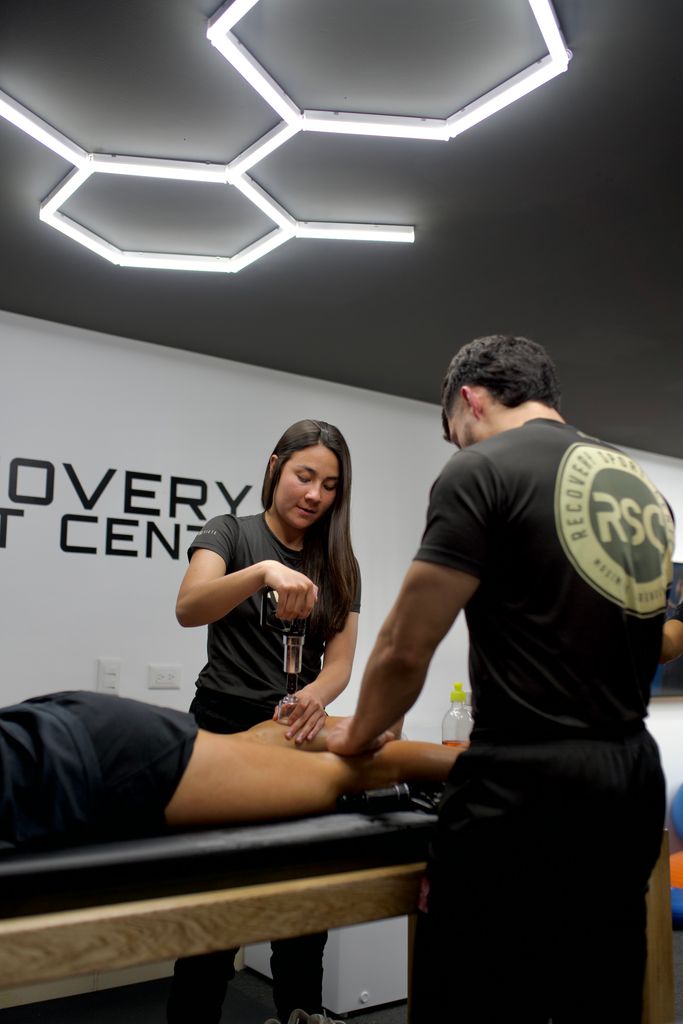
A typical day for a PTA in an outpatient clinic might begin by reviewing the day’s patient list and the treatment plans the physical therapist has set. The first patient might be someone recovering from knee replacement surgery: the PTA guides them through range-of-motion exercises, helps them practise walking, and records their progress. The next patient might be an office worker with chronic back pain, working on core strength and posture.
Later, the PTA might help a stroke patient practise balance and coordination, or an athlete recovering from a sports injury.
Between patients, the PTA updates treatment notes, communicates with the physical therapist about how each patient is progressing, and prepares the treatment area. The work is physical — you are on your feet, supporting patients, demonstrating exercises, and sometimes helping to lift or move people who cannot move themselves.
In a hospital, the pace and the patients are different. PTAs help patients who have just had surgery or a serious illness to sit up, stand, and walk for the first time. In a rehabilitation centre, they work with patients over weeks or months, watching slow, hard-won progress. In a nursing home, they help older adults maintain mobility and independence. In a school, they help children with physical disabilities participate in school life. In home health care, they visit patients in their own homes. The qualification is the same; the setting changes the daily work.
PTA vs. Physical Therapist vs. Physical Therapy Aide
These roles are often confused, so here is the clear difference. A physical therapy aide supports the clinic with basic tasks — preparing treatment areas, cleaning equipment, helping patients move around the clinic — and usually needs no formal qualification, learning on the job. A physical therapist assistant has completed a CAPTE-accredited program, passed the NPTE, and holds a state licence, which allows them to deliver hands-on treatment under a physical therapist’s direction. A physical therapist holds a Doctor of Physical Therapy (DPT) degree — typically three years of graduate study after a bachelor’s degree — and is the only one of the three who can evaluate patients, diagnose movement problems, and create plans of care.
Think of it like the relationship between a nurse and a doctor: the physical therapist designs the plan, and the PTA carries it out, spending more time with each patient in the process. For many people, the PTA path is the right balance: real clinical responsibility, direct patient contact, and a respected professional licence, without the cost and length of a doctoral degree.
Is a Physical Therapist Assistant Career Right for You?
Before you commit to a two-year program, it is worth being honest about what the job demands. Anyone learning how to become a physical therapist assistant should start by weighing those demands honestly. The best PTAs share a few qualities. They are patient, observant, and physically fit. They enjoy working with people, they communicate well, and they stay calm when a patient is in pain or frustrated. They are also comfortable spending most of their working day on their feet, moving, lifting, and supporting patients.
Ask yourself a few honest questions. Can you handle working with people who are in pain, frightened, or frustrated? Are you comfortable with the physical demands — standing all day, supporting patients who weigh more than you do, and demonstrating exercises repeatedly? Can you stay calm and positive when a patient’s progress is slow? Are you interested enough in anatomy and movement science to study them seriously for two years? If the answers are yes, this career can be deeply satisfying. If you are unsure, spend time in a physical therapy clinic first — most clinics welcome volunteers or observers, and a few days of real exposure will tell you more than any article can.
Education: CAPTE-Accredited Programs
The foundation of the career is a CAPTE-accredited physical therapist assistant program. Accreditation matters enormously: in most states, you cannot sit the NPTE or become licensed unless your program is accredited by the Commission on Accreditation in Physical Therapy Education. Before you apply anywhere, check that the program appears on CAPTE’s official list of accredited programs. If it does not, walk away, no matter how cheap or convenient it is. Choosing the right accredited program is the most important decision in how to become a physical therapist assistant.
The Associate Degree: The Standard Route
For most students, the standard route is a two-year Associate of Applied Science (AAS) degree in physical therapist assisting, offered by community colleges and some private colleges. The program combines classroom teaching with hands-on laboratory work and supervised clinical placements. You will study anatomy and physiology, kinesiology (the science of movement), therapeutic exercise, physical agents such as heat and electrical stimulation, orthopaedics, neurology, paediatrics, and geriatrics. You will also complete clinical placements — often called clinical affiliations — in real healthcare settings, where you practise your skills on real patients under supervision.
Full-time students typically finish in about two years. Some programs are structured as five semesters, including a summer term, so check the exact length when you apply. Part-time options are rare, because the programs are intensive and the clinical placements need to be completed in blocks. If you are working, ask programs about evening or weekend options, but be prepared for a demanding two years.
What You Will Study
The curriculum is demanding because the job is demanding. In your first year you will usually study the foundations: human anatomy and physiology, medical terminology, and the basics of patient care and communication. You will learn how muscles, bones, and joints work together, and how injury and disease disrupt movement.
In the second year the work becomes more clinical: therapeutic exercise, manual therapy techniques, the use of physical agents, gait training, and the treatment of specific conditions such as stroke, spinal injury, joint replacement, and sports injuries. You will learn to measure a patient’s range of motion and strength, to assess balance and walking, to apply treatments safely, and to document progress accurately. By graduation you should be able to carry out a physical therapist’s plan of care safely and effectively, and to recognise when a patient’s condition has changed and the therapist needs to be told.
Admission Requirements
PTA programs are competitive, and most have more applicants than places. Typical requirements include a high school diploma or equivalent, prerequisite college courses in anatomy and physiology, biology, and sometimes psychology or English, and a minimum GPA — often around 2.5 to 3.0, though it varies. Many programs also require observation hours: a set number of hours spent observing a physical therapist or PTA at work, usually in two or more different settings. Some programs require an entrance exam, an interview, or a written statement explaining why you want to enter the field. If your grades in science are weak, take the prerequisite courses first and aim for strong marks — they are the best predictor of success in the program. Check each program’s admission page for its exact requirements, because they vary.
How to Choose a Program
Choosing the right program is one of the most important decisions in this process. Start with accreditation: the program must be CAPTE-accredited, full stop. Then look at the NPTE pass rate and the employment rate — accredited programs publish their graduates’ first-time NPTE pass rates and job placement rates, and a strong program will have high numbers for both. Ask about clinical placements: does the college arrange them, in how many settings, and how far will you travel? Visit the campus if you can, and look at the teaching facilities: a program with its own treatment rooms, exercise equipment, and simulation laboratories will give you far better practical training than one that teaches everything from a textbook. Talk to current students and recent graduates if possible. Ask about the total cost, including textbooks, uniforms, and exam fees, and ask what financial aid is available. Finally, ask whether the program helps graduates find jobs — a program that employers trust will make your first job search much easier.
Observation Hours
Most programs require observation hours before you apply, and this is where many applicants get started. Contact physical therapy clinics in your area and ask whether you can observe for a few hours a week. You will need to complete paperwork, including a background check in some settings, and you may need to arrange hours in two different types of setting — for example, an outpatient clinic and a hospital. Keep a log of your hours, the settings, and what you observed, because your program application will ask for it. Observation hours do more than satisfy an admission requirement: they confirm that you actually enjoy the work, and they give you something genuine to talk about in your application and interview.
The NPTE Exam: What to Expect
After you graduate from an accredited program, the next step is the National Physical Therapy Examination (NPTE) for physical therapist assistants. This is the national licensing exam that tests whether you are ready to practise as a PTA. It is administered by the Federation of State Boards of Physical Therapy (FSBPT), and every state requires you to pass it before you can be licensed. Passing the NPTE is the key milestone in how to become a physical therapist assistant.
What the NPTE Covers
The NPTE for PTAs is a computer-based exam with 200 multiple-choice questions, of which 180 count toward your score and 20 are trial questions being tested for future exams. You have four hours to complete it. The exam covers the full range of PTA practice: musculoskeletal, neuromuscular, cardiovascular and pulmonary conditions; therapeutic interventions; the use of physical agents; professional responsibilities; and the safe application of treatment. The questions test applied clinical judgement — what you would do for a particular patient, which intervention is appropriate, and when to report a change to the physical therapist — not just memorised facts. Confirm the current format and fees on the FSBPT website, because details change.
How to Prepare
The best preparation is a good program, because the exam tests what your program taught you. Beyond that, most graduates spend several weeks revising before the exam. Useful strategies include working through an NPTE review book, taking practice exams under timed conditions, and revising the areas where you are weakest rather than re-reading what you already know. Study groups help, because explaining a concept to someone else is one of the best ways to learn it. Many graduates also use online question banks and review courses. Give yourself at least six to eight weeks of structured revision, and treat it like a part-time job: a few focused hours a day, with rest days built in. Cramming the night before rarely works for an exam this broad.
When and How to Take It
The NPTE for PTAs is offered four times a year at testing centres across the United States. You apply through the FSBPT, pay the exam fee, and book your test centre and date. Your state board may also need to approve your application before you can sit the exam, so check your state’s process early. If you do not pass on the first attempt, you can retake the exam at a later sitting — many good PTAs pass on their second attempt, and a failed attempt is a setback, not a dead end. Review your score report, focus on your weak areas, and try again. Note that states set their own limits on how many times you may retake the exam, so check your state’s rules.
State Licensing: Check Your State
Passing the NPTE is not quite the end of the process. Each state has its own licensing requirements for physical therapist assistants, and the details vary: some states require a state jurisprudence exam in addition to the NPTE, some require a background check, and some have specific application paperwork. The rule is simple: check your state licensing board’s website early in your training, so there are no surprises after graduation. Licensing requirements vary by state, and only your state board can give you the definitive answer for where you plan to work.
Once licensed, you must maintain your licence. Most states require continuing education — a set number of hours of approved learning each renewal period — and a renewal fee. Continuing education keeps your knowledge current and is also how you build expertise in areas you care about, such as orthopaedics, neurology, or sports rehabilitation. Keep records of every course you complete, because your state board may ask for proof.
Getting Experience Before and During School
Experience before you enrol makes you a stronger applicant and a better student. Volunteer at a hospital, a rehabilitation centre, or a nursing home. Ask your local physical therapy clinic whether you can observe or volunteer. Even working as a gym assistant, a sports coach, or a carer teaches you about the human body, about motivating people, and about working with people who are struggling physically. If you are already working in healthcare — as a nursing assistant, for example — your experience will count in your favour.
During your program, make the most of your clinical placements. Treat every placement like a long job interview, because it often is — clinics and hospitals hire the students who are reliable, keen, and easy to work with. Ask questions, volunteer for tasks, and keep a log of the conditions and treatments you work with. That log becomes evidence of your competence and useful material for your CV. For guidance on presenting your experience to employers, see our guide on how to write a resume.
Pay, Job Outlook, and Where PTAs Work
Pay for physical therapist assistants varies by setting, location, and experience, so treat any single figure with caution and check current data before you plan your finances. According to the U.S. Bureau of Labor Statistics, physical therapist assistants earn a solid wage for a two-year qualification, with home health care and nursing facilities generally paying more than outpatient clinics and schools. Large cities and high-cost areas usually pay more, but the cost of living is higher there too. New graduates earn the least, and pay rises with experience, additional skills, and specialist expertise.
Many employers offer benefits that matter as much as salary: health insurance, paid time off, retirement contributions, and continuing education funding. When you compare job offers, compare the whole package, not just the hourly rate — and read our guide on how to negotiate salary for your first job before you accept your first offer.
The job outlook is excellent. Demand for physical therapist assistants is growing much faster than average, driven by an ageing population, more people recovering from surgery and injury with therapy, and a growing emphasis on keeping older adults mobile and independent. The U.S. Bureau of Labor Statistics projects strong growth in employment for physical therapist assistants over the coming decade, and employers across the United States and Europe report shortages of qualified PTAs. That shortage means qualified graduates usually find work quickly, and experienced PTAs have bargaining power: employers that want to keep good staff are increasingly offering better pay, flexible schedules, and career development.
Where You Can Work
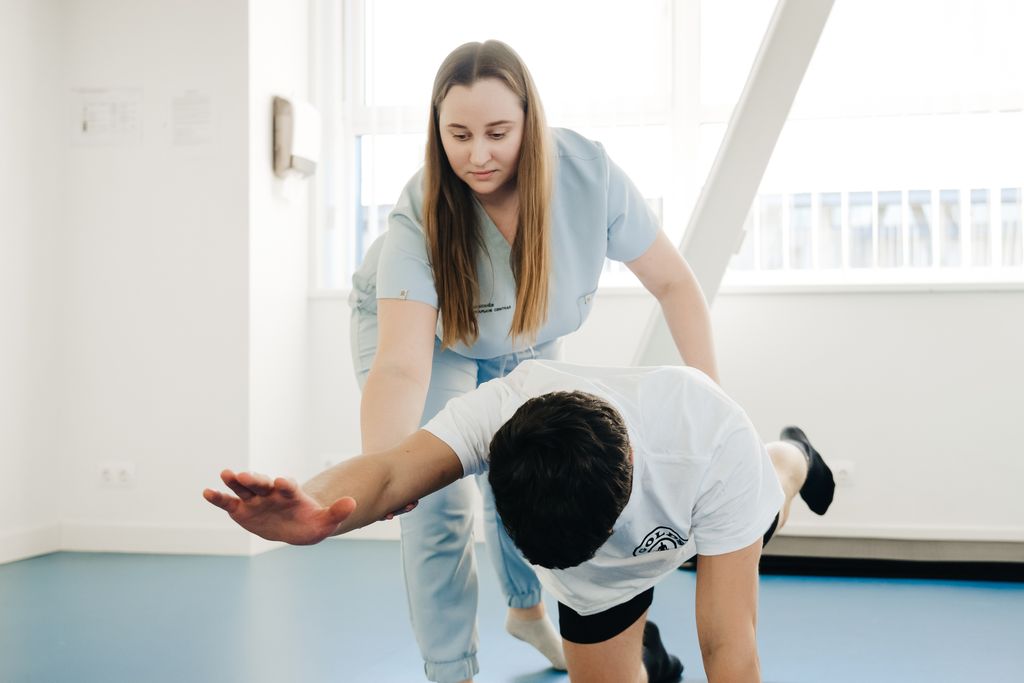
Most PTAs work in outpatient clinics and hospitals, but the career is broader than that. Home health care is one of the fastest-growing settings, and it suits PTAs who enjoy working independently and visiting patients in their own homes. Nursing homes and skilled nursing facilities employ large numbers of PTAs to help older adults maintain mobility. Rehabilitation hospitals work with patients recovering from stroke, spinal injury, and major surgery. Schools employ PTAs to help children with physical disabilities. Sports medicine clinics work with athletes. And some experienced PTAs move into management, teaching, or sales roles with equipment and rehabilitation companies. Your first job does not have to be your last job — the licence travels with you.
Specialisations and Advanced Skills
After a few years of experience, you can build expertise in an area you love. The American Physical Therapy Association recognises specialist areas including orthopaedics, neurology, sports, geriatrics, and paediatrics, and while full specialist certification is designed for physical therapists, PTAs can build recognised expertise through continuing education, advanced courses, and focused experience. A PTA who becomes the clinic’s expert in post-operative knee rehabilitation, or in stroke recovery, becomes more valuable and more employable. Even without formal specialisation, deep experience in one area makes your work more interesting and your career more secure.
Your Step-by-Step Plan
Here is the whole path in order, from today to your first job — a practical summary of how to become a physical therapist assistant, step by step.
Step 1: Get Real Exposure
Volunteer or observe in a physical therapy clinic, a hospital, or a rehabilitation centre. Make sure you actually enjoy the work before you pay for training. Keep a log of your hours — you will need it for your application.
Step 2: Check Your State’s Rules
Look up your state licensing board and note what it requires: the NPTE, any state exam, a background check, and the renewal rules. This takes an hour and prevents expensive surprises later.
Step 3: Complete Prerequisite Courses
Take the prerequisite courses your target programs require — usually anatomy and physiology, biology, and sometimes psychology — and aim for strong grades. These courses are the foundation of the program and the best predictor of success.
Step 4: Apply to CAPTE-Accredited Programs
Compare accredited programs on accreditation, NPTE pass rates, employment rates, clinical placements, facilities, cost, and location. Apply to more than one, because the best programs are competitive.
Step 5: Complete the Program
Take the science seriously from day one. Attend every laboratory session, because practical skills cannot be learned from a textbook. Use your clinical placements to build competence, contacts, and confidence.
Step 6: Pass the NPTE
Give yourself six to eight weeks of structured revision after graduation. Use practice exams, study with classmates, and focus on your weak areas.
Step 7: Get Licensed in Your State
Apply to your state board, complete any additional state requirements, and receive your licence. Do not start work that requires a licence until you hold it.
Step 8: Find Your First Job
Apply to settings that match your interests and that use their PTAs well. Ask in interviews how PTAs and physical therapists work together, what caseloads look like, and what support new graduates receive. Tailor your CV to each role, and prepare for practical interviews where you may be asked about patient scenarios.
Step 9: Keep Learning
Complete your continuing education every year, build expertise in an area you love, and keep developing your skills. The best PTAs never stop learning, because rehabilitation science never stops changing.
Common Mistakes to Avoid
Choosing a Non-Accredited Program
The most expensive mistake is enrolling in a program that is not CAPTE-accredited. You may complete the course and discover you cannot sit the NPTE or become licensed. Always verify accreditation on CAPTE’s official list before you pay anything.
Applying Without Observation Hours
Many programs require observation hours, and applicants who leave them to the last minute miss application deadlines. Start your observation hours months before you apply, in more than one setting.
Underestimating the Science
Some students enrol because they like helping people and are surprised by how much anatomy, physiology, and kinesiology the program contains. The science is the job. If you struggle with it, get help early — tutoring, study groups, and extra practice — rather than falling behind.
Skipping Clinical Placement Effort
Classroom knowledge is not enough. Students who avoid hands-on work or treat placements as a formality graduate less confident and less employable. Volunteer for every patient, ask to practise, and build your skills deliberately.
Ignoring State Rules Until Graduation
Students sometimes discover after graduation that their state needs an extra exam, a background check, or additional paperwork. Check your state’s requirements in your first semester, not your last.
Burning Out Early
PTAs work closely with patients who are in pain and frustrated, and the emotional load is real. Protect yourself from the start: keep boundaries, talk to colleagues, take your days off, and use the support your workplace offers. A long career needs a sustainable pace, and looking after your own physical health matters too — this is a physically demanding job, and good lifting technique and self-care are professional skills, not luxuries.
How to Become a Physical Therapist Assistant Checklist
- Confirm that you enjoy real clinical work by volunteering or observing in a physical therapy setting
- Check your state licensing board’s requirements and note any state exam or background check
- Complete prerequisite courses in anatomy, physiology, and biology with strong grades
- Log observation hours in at least two different settings, such as an outpatient clinic and a hospital
- Choose a CAPTE-accredited program and compare NPTE pass rates, employment rates, and total cost
- Complete the associate degree, including all supervised clinical placements
- Revise for six to eight weeks and pass the NPTE
- Complete any state exam or paperwork and receive your licence
- Apply for first jobs in settings that match your interests, with a tailored CV
- Negotiate your first offer with the full benefits package in mind, not just the hourly rate
- Complete continuing education every year and keep records for renewal
- Build expertise in an area you love, such as orthopaedics, neurology, or sports rehabilitation
- Look after your physical and emotional wellbeing and build a sustainable pace for a long career
Conclusion
Learning how to become a physical therapist assistant is a clear, achievable path into a skilled healthcare profession: a two-year degree, a national exam, and a state licence, followed by a career in which you help people regain their movement and independence every working day.
FAQ
How long does it take to become a physical therapist assistant?
Most students finish a CAPTE-accredited associate degree in about two years of full-time study, then take the NPTE and complete their state licensing, so the full path from starting college to working as a licensed PTA is usually around two to two and a half years, including prerequisite courses and observation hours. Part-time study is uncommon because the programs are intensive.
Do I need a degree to become a physical therapist assistant?
Yes — you need to graduate from a CAPTE-accredited physical therapist assistant program, usually a two-year associate degree, to sit the NPTE and become licensed. A bachelor’s degree is not required, and a Doctor of Physical Therapy is the qualification for physical therapists, not for PTAs. The associate degree is the standard and required route.
How hard is the NPTE exam for PTAs?
The NPTE for PTAs is a challenging exam with 200 multiple-choice questions over four hours, covering musculoskeletal, neuromuscular, and cardiopulmonary conditions, therapeutic interventions, and professional responsibilities. Graduates of strong accredited programs with solid clinical training pass at good rates, especially when they revise for several weeks with practice exams. It tests applied clinical judgement, not memorisation, so hands-on experience during your program matters as much as revision.
What is the difference between a PTA and a physical therapist?
A physical therapist holds a Doctor of Physical Therapy degree, evaluates patients, diagnoses movement problems, and creates plans of care. A physical therapist assistant holds an associate degree, has passed the NPTE, and holds a state licence, and delivers hands-on treatment under the physical therapist’s direction. The PTA spends more time with each patient carrying out the treatment plan, while the physical therapist is responsible for the evaluation and the plan itself.
How much do physical therapist assistants earn?
Pay varies by setting, location, and experience, so check current figures before planning your finances. Home health care and nursing facilities generally pay more than outpatient clinics and schools, and pay rises with experience and specialist expertise. The U.S. Bureau of Labor Statistics publishes current wage and employment data for physical therapist assistants, and you should use it as your source for up-to-date numbers.