Best Retail Jobs in 2026: Top Roles Ranked by Pay, Flexibility & Entry Requirements
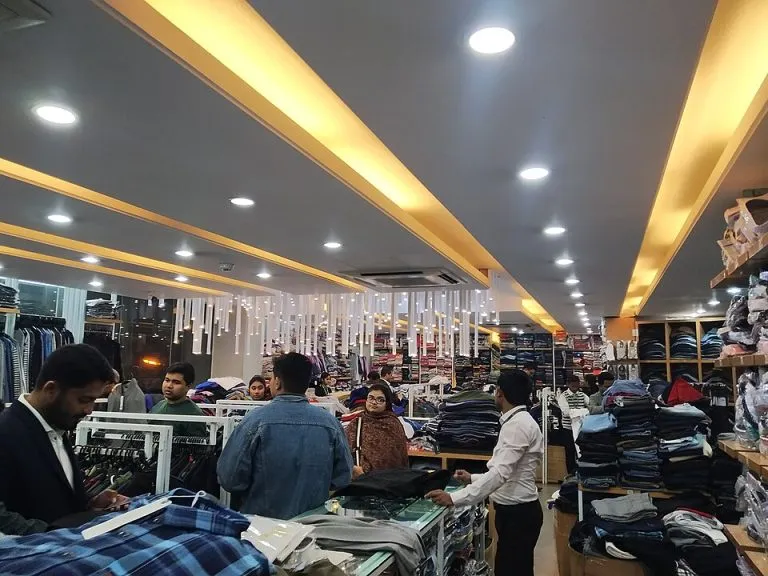
Retail is the largest private employer in both the United States and the United Kingdom, and it hires constantly. Every town has stores, every store needs staff, and unlike many industries, retail will give a complete beginner a real first job — no degree, no experience, no expensive certificate required. But not all retail jobs are equal. Some pay barely above minimum wage with unpredictable hours, while others offer steady schedules, genuine progression into management, and pay that comfortably supports a household.
Quick Answer: The best retail jobs in 2026 are store manager, assistant store manager, department supervisor, and visual merchandiser for experienced workers, and retail sales associate, cashier, and customer service representative for beginners. The best roles combine fair pay, a predictable schedule, and a real promotion path — and the right choice depends on whether you want a quick first job, a flexible part-time role, or a long-term management career.
Table of Contents
This guide ranks the best retail jobs honestly. You will not find fake listings or invented employers here. Instead, you will find a clear comparison of pay, flexibility, and entry requirements for each role, practical advice for beginners, students, and career changers, and a step-by-step plan for landing a legitimate retail job in the US or Europe.
Table of Contents
- What Makes the Best Retail Jobs Truly the Best?
- The Best Retail Jobs in 2026 — Ranked
- Best Retail Jobs for Beginners (No Experience Needed)
- Best Retail Jobs for Students and Part-Time Workers
- Best Retail Jobs by Pay vs. Flexibility
- How to Land the Best Retail Jobs: A Step-by-Step Plan
- Mistakes to Avoid When Applying for Retail Jobs
- Frequently Asked Questions
- Conclusion
What Makes the Best Retail Jobs Truly the Best?
Not every job inside a shop deserves to be called one of the best retail jobs. A role earns that label only when it performs well on four measures at the same time: pay, schedule predictability, entry requirements, and progression. A job that pays well but gives you a different shift pattern every week is hard to build a life around. A job that is easy to enter but offers no path beyond the till is a dead end rather than a career. The sweet spot is a role that pays fairly, gives you hours you can plan around, and lets you move up if you want to.
Pay matters because retail work is real work, and it should pay for a real life. The salary figures in this guide are general ranges based on median pay data published by the U.S. Bureau of Labor Statistics in its Occupational Outlook Handbook, the most authoritative public source for US occupational pay. Where a role has no direct BLS occupation, the range reflects the closest BLS category and is labeled as an approximate range. Actual pay varies by employer, location, and experience. UK and Western European pay for the same roles is typically lower in cash terms than US pay, though it is often balanced by stronger statutory leave, sick pay, and other benefits.
Schedule predictability is the second test. Retail is famous for variable hours, but the best employers publish rotas two or three weeks ahead, offer a stable core of hours, and respect your stated availability. When you compare two similar roles, the one with a predictable rota is almost always the better job, even if the hourly rate is slightly lower, because predictable hours let you plan childcare, study, or a second job.
Entry requirements are the third test. Retail’s great strength is that most roles ask for no degree and no prior experience — just reliability, basic maths, and the ability to talk to people politely under pressure. A ranking that only listed management roles would be useless to a school leaver or a career changer, so this guide separates beginner-friendly roles from experienced roles.
Progression is the fourth test, and it is what separates the best retail jobs from the rest. The best retail employers promote from within: a sales associate becomes a supervisor, a supervisor becomes an assistant manager, and an assistant manager runs a store. Some of the most successful retail managers in the US and UK started on the shop floor at sixteen or seventeen. When you apply, ask directly how many of the store’s current managers started as associates — the answer tells you more than any careers page will.
Finally, demand matters. Retail hiring is constant because turnover is high and stores always need cover, but the strongest roles are the ones employers struggle to fill with reliable people: supervisors, department leads, and experienced sales staff in specialist departments such as electronics, furniture, and pharmacy. Every role ranked below is backed by sustained hiring demand across the US and Europe.
The Best Retail Jobs in 2026 — Ranked
The ranking below weighs pay, schedule predictability, entry requirements, and progression together. The number one role is not simply the highest-paid; it is the role that offers the strongest combination of all four factors for the widest range of people.
1. Store Manager
The store manager runs the whole shop: staff, stock, sales targets, budgets, and customer experience. It is the best retail job overall because it pays the most, carries real authority, and is a genuine management career rather than a stopgap.
Pay is the strongest in this ranking. In the US, store managers at large chains typically earn roughly $50,000–$80,000 a year as a general range, with managers of high-volume stores and those earning bonuses reaching more. In the UK, store managers typically earn roughly £30,000–£50,000 depending on the size of the store and the retailer. The BLS data for first-line supervisors of retail sales workers sits below store-manager pay, which is why the manager role tops this list.
The trade-off is responsibility. You are accountable for everything that happens in the store, including out-of-hours problems, and you will work some evenings, weekends, and holiday periods. But for anyone who wants a career in retail rather than just a job, this is the destination, and most managers reach it by promotion rather than by an external hire.
2. Assistant Store Manager
The assistant store manager is the store manager’s deputy: running shifts, coaching staff, handling deliveries and stock, and stepping in when the manager is away. It is the natural stepping stone to the top job, and many retailers treat it as the training ground for future store managers.
Pay is strong for a role that usually requires only a few years of retail experience rather than a degree — roughly $40,000–$60,000 a year in the US as a general range, and roughly £25,000–£38,000 in the UK. The schedule is more predictable than the manager’s, and the role teaches every skill the top job needs: people management, stock control, and commercial awareness.
3. Department Supervisor
A department supervisor runs one area of a larger store — electronics, clothing, grocery, or homeware — with a small team reporting to them. It is the best first management role in retail, and the fastest way to prove you can lead.
The BLS reports median pay for first-line supervisors of retail sales workers of roughly $48,000 a year in the US, with the top quarter earning considerably more. In the UK, department supervisors typically earn roughly £24,000–£32,000. Hours are usually more stable than shop-floor roles because supervisors work a set rota, and the role is the standard route into assistant management.
4. Visual Merchandiser
Visual merchandisers design window displays and in-store layouts that make products sell. It is the most creative of the best retail jobs, and it suits people who are visual, practical, and interested in design or fashion without needing a design degree.
Pay is typically in the range of roughly $35,000–$55,000 a year in the US and £24,000–£35,000 in the UK, with senior and head-office roles paying more. The work is project-based rather than till-based, which means less repetitive customer contact and more variety day to day. A portfolio of displays you have built — even volunteer or college work — matters more than formal qualifications.
5. Retail Sales Associate
The sales associate is the backbone of every store: greeting customers, answering questions, recommending products, and closing sales. It is the best retail job for a beginner because it is widely available, teaches the core skills every other retail role builds on, and has the clearest promotion path.
The BLS reports median pay for retail sales workers of roughly $35,000 a year in the US, with experienced associates in specialist or commission-paying departments earning more. In the UK, sales assistants typically earn roughly £22,000–£26,000 full-time. The hours can be variable, which is the main drawback, but the best employers offer a stable core rota, and the role is the standard entry point into supervision and management.
6. Customer Service Representative (In-Store)
In-store customer service representatives handle returns, complaints, exchanges, and enquiries — the problems other staff pass on. It is one of the best retail jobs for people who are calm, patient, and good at solving problems, and it builds skills that transfer to almost any office or service job.
Pay is broadly similar to a sales associate, roughly $33,000–$42,000 a year in the US as a general range and £22,000–£27,000 in the UK. The role is less physically demanding than stock work and usually comes with a fixed station and a more predictable shift. If you are considering a move out of retail later, customer service experience is one of the most portable things a shop can give you — see our guide to customer service jobs for the wider picture.
7. Cashier
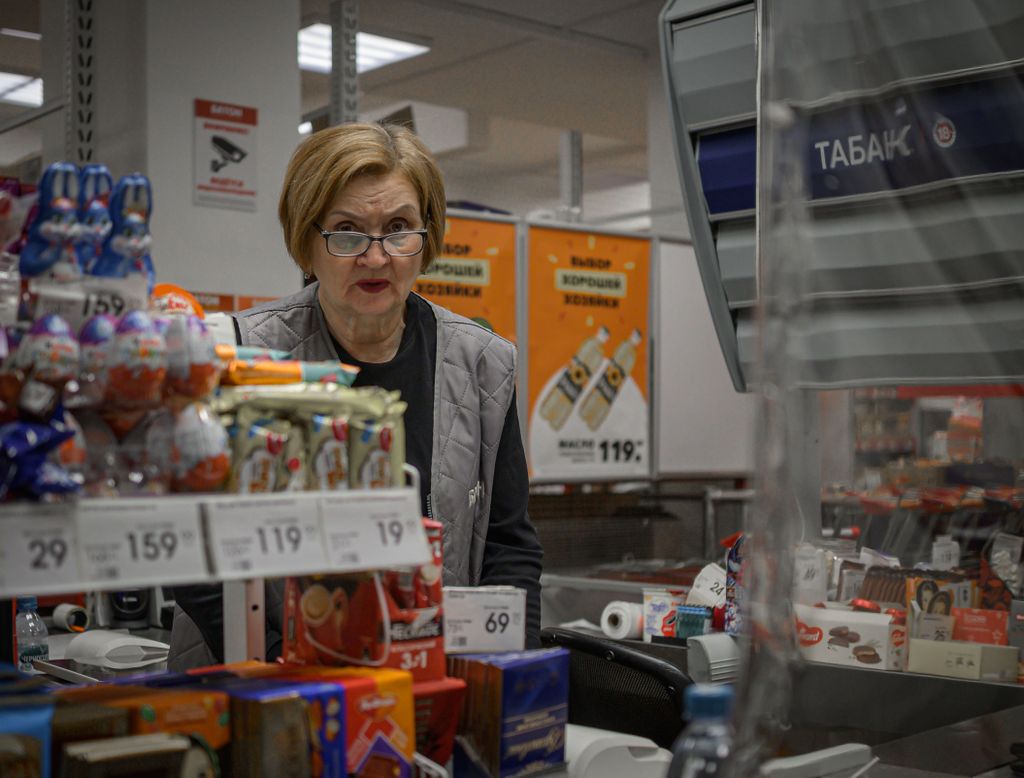
Cashiers operate the tills, handle payments, and are often the last person a customer speaks to — which makes them the face of the store. It is the easiest retail job to get: most employers train you in a day, and no experience is expected.
Pay is the lowest in this ranking, roughly $29,000–$33,000 a year in the US as a general range and around £21,000–£24,000 in the UK, which is why it sits below sales associate. But it is an excellent first job: the hours are straightforward, the training is minimal, and a reliable cashier who turns up on time is usually the first person offered extra shifts or a move into sales or supervision.
8. Stock Associate
Stock associates receive deliveries, unpack goods, fill shelves, and keep the stockroom organised. It is the best retail job for people who prefer physical work and minimal customer contact, and it suits early risers — many stores do their stock work before opening.
Pay is similar to a cashier, roughly $30,000–$36,000 a year in the US as a general range, with night-shift and early-morning roles often paying a premium. The schedule is usually the most predictable in the store because deliveries arrive on a fixed timetable. If you dislike standing at a till all day, this is the retail role to target.

9. Loss Prevention Associate
Loss prevention associates protect the store from theft and fraud: monitoring cameras, patrolling the floor, and investigating stock loss. It is a more specialised role, and it suits observant, discreet people who like investigation more than selling.
Pay typically runs roughly $35,000–$48,000 a year in the US and £24,000–£32,000 in the UK. The role often leads into security management or a wider loss-prevention career across a retail chain, and some employers fund relevant training. You will need to pass a background check, and a calm, professional manner matters more than physical presence.
10. Pharmacy Technician (Retail)
Pharmacy technicians working in retail pharmacies help pharmacists prepare prescriptions, advise customers, and manage stock. It is the highest-skilled entry-level role on this list, and one of the best-paid retail jobs that does not require a degree — though it does require a recognised training course and, in the US, usually a state licence or certification.
Pay is roughly $40,000–$48,000 a year in the US as a general range and £24,000–£30,000 in the UK. The schedule is typically more regular than general retail because pharmacies run fixed opening hours. If you want a healthcare-adjacent career without years of university, this is one of the strongest routes retail offers.
Best Retail Jobs for Beginners (No Experience Needed)
If you have never worked in retail, three roles are the realistic starting points, and all three are genuinely open to complete beginners.
Retail sales associate is the best all-round first job. Apply to stores whose products you actually know something about — electronics, sports, beauty, books — because enthusiasm for the product is the one thing that makes a beginner’s application stand out. Cashier is the easiest to land quickly, since training takes a day and employers hire in volume, especially before Christmas and the summer. Stock associate is the best choice if you would rather work with products than people, and early-morning stock shifts often suit students and parents.
Whatever you choose, the formula is the same: apply to several stores, be available at weekends, and turn up to the interview on time and presentable. Retail managers hire reliability first and experience second. A short, honest CV and a willingness to work the shifts nobody else wants will beat a polished CV from someone who can only work weekday mornings.
Best Retail Jobs for Students and Part-Time Workers
Retail is the classic student job for a reason: stores need evening and weekend cover, which is exactly when students are free. The best retail jobs for students are sales associate and cashier roles with a fixed weekend rota, because a fixed rota lets you plan study time, while a rota that changes every week does not. Ask at the interview whether your hours will be the same each week — a yes is worth more than a slightly higher hourly rate.
For part-time workers generally, the strongest options are customer service representative and stock associate, because both tend to come with fixed shifts and fixed stations. If you need school-hours-only work, target supermarkets and large department stores, which run daytime shifts that fit around the school run, and say so clearly on your application — our guide to the best part time jobs covers the wider part-time market beyond retail.
Parents returning to work should also ask about “twilight” shifts — the early-evening cover many stores need — and about job shares, which larger retailers increasingly offer. A part-time retail job with a stable rota is one of the most realistic ways back into paid work after a career break.
Best Retail Jobs by Pay vs. Flexibility
The honest trade-off in retail is that the highest-paid roles are the least flexible, and the most flexible roles are the lowest-paid. Store manager and assistant store manager pay the most, but they demand evenings, weekends, and holiday cover. Cashier and stock associate pay the least, but their shifts are the most predictable and the easiest to swap.
The best balance of the two is department supervisor: solid pay, a set rota, and a team of your own, without the out-of-hours responsibility of store management. Visual merchandiser is the best balance for creative people, since the work is project-based and rarely involves weekend till cover. Sales associate sits in the middle on both measures, which is why it remains the most common retail job in both the US and Europe.
Choose by your life, not just by the salary figure. A single parent who needs school-hours work will be happier as a part-time customer service representative than as an assistant manager on a rotating rota, even though the manager earns more. A graduate who wants a management career should take the supervisor route even if the first year pays less than a warehouse job, because the promotion path is worth far more over five years.
How to Land the Best Retail Jobs: A Step-by-Step Plan
Follow these steps in order, and you will be ahead of most applicants.
Step 1: Pick your target role and store type
Decide whether you want a beginner role, a management-track role, or a specialist role, then shortlist five to ten stores that match — supermarkets, clothing chains, electronics retailers, or pharmacies, depending on your interests. Applying everywhere at once produces weak applications; applying well to ten stores produces interviews.
Step 2: Prepare a one-page CV
Keep it to one page. Lead with availability — the days and hours you can work — because that is the first thing a retail hiring manager looks for. List any customer-facing experience, including volunteering, school or university societies, and part-time work. If you have no experience, say so honestly and lead with reliability instead: perfect attendance at school or college, a reference from a teacher, and weekend availability. Our guide on how to write a resume walks through the format step by step.
Step 3: Apply online and in person
Most large retailers only accept online applications, so apply through their careers page and keep a note of every application. For smaller independent shops, walk in with a printed CV and ask to speak to the manager — independent retailers still hire this way, and a face-to-face visit shows initiative that an online form cannot.
Step 4: Prepare for the interview
Retail interviews are short and practical. Expect questions about a time you helped someone, how you would handle an angry customer, and whether you can work weekends and holidays. Prepare one real example for each. Dress smartly, arrive ten minutes early, and know one fact about the store — its best-selling range, its returns policy, or a recent promotion. That small preparation separates you from most candidates.
Step 5: Accept the right offer, not the first offer
Compare the rota, not just the hourly rate. A role with a stable 30-hour rota is worth more than a role advertising 40 hours that never materialises. Ask about the probation period, the training provided, and the promotion path before you accept. Then, once you start, be the person who turns up on time every single shift — in retail, reliability is the fastest route to a pay rise and a promotion.
Mistakes to Avoid When Applying for Retail Jobs
The most common mistake is applying with a generic CV that says nothing about availability. Retail managers need to know your hours before they care about your experience, so put availability at the top and keep the rest short.
The second mistake is applying only to one store and waiting. Retail hiring moves fast — a vacancy posted on Monday is often filled by Friday — so apply to several stores in the same week and follow up politely after a few days.
The third mistake is treating the interview casually because the job seems easy. Retailers reject candidates who arrive late, dress carelessly, or cannot name a single thing about the store. Ten minutes of preparation is enough, but zero minutes shows.
The fourth mistake is ignoring the probation period. Most retail jobs have a probation of one to three months, and managers decide on permanent contracts during that window. The people who pass probation are the ones who turn up, learn the till and the stock system quickly, and help colleagues without being asked.
The fifth mistake is staying in a role with no progression for years without asking for more. If you have been a reliable associate for a year and no one has mentioned supervisor training, ask your manager directly what you need to do to get there. The best retail employers will have an answer; if yours does not, that tells you it is time to apply elsewhere.
Frequently Asked Questions
What is the best retail job with no experience?
Retail sales associate is the best retail job with no experience. It is widely available, employers train you on the job, and it is the standard entry point into supervision and management. Cashier is the easiest to get quickly, and stock associate is the best choice if you prefer physical work to customer contact.
What retail job pays the most?
Store manager pays the most of the mainstream retail roles, with a general range of roughly $50,000–$80,000 a year in the US and £30,000–£50,000 in the UK, depending on the size of the store and the retailer. Assistant store manager and department supervisor are the next best-paid roles, and pharmacy technician is the best-paid retail job that does not require a degree.
Are retail jobs good for students?
Yes. Retail is one of the best employers for students because stores need evening and weekend cover, which matches student availability. The best retail jobs for students are sales associate and cashier roles with a fixed weekend rota. Ask at the interview whether your hours will be the same each week, and prefer employers who publish rotas at least two weeks ahead.
Do you need a degree for the best retail jobs?
No. None of the roles in this ranking requires a degree, including store manager — most retail managers reach the role by promotion from the shop floor. The exceptions are specialist roles such as pharmacy technician, which requires a recognised training course and, in the US, usually a state licence or certification.
How do I get promoted in retail?
Turn up on time for every shift, learn the till and stock systems faster than your colleagues, and volunteer for the tasks nobody else wants — stock counts, closing duties, training new starters. Then ask your manager directly what the next step is and what you need to demonstrate to get there. In most large retailers, a reliable associate can reach supervisor within a year and assistant manager within two to three years.
Is retail a good long-term career?
Yes, for people who enjoy working with the public and want a management career without a degree. Retail offers a clear ladder from associate to supervisor to store manager and beyond into area and regional management, and the skills — people management, stock control, commercial awareness — transfer to many other industries. The key is choosing an employer that promotes from within, which you can check by asking how many of the store’s current managers started as associates.
Conclusion
The best retail jobs in 2026 reward the same things retail has always rewarded: reliability, a good manner with customers, and a willingness to learn the business from the shop floor up. If you need a first job, start as a sales associate or cashier and treat it as the beginning of a career, not a stopgap. If you want a management career without a degree, aim for department supervisor and then assistant store manager — the promotion path is real, and most store managers walked it themselves. And if you want a specialist role with better pay, look at visual merchandising, loss prevention, or pharmacy work.
Your next step is simple: pick one role from this ranking, shortlist five stores, and apply this week. Retail hires fast, and the people who get the best retail jobs are usually the ones who applied first and turned up prepared.
Checklist — your first week:
- Choose your target role: beginner, management-track, or specialist
- Shortlist five to ten stores that match your interests and availability
- Write a one-page CV with your availability at the top
- Apply online to the large retailers and in person to independent shops
- Prepare one real example for each common interview question
- At the interview, ask about the rota, the probation period, and the promotion path
- Once hired, turn up on time for every shift and volunteer for extra responsibility