Best Social Media Jobs in 2026: Top Roles Ranked by Pay, Flexibility & Entry Requirements
Social media is no longer a side activity for businesses — it is where customers discover brands, where news breaks, and where entire careers are built. Every company, from a local bakery to a global fashion label, needs someone to run its accounts, make its content, and talk to its audience. That demand has turned social media into one of the fastest-growing job markets in the United States and Europe, and it is one of the few professional fields where a strong portfolio can matter more than a degree.
Quick Answer: The best social media jobs in 2026 are social media manager, social media strategist, and paid social / ads specialist for experienced workers, and content creator, community manager, and social media analyst for beginners. The best roles combine solid pay, remote flexibility, and creative work — and the right choice depends on whether you want a salaried in-house role, a freelance career, or a first step into digital marketing.
This guide ranks the best social media jobs honestly. You will not find fake listings or invented employers here. Instead, you will find a clear comparison of pay, flexibility, and entry requirements for each role, practical advice for beginners, students, and career changers, and a step-by-step plan for landing a legitimate social media job in the US or Europe.
Table of Contents
What Makes the Best Social Media Jobs Truly the Best?
Not every job that involves posting on Instagram deserves to be called one of the best social media jobs. A role earns that label only when it performs well on four measures at the same time: pay, remote flexibility, creativity, and progression. A job that pays well but keeps you chained to an office five days a week is a weaker offer than a similar role that lets you work from home. A job that is easy to enter but offers no path beyond scheduling posts is a dead end rather than a career.
The sweet spot is a role that pays fairly, gives you real creative control, and lets you move up — into strategy, management, or a freelance practice of your own.
Pay matters because social media work is skilled, professional work, and it should pay like it. The salary figures in this guide are general ranges based on median pay data published by the U.S. Bureau of Labor Statistics in its Occupational Outlook Handbook for advertising, promotions, and marketing managers, the most authoritative public source for US occupational pay.
Where a role has no direct BLS occupation, the range reflects the closest BLS category and is labeled as an approximate range. Actual pay varies by employer, location, and experience. UK and Western European pay for the same roles is typically lower in cash terms than US pay, though it is often balanced by stronger statutory leave, sick pay, and other benefits.
Remote flexibility is the second test, and it is where social media jobs stand out from most careers. Much of the work — writing captions, editing short video, analysing performance, replying to comments — can be done from anywhere with a laptop and a reliable internet connection. The best social media roles offer fully remote or hybrid working as standard, and freelance social media work can be done from any timezone. When you compare two similar roles, the one with genuine location flexibility is almost always the better job, because it lets you live where you want and skip the commute entirely.
Creativity is the third test. The best social media jobs give you real creative freedom: choosing what to post, shaping a brand’s voice, trying new formats, and seeing your ideas reach thousands of people the same day. A role that only involves copying and pasting someone else’s content into a scheduler will burn you out quickly, no matter how good the pay is. Look for roles where you own the content calendar, or at least a real share of it.
Progression is the fourth test, and it is what separates the best social media jobs from the rest. The strongest career path runs from content creator or community manager, to social media manager, to social media strategist or head of social, and from there into wider digital marketing leadership. Freelancers follow a parallel path: from a single small client, to several retainer clients, to a small agency of their own. When you apply, ask directly how many of the company’s current senior marketers started in social media — the answer tells you more than any careers page will.
Finally, demand matters. Employers across the US and Europe are hiring social media professionals constantly, because every business that sells online needs a social presence and because the platforms change so fast that experienced people are always in short supply. Short-form video skills, paid social advertising, and data analysis are the areas where demand most clearly outstrips supply — and where the best social media jobs are concentrated.

The Best Social Media Jobs in 2026 — Ranked
The ranking below weighs pay, remote flexibility, creativity, and progression together. The number one role is not simply the highest-paid; it is the role that offers the strongest combination of all four factors for the widest range of people.
1. Social Media Manager
The social media manager owns a brand’s entire social presence: the content calendar, the posting schedule, the community, and the reporting. It is the best social media job overall because it combines solid pay, real creative control, and a clear path into senior marketing roles.
Pay is strong for a role that usually requires two to four years of experience rather than a specific degree — roughly $55,000–$80,000 a year in the US as a general range, and roughly £30,000–£45,000 in the UK. Managers at larger companies, and those who also run paid advertising, earn more. The BLS reports median pay for advertising, promotions, and marketing managers of roughly $157,000 a year in the US, which covers senior marketing management above this role — social media manager pay sits below that figure, but the BLS data confirms how well the wider marketing management ladder pays as you progress.
The trade-off is scope. You are accountable for everything that goes out on the brand’s accounts, including out-of-hours problems such as a negative post going viral on a weekend. But for anyone who wants a career in social media rather than just a job, this is the destination role, and most managers reach it by promotion from creator or community roles rather than by an external hire.
2. Social Media Strategist
The strategist designs the plan: which platforms to prioritise, what the brand should sound like, which campaigns to run, and how success will be measured. It is the most senior of the mainstream social media roles, and it suits analytical, big-picture thinkers who enjoy planning more than daily posting.
Pay is typically the highest in this ranking for a pure social media role — roughly $65,000–$95,000 a year in the US as a general range, and roughly £38,000–£55,000 in the UK. Strategists often work at agencies, advising several clients at once, which builds a broad portfolio fast. The work is less hands-on than a manager’s, which some people miss, but the influence is greater: a good strategy shapes everything a brand does online for a year.
3. Paid Social / Ads Specialist
Paid social specialists run advertising on Meta, TikTok, LinkedIn, and other platforms: setting budgets, testing creative, targeting audiences, and optimising campaigns for sales or leads. It is the best social media job for people who like numbers, testing, and measurable results — and it is one of the best-paid, because every pound or dollar you spend has a return the employer can see.
Pay typically runs roughly $60,000–$90,000 a year in the US as a general range, and roughly £35,000–£55,000 in the UK, with freelancers often charging $50–$100 an hour once they have a track record. The skill is in high demand because few people can do it well, and a specialist who can prove a positive return on ad spend is rarely out of work. The downside is pressure: when a campaign underperforms, the numbers show it immediately, and clients notice.
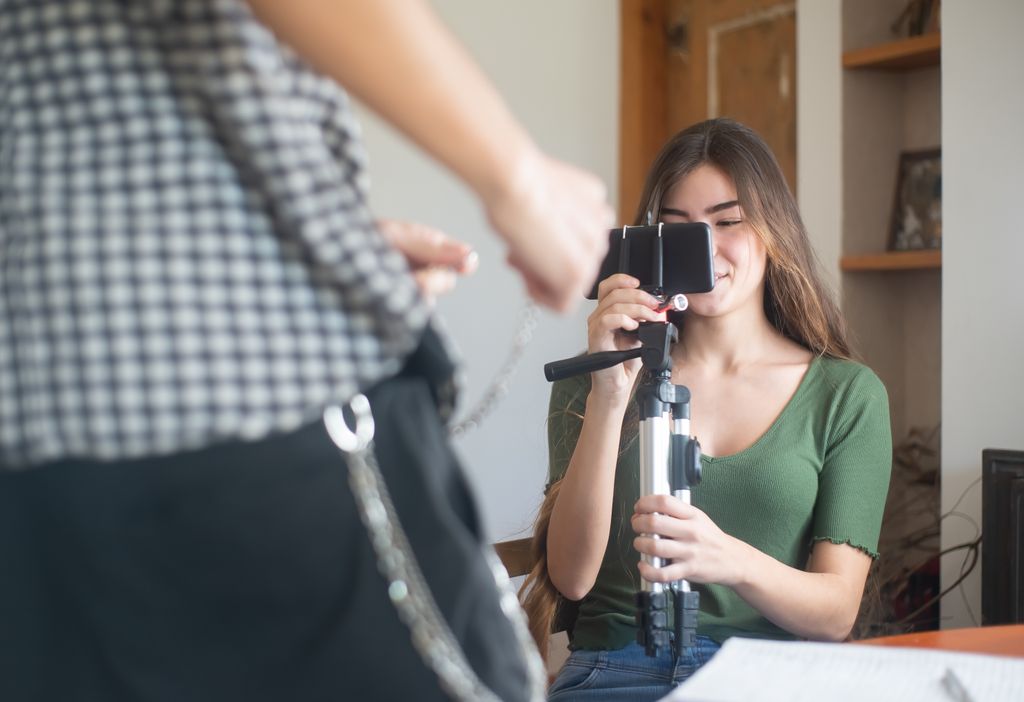
4. Content Creator
Content creators make the photos, short videos, reels, and graphics that fill social feeds. It is the most creative of the best social media jobs, and it suits people who enjoy filming, editing, and storytelling — and who are comfortable being on camera or behind it.
Pay varies more than any other role on this list, because creators work in-house, freelance, or as independent creators earning from brand deals. In-house creators typically earn roughly $45,000–$70,000 a year in the US as a general range and £28,000–£40,000 in the UK. Freelance creators charge per project, and successful independent creators can earn far more — but also far less in a slow month. A portfolio of your own work matters more than any qualification: a TikTok or Instagram account you grew yourself is the strongest CV a creator can have.
5. Community Manager
Community managers are the voice of the brand in the comments, direct messages, and groups: answering questions, handling complaints, encouraging discussion, and turning followers into loyal customers. It is one of the best social media jobs for people who are patient, empathetic, and genuinely enjoy talking to people online.
Pay is typically roughly $45,000–$65,000 a year in the US as a general range and £26,000–£38,000 in the UK. The role is often fully remote, and the hours can be flexible, though evening and weekend cover is common because that is when audiences are most active. Community experience is also one of the most portable skills in digital marketing — it leads naturally into social media management, customer experience, and brand roles.
6. Influencer Marketing Manager
Influencer marketing managers find, negotiate with, and manage the creators who promote a brand: choosing the right partners, agreeing fees and deliverables, and measuring the results. It is the best social media job for people who are organised, good negotiators, and well-connected in creator culture.
Pay typically runs roughly $55,000–$85,000 a year in the US as a general range and £32,000–£50,000 in the UK, with senior roles at large brands paying more. The work combines relationship-building with data — you need to spot a creator whose audience genuinely fits the brand, not just one with a big follower count. It is a growing field: as brands shift budgets from traditional advertising to creators, experienced influencer managers are in short supply across the US and Europe.
7. Social Media Analyst
Social media analysts turn data into decisions: tracking reach, engagement, conversions, and audience growth, then telling the team what to do more of and what to stop. It is the best social media job for people who like spreadsheets, dashboards, and evidence more than creative guesswork.
Pay is typically roughly $50,000–$75,000 a year in the US as a general range and £30,000–£45,000 in the UK. The role is almost always remote-friendly, and the skills transfer directly into wider marketing analytics, which is one of the best-paid corners of digital marketing. If you can combine analytics with a working knowledge of content creation, you become unusually hard to replace.
8. Video Editor for Social Media
Short-form video is now the dominant format on every major platform, and editors who can cut fast, punchy, captioned videos are in constant demand. It is the best social media job for people who prefer craft to strategy — you spend your day editing, not in meetings.
Pay typically runs roughly $45,000–$70,000 a year in the US as a general range and £28,000–£42,000 in the UK, with freelance editors charging per video or per day. The work is project-based, which means variety and the freedom to work for several clients at once. The main requirement is a strong showreel: three or four excellent short videos will open more doors than any certificate.
9. Freelance Social Media Manager
Freelance social media managers run the accounts of several small clients at once — local businesses, startups, and creators who cannot afford a full-time hire. It is the best social media job for people who want maximum flexibility and are willing to trade a steady salary for control over their own time and clients.
Income varies widely: a freelancer with three or four retainer clients typically earns roughly $40,000–$80,000 a year in the US as a general range, and £25,000–£50,000 in the UK, depending on client size and pricing. The freedom is real — you choose your clients, your hours, and your location — but so is the admin: invoicing, finding new clients, and managing your own taxes. Our guide to freelance jobs covers the wider freelance market beyond social media, and our guide to online jobs explains how remote freelance work fits into a full career plan.
Best Social Media Jobs for Beginners (No Experience Needed)
If you have never worked in social media, three of the best social media jobs are the realistic starting points, and all three are genuinely open to complete beginners.
Content creator is the best all-round first role, because you can start today: pick a niche you care about, post consistently on one platform, and build a small audience of your own. That account becomes your portfolio, and it proves more than any course certificate.
Community manager is the easiest salaried role to land quickly, since employers value a friendly, reliable manner and good written English more than experience — and many community roles are remote from day one. Social media analyst is the best choice if you are more analytical than creative: learn the basics of Google Analytics and the native analytics tools on Instagram, TikTok, and LinkedIn, and you can apply for junior analyst roles with a small portfolio of practice reports.
Whatever you choose, the formula for landing one of the best social media jobs is the same: build proof before you apply. A personal account you grew, a volunteer account you ran for a local charity or sports club, or a short portfolio of spec posts for a fictional brand will beat a CV that only lists a course. Hiring managers in social media hire what they can see, so show them your work.
Students and career changers should also look at internships and junior roles at agencies, where you will work across several clients and learn faster than in a single in-house role. A six-month agency internship can teach you more about social media than a year in a slow in-house job — and agencies hire from their intern pool constantly.
Best Social Media Jobs by Pay vs. Flexibility
The honest trade-off in social media is that the highest-paid roles are the most accountable, and the most flexible roles are the least predictable in income. Social media strategist and paid social specialist pay the most, but they carry real responsibility for budgets and results. Freelance social media manager offers the most freedom, but income varies month to month and you have no paid leave unless you build it into your rates.
The best balance of the two is social media manager: solid pay, usually hybrid or remote, and a clear promotion path, without the month-to-month income risk of freelancing. Content creator is the best balance for creative people, since the work is varied and often remote, and a strong personal brand can grow into a business of its own. Community manager sits in the middle on both measures — steady pay, often fully remote, and a workload that rarely follows you home.
Choose by your life, not just by the salary figure. A parent who needs school-hours work will be happier as a part-time community manager than as a strategist on call for agency clients, even though the strategist earns more. A graduate who wants a marketing leadership career should take the social media manager route even if the first year pays less than a paid social role, because the management experience is worth far more over five years. And if freedom matters most to you, freelancing is worth the income risk — just build a three-month financial cushion before you make the jump.
Our guide to remote jobs covers the wider remote market and how to compare fully remote roles with hybrid ones.
How to Land the Best Social Media Jobs: A Step-by-Step Plan
Follow these steps in order to land one of the best social media jobs, and you will be ahead of most applicants.
Step 1: Pick your target role and platform
Decide whether you want a creative role, an analytical role, or a management role, then pick one or two platforms to master — Instagram and TikTok for consumer brands, LinkedIn for B2B, YouTube for long-form video. Applying everywhere at once produces weak applications; deep knowledge of one platform produces interviews.
Step 2: Build a portfolio before you apply
Create sample work: a 30-day content calendar for a brand you admire, three short videos in a consistent style, or a one-page audit of a real company’s social presence with honest, specific recommendations. Host it on a simple website or a public Notion page, and link it at the top of your CV. In social media, a portfolio is not optional — it is the application.
Step 3: Grow a small account of your own
Run your own account in your chosen niche for at least two months, posting consistently and tracking what works. Even a few hundred engaged followers proves you understand the work, and it gives you real numbers to talk about in interviews: growth rate, engagement rate, and which posts performed best and why.
Step 4: Apply to agencies and in-house roles
Apply to digital marketing agencies as well as individual companies — agencies hire more juniors, train faster, and expose you to several clients at once. Tailor each application: mention one specific thing you noticed about the employer’s social presence and one idea you would try. That small preparation separates you from most candidates, who send the same generic cover letter to everyone.
Step 5: Prepare for the interview
Social media interviews are practical. Expect to be asked which accounts you admire and why, how you would handle a negative comment, and what you would post for the brand tomorrow. Prepare real answers with examples from your own account or portfolio. Some employers will set a short task — a week of sample posts, or a critique of their current feed — so treat that task seriously; it is often the deciding factor.
Step 6: Keep learning after you start
The platforms change constantly: new features, new formats, new algorithm behaviour. The people who progress fastest in social media are the ones who keep experimenting — testing new formats, following platform updates, and learning adjacent skills such as basic video editing, copywriting, and analytics. Budget an hour a week for learning, and your career will compound.
Mistakes to Avoid When Applying for Social Media Jobs
The most common mistake is applying with a CV that lists courses but shows no work. Social media managers hire what they can see, so a CV without a portfolio link goes to the bottom of the pile. Build the portfolio first, then apply.
The second mistake is claiming to be an expert on every platform. Nobody is. Saying you specialise in two platforms and understand the rest is far more credible than claiming mastery of all of them — and interviewers will test the claim.
The third mistake is buying followers or engagement for your own account to make it look impressive. Hiring managers in this field can spot fake growth in seconds, and being caught destroys your credibility completely. A small, genuine audience is worth more than a large, fake one.
The fourth mistake is ignoring the numbers. Social media is creative work, but it is also measured work. If you cannot talk about reach, engagement rate, and conversions in an interview, employers will doubt you can manage a brand’s accounts professionally. Learn the basic metrics for your chosen platforms before you apply.
The fifth mistake is falling for fake social media job listings. Legitimate employers never ask you to pay for training, equipment, or an “activation fee” before you start, and they never hire through a messaging app alone. If a job offer asks for money, or arrives without an interview, it is a scam — walk away.
Frequently Asked Questions
What is the best social media job with no experience?
Content creator is the best social media job with no experience, because you can start building a portfolio today on your own account — no employer permission needed. Community manager is the easiest salaried role to land quickly, and junior social media analyst is the best choice if you are more analytical than creative.
What social media job pays the most?
Social media strategist pays the most of the mainstream social media roles, with a general range of roughly $65,000–$95,000 a year in the US and £38,000–£55,000 in the UK. Paid social / ads specialist is close behind, and senior marketing management — the direction these roles lead into — pays considerably more, as the BLS data for advertising, promotions, and marketing managers shows.
Are social media jobs good for remote work?
Yes. Social media is one of the most remote-friendly career fields, because most of the work — writing, editing, scheduling, analysing, replying — needs only a laptop and an internet connection. Community manager, analyst, and freelance roles are often fully remote, while in-house manager and strategist roles are usually hybrid. See our guide to remote jobs for the wider remote market.
Do you need a degree for the best social media jobs?
No. None of the roles in this ranking requires a degree. Employers care about your portfolio, your own account, and your understanding of the platforms. A degree in marketing, communications, or media can help, but it is never a requirement — and many of the best social media professionals in the US and Europe are self-taught.
How do I get a social media job with no experience?
Build proof first: grow a small account of your own, volunteer to run social media for a local charity, club, or small business, and create a portfolio of sample work. Then apply for junior community, content, or analyst roles, and mention your real results in every application. Most hiring managers would rather see a small account you grew yourself than a certificate.
Is social media a good long-term career?
Yes, for people who enjoy creative work and are willing to keep learning. Social media offers a clear ladder from creator or community manager to social media manager, strategist, and wider digital marketing leadership, and the skills — content, analytics, paid advertising, community building — transfer to almost any marketing role. The key is to keep building adjacent skills, because the platforms change constantly and the people who progress are the ones who change with them.
Conclusion
The best social media jobs in 2026 reward the same things social media has always rewarded: creativity, consistency, and a genuine understanding of what audiences want. If you need a first job, start as a content creator or community manager and build a portfolio you can show. If you want a management career without a degree, aim for social media manager and then strategist — the promotion path is real, and most senior social media professionals walked it themselves. And if you want the highest pay and the most measurable impact, learn paid social advertising, where every result is visible in the numbers.
Your next step is simple: pick one role from this ranking, build three pieces of portfolio work this week, and apply to five employers. Social media hires fast, and the people who get the best social media jobs are usually the ones who showed their work first.
Checklist — your first week:
- Choose your target role: creative, analytical, or management
- Pick one or two platforms to master
- Create three portfolio pieces: a content calendar, sample posts, or a brand audit
- Start or grow your own account in your chosen niche
- Shortlist five employers — agencies and in-house roles
- Apply with a portfolio link at the top of your CV
- Learn the basic metrics for your platforms before any interview