How to Become an EMT: Steps, Training & NREMT Exam Guide
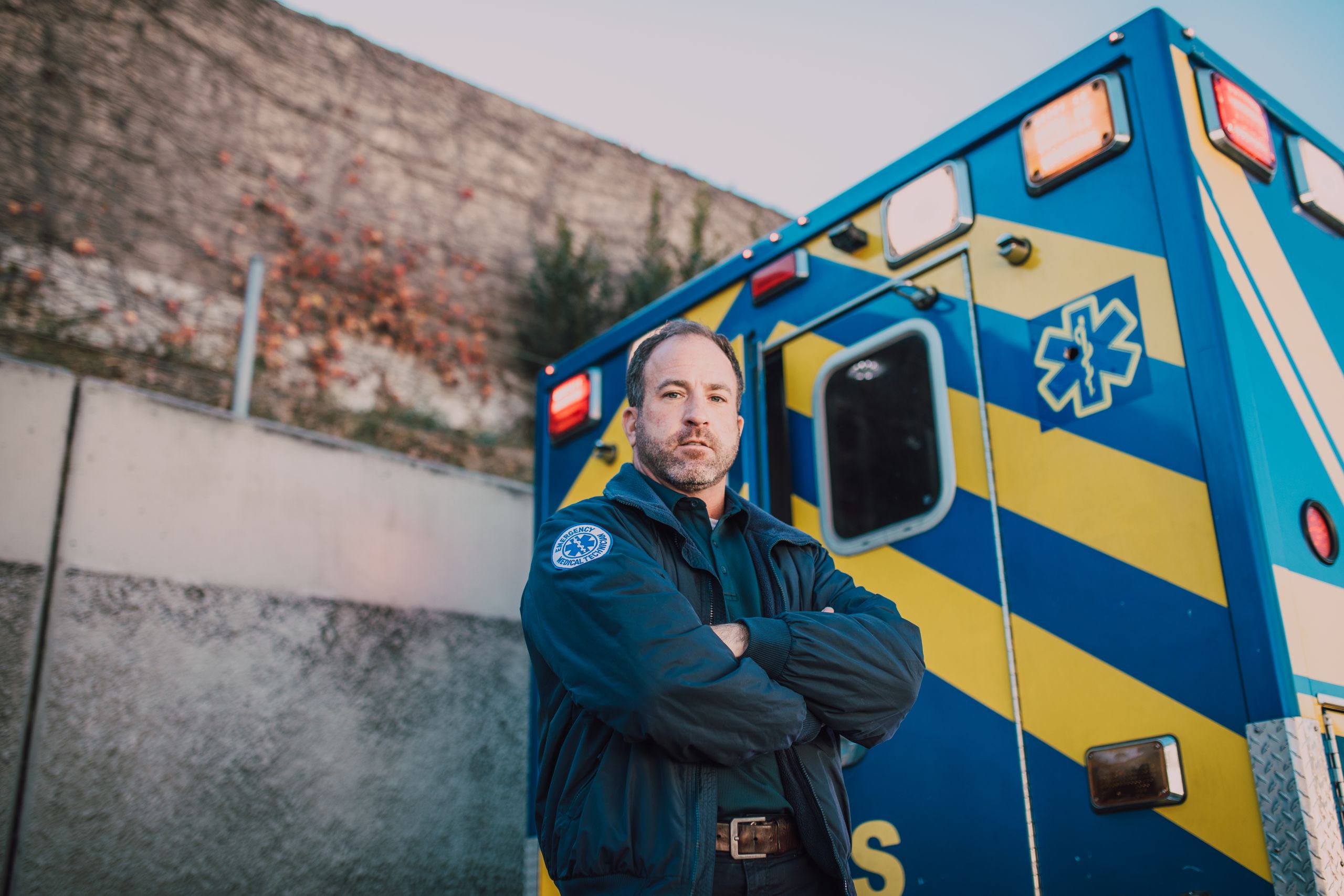
Learning how to become an EMT is one of the fastest routes into emergency medicine. Within a few months of training, you can be riding in an ambulance, responding to 911 calls, and making a real difference on the worst day of someone’s life. Emergency Medical Technicians are the first trained medical professionals most patients ever meet. They assess injuries, control bleeding, manage airways, give oxygen, perform CPR, and get patients safely to hospital.
It is demanding, physical, sometimes distressing work — and for the right person, it is also deeply rewarding. This guide explains every step: the requirements, the training course, the national exam, state licensure, the costs, the pay, and how the EMT qualification leads on to Advanced EMT and paramedic.
Table of Contents
Quick Answer
To become an EMT, you must be at least 18 years old, hold a high school diploma or equivalent, complete a state-approved EMT training course (typically 120 to 190 hours over 3 to 6 months), pass the National Registry of Emergency Medical Technicians (NREMT) cognitive exam, and obtain licensure or certification in your state. Most states also require CPR certification and a background check.
Training costs usually range from $1,000 to $2,000, though community colleges, fire departments, and employers sometimes offer cheaper or sponsored routes. Once licensed, you can work for ambulance services, fire departments, hospitals, and event medical teams. The EMT is also the first rung of a career ladder: with further training you can become an Advanced EMT and then a paramedic, each step bringing more skills, more responsibility, and higher pay.
What Does an EMT Actually Do?
An EMT provides basic life support in emergencies. On a typical shift you might respond to a car crash, a person having difficulty breathing, a fall at home, a drug overdose, or a patient with chest pain. Your job is to assess the patient quickly, decide what is wrong, provide the care that is within your scope, and transport the patient to the right hospital — while keeping clear records and communicating with the hospital team.
Core EMT skills include patient assessment, airway management, oxygen administration, bleeding control and bandaging, splinting broken bones, spinal immobilisation, CPR and defibrillator use, assisting with certain medications such as epinephrine auto-injectors and nitroglycerin, and managing childbirth in an emergency. EMTs also drive ambulances, operate radios and medical equipment, and work as part of a team with paramedics, firefighters, and police.
The work is not all sirens and dramatic rescues. Much of it is routine: transporting patients between facilities, responding to minor injuries, and helping elderly patients who have fallen. Shifts are often 12 or 24 hours long, including nights, weekends, and holidays. You will work in all weather, lift heavy patients, and sometimes deal with distressing scenes. Physical fitness, emotional steadiness, and the ability to stay calm under pressure are as important as the medical knowledge. If you are exploring careers generally and want to compare emergency medicine with other options, our guide on how to choose a career path can help you think it through.
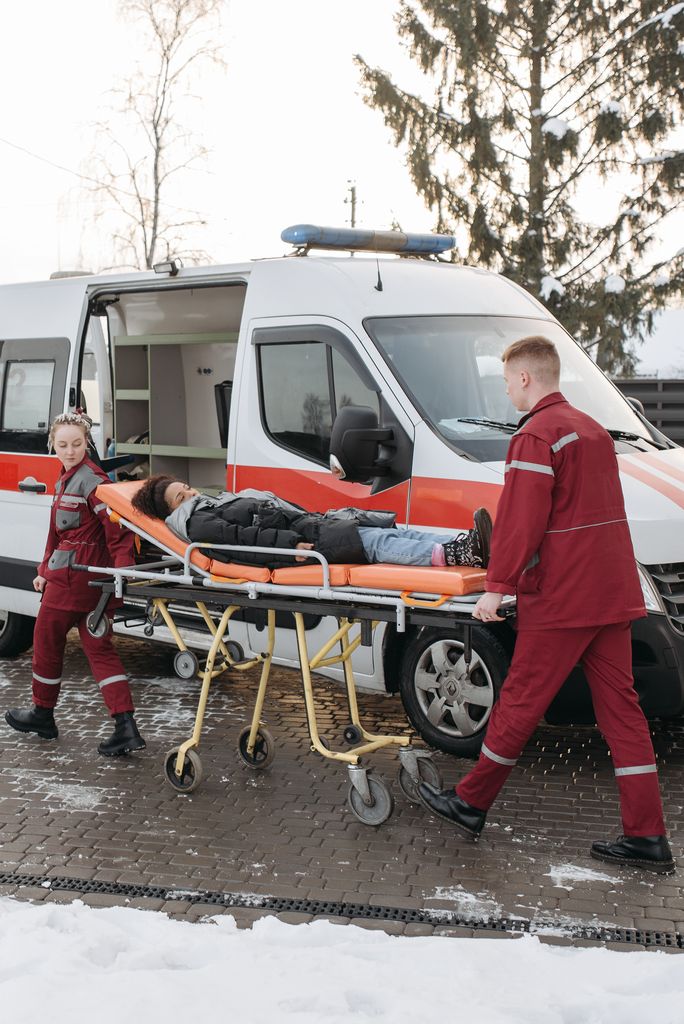
The EMT Career Ladder: EMT, AEMT, Paramedic
Emergency medical services have a clear ladder, and understanding it helps you plan. The EMT, sometimes called EMT-Basic, is the entry level. Training is the shortest, the scope of practice is basic life support, and the pay is the lowest — but it is also the fastest way in, and every paramedic starts here.
The next rung is Advanced EMT (AEMT). AEMTs complete an additional 200 to 400 hours of training and can do more advanced procedures, including starting IV lines, giving a wider range of medications, and using advanced airway devices. AEMT training usually takes a few months on top of EMT training.
At the top of the pre-hospital ladder is the paramedic. Paramedics complete 1,200 to 1,800 hours of training, often as part of an associate or bachelor’s degree, and can provide advanced life support: interpreting ECGs, giving many medications, intubating patients, and making complex clinical decisions. Paramedics earn considerably more than EMTs and take on far more responsibility.
Once you have learned how to become an EMT, you do not have to decide on day one how far up the ladder you want to go. Many people become EMTs, work for a year or two, and then decide whether to train further. Some stay as EMTs for their whole career and are happy. Others use the EMT as a stepping stone to paramedic, nursing, firefighting, or medical school. The EMT qualification keeps all of those doors open.
Step 1: Check You Meet the Requirements
Before you enrol in a course, confirm you meet the basic requirements, which are similar across most states. You must be at least 18 years old, hold a high school diploma or GED, and be able to pass a criminal background check. You must hold a current CPR certification at the healthcare-provider level — many EMT courses include this, or you can complete it separately beforehand. You will also need a valid driver’s licence if you expect to drive an ambulance, and you must be physically able to lift and move patients, which usually means passing a physical ability test or medical clearance.
Some states add their own requirements, such as a specific state application, fingerprinting, or proof of immunisations. Training programs usually list their state’s requirements on their website, and your state’s EMS office can confirm the current rules. Requirements vary by state, so check your own state’s rules rather than assuming what applies elsewhere. If you have a criminal record, check early whether it affects eligibility — some offences bar licensure, while others do not, and it is far better to know before you pay for training.
Step 2: Choose and Complete an EMT Training Course
EMT training is offered by community colleges, technical schools, fire departments, hospitals, ambulance services, and private training companies. Courses are usually state-approved, and approval matters: only a state-approved course qualifies you to sit the NREMT exam and apply for state licensure. Before enrolling, confirm the course is approved in your state.
A standard EMT course runs 120 to 190 hours, typically spread over 3 to 6 months of evening or weekend classes, or completed faster in an intensive full-time format of a few weeks. The course covers anatomy and physiology, patient assessment, airway and breathing, cardiology, trauma care, medical emergencies, obstetrics, paediatrics, and EMS operations. Expect a mix of classroom learning, hands-on skills practice, written exams, and a practical skills exam at the end.
Most courses also include clinical time: ride-alongs in an ambulance and shifts in a hospital emergency department, where you practise assessments on real patients under supervision. This is often the part students enjoy most, and it is where the classroom theory starts to make sense. Keep your attendance and grades strong throughout — many programs require a minimum score to let you sit the final exams.
Costs vary. A community college EMT course often costs between $1,000 and $2,000 including books and fees, while private programs can cost more. Some fire departments and ambulance services sponsor training for people they hire, and some employers refund the cost after you complete the course and work for them. Ask about sponsorship before you pay out of pocket: it is one of the best-kept secrets in EMS hiring. If cost is a barrier and you are starting from scratch in the job market, our guide on how to get a job with no experience has practical advice on finding entry-level work that can fund training.
Step 3: Pass the NREMT Exam
After finishing your course, you sit the National Registry of Emergency Medical Technicians (NREMT) cognitive exam. This is a computer-based test that most states use as their licensing exam. It is adaptive, which means the difficulty of the questions adjusts based on your answers — get questions right and they get harder; get them wrong and they get easier. The exam covers airway, respiration and ventilation, cardiology and resuscitation, trauma, medical emergencies, obstetrics and gynaecology, and EMS operations.
The exam is challenging, and first-time pass rates are typically around 60 to 70%, so preparation matters. Use the practice questions and study guides from the NREMT and reputable publishers, review your course notes systematically, and form a study group with classmates. Focus on understanding why the right answer is right — the exam tests clinical judgement, not just memorisation. For example, you need to know not only the signs of shock, but which treatment to prioritise and in what order.
You will also need to pass a psychomotor (skills) exam, which tests hands-on skills such as patient assessment, airway management, bleeding control, and splinting. Some states administer this through the course provider, others through a separate testing site. Practise the skills repeatedly until they are automatic, because under exam pressure you will fall back on habit.
If you do not pass on the first attempt, you can retake the exam. The NREMT allows a limited number of attempts before requiring additional training, so take each attempt seriously and review your weak areas between attempts. Many candidates who fail once pass on the second try after focused study.
Step 4: Get Licensed in Your State
Passing the NREMT exam makes you nationally registered, but you still need a state licence or certification to work. Most states accept NREMT registration as the basis for state licensure, but the application process, fees, and extra requirements vary. Apply to your state EMS office, submit your NREMT results, background check, and fee, and wait for your licence. Processing can take a few weeks, so apply promptly.
Some states are part of the EMS Compact, which allows licensed EMS personnel to practise in other member states under certain conditions. This is useful if you live near a state border or want to work in more than one state. Check whether your state participates and what the compact covers — it does not replace your home licence, and its rules have limits.
Once licensed, you must maintain your credential. NREMT registration is renewed every two years and requires continuing education — typically around 40 hours over the two-year period, covering the core topics of airway, cardiology, trauma, medical, and operations. Your state licence has its own renewal cycle and requirements, which are usually aligned with the national ones. Keep records of every course and certificate, and never let your registration lapse — an expired registration can mean weeks of paperwork before you can work again.
Step 5: Find Your First EMT Job
New EMTs usually find work with private ambulance companies, fire departments, hospitals, or event medical services. Private ambulance companies hire the most new EMTs and are often the easiest way in, though the work is frequently non-emergency transport. Fire departments offer excellent careers but are highly competitive and often require a firefighter qualification as well. Hospital emergency departments hire EMTs as emergency department technicians, which is good experience if you are considering nursing or paramedic training.
When you apply, highlight your clinical ride-along experience, any volunteer work, your clean driving record, and your physical fitness. Many employers value reliability and calmness under pressure as much as grades. Be ready for shift work, including nights and weekends, and be honest in interviews about why you want the job — employers can tell the difference between someone who wants to help people and someone who just likes the idea of sirens.
Volunteering is a strong route in. Volunteer fire departments and rescue squads in many areas will train you, pay for your course, and give you real experience. Even if you plan to work for a paid service, volunteer experience strengthens your CV and your confidence. It also tells you honestly whether the work suits you before you commit to a full-time career.
Salary and Job Outlook
According to the U.S. Bureau of Labor Statistics, EMTs and paramedics together earn a median annual wage of around $44,000 in the United States, with entry-level EMTs typically earning less than experienced paramedics. The lowest-paid tenth earn under $33,000 and the highest-paid tenth, mostly paramedics, earn over $70,000. Pay varies by employer and location: fire departments and hospitals usually pay more than private ambulance companies, and large cities pay more than rural areas. Overtime is common and can raise total earnings significantly.
Employment for EMTs and paramedics is projected to grow by about 5% over the coming decade, roughly average for all occupations. Demand is driven by an ageing population, more 911 calls, and the need to replace workers who leave for paramedic training, nursing, or other careers. The field has high turnover, which means there are usually openings for new EMTs — but it also means you should go in with your eyes open about the pay, the hours, and the physical demands. Full details are on the BLS EMTs and paramedics page.
Common Mistakes to Avoid
The first mistake is choosing a course that is not state-approved. An unapproved course may teach you the skills, but it will not qualify you for the NREMT exam or a state licence, and your money will be wasted. Always verify approval with your state EMS office before enrolling.
The second mistake is underestimating the exam. Many students assume that passing the course means passing the NREMT, but the national exam is harder and tests judgement, not recall. Start studying for it weeks before your course ends, not after.
The third mistake is neglecting physical fitness. The job involves lifting patients, carrying equipment, and working long shifts on your feet. Candidates who train physically before and during their course cope far better than those who do not. A basic strength and cardio routine is enough; you do not need to be an athlete.
The fourth mistake is burning out early. New EMTs often take every overtime shift offered, then find themselves exhausted and emotionally drained. Pace yourself, use the support your employer offers, talk to colleagues after difficult calls, and treat rest as part of the job. A sustainable career matters more than a heroic first year.
The fifth mistake is having no plan beyond the EMT. The qualification is a great start, but pay and progression are limited unless you train further. Decide within your first year or two whether you want to move toward Advanced EMT, paramedic, nursing, or firefighting, and start preparing for that next step while you are still gaining experience.
Your Checklist: Becoming an EMT
- Confirm you meet the age, education, and background-check requirements in your state.
- Get CPR certified at the healthcare-provider level.
- Choose a state-approved EMT course and confirm its cost, schedule, and clinical placements.
- Complete the course, including ride-alongs and the skills exam.
- Study systematically for the NREMT cognitive exam and take practice tests.
- Pass the NREMT exam and apply for your state licence promptly.
- Apply for jobs with ambulance services, fire departments, and hospitals.
- Complete continuing education and renew your registration on time.
- Decide within a year or two whether to progress to AEMT or paramedic.
Conclusion
Learning how to become an EMT is one of the quickest ways to start a career in emergency medicine. In a few months you can go from no medical background to a licensed professional responding to real emergencies. The path is clear: meet the requirements, complete a state-approved course, pass the NREMT exam, get licensed, and start gaining experience. From there, the ladder to Advanced EMT and paramedic is open, and so are routes into nursing, firefighting, and medicine. If you want work that is fast, physical, meaningful, and genuinely useful, few careers deliver that as quickly as this one.
Frequently Asked Questions
How long does it take to become an EMT?
Learning how to become an EMT typically takes 3 to 6 months for the training course, plus time to pass the NREMT exam and obtain your state licence. Intensive full-time courses can be completed in a few weeks, but most students take a few months studying part-time alongside work.
How much does EMT training cost?
Usually $1,000 to $2,000 at a community college, including books and fees. Private programs can cost more. Some fire departments and ambulance services sponsor training for people they hire, so ask about sponsorship before paying yourself.
Do you need a degree to become an EMT?
No. You need a high school diploma or GED and a state-approved EMT course. A degree is not required for EMT or Advanced EMT, though paramedic training often involves an associate degree. Many EMTs later earn degrees as they progress.
Is the NREMT exam hard?
It is challenging: first-time pass rates are roughly 60 to 70%. It tests clinical judgement through adaptive questions, not just memorised facts. Structured study, practice questions, and thorough skills practice give you the best chance of passing first time.
Can an EMT become a paramedic?
Yes — that is the standard career path. After gaining experience as an EMT, you complete Advanced EMT training and then a paramedic program of 1,200 to 1,800 hours, followed by the NREMT paramedic exam. Paramedics earn more and carry far more clinical responsibility.