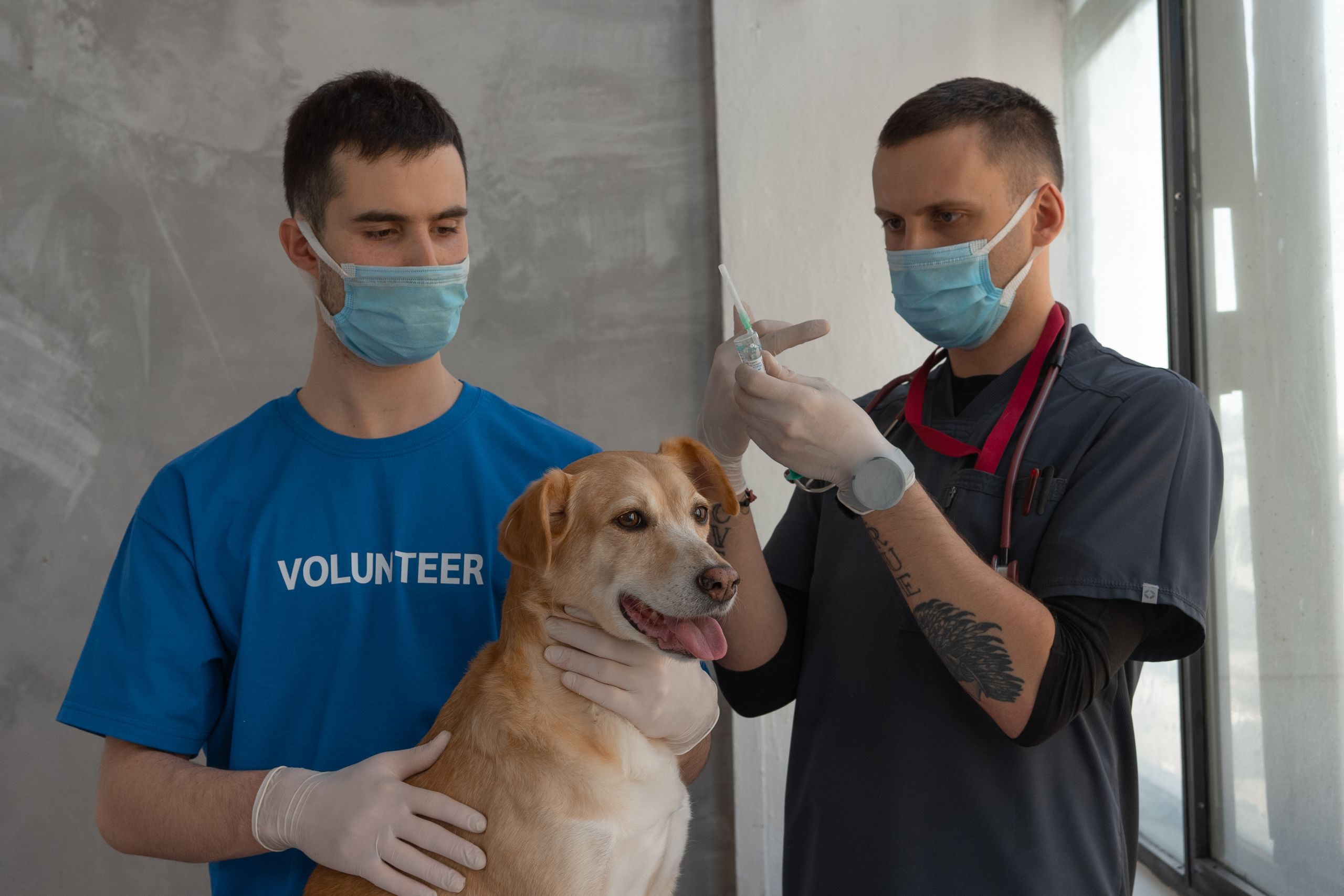
How to Become a Veterinary Assistant: Steps & Credentials
Learning how to become a veterinary assistant is the fastest way to start working with animals in a veterinary clinic. Veterinary assistants support veterinarians and veterinary technicians, handle and comfort animals, prepare exam rooms, take samples, and keep the clinic running smoothly. Unlike many animal-care careers, you do not need a degree to start, and many assistants are hired with no formal qualification at all and trained on the job. That makes this one of the most accessible entry routes into animal health care. This guide explains what the job involves, how it differs from a veterinary technician, the training and credentials worth getting, and how to turn a first assistant job into a long-term career.
Table of Contents
Quick Answer
Learning how to become a veterinary assistant usually requires a high school diploma or equivalent and a genuine comfort handling animals. Many clinics hire assistants with no formal training and teach them on the job.
To stand out, you can complete a short veterinary assistant program (typically a few months) or earn a recognised credential: the Approved Veterinary Assistant (AVA) from the National Association of Veterinary Technicians in America, or the Certified Veterinary Assistant (CVA) from the Texas Veterinary Medical Association, which is recognised in many states. Neither credential is legally required to work as an assistant, but either one improves your chances of being hired and can lead to higher pay. Experience matters most: volunteering at a shelter, working in a kennel, or completing a clinic externship all strengthen your application.
Veterinary Assistant vs Veterinary Technician: Know the Difference
This distinction matters, because the two roles are often confused and the career paths are very different. A veterinary assistant supports the veterinary team with hands-on animal handling, cleaning, preparation, and basic clinical tasks under supervision. A veterinary technician, by contrast, is a licensed professional who has completed a two-year accredited degree, passed a national exam, and can perform advanced tasks such as taking X-rays, placing IV catheters, monitoring anaesthesia, and running laboratory tests.
The simplest way to remember it: the veterinary assistant is the entry route with no degree required, while the veterinary technician is a licensed professional role that requires formal education. Assistants handle, restrain, feed, and comfort animals, clean and prepare rooms and equipment, collect basic samples, and help with front-desk work. Technicians do the more technical clinical work and work more independently under the veterinarian’s direction.
Pay reflects the difference. Technicians earn significantly more than assistants, but they also spent two years in college and passed a licensing exam to get there. The good news is that the two roles connect: many veterinary technicians started as assistants, discovered they loved the work, and then went on to technician training. Starting as an assistant is an excellent way to test whether animal medicine is right for you before committing to a degree. It also gives you practical experience that makes technician school easier if you decide to go further.
What Does a Veterinary Assistant Actually Do?
A veterinary assistant’s day is varied, physical, and often unpredictable. You will restrain animals during examinations and procedures, which means holding a nervous dog still for a blood draw or keeping a cat calm while the veterinarian listens to its heart. You will prepare exam rooms, sterilise instruments, and make sure supplies are stocked. You will feed and exercise animals that are staying in the clinic, monitor them after procedures, and keep careful notes on their condition.
You will also handle samples: collecting urine or faecal samples, labelling them correctly, and preparing them for the laboratory. In some clinics, assistants help with taking X-rays, running basic lab tests, and preparing animals for surgery — always under the supervision of a technician or veterinarian. You may also answer phones, book appointments, greet clients, and explain aftercare instructions to pet owners.
Much of the job is emotional as well as physical. You will comfort frightened animals and anxious owners. You will see animals recover, which is wonderful, and you will sometimes see animals that cannot be saved, which is hard. Compassion, patience, and the ability to stay calm when an animal is in pain or an owner is upset are essential. The work is also physical: lifting animals, standing for long periods, and working with animals that bite or scratch. If you love animals but cannot cope with the difficult days, this may not be the right career — and it is better to discover that through volunteering before you commit.
Step 1: Build Experience With Animals
Before you apply for a single job, get experience with animals. Employers hiring an assistant with no formal qualification will look first at whether you are comfortable around animals and whether you understand what the work involves. Volunteering at an animal shelter is the best starting point: you will handle many different animals, learn to read their body language, and show a future employer that you are serious. Kennels, stables, farms, and pet shops also count.
Volunteering also tests you honestly. Handling a frightened rescue dog, cleaning kennels in all weather, and coping with the emotional side of shelter work will tell you quickly whether this career suits you. If you enjoy it, you will have real experience to put on your CV. If you do not, you will have learned that cheaply, before investing in training.
While you volunteer, learn the basics: how to approach a nervous dog safely, how to hold a cat without stressing it, how to recognise signs of pain or illness, and how to keep yourself safe around unfamiliar animals. Your shelter supervisor can teach you most of this, and it is exactly the knowledge a clinic wants in a new assistant.
Step 2: Get a High School Diploma and Consider Formal Training
The minimum requirement for most veterinary assistant jobs is a high school diploma or GED. Beyond that, formal training is optional but valuable. Short veterinary assistant programs, offered by community colleges, technical schools, and online providers, typically take a few months and cover animal anatomy, medical terminology, handling and restraint, laboratory procedures, pharmacology basics, and clinic operations. Many include an externship — a supervised placement in a real clinic — which is often the most valuable part of the program, because it gives you experience and a reference from a working veterinarian.
When choosing a program, check three things. First, does it include an externship, and will the school help you find one? Second, does it prepare you for a recognised credential such as the AVA or CVA? Third, what do its graduates actually do afterwards — ask for employment figures, not just marketing claims. A program that costs a few hundred dollars and includes a clinic placement is usually a better investment than an expensive online course with no practical component.
Be cautious about programs that promise a quick, fully online qualification with no hands-on experience. Clinics hire people who can handle real animals confidently, and no amount of online study replaces that. If a program has no externship, arrange your own volunteer placement alongside it.
Step 3: Earn a Recognised Credential (AVA or CVA)
Two credentials are worth knowing about. The Approved Veterinary Assistant (AVA) is offered by the National Association of Veterinary Technicians in America (NAVTA). To earn it, you complete an approved training program and pass an exam. The AVA is recognised nationally and signals to employers that you have completed structured training and passed a standard assessment.
The Certified Veterinary Assistant (CVA) is offered by the Texas Veterinary Medical Association and is recognised in many states beyond Texas. It has levels: the first level can be earned after completing an approved course and passing an exam, with higher levels requiring work experience. Some employers specifically ask for the CVA, so check what clinics in your area prefer before choosing between the two.
Neither credential is legally required to work as a veterinary assistant — there is no licence for the role in most states, and requirements vary by state, so check your own state’s rules. But a credential makes your application stand out, especially when you are competing with candidates who have no training at all. It also tends to lead to slightly higher starting pay and faster promotion to senior assistant roles. Think of it as an investment of a few months that pays off for years.
Step 4: Apply for Your First Job
Veterinary assistant jobs are advertised on general job boards, veterinary-specific boards, clinic websites, and local notice boards. Small clinics often hire through word of mouth, so let every veterinarian, shelter worker, and animal professional you know that you are looking. Your externship or volunteer placement is often your best route in: clinics prefer to hire someone they have already seen working with animals.
In your application, emphasise animal-handling experience above everything else. List your volunteer work, your externship, and any kennel or shelter experience with specific details: the types of animals, the tasks you performed, and the number of hours. Mention your credential if you have one, your high school diploma, and practical skills such as handling nervous animals, cleaning and sterilisation, and basic record-keeping. A short cover letter that shows genuine enthusiasm for animal care matters more than a long list of unrelated jobs.
In interviews, expect practical questions: how would you handle a frightened dog, what would you do if a cat scratched you, how do you stay calm when an owner is upset? Answer with real examples from your volunteer or externship experience. Employers are testing judgement and temperament, not textbook knowledge. Be honest about what you do not know — clinics would rather train a willing beginner than manage an overconfident one. If you are new to job hunting in general, our guide on how to get a job with no experience covers applications, interviews, and first-job basics in detail.
Step 5: Grow in the Role and Plan Your Next Move
Once you are working, the learning continues. Ask technicians and veterinarians to teach you, volunteer for new tasks, and keep notes on procedures you want to master. Good assistants become invaluable to a clinic: they anticipate what the veterinarian needs, keep the workflow smooth, and calm the animals and owners who make the day harder. Clinics notice that, and senior assistants are often given more responsibility, better hours, and higher pay.
After a year or two, decide where you want to go next. Some assistants are happy to stay in the role long-term, especially in a clinic they love. Others move on to veterinary technician training, which takes about two years and leads to a licence, higher pay, and more clinical responsibility. Your assistant experience will make technician school much easier, because you will already know the clinic environment, the terminology, and the practical skills. Other paths include veterinary reception and practice management, animal behaviour, grooming, shelter management, and pharmaceutical or pet-food sales. There is no single right next step — but staying still without a plan is the one option that wastes the experience you are building.
Salary and Job Outlook
According to the U.S. Bureau of Labor Statistics, veterinary assistants earn a median annual wage of around $36,000 in the United States, with the lowest-paid tenth earning under $28,000 and the highest-paid tenth earning over $46,000. Pay varies by location, clinic size, and experience. Assistants with a credential and several years of experience earn more, and those in emergency or specialist clinics often earn more than those in small general practices. The BLS veterinary assistants page has the latest figures.
Employment is projected to grow much faster than average, at around 19% over the coming decade, driven by rising pet ownership and growing spending on animal health care. That is one of the strongest growth rates in health care support work. The field has many openings, but it also has high turnover, because the pay is modest and the emotional demands are real. Go in with realistic expectations: this is a career you choose because you love animals, not because it makes you rich. The reward is daily work with animals and a clear path to higher-paid roles if you keep training.
Common Mistakes to Avoid
The first mistake is confusing the assistant role with the technician role and expecting technician pay or responsibilities. Understand the difference before you apply, and be honest with yourself about whether you want to invest in technician training later or are happy as an assistant.
The second mistake is paying for an expensive training program with no externship. Hands-on clinic experience is what employers value. A cheap course plus volunteer shelter work will usually beat an expensive online-only course in a hiring manager’s eyes.
The third mistake is neglecting your own safety. Learn proper lifting technique, always follow the clinic’s safety rules for handling aggressive animals, and report bites and scratches promptly. A career with animals is a physical career, and looking after yourself is part of doing the job well.
The fourth mistake is underestimating the emotional side. You will see animals suffer and sometimes die, and owners grieve. If you bottle that up, you will burn out. Talk to colleagues, use the support your clinic offers, and accept that feeling sad about an animal is normal, not a weakness.
The fifth mistake is treating the assistant job as a dead end. It is only a dead end if you stop learning. Keep building skills, consider the AVA or CVA, and plan your next qualification while you are still gaining experience. The assistants who progress are the ones who keep moving.
Your Checklist: Becoming a Veterinary Assistant
- Earn a high school diploma or GED.
- Volunteer at an animal shelter or kennel to gain hands-on experience.
- Consider a short veterinary assistant program that includes a clinic externship.
- Earn the AVA or CVA credential to stand out to employers.
- Check your state’s rules — most states do not licence assistants, but confirm this locally.
- Apply to clinics, using your externship and volunteer contacts as well as job boards.
- Learn continuously on the job and build a reputation for reliability and calm handling.
- Decide within a year or two whether to stay, specialise, or train as a veterinary technician.
Conclusion
Learning how to become a veterinary assistant is one of the most accessible routes into animal health care. No degree is required, training takes months rather than years, and clinics are hiring. The work is physical, emotional, and genuinely rewarding for people who love animals. Start with volunteer experience, add a short training program and a recognised credential if you can, and use your first clinic job as the foundation for a longer career — whether that means becoming a senior assistant or going on to train as a veterinary technician. If animals are your passion, this is a practical first step into a field where your work matters every day.
Frequently Asked Questions
Do you need a degree to become a veterinary assistant?
No. Most veterinary assistant jobs require only a high school diploma or GED. Many assistants are hired with no formal training and learn on the job. A short training program and a credential such as the AVA or CVA improve your chances of being hired, but they are not legally required in most states.
What is the difference between a veterinary assistant and a veterinary technician?
A veterinary assistant supports the clinic team with handling, preparation, and basic tasks, and needs no degree. A veterinary technician has completed a two-year accredited degree, passed a national exam, and is licensed to perform advanced clinical tasks such as anaesthesia monitoring and X-rays. Technicians earn more, but the training is longer.
How long does it take to become a veterinary assistant?
You can start learning how to become a veterinary assistant with no training at all if a clinic is willing to train you. A formal training program typically takes a few months, and earning the AVA or CVA credential adds exam preparation time. Most people can be working in a clinic within three to six months of deciding to pursue the role.
How much do veterinary assistants earn?
The median annual wage in the United States is around $36,000, according to the U.S. Bureau of Labor Statistics, with experienced or credentialed assistants earning more. Pay is modest, but the role is a stepping stone to higher-paid veterinary technician work.
Is being a veterinary assistant a good career?
It is a good entry point into animal health care, with strong job growth and daily work with animals. The pay is modest and the work is emotionally demanding, so it suits people who love animals and want a practical start. Many assistants go on to train as veterinary technicians for higher pay and more responsibility.
Starting out in a new field can feel daunting, but choosing the right path early makes a real difference. If you are still deciding which direction to take, our guide on how to choose a career path can help you weigh your options.