How to Become a Surgical Technologist: Training & CST Exam
If you want to know how to become a surgical technologist, you are looking at a hands-on healthcare career that puts you at the centre of the operating room. Surgical technologists — often called surgical techs or scrub techs — prepare operating rooms, sterilise instruments, and hand surgeons the tools they need during operations. They are the people who make sure every procedure runs safely and smoothly, and without them surgery simply could not happen.
Training usually takes one to two years, and the work is steady, skilled, and respected.
This is not a job for everyone. It demands focus, calm under pressure, and comfort with blood, long hours on your feet, and strict sterile technique. But for the right person it is deeply satisfying: you are part of a team that changes patients’ lives every day, and you see the direct results of your work. This guide covers the full path — accredited programs, clinical training, the CST exam, state rules, and what the job really looks like.
Table of Contents
Quick Answer
To become a surgical technologist, complete a CAAHEP-accredited surgical technology program — usually a certificate taking about a year or an associate degree taking about two years — then pass the Certified Surgical Technologist (CST) exam from the National Board of Surgical Technology and Surgical Assisting. Complete your clinical training hours in a real operating room, apply for hospital and surgical centre roles, and check your state’s rules, because requirements vary by state. Follow these steps to learn how to become a surgical technologist.
What Does a Surgical Technologist Do?
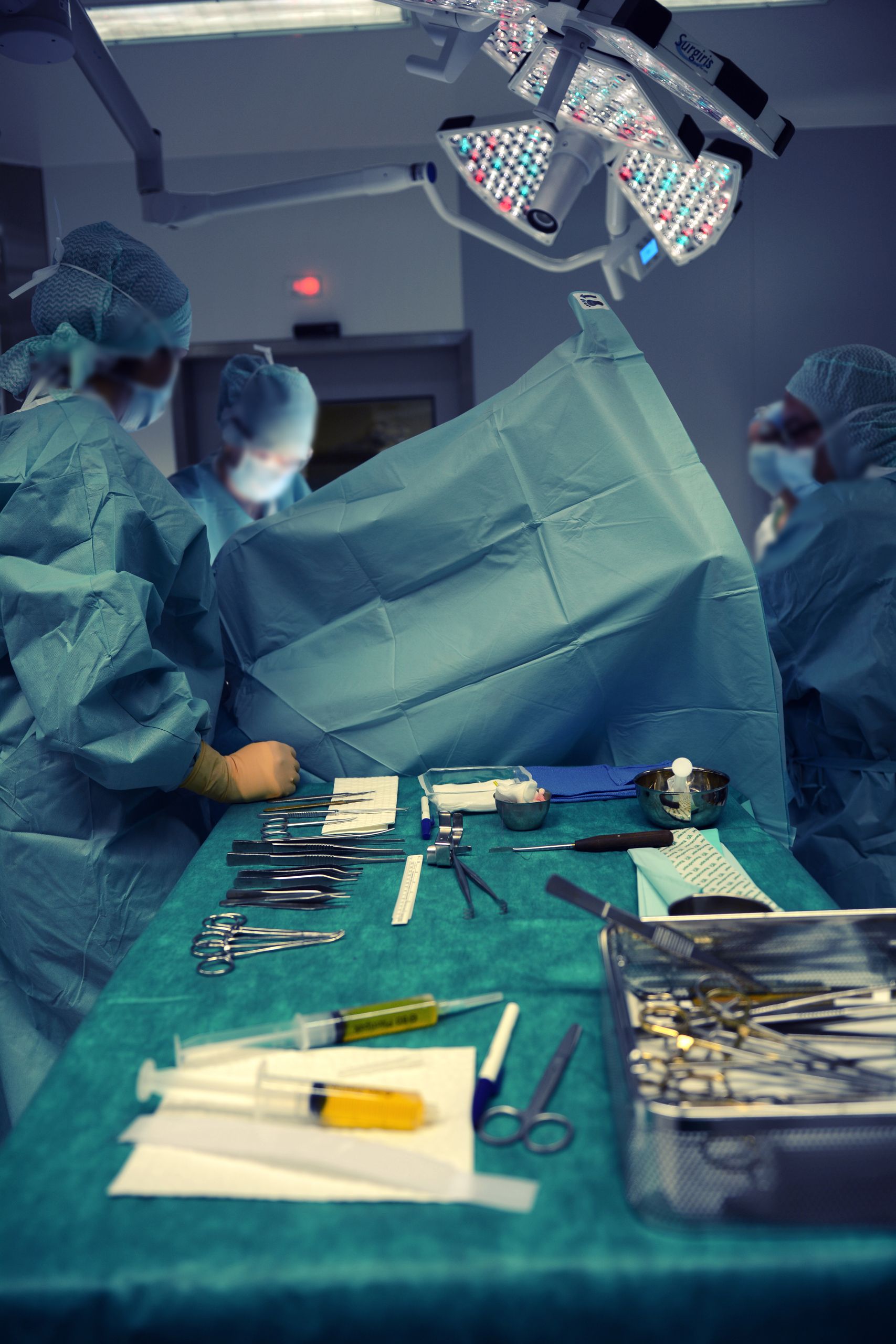
A surgical technologist’s work falls into three phases: before, during, and after surgery. Before an operation, you prepare the operating room, check that all equipment works, and set up the sterile field — the area where instruments and supplies must stay completely free of germs. You gather, count, and arrange the instruments and supplies the surgeon will need, and you prepare the patient by washing and draping the surgical site. You also make sure the patient is positioned safely and that the team has everything it needs.
During surgery, you work as the “scrub” member of the team. You pass instruments, sponges, and sutures to the surgeon, often anticipating what they need before they ask. You hold retractors, handle specimens for laboratory testing, and keep track of every item used so that nothing is left inside the patient. You watch the sterile field constantly and speak up immediately if anything breaks sterility. This part of the job needs fast hands, a sharp memory, and total concentration.
After surgery, you help dress the wound, clean and restock the operating room, count instruments again, and prepare used instruments for sterilisation. You also help move the patient to recovery and complete the documentation for the case. Between cases, you restock supplies, check equipment, and prepare for the next patient. A busy operating room may run several cases back to back, so the pace can be intense.
Surgical technologists also work in the “circulating” role in some settings, which means staying outside the sterile field, fetching extra supplies, handling paperwork, and helping the team. Many techs do both roles at different times, depending on the hospital’s needs.
Where Surgical Technologists Work
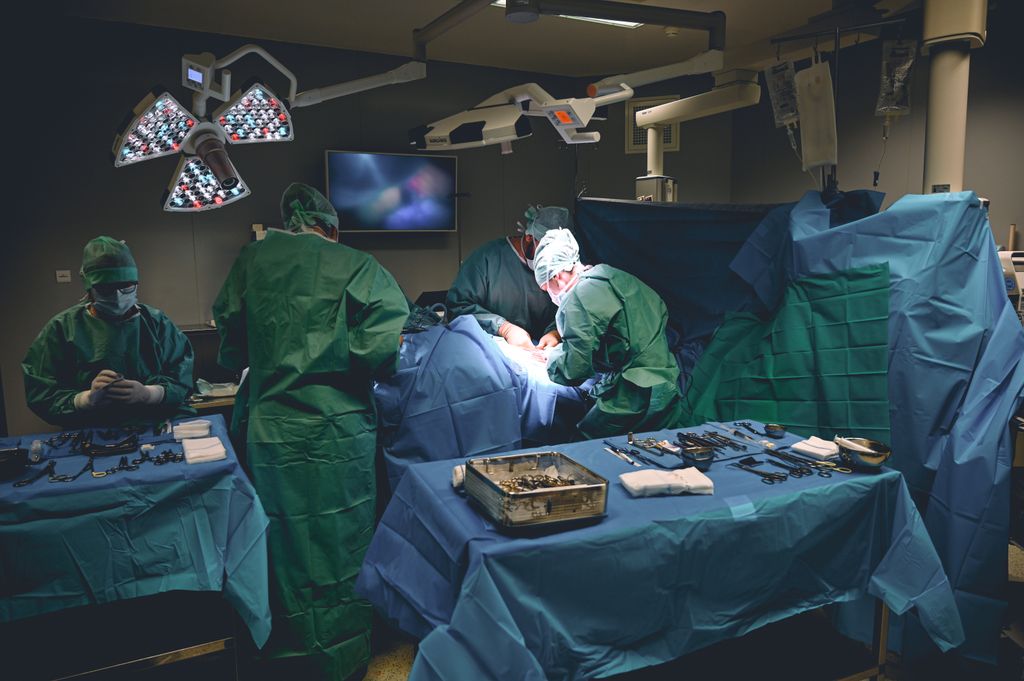
Most surgical technologists work in hospitals, which perform the widest range of operations and employ the largest number of techs. Others work in outpatient surgery centres, where patients go home the same day after routine procedures such as cataract surgery, hernia repair, or orthopaedic work. Some work in doctors’ offices that have their own procedure rooms, in dental surgery practices, or for organ procurement organisations.
The setting changes the job. A large hospital offers variety: general surgery, orthopaedics, neurosurgery, cardiac surgery, and emergency cases, often on a shift pattern that includes nights, weekends, and on-call hours. An outpatient centre usually offers more regular daytime hours and a predictable schedule, but less variety. Both settings need the same core skills, and many techs start in a hospital to build broad experience and later move to an outpatient centre for the hours.
Step 1: Check the Requirements in Your State
Requirements for surgical technologists vary by state, so check before you enrol. Some states require surgical technologists to hold certification or to have graduated from an accredited program before they can work in a hospital. Others have no state-level requirement, and employers set their own standards — which in practice usually means graduation from a CAAHEP-accredited program and the CST credential.
Check your state health department or licensing board’s official website, and read real job listings in your area to see what employers actually require. Even if your state does not require certification, earning the CST credential is strongly recommended: it proves your competence, it is required by many hospitals, and it makes you employable in any state if you move later.
Step 2: Meet the Entry Requirements
Most surgical technology programs ask for a high school diploma or equivalent. Many also require prerequisite courses, commonly human anatomy and physiology, microbiology, medical terminology, and basic maths and English. Some programs ask for a minimum grade point average in these courses, and competitive programs may have more applicants than places.
If you are leaving school, take the science prerequisites seriously — anatomy and microbiology are the foundation of the whole course, and students who struggle with them early often struggle throughout. If you already have a degree or healthcare experience, check whether any of your earlier courses count towards the prerequisites, because that can shorten your path.
You will also usually need to pass a background check and a drug screening before your clinical placements, because you will be working with patients in a hospital. Some programs ask for proof of immunisations, a health check, and basic life support certification before you start. Find out early so nothing delays your start date.
Step 3: Choose a CAAHEP-Accredited Program
This is the most important choice in your training. CAAHEP — the Commission on Accreditation of Allied Health Education Programs — accredits surgical technology programs, and graduating from an accredited program is the standard route to the CST exam and to most jobs.
There are two main formats. A certificate or diploma program usually takes about 12 months of full-time study and is the fastest route into work. An associate degree usually takes about two years and includes general education courses alongside the surgical training. The associate degree can help later if you want to move into teaching, management, or a related healthcare role, or if you plan to study further. The certificate is the better choice if you want to start earning as quickly as possible.
When you compare programs, look at the figures that matter: the graduation rate, the CST exam pass rate, and the job placement rate. Accredited programs publish these, and a good program will share them openly. Ask how many clinical hours you get, which hospitals you will train in, and how much hands-on scrub time you get before graduation. Ask about the lab: does it have a real operating room setup, and how many students share each station? A program with a well-equipped lab and strong hospital partnerships produces graduates who are ready to work on day one.
Check the cost carefully, and confirm current tuition directly with the school, because prices vary widely between public community colleges and private schools. A community college program is often far cheaper and just as good as a private one. Be wary of expensive programs that promise a faster route without CAAHEP accreditation — their graduates may not be eligible for the CST exam, which closes off most hospital jobs.
If you are weighing this career against other options, our guide to career options after graduation can help you compare healthcare training routes side by side.
Step 4: Complete the Program
A surgical technology program combines classroom study with laboratory practice and clinical placements. In class you study anatomy and physiology, microbiology, pharmacology, medical terminology, surgical procedures, and the principles of sterile technique. You learn the names and uses of hundreds of instruments, the steps of common operations, and how to respond when something goes wrong.
In the lab you practise setting up a sterile field, gowning and gloving, passing instruments, and preparing for mock procedures. This is where your hands learn the work. Repetition matters: in a real operation you need to pass the right instrument without thinking, and that speed only comes from practice. Treat every lab session as real, because the habits you build there are the ones you will rely on in the operating room.
Your clinical placement is the heart of the training. You will spend hundreds of hours in a real hospital operating room, first observing, then assisting, and finally scrubbing in on real cases under supervision. You will see a wide range of surgeries, work with different surgeons and nurses, and learn how a real team functions under pressure.
You must complete a minimum number of surgical cases across different specialties — general, orthopaedic, obstetric, and others — before you graduate, so keep accurate records of every case you scrub.

Step 5: Pass the CST Exam
The Certified Surgical Technologist (CST) exam is run by the National Board of Surgical Technology and Surgical Assisting (NBSTSA). It is the main national credential for surgical technologists, and it is required by many hospitals and by some states.
Graduates of CAAHEP-accredited programs are eligible to sit the exam. You apply through the NBSTSA, submit proof of graduation, pay the exam fee, and book a test at an approved centre. Check the current fee and application rules on the official NBSTSA website before you apply, because details change.
The exam covers perioperative care, sterile technique, surgical procedures, anatomy and physiology, microbiology, pharmacology, and professional practice. It is a multiple-choice exam taken on a computer, and it tests both knowledge and judgment — for example, what to do when sterility is broken, or which instrument a surgeon needs next in a specific procedure. Prepare with a dedicated review book and practice tests, and study in the weeks after your program ends, while the material is still fresh. Many programs build exam preparation into the final weeks of the course.
Once you pass, you earn the CST credential. You must keep it current by completing continuing education and renewing on schedule, so plan for that from the start. Some techs also go on to earn the Certified Surgical First Assistant (CSFA) credential later, which allows them to assist the surgeon more directly and usually pays more, but that requires additional training and experience.
Step 6: Find Your First Job
Most new surgical technologists find their first job in a hospital, often in the same hospital where they did their clinical placement. Hospitals know their students, and a good placement can lead directly to a job offer. Apply early in your final semester, and tell your clinical supervisors that you are looking — they are often the first to hear about openings.
Your resume should list your program, your CST credential or your exam date, the number and types of surgical cases you completed, and the hospitals where you trained. Employers want to know what procedures you have scrubbed and how independently you can work. Be honest about your experience level: hospitals expect new graduates to need a period of supervised work, and they value honesty over exaggeration.
Be flexible about shifts for your first role. Operating rooms often run early mornings, late evenings, weekends, and on-call rotations. A willingness to take the shifts others avoid can get you hired faster and build your experience quickly. After a year or two, you will have far more choice about your schedule and setting.
Salary and Career Outlook
Surgical technologist pay varies by location, employer, and experience, and shift differentials for nights, weekends, and on-call work can add to earnings. For current, authoritative figures, see the U.S. Bureau of Labor Statistics page for surgical technologists, which publishes national wage and employment data. The BLS also reports the occupation’s growth outlook, which has been steady, driven by advances in surgery and an ageing population that needs more operations.
Career progression is available. Experienced surgical technologists can become lead techs, supervisors, or operating room managers. Some specialise in a demanding area such as neurosurgery or cardiac surgery, where expertise is valued and paid accordingly. Others move into teaching, training new students in a college or hospital program. The CSFA route opens up first-assistant work, and some techs use their experience as a stepping stone into nursing, physician assistant studies, or other healthcare careers. The operating room experience you build as a tech is valuable in all of these paths, and the most in-demand skills in healthcare increasingly include the teamwork, sterile technique, and calm under pressure that surgical technologists practise every day.
Common Mistakes to Avoid
Choosing an Unaccredited Program
This is the biggest and costliest mistake. Without a CAAHEP-accredited program, you may not be eligible for the CST exam, and most hospitals will not hire you. Verify accreditation on the official CAAHEP website before you enrol.
Treating Sterile Technique as a Formality
Sterile technique is not a classroom exercise — it is what keeps patients safe from infection. Students who cut corners in the lab carry those habits into the operating room. Learn it properly, practise it every time, and take it seriously from day one.
Delaying the CST Exam
Graduates who put off the exam often find it harder to pass later, because the knowledge fades, and they also delay their job search, because many hospitals require the credential. Take the exam as soon as you are eligible.
Underestimating the Physical Demands
Surgical technologists spend long hours standing, wear heavy lead aprons for some procedures, and work in a warm, bright environment. You need good stamina, a strong back, and comfortable shoes. If you have a physical limitation, talk to a working tech about how the job affects them before you commit.
Ignoring the Emotional Side
Operations do not always go well. Patients can deteriorate, and sometimes they die. The operating room team has to keep working through it. This is part of the job, and it affects people differently. Talk to experienced techs about how they cope, and be honest with yourself about whether you can handle it.
Getting Started Checklist
- Check your state’s rules for surgical technologists and certification requirements
- Complete prerequisite courses in anatomy, physiology, microbiology, and medical terminology
- Research CAAHEP-accredited programs and compare pass rates, costs, and clinical placements
- Verify accreditation on the official CAAHEP website before enrolling
- Complete the program, logging every surgical case you scrub
- Prepare for and pass the CST exam as soon as you are eligible
- Apply for hospital and surgical centre roles, using your clinical placement contacts
- Keep your CST credential current with continuing education
Conclusion
Becoming a surgical technologist takes one to two years of focused training, hundreds of hours in a real operating room, and a national certification exam — and it leads to a skilled, essential role at the heart of modern surgery. The path is straightforward: check your state’s rules, complete your prerequisites, choose a CAAHEP-accredited program, finish your clinical training, and pass the CST exam.
Treat sterile technique as sacred, take the exam while the material is fresh, and use your clinical placement as the launchpad for your first job. If you are calm under pressure, good with your hands, and want work that genuinely matters, surgical technology is a career worth pursuing. Start by comparing accredited programs in your area this week. That is how to become a surgical technologist — one step at a time.
FAQ
How long does it take to become a surgical technologist?
A certificate program usually takes about 12 months of full-time study, while an associate degree takes about two years. The exact time depends on the program and on whether you have already completed prerequisite courses. Both routes lead to the same CST exam, provided the program is CAAHEP-accredited. Learning how to become a surgical technologist starts with choosing the right programme.
Do I need to be certified to work as a surgical technologist?
It depends on your state, but most hospitals require or strongly prefer the CST credential, and some states require it by law. Even where it is not legally required, certification makes you far more employable. Plan to take the CST exam after graduation regardless of your state’s rules.
What is the difference between a surgical technologist and a surgical assistant?
A surgical technologist prepares the operating room and passes instruments to the surgeon during the operation. A surgical first assistant works more directly with the surgeon, for example by holding tissue, controlling bleeding, and closing wounds. First assistants need additional training and certification, and the role usually pays more.
Is surgical technology a stressful job?
It can be. Operating rooms are high-pressure environments, cases can run long, and the consequences of a mistake are serious. Many technologists find the work deeply satisfying despite the pressure, because they are part of a skilled team doing important work. Good training, strong teamwork, and a calm temperament make the pressure manageable.
Can I become a surgical technologist with no healthcare experience?
Yes. Most programs accept students with no healthcare background, provided you meet the entry requirements and complete the prerequisites. Clinical placements are designed to take you from beginner to job-ready. Previous healthcare experience helps, but it is not required.