How to Become a Personal Trainer: Certifications & Steps
If you want to know how to become a personal trainer, you are looking at a career that turns a love of fitness into a living. Personal trainers design exercise programs, coach clients one to one, and help people get stronger, healthier, and more confident. It is active, social, people-focused work, and you do not need a university degree to start. Most people qualify in a few months, and the work is flexible: you can work in a gym, train clients in their homes, work online, or build your own business.
But it is also a career that rewards professionalism. The fitness industry has a low barrier to entry, which means anyone can call themselves a trainer — but clients, gyms, and insurers look for a recognised certification, real coaching skill, and a track record of results. This guide covers the full path: the qualifications you need, a detailed comparison of the three biggest certifications — NASM, ACE, and ISSA — the costs involved, and how to get your first paying clients.
Table of Contents
Quick Answer
If you are wondering how to become a personal trainer, get a recognised certification from NASM, ACE, or ISSA, complete a CPR and AED course, and gain practical coaching experience. Most people study for three to six months, pass the certification exam, and then start work in a gym or with private clients. Check your state’s rules, because requirements vary by state, and confirm current certification prices on the official NASM, ACE, or ISSA website before you enrol, because they change regularly.
What Does a Personal Trainer Do?
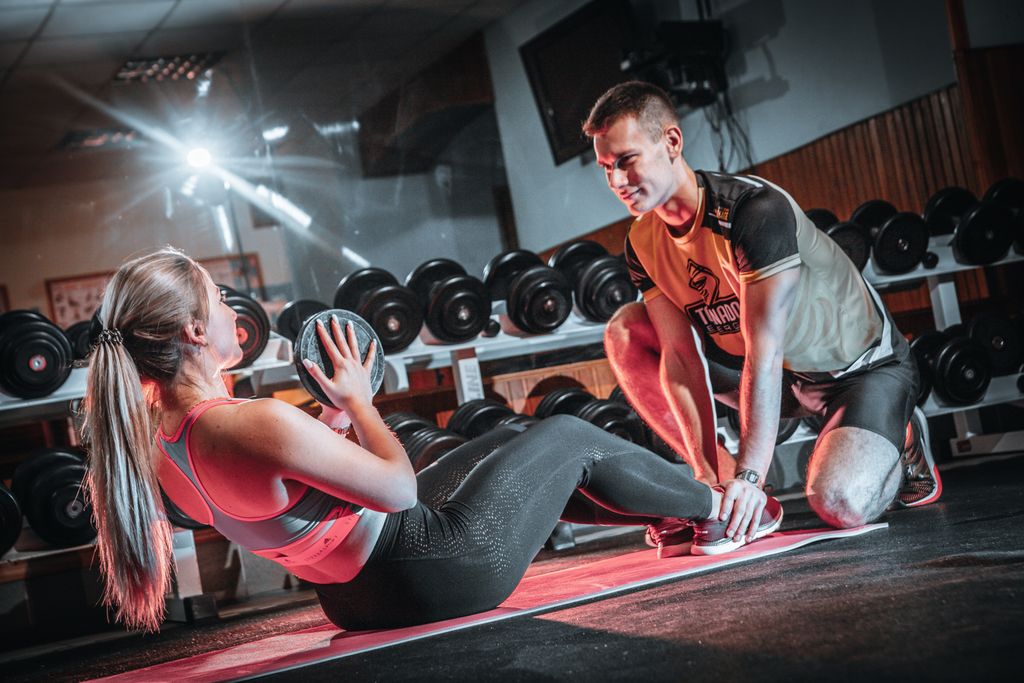
A personal trainer’s job is to help clients reach their fitness goals safely and effectively. That starts with an assessment: you talk to the client about their goals, health history, injuries, and lifestyle, and you test their current fitness level. Then you design a program — a mix of strength training, cardio, mobility, and sometimes nutrition guidance — and you coach them through it, session by session.
Coaching is more than counting repetitions. You teach correct exercise technique, adjust the program as the client progresses, keep them motivated when enthusiasm fades, and know when to push and when to back off. You also track results, update the program regularly, and communicate clearly between sessions. Many trainers also run small group sessions, online coaching, or specialist programs such as weight loss, strength training for older adults, or sport-specific conditioning.
The work is varied. A morning might involve a 6 a.m. session with a busy executive, a midday session with a new mother returning to exercise, and an evening session with a teenager training for a sport. You need to adapt your communication style for each person, remember their goals and limitations, and make every session feel personal. Trainers who do this well build loyal clients who stay for years and refer their friends.
Step 1: Check the Requirements in Your State
Personal training is not licensed in the same way as healthcare professions, and in most places there is no legal requirement to hold a specific qualification. But that does not mean you can skip certification. Gyms and insurance companies almost always require a recognised certification before they will hire you or cover you, and some states and local authorities have their own rules about who can offer fitness services, especially when working with children, older adults, or people with medical conditions.
Check your state’s rules before you start, and check the requirements of the gyms you want to work in. Even where the law asks for nothing, employers will ask for a certification from a recognised body, a current CPR and AED certificate, and proof of professional liability insurance. Meeting those standards from the start is what separates a professional trainer from a hobbyist.
Step 2: Build Your Own Fitness Foundation
Before you train others, you should be comfortable in a gym yourself. You do not need to be an elite athlete, but you do need practical experience with the main exercises: squats, deadlifts, presses, rows, and the common cardio and mobility work. Clients will copy what you do, so your own technique needs to be correct.
Spend time learning the basics before you enrol in a certification course. Train regularly, read about exercise science, and if you can, work with a qualified trainer yourself for a few sessions so you can see good coaching from the client’s side. That experience teaches you things no textbook can: how it feels to be corrected, how a good coach explains a movement, and how a session should flow. That first-hand experience is invaluable when you are learning how to become a personal trainer.
Step 3: Choose Your Certification — NASM vs ACE vs ISSA
Choosing a certification is the biggest decision in this career, and the three most widely recognised options in the United States are NASM, ACE, and ISSA. All three are respected, all three can get you hired, and all three require you to pass an exam and hold a current CPR and AED certificate. But they differ in focus, study style, cost, and reputation with employers.
NASM — National Academy of Sports Medicine
NASM is known for its science-heavy, corrective-exercise approach. Its certification is built around the Optimum Performance Training model, which teaches you to assess a client’s movement, correct imbalances, and progress them through structured phases. NASM is particularly strong if you want to work with clients who have movement problems, past injuries, or postural issues, and it is very widely recognised by gyms and employers across the United States.
The study material is detailed and academic, so it suits people who enjoy learning the science behind exercise. NASM certification is accredited by the National Commission for Certifying Agencies (NCCA), which is the gold standard for fitness certifications and the reason most employers accept it without question. The course is usually self-paced online, with an exam at the end, and most people take three to six months to prepare.
ACE — American Council on Exercise
ACE is the largest nonprofit fitness certification body in the United States, and it is known for its practical, client-centred approach. The ACE course focuses on behaviour change, communication, and working with real clients — including beginners, older adults, and people with common health conditions. It is an excellent choice if you want to work in a commercial gym or a community fitness setting, where your clients will be ordinary people rather than athletes.
Like NASM, the ACE personal trainer certification is NCCA-accredited, so it is accepted by gyms across the country. The study material is clear and well organised, and many people find it more approachable than NASM’s science-heavy content. ACE also offers a strong range of specialist courses you can add later, such as health coaching, behaviour change, and training older adults.
ISSA — International Sports Sciences Association
ISSA is known for its flexible, self-paced online learning and its business-focused content. The ISSA course covers exercise science and program design, but it also includes practical guidance on building a training business, marketing yourself, and working with clients online. That makes it a good choice if you plan to be self-employed or to coach online.
ISSA is accredited by the Distance Education Accrediting Commission, and it is recognised by many gyms, although some large gym chains specifically prefer NASM or ACE. ISSA often includes extra materials in its packages, such as nutrition courses or business courses, which can be good value. Its open-book exam format is different from NASM and ACE, and some employers see that as less rigorous, so check what your target gyms accept before you choose.
Which One Should You Choose?
If you want the widest acceptance and plan to work in a large gym chain, NASM or ACE is usually the safest choice, because both are NCCA-accredited and recognised everywhere. If you are drawn to corrective exercise and working with clients who need careful movement coaching, NASM fits best. If you want a practical, client-centred course and plan to work with general population clients, ACE fits best. If you plan to be self-employed, coach online, or want a flexible course with business content included, ISSA is worth a serious look.
Whatever you choose, confirm the current price on the official website before you enrol. Certification costs vary by package and change regularly, and the price you see quoted in a blog post may be out of date. Ask what the price includes — study materials, exam fees, retake options, and any extra courses — so you can compare packages fairly. Also check whether the certification requires renewal, because all three need continuing education and a renewal fee to stay current.
Step 4: Complete CPR and AED Training
Every recognised certification requires you to hold a current CPR and AED certificate before you can sit the exam or receive your qualification. This is not a formality. As a trainer you may be the first person to respond if a client collapses, has a heart problem, or is injured during a session. Gyms and insurers require it for exactly that reason.
Take an in-person CPR and AED course from a recognised provider such as the American Heart Association or the American Red Cross. Online-only courses are often not accepted, so check the requirements of your certification body before you book. Keep your certificate current — it usually needs renewing every two years — and keep a copy with you at work.
Step 5: Study and Pass the Exam
Most people need three to six months to prepare for a personal trainer exam, studying for several hours a week. The exam covers anatomy, physiology, exercise science, program design, nutrition basics, client assessment, and professional practice. It is a multiple-choice exam, taken either online with a proctor or at a testing centre, depending on the certification body.
Study actively, not passively. Read the material, take the practice tests, and — most importantly — apply what you learn in the gym. Try the assessments on yourself and on willing friends. Practise designing programs for different goals. The exam tests whether you can use the knowledge, not just repeat it, so practical application is the best preparation.
If you fail an exam, do not give up. Most certification bodies allow retakes, usually for a fee, and many trainers pass on their second attempt after focused revision. Find out which topics you scored lowest on and study those first.
Step 6: Gain Practical Experience
A certificate proves you passed an exam. Experience proves you can coach real people. Get it as soon as you can, even before you are fully certified, by shadowing a working trainer, volunteering at a community gym, or coaching friends and family for free in exchange for feedback.
Many gyms hire newly certified trainers into floor roles, where you supervise the gym floor, help members with equipment, and run small group sessions. This is an excellent first job: you meet potential clients every day, you practise coaching in short bursts, and you learn how a gym works. From there, you can move into one-to-one personal training as clients ask for you by name.
Consider a specialist course once you have some experience. Popular options include strength and conditioning, training older adults, pre- and postnatal exercise, corrective exercise, and nutrition coaching. Specialisation lets you charge more, stand out from other trainers, and work with the clients you enjoy most.
Step 7: Get Insured and Start Working
Before you take on paying clients, get professional liability insurance. It protects you if a client is injured and claims your coaching caused it. Many gyms include insurance for employed trainers, but self-employed trainers must arrange their own. Check what your policy covers, including whether it covers online coaching if you plan to offer it.
Then choose your working model. Working for a gym gives you a steady flow of clients, a ready-made facility, and a regular income, but the gym takes a share of what clients pay. Working independently gives you more control and more income per client, but you must find your own clients, pay for your own facility or rent gym space, and handle your own marketing and administration. Many trainers start employed and go independent once they have a client base.
Finding Your First Clients
Getting clients is the hardest part of the early career, and it is where many good trainers struggle. The work itself is only half the job — the other half is marketing yourself.
Start with the people around you. Offer a free trial session or a short introductory package to friends, family, and gym members. Ask every happy client for a testimonial and, when the time is right, for a referral. Word of mouth is the most powerful marketing a trainer has, and it compounds over time.
Be visible in the gym. Talk to members, offer to help with their form, and run a free workshop or a short group class. People hire trainers they know and trust, and being helpful and approachable on the gym floor is how you become known. Use social media honestly: post short, useful content — exercise tips, client progress stories with permission, and simple explanations of what you do — rather than constant sales posts.
Set your prices by researching what trainers in your area charge for similar services. New trainers often undercharge badly, hoping low prices will win clients. They usually win the hardest clients instead. A fair beginner rate, raised as your experience and demand grow, is a better strategy. Be clear about what clients get for the price: session length, program design, messaging support, and any extras.
Salary and Career Outlook
Personal trainer income varies enormously, because it depends on how many clients you have, what you charge, and whether you are employed or self-employed. Employed trainers earn a wage or salary plus commission on sessions, while self-employed trainers keep more per session but must cover their own costs and find their own clients. Location matters too: trainers in large cities usually charge more than trainers in small towns.
For current, authoritative employment data, see the U.S. Bureau of Labor Statistics page for fitness trainers and instructors, which publishes national wage and job growth figures. The BLS reports steady growth for the occupation, driven by rising interest in health and fitness, and the most in-demand skills in the fitness industry increasingly include coaching, communication, and the ability to work with a wide range of clients, including older adults and people with health conditions.
Career progression is real. Experienced trainers can become senior trainers, gym managers, or fitness directors. Some open their own studio. Others move into online coaching, which lets them work with clients anywhere. Some specialise in a niche — such as strength training, sports performance, or rehabilitation support — and build a reputation that lets them charge premium rates. A few move into teaching, writing, or presenting at fitness conferences.
Common Mistakes to Avoid
Choosing a Certification Your Target Gym Does Not Accept
Before you pay for a course, ask the gyms you want to work in which certifications they accept. A certification that is not recognised by your target employer is wasted money, however good the course is.
Skipping the Business Skills
Many trainers are excellent coaches and poor businesspeople. They do not track their income, they have no system for following up with clients, and they never raise their prices. Learn the basics of pricing, scheduling, and client management early — it is what turns coaching into a career.
Training Clients Like Yourself
A program that works for a fit 25-year-old will not work for a 60-year-old beginner with a knee problem. The skill of a good trainer is adapting the program to the person in front of you, not imposing your own preferences on them.
Neglecting Continuing Education
Fitness science changes, and certifications expire. Trainers who stop learning fall behind. Keep up with continuing education, read current research, and renew your certification on time.
Burning Out on Hours
Personal training often means early mornings, late evenings, and split shifts, because clients train before and after work. Protect your own health: schedule breaks, limit the number of back-to-back sessions, and keep time for your own training. A burned-out trainer helps no one.
If you are still deciding whether fitness is the right career for you, our guide on how to choose a career path can help you weigh it against your other options before you spend money on certification.
Getting Started Checklist
- Check your state’s rules and the certification requirements of gyms you want to work in
- Build your own practical gym experience and correct exercise technique
- Compare NASM, ACE, and ISSA, and confirm current prices on the official websites
- Enrol in your chosen certification and study for three to six months
- Complete an in-person CPR and AED course from a recognised provider
- Pass your certification exam and keep your certificate current
- Gain practical experience by shadowing a trainer or working a gym floor role
- Get professional liability insurance before taking paying clients
- Offer trial sessions, collect testimonials, and ask for referrals to build your client base
Conclusion
Becoming a personal trainer takes a few months of study, a recognised certification, and a lot of practical coaching — and it leads to a flexible, active career where your work directly changes people’s lives. The path is clear: check your state’s rules, build your own fitness foundation, choose the certification that fits your goals — NASM for corrective exercise, ACE for practical client-centred coaching, or ISSA for a flexible, business-focused route — and confirm current prices on the official websites before you enrol. Pass the exam, get your CPR certificate, gain real coaching experience, and then build your client base one happy client at a time. If you love fitness and enjoy helping people, personal training is a career worth building. Start by comparing the three certifications this week.
FAQ
How long does it take to become a personal trainer?
Most people learning how to become a personal trainer take three to six months to study for and pass a certification exam from NASM, ACE, or ISSA, studying part time. The time depends on your background, how many hours a week you study, and whether you already have gym experience. You can start working in a gym once you are certified and hold a current CPR and AED certificate.
Do I need a degree to become a personal trainer?
No, you do not need a university degree. Most employers require a recognised certification, a current CPR and AED certificate, and liability insurance. A degree in exercise science or a related field can help with advanced roles, but it is not required to start.
Which is better: NASM, ACE, or ISSA?
It depends on your goals. NASM is strongest for corrective exercise and movement assessment. ACE is strongest for practical, client-centred coaching with general population clients. ISSA is strongest for flexible online study and business skills for self-employed trainers. All three are widely recognised, but check which certifications your target gyms accept before you choose.
How much does personal trainer certification cost?
Costs vary by certification body and package, and they change regularly. Always confirm the current price on the official NASM, ACE, or ISSA website before you enrol, and check what the price includes, such as study materials, exam fees, and retake options. Budget separately for your CPR and AED course and for liability insurance.
Can I become a personal trainer with no experience?
Yes, but you will need to build experience quickly. Start by training regularly yourself, shadowing a working trainer, and coaching friends and family. Many gyms hire newly certified trainers into floor roles, which is an excellent way to gain experience and meet future clients. Experience matters as much as the certificate.