
Best Delivery Driver Jobs: Pay, Hours and Vehicle Rules Explained
Quick Answer
The best delivery driver jobs are not always the ones with the biggest headline rate. They are the roles where pay is clear, routes are realistic, and costs do not quietly eat your earnings. A steady hourly wage, paid fuel, and a safe vehicle often beat a higher per-drop rate that leaves you unpaid while you wait.
For most people, the strongest options are employed parcel routes, grocery delivery, and light truck work. Food delivery and gig work can fit around other commitments. Specialist courier work can pay well for careful, trusted drivers. Each model suits a different life, budget, and level of experience.
This guide compares each route honestly. It explains licences, vehicles, hours, and real costs. It also shows how to judge an offer and how to apply, step by step, with confidence.
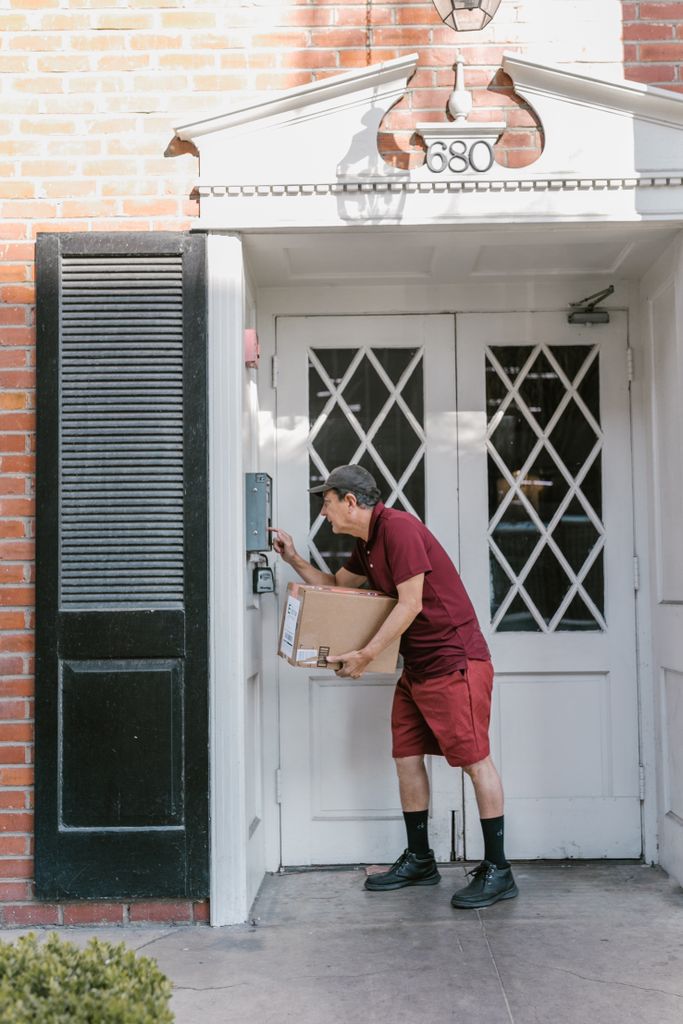
Table of Contents
What “Best” Means in Delivery Work
Best means different things to different drivers. For one person, best means a guaranteed wage every week. For another, best means flexible hours around study or family. For someone else, best means a short route close to home.
Start by writing down your own priorities. Note the hours you can sustain each week. Note the distance you can travel to a depot. Note whether you want to use your own car. Note the lowest pay you can accept after costs.
That short list becomes your filter for every advert. A role that looks good in general may still be wrong for you. Delivery work is physical, time-pressured, and public-facing. The right fit matters as much as the rate.
Many drivers value being outdoors and moving. They enjoy finishing a route and seeing clear results. Others prefer the same streets and customers each week. The best delivery driver jobs for you are the ones you can do safely, week after week, without losing money.
What Makes the Best Delivery Driver Jobs Worth Taking
Good delivery jobs share clear habits. Look for them in every advert, interview, and trial shift. They tell you more than a bold pay figure ever will.
First, pay is guaranteed and explained. Employed roles should state an hourly rate or salary. You should know the pay date, overtime rules, and holiday terms. Gig roles should state how each drop is paid. If the maths stays vague, treat that as a warning.
Second, fuel and mileage are handled fairly. An employer should provide the van and fuel. A platform should pay enough to cover real running costs. Ask who pays for parking, tolls, and congestion charges too. Small costs add up fast across a busy week.
Third, drop counts are realistic. A route should allow time for traffic, parking, and stairs. It should allow time for customers who need a moment at the door. If drivers must rush to finish, safety and service both suffer. Ask how many stops a normal day includes.
Fourth, vehicles are safe and maintained. Check tyres, lights, brakes, and load doors before you accept a route. A good employer welcomes those checks and fixes faults quickly. You should never feel pushed to drive an unsafe vehicle. Breaks for rest, water, and food must also be protected on every long route. Checking these four habits is the fastest way to recognise the best delivery driver jobs in any local listing.
Parcel and Courier Company Routes
Parcel and courier routes are the backbone of delivery work. Drivers collect sorted parcels at a depot each morning. They load the van in route order. Then they deliver to homes and businesses through the day.
This work suits organised people who like a clear plan. Each day has a start point, a route, and an end point. Regular streets help you get faster over time. Business drops can be quick and predictable. Home drops need more patience and care.
Most company routes are employed roles. That usually means a provided van, fuel, uniform, and training. It also means set start times and set routes. You trade some freedom for stability. For many drivers, that trade is worth it.
New drivers often start here after time in warehouse jobs, where sorting and loading skills transfer well. Knowing how a depot works helps you load smarter. It also helps you spot a badly planned route early.
Food Delivery Work
Food delivery means taking prepared meals from restaurants to customers. Most work happens at lunch and in the evening. Weekends are usually the busiest times. Orders are short, local, and time-sensitive.
The appeal is flexibility. Many food roles are part-time or gig-based. You can often choose blocks of hours in advance. Students and second-job workers use this work often. Starting is usually quick if you have a vehicle and a phone.
The trade-offs need honesty. Hot food must arrive fast, so pressure is real. Waiting at busy restaurants is common and often unpaid in gig models. Short trips mean frequent parking and door work. Tips can help in the US, but never rely on them when you judge pay.
Grocery and Retail Delivery
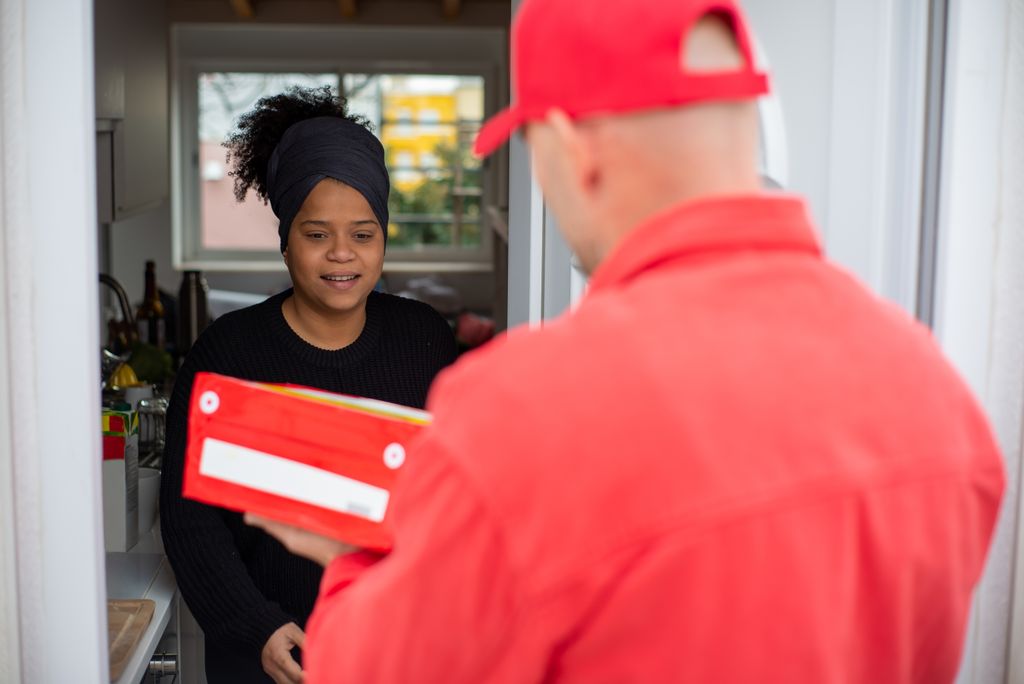
Grocery delivery means bringing supermarket and retail orders to homes. Drivers often load pre-picked bags or crates at a store or depot. Routes are planned in timed slots. Customers expect their shopping within a set window.
This work is steadier than food delivery. Orders are larger and routes are planned further ahead. Many roles are employed, with a provided van. You also get a set rota more often. That makes budgeting and family life easier to plan.
The physical side is real. Grocery crates are heavy, and drinks add weight fast. You may carry shopping up stairs or long paths. Good employers set weight limits per crate. They also provide trolleys and proper training in lifting.
Light Truck, Freight and Driver-Sales Routes
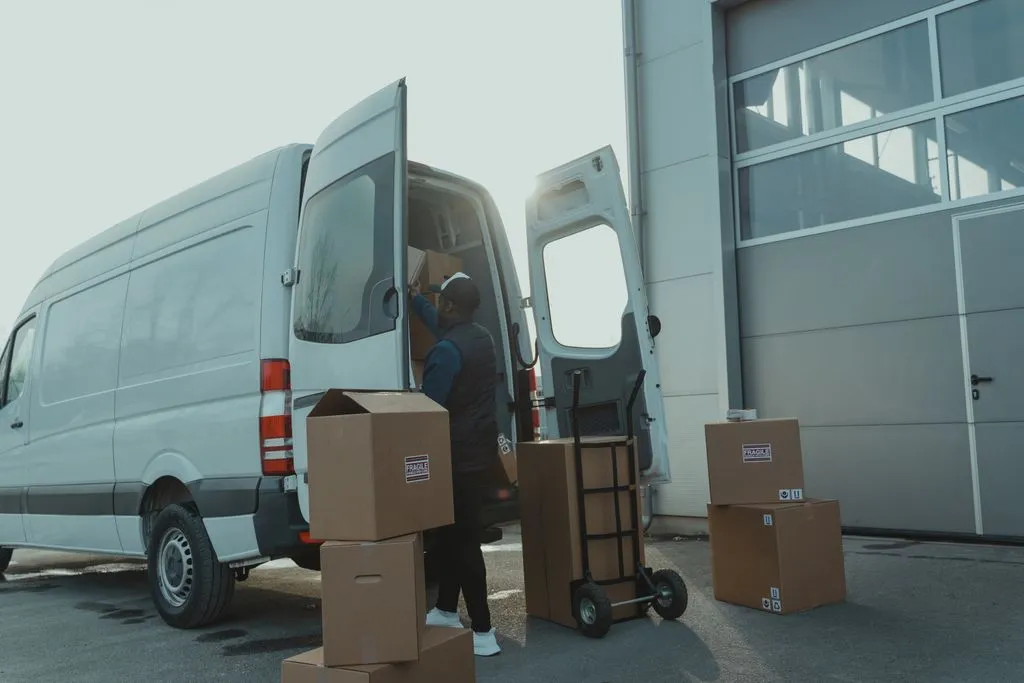
Light truck work sits between van delivery and heavy trucking. Drivers move freight, supplies, and goods between businesses. Routes may be local or regional. Loads are often palletised or boxed for quick handling.
Driver-sales routes add a customer element. The driver delivers goods and manages the order at each stop. Classic examples include food, drink, and supplies for small shops. You build regular relationships with the same customers. Trust and accuracy matter as much as speed.
These roles often pay better than basic parcel work. They ask for more in return. You may need extra licence categories for larger vehicles. You may start very early to reach businesses before they open. Record-keeping must be exact, every single day.
Specialist Courier Work
Specialist courier work means carrying items that need extra care. Examples include medical samples, legal papers, and fragile equipment. Some loads are urgent. Some must stay at a set temperature. All need exact handling and proof of delivery.
Medical courier work is a good example. Samples must move quickly between clinics, labs, and hospitals. Timing and hygiene rules are strict. Training covers safe handling, spills, and paperwork. Calm, precise drivers do well in this field. For careful drivers, the best delivery driver jobs in this field reward precision with steadier, better-paid trips.
Specialist work can pay more per trip. Routes may be fewer but more valuable. Clients pay for reliability, not just speed. A single missed collection can matter greatly. That pressure suits some drivers and not others. Be honest with yourself about which you are.
Employed vs Gig and Self-Employed Models
How you are engaged changes almost everything. It affects pay, costs, rights, and risk. Compare the models honestly before you choose. Do not compare a gig headline rate with an employed wage directly.
In an employed model, the company provides the vehicle. It pays for fuel, insurance, repairs, and servicing. You get a set wage or salary. You usually get paid holiday and sick cover under local rules. Your employer handles most tax paperwork for you.
In a gig or self-employed model, you provide the vehicle. You pay for fuel, insurance, repairs, and tyres. You also pay for your phone and data. You may choose when to work. That freedom is real, but so are the costs.
Unpaid time is the hidden gap. Waiting for orders is often unpaid. Driving back empty is often unpaid. Queuing at a depot can also be unpaid. An employed driver is usually paid for that time. A gig driver usually is not. Count those hours when you compare offers.
Tax and records differ too. Self-employed drivers must track income and expenses. Keep fuel receipts, mileage logs, and repair bills. Set money aside for tax as you earn. Employed drivers have a simpler record burden. Many people start employed, learn the work, then decide.
Insurance needs special care in gig work. A normal car policy may not cover paid delivery. You may need specific hire-and-reward cover. Driving without the right cover can void your policy. Check the exact terms before your first paid trip.
Licence, Vehicle and Physical Requirements
Most van and car delivery work needs a standard licence. In the US, a normal state driving licence covers most vans and light trucks. Larger trucks can need a commercial licence. Rules vary by vehicle weight, so check each advert carefully.
In the UK, a standard Category B licence covers most vans. Larger vehicles need higher categories, such as C1. In much of Europe, Category B also covers smaller vans. Heavier vehicles need extra categories and training. Always confirm the category for the exact vehicle offered.
Employers also check your driving record. Recent serious offences can block you from insurance. Minor points may be accepted, depending on the insurer. Be honest about your record from the start. A late surprise helps no one and can end an offer.
Physical fitness matters every day. You will lift, carry, bend, and walk a lot. Adverts should state typical lifting weights. Good employers set clear limits and provide aids. Tell an employer early about any health limit. A safe match protects you and the customers.
Hours and the Honest Trade-Offs
Delivery hours rarely match a simple office day. Early starts are common for parcel and freight routes. Food work peaks in the evening. Grocery slots can run from morning to late evening. Weekends are busy across almost every model.
Peak seasons change the job. Holiday periods bring far more parcels and orders. Employers may offer overtime and bonuses then. They may also expect longer days. Ask how peak weeks are staffed and paid. Ask before you start, not when you are exhausted. The best delivery driver jobs are the ones that plan peak weeks honestly and pay overtime fairly.
Many drivers choose this work as part time jobs around other commitments. Part-time routes can work very well. Just check whether hours are guaranteed or only offered. A guaranteed short rota often beats a vague promise of more.
Pay: What General Ranges Really Mean
Pay in delivery work varies widely. It varies by country, city, vehicle, and hours. It also varies by employment model. This guide does not invent pay for named employers. Use official data as your anchor, then check live local adverts.
For the US, the U.S. Bureau of Labor Statistics – Delivery Truck Drivers and Driver/Sales Workers publishes national pay and duties from official survey data. In recent BLS data, the national median for delivery truck drivers sits around the high-$30,000s to low-$40,000s per year. Treat that only as a general range from that source. The lowest-paid drivers earn notably less. The highest-paid earn notably more.
This is why gig headline rates shrink. Fuel comes off first. Then insurance, repairs, tyres, and depreciation. Then unpaid waiting and return trips lower your real hourly rate. A busy hour can look strong. A quiet hour can pull the whole day down. Track a full week, not one good evening.
Employed pay is easier to judge. You see the wage, the hours, and the benefits. Add holiday pay, sick cover, and pension value where they apply. Subtract only your travel to the depot. That honest total is how you should compare the best delivery driver jobs in your area.
In the UK, compare offers with the National Minimum Wage and National Living Wage. Check whether holiday pay is included or added. In Europe, many roles sit under sector or company agreements. Those agreements can set rates, overtime, and rest rules. Ask which agreement covers the role you want.
How to Judge an Employer or Platform
A short check before you accept can save months of stress. Use the same questions for every offer. Write the answers down. Vague answers are an answer in themselves.
Start with pay clarity. Get the rate, pay date, and overtime rules in writing. Ask how mileage, fuel, parking, and tolls are handled. Ask what happens when a route runs late. If you use your own vehicle, ask about cost cover in detail.
Next, check the route itself. Ask about stops per day and miles per route. Ask about the heaviest items you will carry. Ask who plans the route and whether drivers can flag problems. Realistic routes are the clearest sign of a good employer.
How to Apply: Step by Step
Step one: choose your model and role type. Decide between employed and gig work first. Then pick two role types that fit your life. Parcel routes, grocery work, and food delivery suit different hours. A focused search beats applying for everything.
Step two: prepare your documents and record. Gather your licence, ID, and proof of address. Check your driving record and be ready to explain it. If you will use your own vehicle, gather insurance and service papers. Clear documents speed up every later stage.
Step three: write a short, honest application. Lead with reliability, local knowledge, and customer care. Mention lifting fitness, vehicle experience, and availability. If you have done related delivery driver jobs or similar work, say so plainly. Keep the tone simple and factual.
Step four: prepare for the interview and checks. Expect questions about safety, time pressure, and difficult customers. Give calm, practical answers. You may face a driving assessment or a trial route. Treat it as real work. Check the vehicle, plan the order, and drive smoothly.
Step five: review the offer before you accept. Confirm pay, hours, start date, and vehicle terms in writing. Confirm who pays for fuel, insurance, and repairs. Ask anything that still feels unclear. A good employer will welcome careful questions. Then start well and keep records from day one.
Common Mistakes That Cost People Good Jobs
The first mistake is judging only by the headline rate. A high per-drop rate can hide unpaid waiting and heavy costs. A modest wage can be worth more over a month. Always compare a full week of real hours, real costs, and real pay before you decide.
The second mistake is ignoring vehicle costs. Fuel is only the start. Tyres, brakes, repairs, and insurance all rise with delivery miles. Your car also loses value faster. If you use your own vehicle, track every cost from the first week. Guesswork leads to nasty surprises later.
The third mistake is accepting an unsafe or impossible route. Too many stops in too little time forces rushing. Rushing causes accidents, damaged goods, and stress. Ask about stop counts at interview. If the numbers feel impossible, they probably are. A safer route elsewhere is the smarter choice.
The fourth mistake is poor communication at the door and depot. Not reporting a delay, damage, or wrong address creates bigger problems. A short, early message solves most issues. Customers and managers forgive honest updates. Silence and surprises damage trust fast, and trust is what keeps good drivers on good routes.
Frequently Asked Questions About the Best Delivery Driver Jobs
Do I need my own van?
Not for most employed roles. Parcel, grocery, and light truck employers usually provide a van. Gig and some courier work usually need your own vehicle. Always confirm before you apply. If you must provide a vehicle, check its size, age, and insurance rules in writing first.
What licence do I need?
Most car and van roles need a standard driving licence. In the US, that is a normal state licence for most vans. In the UK and Europe, Category B covers most vans. Larger trucks need higher categories. Check the exact vehicle in the advert, and confirm your record meets the insurer’s rules.
Is gig delivery or an employed route better?
Neither is better for everyone. Employed routes offer stable pay, a provided vehicle, and clearer rights. Gig work offers more choice over hours, but you carry vehicle costs and unpaid waiting. Compare a full week under each model. Your costs, hours, and need for stability should decide.
How much do the best delivery driver jobs pay after costs?
It depends on the model and your hours. Employed drivers keep their wage, minus only travel to work. Gig drivers must subtract fuel, insurance, repairs, and unpaid time first. That is why a strong headline rate can shrink fast. Track every cost for two weeks to learn your true hourly rate.
Is delivery driving full-time or part-time?
Both are common. Parcel, grocery, and freight routes are often full-time. Food delivery is often part-time or in short blocks. Some drivers combine a part-time route with study or family care. Check whether your hours are guaranteed in writing. Offered hours and guaranteed hours are not the same thing.
How do I spot a delivery job scam?
Be wary if you are asked to pay upfront for training, a vehicle, or a uniform. Be wary if there is no interview, no contract, and no clear pay terms. Legitimate employers state who they are and where you will work. They explain pay, hours, and vehicle rules in writing before you start.
Conclusion
The best delivery driver jobs respect your time, your vehicle, and your safety. They state pay clearly and plan routes you can finish well. They cover costs fairly and protect your breaks. Whether you choose parcels, food, grocery, freight, or specialist work, judge the full reality, not the headline.
Start with the model that fits your life. Check the licence, costs, and rota with care. Apply in a focused way and keep records from day one. Do that, and delivery work can offer steady income, active days, and a route toward better roles over time.