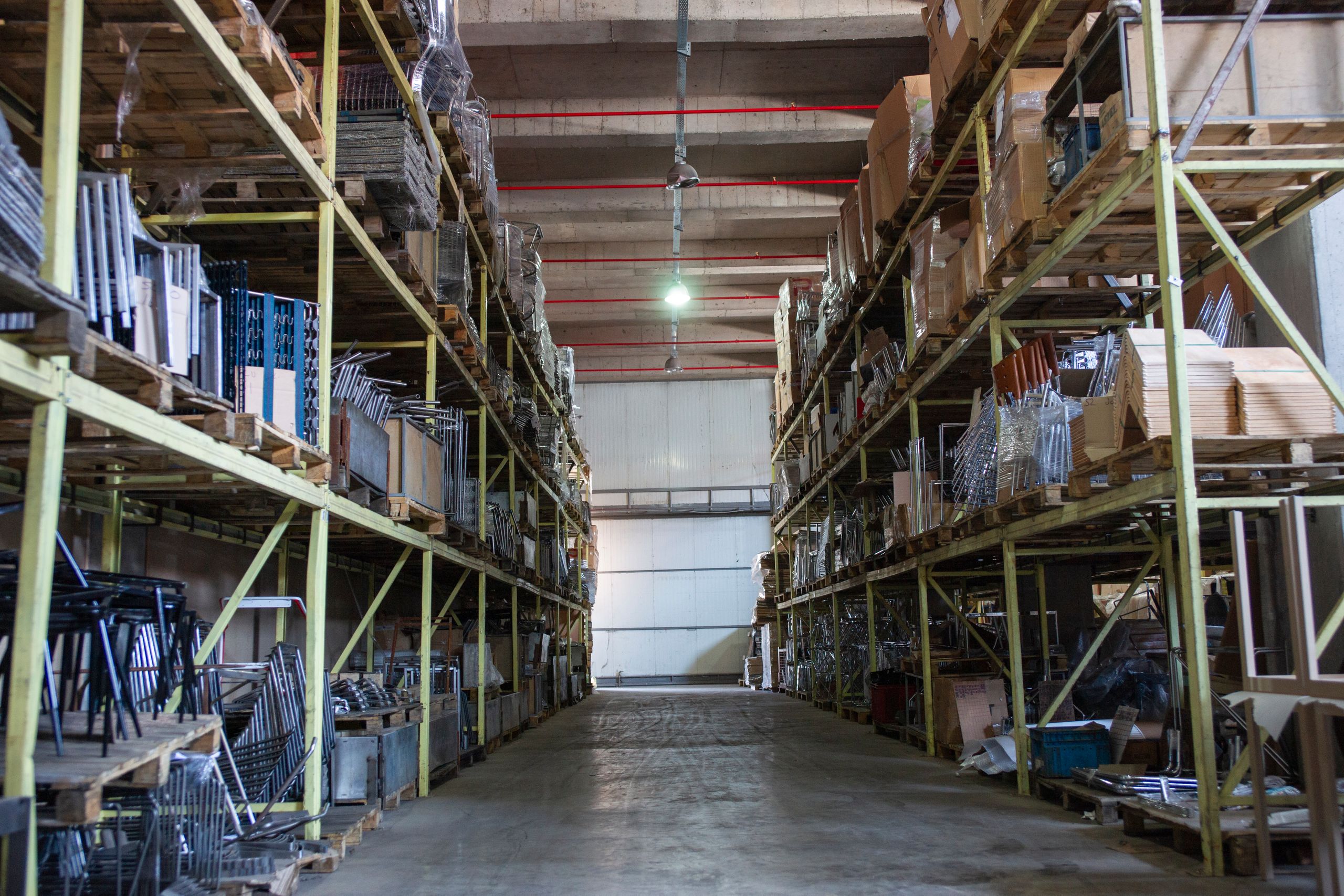
Warehouse Jobs: What the Work Involves, Pay, Shifts, and How to Get Hired
Quick Answer
Warehouse jobs keep goods moving: receiving deliveries, storing products, picking and packing orders, loading vehicles, and keeping stock records accurate. Most beginner warehouse jobs — picker, packer, loader, and general warehouse operative — require no degree and often no previous experience, because employers train you on their systems and safety rules. What they do require is physical fitness for active work, reliability on shift patterns that can include early mornings, nights and weekends, and careful attention to accuracy and safety.
The safest route in is to apply through established logistics employers, retailers and reputable staffing agencies, confirm pay, shift pattern and contract type in writing, and build from general operative work toward better-paid roles such as forklift driver, inventory specialist or shift supervisor. This guide covers the roles, the pay, the shifts and the exact hiring steps.
Warehouses sit behind almost everything people buy. E-commerce orders, supermarket shelves, building supplies and medicines all pass through distribution centres, and those centres hire continuously in the US, the UK and across Europe — especially before peak seasons. For beginners, warehouse jobs are one of the fastest honest routes into paid work: interviews are practical, starts are often within days, and a good attendance and accuracy record is noticed quickly.
Table of Contents
What Warehouse Jobs Actually Involve
The work varies by site, but most warehouse jobs combine several of these duties:
- Receiving and goods-in — unloading deliveries, checking items against paperwork, reporting damage, and booking stock into the system.
- Storing and put-away — moving products to their correct locations, by hand, trolley, pallet truck or forklift, and keeping aisles and locations tidy and correctly labelled.
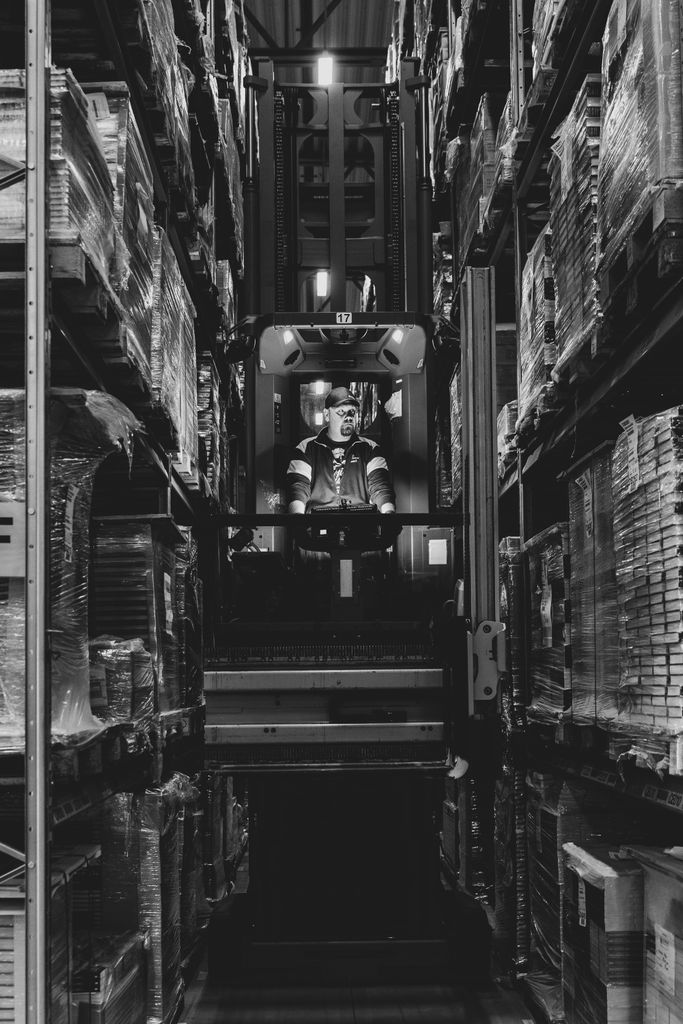
- Picking — walking or driving to locations to collect the items for each order, usually guided by a scanner, pick list or voice headset, against a target rate.
- Packing and labelling — boxing orders securely, adding the correct labels and paperwork, and preparing parcels for courier collection.
- Loading and dispatch — loading vehicles in route order, securing loads, and completing dispatch records.
- Stock checks and accuracy work — counting locations, investigating discrepancies, and keeping the inventory system matching physical reality.
Most modern warehouses run on scanners and a warehouse management system that tells you where to go and what to take. You will be trained on it. The physical side is real: expect to be on your feet for most of a shift, walking substantial distances, and lifting items within safe manual-handling limits your employer must train you on.
Working arrangements include full-time permanent roles with large logistics and retail employers, part time warehouse jobs covering specific shifts (see our part time jobs guide for how flexible patterns work), and agency or seasonal work that expands at peak periods such as the run-up to Christmas and major sales events. Agency work is a normal entry route in this sector — a genuine agency never charges the worker a fee.
The Main Warehouse Jobs, From Beginner to Better Paid
Warehouse operative / associate
The general beginner role: picking, packing, goods-in and housekeeping as the site needs. No experience required; training provided. This is where most people start and where reliability and accuracy make your name.
Picker and packer
The order-fulfilment core of e-commerce warehouses. Speed matters, but accuracy matters more — a wrong item costs a return, a refund and a customer. Good pickers who keep accuracy high at a steady rate are valued and kept on after peak season.
Forklift driver
Licensed forklift work pays more than general operative work in most markets because it requires certification and carries real responsibility. Employers sometimes sponsor licences for proven operatives; external courses also exist. If you plan to stay in logistics, this is the single most valuable early upgrade.
Inventory and quality roles
Counting, investigating discrepancies, checking product quality and expiry dates. Suits careful, numerate workers and often moves you off pure picking rates into steadier day shifts.
Team leader and supervisor
Coordinating a shift’s people, targets and problems. Reached by promotion from the floor, usually after one to three years of strong performance, and the gateway to logistics management salaries.
Salary note, as a clearly labelled general range from a citable source: the U.S. Bureau of Labor Statistics reports median pay for laborers and freight, stock and material movers in the US roughly in the high-teens of dollars per hour (around the mid-$30,000s per year for full-time work), with forklift and industrial truck operators typically a little higher and supervisors higher again. Night and weekend shifts frequently carry premium rates. UK and European warehouse pay varies by country, often sits near or above the local minimum wage for beginners, and is stated per hour in the posting. Always rely on the figure in the specific advert and your contract.
Shifts and Working Patterns in Warehouse Jobs
Warehouses run when orders need them, so shift patterns are the first thing to check in any advert:
- Day shifts — commonly early starts such as 6:00 to 14:00, or standard hours. Most contested, so beginners may not get them immediately.
- Late and evening shifts — for example 14:00 to 22:00, common in e-commerce fulfilment for next-day delivery cut-offs.
- Night shifts — often better paid through shift premiums, with a quieter floor and a smaller team; they suit some people’s lives and health, and genuinely do not suit others. Be honest with yourself before committing.
- Rotating patterns — such as four days on, four days off, or rotating weeks of days and nights. These give long breaks but demand a flexible household.
- Weekend and peak work — weekend-only warehouse jobs exist for students and people with weekday commitments, and peak season brings overtime, which can substantially lift a month’s pay.
Whatever the pattern, confirm in writing: shift start and finish, breaks, the premium rates for nights and weekends, overtime rules, and how much notice the employer gives for rota changes.
Skills and Qualities Employers Test for Warehouse Jobs
Physical readiness, honestly assessed. You should be able to stand and walk for most of a shift and lift typical parcel and product weights safely using the techniques you are trained in. If a medical condition limits this, say so — larger employers often have varied roles, and honesty at application beats a collapse in week two.
Accuracy under routine. Scanning the right item, reading similar product codes correctly, counting carefully. Employers forgive a beginner’s slowness far more readily than carelessness.
Reliability on the agreed pattern. Warehouses plan staffing tightly by shift. One unexplained absence forces overtime on colleagues and marks your record. Protect your attendance like it is your wage — in this sector, it effectively is.
Safety habits. Following manual-handling training, wearing the provided protective equipment, keeping aisles clear, reporting hazards and damage immediately, and never defeating a safety device or riding equipment you are not licensed for. Sites run on trust that everyone follows the rules when no one is watching.
Basic numeracy and scanner confidence. Counting, matching codes, and using a handheld scanner and simple screens. No advanced maths — just careful, steady basics, taught in induction.
New starters with no track record can still prove these qualities: our entry level jobs guide shows how to present any work, sport or family-business experience as evidence, and our guide on how to get a job with no experience covers the beginner application method in full.
How to Get Warehouse Jobs: Step by Step
Step 1: Choose your shift pattern before you apply. Decide which patterns your health, transport and household can genuinely sustain — including how you will travel to an industrial estate at 5:30 in the morning or home at 22:30 at night. Transport is the hidden deal-breaker in warehouse work; solve it on paper first.
Step 2: Prepare a short, practical resume. One page: your availability and transport in plain words, any physical or team work (previous jobs, sport, volunteering, family business), any relevant licences or certificates, and a phone number you actually answer. Warehouse hiring moves fast and managers call, not email, first.
Step 3: Apply through employers and reputable agencies. Large logistics companies, supermarket and retail distribution arms, parcel carriers and e-commerce operators hire directly through their career pages. Staffing agencies supply many sites — register with one or two reputable local agencies, and remember a genuine agency is paid by the employer, never by you. In the US, major boards such as Indeed plus employer sites carry most listings; in the UK and Europe, use the local boards, agency branches in your town, and employer sites directly.
Step 4: Expect a practical selection process. Commonly: a short interview or group session, basic numeracy and accuracy exercises, sometimes a site tour and a medical or fitness questionnaire, and document checks for your right to work. Dress practically and neatly, arrive early, and treat the accuracy test as the main event — slow and right beats fast and wrong.
Step 5: Complete induction seriously. Induction covers safety, manual handling, the scanner system, fire procedures and quality rules. Ask questions, note the answers, and learn your location system properly in week one; speed comes naturally once accuracy is automatic.
Step 6: Build your record in the first ninety days. Perfect attendance, steady accuracy, volunteering for training on new tasks, and a calm attitude at peak pressure are exactly what supervisors record. That record converts agency work into a permanent contract and general shifts into better ones.
Step 7: Upgrade deliberately. After six to twelve reliable months, ask about forklift licensing, inventory roles, or first-aider and trainer duties. Each adds pay and makes you harder to replace.
Safety: What Good Warehouse Employers Do
A legitimate warehouse employer provides, free of charge: safety induction before you start, manual-handling training, required protective equipment such as safety footwear and hi-vis where needed, maintained equipment, clear emergency procedures, and a way to report hazards without punishment. If a site asks you to buy your own mandatory safety equipment as a condition of starting through an unofficial channel, charges you for training, or pressures you to skip safety steps to hit a rate, treat those as serious warning signs and walk away.

You also have duties: use the training, wear the equipment, follow the pedestrian routes and forklift segregation, and report every injury and near-miss, however small. Sites with honest reporting get safer; sites that hide problems get people hurt.
Common Mistakes That Cost People Warehouse Jobs
- Choosing a shift you cannot sustain. Night work accepted in desperation and abandoned in week three burns your record with that employer and agency.
- Ignoring transport until day one. Industrial estates are badly served at shift-change times. Test the journey at the real hour before you accept.
- Chasing rate over accuracy in week one. New starters are not expected to hit full rate immediately; they are expected to be accurate and safe while speed builds.
- Phone distraction on the floor. Many sites ban phones outside break areas for safety. Follow the site rule exactly.
- Leaving agency work without notice. Agencies supply many local sites; a no-show reputation follows you between them.
A Realistic First Week Plan
Day 1: Confirm your shift pattern, transport route and start time in writing. Lay out work clothes and any documents requested.
Days 2–3: Complete applications to two direct employers and register with one reputable agency, with your availability stated plainly.
Days 4–5: Attend interviews or assessments promptly; prepare by practising careful counting and code-matching, and re-check the travel time at the real shift hour.
Days 6–7: If offered, confirm pay, premiums, breaks and contract type in writing before accepting. Rest properly before your first shift — warehouse work rewards the rested.
Frequently Asked Questions About Warehouse Jobs
Do warehouse jobs require experience?
Most beginner roles do not. Employers train general operatives, pickers and packers on their own systems. Experience, licences such as forklift certification, and a good accuracy record raise your pay and options.
What do warehouse jobs pay?
As a general orientation, US Bureau of Labor Statistics data puts laborers and material movers roughly in the high-teens of dollars per hour at the median, forklift operators a little higher, plus night and weekend premiums in many companies. UK and European rates vary by country and are stated per hour in the posting. Your advert and contract are the figures that count.
Are warehouse jobs physically hard?
They are active: standing, walking and lifting within trained safe limits for most of the shift. Fitness builds quickly in the first weeks, but assess the role honestly against your health and talk to the employer about adjustments if you need them.
What shifts do warehouse jobs offer?
Days, evenings, nights, rotating patterns, weekend-only and seasonal peak work all exist. The advert should state the pattern and any premium rates; confirm them in writing before starting.
Can warehouse jobs become permanent?
Yes, commonly. Agency and seasonal starters with strong attendance and accuracy are routinely offered permanent contracts, and internal promotion to forklift, inventory, team leader and supervisor roles is the normal ladder in logistics.
Is agency warehouse work legitimate?
Yes — agencies are a standard hiring route in logistics. A legitimate agency never charges the worker a fee, pays you through proper payroll with payslips, and can name the site and shift before you start.
Conclusion
Warehouse jobs reward the qualities beginners can genuinely offer from day one: turning up for every agreed shift, working accurately and safely, and staying calm when the floor gets busy. Choose a shift pattern and a journey you can sustain, apply through real employers and reputable agencies, get pay and premiums in writing, and spend your first ninety days building the record that converts a start into a career ladder — forklift licence, inventory, supervision. That is how warehouse work becomes dependable income and a real route upward in the US, the UK and across Europe.