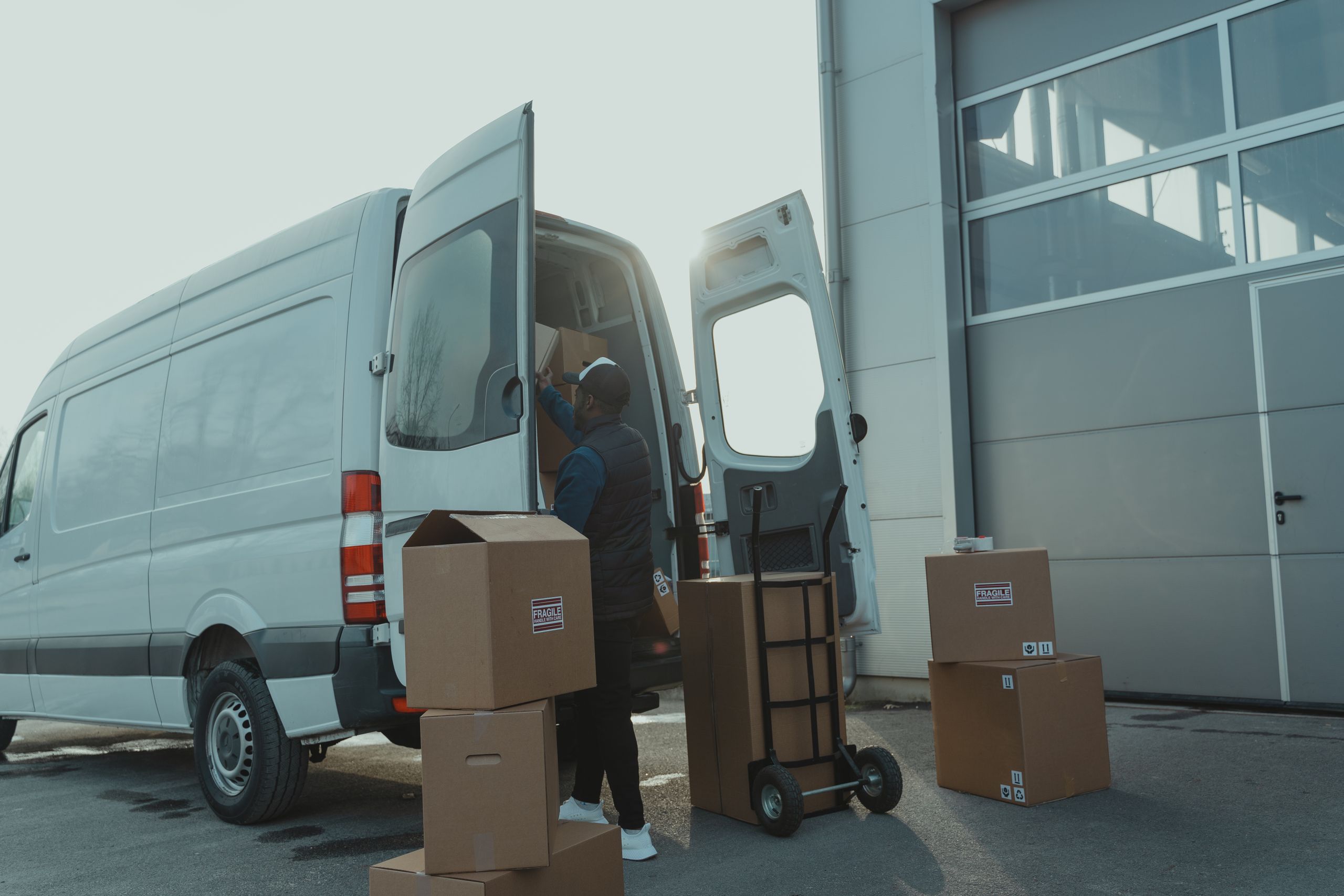
Delivery Driver Jobs: How to Get Hired, Pay, Vehicle Rules and Best Options
Quick Answer
Delivery driver jobs involve collecting parcels, food, groceries or goods and delivering them safely and on time to homes and businesses. Most delivery driver jobs require a valid driving licence for the vehicle you will drive, a clean enough driving record for insurance, and the reliability to follow a route under time pressure. Many parcel and van roles require no degree and no previous delivery experience, because employers train you on their scanners, routes and safety rules. Food and grocery delivery through apps often lets you start with your own car, bicycle or scooter where the law allows, while employed van driver roles provide the vehicle, fuel and insurance. The safest route in is to apply through established parcel companies, supermarkets, retailers and reputable local courier firms, confirm in writing whether you are employed or self-employed, what the vehicle and fuel arrangements are, and how pay is calculated, and never pay a fee to start. This guide explains the types of delivery driver jobs, the pay, the rules and the exact hiring steps for the US, the UK and Europe.
Driving work suits people who like being out on the road rather than at a desk, who can work independently, and who stay calm when traffic, weather or a missing house number disrupts the plan. Demand is steady in the US, the UK and across Europe because online shopping, grocery delivery and restaurant food delivery all depend on drivers every single day.
Table of Contents
What Delivery Driver Jobs Actually Involve
Although every employer runs its routes differently, most delivery driver jobs combine the same core duties:
- Loading and checking — collecting your parcels or orders, scanning them onto the vehicle, checking for damage, and loading in route order so the first delivery is easiest to reach.
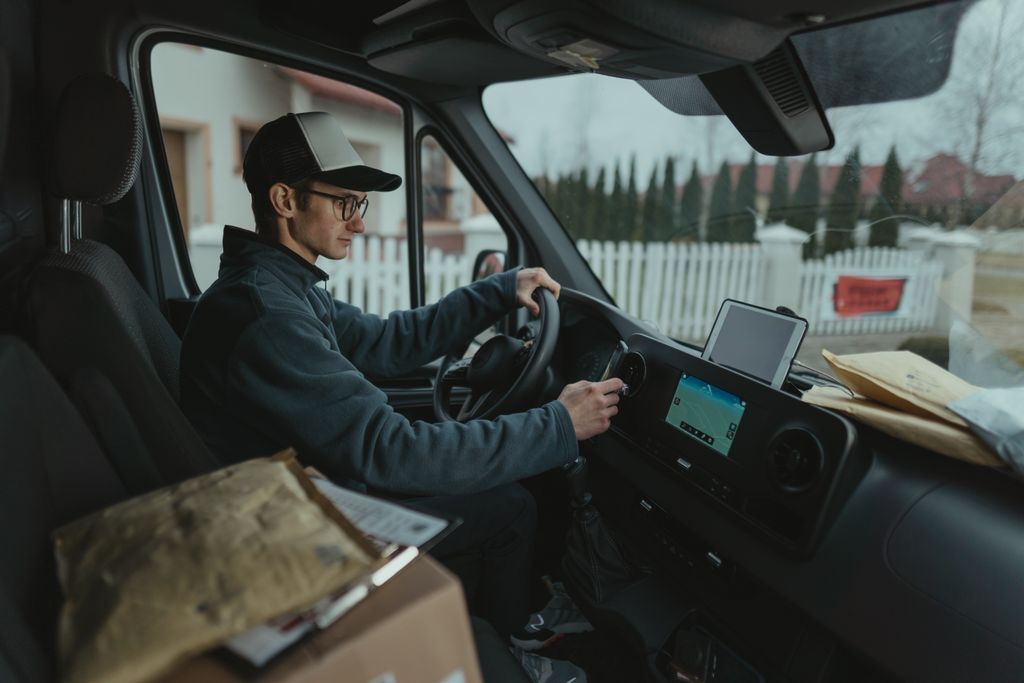
- Route driving — following a planned route from a depot, hub or restaurant area to homes and businesses, using an app or scanner that records each stop.
- Doorstep delivery — handing items to customers, obtaining proof of delivery where required, following age-check or safe-place instructions, and handling failed deliveries correctly.
- Customer contact — being polite and brief at the door, solving small problems calmly, and reporting bigger problems to dispatch rather than arguing.
- Vehicle checks — completing daily walk-around checks, reporting defects, keeping fuel or charge topped up, and keeping the vehicle clean and secure.
- Returns and end-of-shift tasks — bringing back undelivered items, returning scanners and keys, and completing paperwork or app close-out.
The physical side varies. Parcel van work can mean 80 to 150 stops a day with frequent lifting. Food delivery means shorter trips and waiting near restaurants. Grocery delivery for a supermarket often means fewer, larger drops with heavy crates. Read the advert carefully for stops per day, typical parcel weights and shift length before you commit.
Working patterns include full-time employed routes, part time delivery driver jobs covering evenings and weekends (see our part time jobs guide for how flexible patterns fit around other commitments), peak-season temporary contracts, and app-based self-employed work you switch on when you are available.
The Main Types of Delivery Driver Jobs
Parcel and courier van driver
The largest category. You drive an employer-provided van from a depot, deliver parcels for an e-commerce or parcel network, and return undelivered items at the end of the shift. Employers usually require a standard car licence held for a minimum period and a driving record that passes their insurance check. No previous delivery experience is usually required.
Food delivery driver or rider
Delivering restaurant and takeaway food, by car, scooter, e-bike or bicycle depending on the city and platform. Much of this work is app-based and self-employed: you are paid per delivery plus tips where tipping applies. Earnings vary sharply by hour, area and order volume, so track your real hourly rate after fuel and time between orders.
Supermarket and grocery delivery driver
Employed drivers delivering online grocery orders in supermarket vans, usually on fixed shifts with set routes. This is often steadier than app work, with an hourly wage, paid breaks under local rules, and the vehicle, fuel and insurance provided. Customer service at the door matters more here because you represent the store.
Driver and sales or multi-drop specialist routes
Some roles combine delivery with collecting payments, merchandising shelves or servicing business customers on a regular round. These employed routes suit drivers who build relationships with the same customers each week and often pay more than pure parcel work.
Own-vehicle courier work
Local courier firms and some platforms let you use your own van or car for larger or urgent deliveries. Pay can be higher per job, but you carry fuel, insurance, maintenance and depreciation. You must have the correct insurance class for hire-and-reward delivery work — ordinary social and commuting cover does not include paid delivery driving in most markets. Confirm this in writing before your first paid run.
Salary note, as a clearly labelled general range from a citable source: the U.S. Bureau of Labor Statistics reports median pay for delivery truck drivers and driver/sales workers in the US in the region of the low-to-mid $20s per hour for employed roles, with light truck drivers around the low $40,000s per year at the median for full-time work. Food delivery and app-based earnings are not a wage and vary by market and hour. In the UK and Europe, employed van driver pay is stated per hour or per month in the posting and varies by country. Always rely on the figure and pay basis in the specific advert and your contract, not on a headline rate.
Licence, Vehicle and Insurance Rules You Must Check
Your licence. Employed van roles normally require a full standard driving licence. Employers and insurers commonly ask how long you have held it and check penalty points or major convictions. Larger vehicles need higher licence categories — never drive a vehicle your licence does not cover.
Your driving record. A recent ban, drink-driving conviction or many points can make you uninsurable for employed driving work. Be honest on the application: insurers verify, and hiding a conviction can void cover.
Right to work and background checks. Parcel networks and grocery employers routinely check your right to work and, for some contracts, run a criminal-record check. Have your documents ready to speed up hiring.
Vehicle condition for own-vehicle work. Reliable vehicle, valid tax and inspection where required, and delivery-appropriate insurance. Keep records of mileage, fuel and repairs if you are self-employed, because you will need them for your tax return and to know your real profit.
Phone and data. App-based work needs a smartphone with data and a safe, legal phone mount. Never handle the phone while driving — plan stops to check the app.
Skills and Qualities Employers Test For
Safe, patient driving. Your driving is the product. Smooth, legal, defensive driving protects you, the public, the vehicle and your job.
Reliability on early starts. Depots load at fixed times. A driver who arrives late delays a whole route. Our entry level jobs guide shows how beginners can evidence reliability from any previous work, sport or family commitments.
Route sense and problem-solving. Reading a map app critically, re-sequencing stops when a road is closed, finding addresses in new estates, and calling dispatch early when a route cannot be finished.
Physical readiness. Lifting parcels within safe limits, frequent getting in and out of the van, and walking to doors in all weather. Assess this honestly against your health.
Calm customer manner. Most doorstep contact is brief and friendly. Occasionally a parcel is late or damaged before it reached you. Stay polite, follow the procedure, and let dispatch handle disputes.
Honesty with goods and cash. Drivers are trusted with valuable goods. Scanning discipline and exact proof-of-delivery records protect you if a delivery is later questioned.
How to Get Delivery Driver Jobs: Step by Step
Step 1: Decide employed or app-based work first. Employed work gives a wage, a provided vehicle and steadier hours. App-based work gives flexibility but variable earnings and self-employment admin. Many drivers start employed to learn the job safely, then decide.
Step 2: Check your licence and record before applying. Know your licence categories, points and any restrictions. Gather right-to-work documents and, for own-vehicle work, an insurance quote for delivery cover so your costings are real.
Step 3: Prepare a short driver-focused resume. One page: licence held since when, vehicles you have driven, any delivery, warehouse, retail or customer-facing work, a clean-record statement if true, availability including weekends, and a phone number you answer. Beginners should follow our guide on how to get a job with no experience to present transferable experience well.
Step 4: Apply through real employers and reputable firms. Parcel networks, supermarkets, large retailers, pharmacies and local courier firms hire through their own career pages. Reputable agencies supply depots at peak times and never charge the driver a fee. Treat adverts promising very high earnings for no licence checks, no insurance checks or a joining fee as warning signs.
Step 5: Expect a practical selection process. Commonly: a licence and documents check, a short interview, sometimes a driving assessment in the company vehicle, a medical or eyesight declaration, and depot safety induction. Drive the assessment exactly as you would on the job — smooth, legal and unhurried.
Step 6: Learn the route system in week one. Master the scanner or app, loading in route order, proof-of-delivery steps, failed-delivery procedure and who to call when something goes wrong. Accuracy in week one prevents most of the problems that cost drivers their jobs.
Step 7: Protect your record and build better routes. A clean safety and attendance record leads to regular routes, better shifts, larger-vehicle training and supervisor or trainer roles. Keep your own log of hours, stops and any incidents.

Safety: Non-Negotiables on the Road
A legitimate employer provides vehicle checks systems, defect reporting, route planning that can be completed legally, load security equipment and a clear rule that you never speed to catch up. If you are pressured to skip breaks required by law, drive a defective vehicle, overload beyond the plated weight, or falsify delivery records, refuse and report it — those instructions put your licence and the public at risk.
Your own habits matter just as much: seatbelt on every trip, phone untouched while moving, parcels secured so they cannot slide into the cab, doors locked when away from the vehicle, and extra care around schools, cyclists and reversing. In app-based work, park legally for every pickup and drop; a stream of parking fines can erase a whole shift’s earnings.
Common Mistakes That Cost People Delivery Driver Jobs
Chasing the clock by speeding. One conviction or accident ends most driving jobs. Routes are planned to be completed legally; report impossible routes instead of racing them.
Using the wrong insurance for own-vehicle work. Ordinary car cover usually excludes paid delivery. An accident on a paid run without hire-and-reward cover can leave you personally liable.
Ignoring vehicle checks. A defect you noticed and did not report becomes your responsibility. Complete the walk-around every shift.
Poor proof-of-delivery discipline. Missing photos, wrong safe-place notes or unrecorded failed deliveries create disputes you cannot defend. Scan and record everything.
Under-counting self-employed costs. Fuel, insurance uplift, tyres, servicing and unpaid waiting time are real. Track net earnings per hour for two weeks before deciding app work pays well.
A Realistic First Week Plan
Day 1: Check your licence, points and documents. Decide employed versus app-based work and list three target employers or platforms.
Days 2–3: Write your one-page driver resume and apply to two employed vacancies and, if you choose, register with one reputable agency. Get an insurance quote if own-vehicle work is in your plan.
Days 4–5: Attend assessments promptly, practise a calm test drive, and prepare questions about pay basis, vehicle, fuel, shift length and stops per day.
Days 6–7: If offered a role, confirm pay, employment status, vehicle and insurance arrangements, and start date in writing before accepting. Rest well before your first early depot start.
Frequently Asked Questions About Delivery Driver Jobs
Do delivery driver jobs require experience?
Most parcel, grocery and van roles do not require previous delivery experience. Employers train you on routes, scanners and safety. A valid licence, an insurable record and reliability are the real entry requirements.
What do delivery driver jobs pay?
As a general orientation, U.S. Bureau of Labor Statistics data puts employed delivery truck drivers around the low-to-mid $20s per hour at the median, with variation by vehicle size and region. App-based food delivery pay varies by order volume, hour and city and is not a guaranteed wage. Your advert and contract are the figures that count.
Can I do delivery driver jobs with my own car?
Yes for many food, grocery-app and local courier roles, provided your vehicle is reliable and you hold insurance that explicitly covers paid delivery work. Employed parcel and supermarket roles normally provide the van instead.
What licence do I need for delivery driver jobs?
A full standard car licence covers most vans used in parcel and grocery delivery. Larger trucks need higher categories. Employers also check how long you have held the licence and your points and convictions for insurance.
Are delivery driver jobs full-time or part-time?
Both exist. Employed routes are often full-time with early starts, while evening, weekend and peak-season part-time routes are common, and app-based work can be switched on for a few hours at a time.
Is app-based delivery work legitimate?
Yes, when you work through the real platform, understand you are usually self-employed, hold the right insurance, and track your true net earnings after costs. Never pay a joining fee to an unofficial recruiter claiming to represent a platform.
Conclusion
Delivery driver jobs reward safe driving, punctuality and calm problem-solving more than speed. Choose employed work for steadiness and a provided vehicle, or app-based work for flexibility with your eyes open about costs and insurance. Get the pay basis, vehicle arrangements and employment status in writing, learn the scanner and route system properly in week one, and protect your licence and safety record — they are your career capital. Do that, and delivery work becomes dependable income in the US, the UK and across Europe, with real routes onward to larger vehicles, regular rounds and supervisory roles.