How to Dress for an Interview: Look Sharp & Get Hired
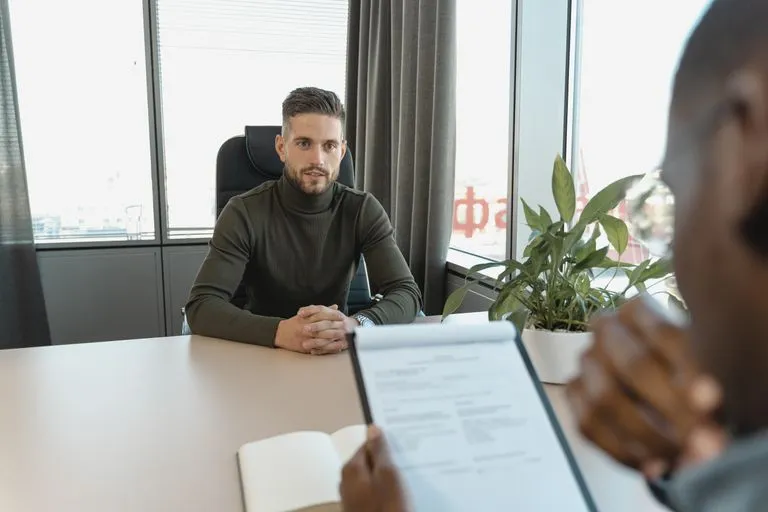
Learning how to dress for an interview is one of the simplest ways to improve your chances of getting hired. Before you say a word, the interviewer has already formed a first impression from what you are wearing. That impression is not about being fashionable or expensive. It is about looking clean, professional, and ready for the job you want. The right outfit tells the employer that you take the opportunity seriously, that you understand the workplace, and that you can be trusted to represent the company well.
Many job seekers worry about this more than they need to. You do not need a designer suit or a brand-new wardrobe. You need an outfit that fits well, suits the industry, is clean and pressed, and lets you feel confident. This guide explains exactly how to dress for an interview in different industries, how to put together a strong outfit on a small budget, how to handle grooming and details, what to avoid, and what to do the night before so you walk in calm and prepared.
Table of Contents
Quick Answer
How to dress for an interview depends on the industry, but the safe rule is to dress one step smarter than the everyday dress code of the job. For corporate and finance roles, wear a suit in a dark neutral colour with a clean shirt or blouse and closed-toe shoes.
For business casual roles, wear smart trousers or a skirt with a blouse, shirt, or smart knit top and clean shoes. For tech and startup roles, wear smart casual clothes such as dark jeans or chinos with a neat shirt or blouse. For creative roles, show a little personality while staying polished. For healthcare, trades, and service roles, wear clean, practical, smart clothes and follow any safety rules. Always choose clothes that fit well, are clean and ironed, and make you feel comfortable and confident.
Why What You Wear Matters in an Interview
Interviewers are human, and first impressions form fast. Research on hiring consistently shows that interviewers make early judgments, and your appearance is part of that first judgment. That does not mean looks decide who gets the job. It means your outfit can either support your skills or distract from them.
A neat, well-chosen outfit does three things. First, it shows respect for the interviewer and the company. You cared enough to prepare. Second, it shows you understand the workplace culture. A candidate who turns up in a full suit for a relaxed startup may look out of touch, just as a candidate who turns up in jeans and a T-shirt for a bank interview may look unprepared. Third, it helps you feel more confident. When you know you look good, you sit taller, speak more clearly, and focus on your answers instead of worrying about your clothes.
The goal is not to impress with fashion. The goal is to look like someone who already belongs in that workplace. Your clothes should be so appropriate that the interviewer barely notices them — and instead notices what you say.
The Golden Rules of Interview Dressing
Whatever the industry, these rules apply to every interview outfit.
Dress One Step Smarter Than the Job
If the job is casual, dress smart casual. If the job is business casual, dress business formal. If the job is formal, wear your best formal outfit. Dressing one step smarter shows ambition without looking out of place. It is almost always better to be slightly overdressed than underdressed.
Fit Matters More Than Price
A well-fitting outfit from a budget store looks better than an expensive outfit that is too tight, too loose, or too long. Trousers should not drag on the floor. Jacket sleeves should end at your wrist. Shirts should not pull at the buttons. Skirts and dresses should sit at a comfortable length when you sit down, not just when you stand. Try your outfit on while sitting, walking, and reaching, because you will do all of those things in an interview.
Choose Neutral Colours
Dark navy, charcoal grey, black, and dark brown are safe and professional for suits and trousers. White, light blue, and pale colours work well for shirts and blouses. You can add a small touch of colour with a tie, scarf, or blouse, but keep the main outfit neutral. Bright patterns, loud prints, and neon colours distract the interviewer and can look less professional.
Comfort Is Part of Professionalism
If your shoes hurt, your collar itches, or your jacket pulls, you will be distracted for the whole interview. Wear your outfit at home for an hour before the interview day. Walk around, sit down, and check that nothing pinches, slips, or needs constant adjusting. Confidence comes from comfort as much as from style.
Clean, Pressed, and Polished
Iron or steam your clothes the night before. Check for stains, loose threads, missing buttons, and pet hair. Clean your shoes and make sure they are not scuffed. These small details matter more than the brand on the label. An interviewer may not notice a perfect outfit, but they will notice a stained shirt or dirty shoes.
How to Dress for an Interview by Industry
There is no single interview outfit that works everywhere. The right choice depends on the workplace you are trying to join. Use the sections below to match your outfit to the industry.
Corporate, Finance, and Law
Corporate offices, banks, law firms, insurance companies, and government roles expect the most formal dress. This is the classic suit interview.
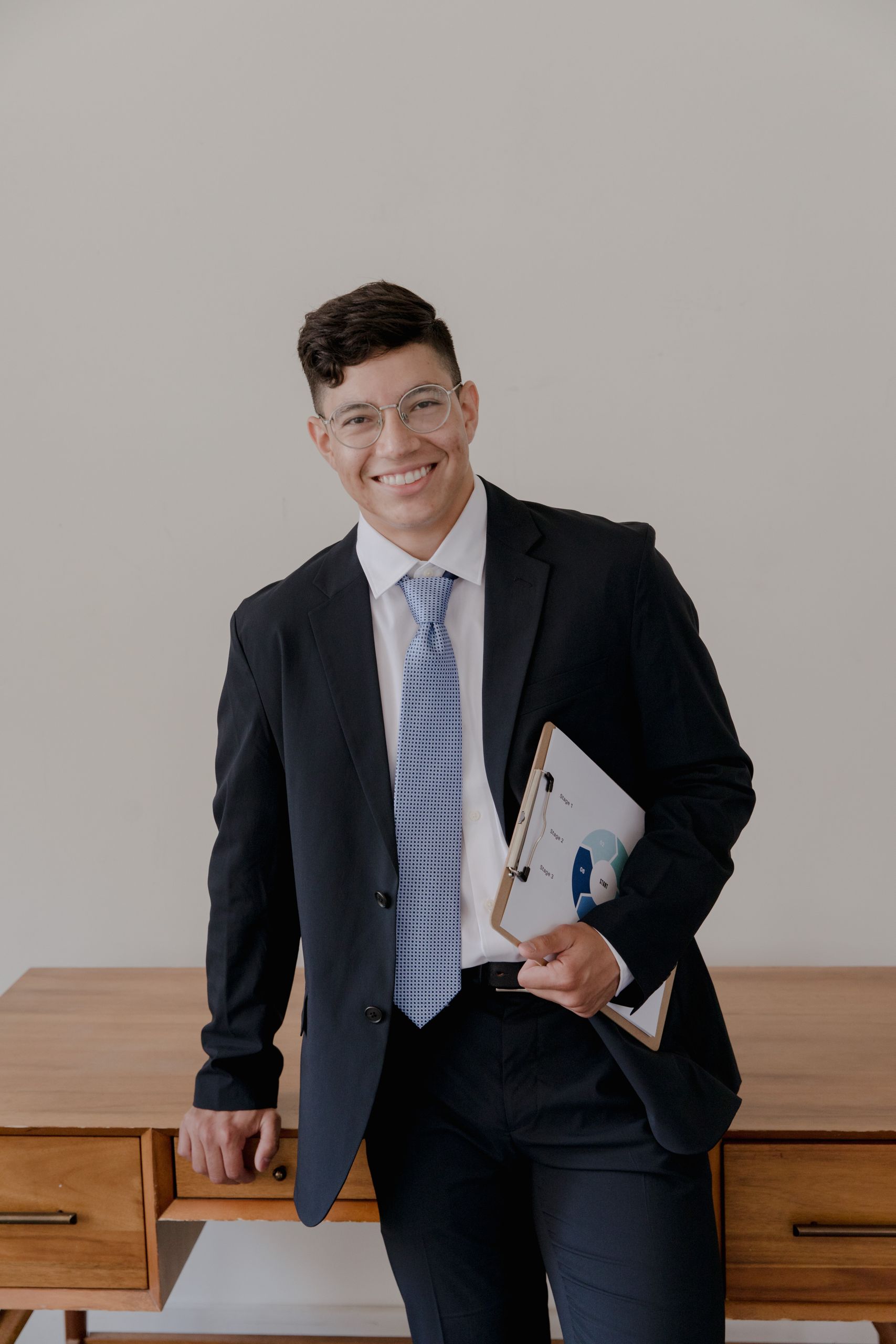
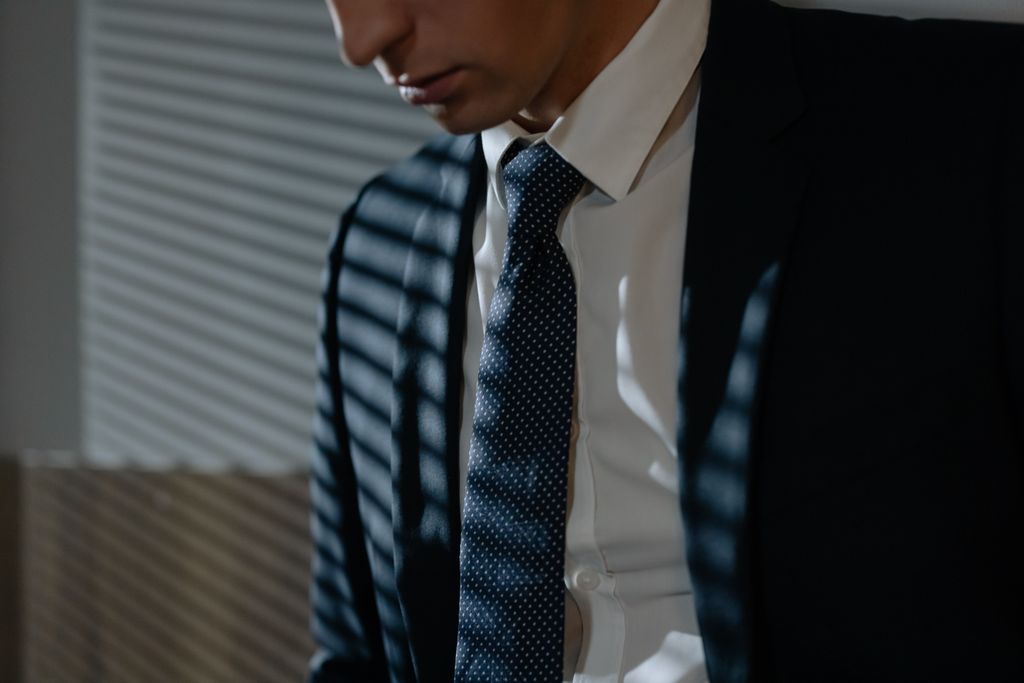
For men, wear a dark navy or charcoal suit, a white or light blue dress shirt, a conservative tie, dark dress socks, and polished leather shoes. A belt should match your shoes. Keep jewellery to a watch and, if you wear one, a wedding ring.
For women, wear a dark suit with trousers or a knee-length skirt, a plain blouse or shell top, and closed-toe shoes with a low or mid heel. Keep makeup natural and jewellery simple. A structured bag or briefcase completes the look.
In these industries, do not try to be creative with your outfit. The employer wants to see that you understand professional standards. Save your personality for your answers, not your clothes.
Business Casual Offices
Many office jobs in marketing, administration, human resources, sales, and customer service use a business casual dress code. You do not need a full suit, but you do need to look smart and polished.
For men, wear smart trousers or chinos in navy, grey, or black, a button-down shirt or a smart polo, and leather shoes or clean loafers. A blazer or smart jacket adds polish and can be removed if the office feels relaxed. A tie is usually not needed unless the company is on the formal side.
For women, wear smart trousers, a knee-length skirt, or a simple dress with a blazer or cardigan. A blouse, smart knit top, or shirt works well. Choose closed-toe shoes or smart flats. Avoid anything too casual, such as denim, trainers, or a T-shirt, even if the office looks relaxed.
When in doubt for a business casual role, add a blazer. It instantly makes an outfit look more professional, and you can take it off if you feel overdressed once you arrive.
Tech and Startups
Tech companies and startups are often more casual, but that does not mean anything goes. The interviewer still expects you to look neat and intentional. The mistake many candidates make is dressing too casually and looking as if they did not prepare at all.
For men, wear dark jeans or chinos with no rips or fading, a clean button-down shirt or a smart polo, and clean shoes or smart trainers. A blazer over a T-shirt can work if the T-shirt is plain, dark, and in good condition. Avoid graphic T-shirts, shorts, flip-flops, and hoodies.
For women, wear dark jeans or smart trousers with a neat blouse, a smart knit top, or a simple dress. Clean shoes, smart flats, or clean trainers are acceptable in many startups, but check the company culture first. A blazer or smart jacket can lift a simple outfit without making it look stiff.
If you can, look at photos of the company team on its website or LinkedIn page before the interview. If the team wears jeans and shirts, match that level and go one step smarter. If the team wears hoodies, you should still wear something neater than a hoodie.
Creative Industries
Jobs in design, advertising, media, fashion, and the arts often welcome more personal style. In these industries, your outfit is part of your portfolio. It shows your taste, your creativity, and your understanding of the field.
You can wear more colour, interesting textures, and a distinctive accessory. A well-cut jacket, a bold but tasteful top, or a stylish pair of shoes can help you stand out. But the outfit still needs to look deliberate and polished. Creative does not mean messy. Avoid wrinkled clothes, stained items, or anything that looks thrown together.
The key is balance. Show personality in one or two pieces, and keep the rest simple. If you wear a bold jacket, pair it with plain trousers and a simple top. If you wear a colourful top, keep the rest of the outfit neutral. And remember that even creative employers want to see that you can be professional with clients, so avoid anything too revealing or too casual.
Healthcare
Healthcare interviews cover a wide range of roles, from hospital administration to nursing, care work, and clinic reception. The dress code depends on the role, but cleanliness and practicality matter most.
For office-based healthcare roles, business casual is usually right: smart trousers or a skirt, a blouse or shirt, and comfortable closed-toe shoes. For clinical roles, smart business attire is also expected at interview, even if you will wear scrubs or a uniform on the job. Do not wear scrubs to the interview unless the employer specifically tells you to.
Keep nails short and clean, tie long hair back, and avoid strong perfume or aftershave, because patients may be sensitive to smells. Wear minimal jewellery, because rings and bracelets can be a hygiene issue in clinical settings. Comfortable, clean, closed-toe shoes are essential, because healthcare work often involves long periods on your feet.
Trades, Service, and Retail
For trades such as plumbing, electrical work, construction, and warehouse roles, and for service roles in retail, hospitality, and customer service, the interview outfit should be smart, clean, and practical.
For men, wear clean dark trousers or chinos, a clean shirt or smart polo, and clean closed-toe shoes or work boots if the role requires them. Avoid work clothes that are stained or torn, even if you would wear them on the job. The interview is your chance to show you take the role seriously.
For women, wear smart trousers or a skirt, a blouse or smart top, and comfortable closed-toe shoes. Avoid high heels if the job involves standing or walking for long periods, and avoid anything too loose that could catch on equipment.
For customer-facing roles in retail and hospitality, grooming matters a great deal, because the employer is judging how you will look in front of customers. Make sure your hair is neat, your nails are clean, and your clothes are fresh and pressed.
Remote and Video Interviews
Remote interviews still need a proper outfit, even though the interviewer only sees you from the waist up. Dress as if you were going to the office, at least on the top half, and wear full smart clothes anyway — it changes how you sit and how confident you feel, and it saves embarrassment if you need to stand up.
Choose a solid colour top in a shade that looks good on camera. Avoid busy patterns, thin stripes, and pure white, which can look harsh on video. Check your background, lighting, and camera angle the day before. Sit facing a window or a lamp so your face is well lit, and make sure there is nothing distracting behind you.
What to Wear: A Simple Outfit Guide
If you are unsure how to dress for an interview, use this simple guide to build your outfit piece by piece.
Tops
Choose a clean, well-fitting shirt, blouse, or smart knit top in a plain colour. White and light blue are safe for shirts. For blouses, soft solid colours or a very subtle pattern work well. Avoid low necklines, sheer fabrics, and tops with large logos or slogans. Make sure the top stays tucked in or sits neatly when you move.
Trousers, Skirts, and Dresses
Choose dark, well-fitting trousers or a knee-length skirt in navy, grey, or black. Avoid jeans unless the industry is tech or creative and dark, smart jeans are clearly acceptable. Dresses should be knee-length or longer, with sleeves or a blazer over them. Avoid anything too tight, too short, or too casual.
Shoes
Shoes should be clean, polished, and comfortable. Closed-toe shoes are the safest choice for almost every interview. For men, leather dress shoes in black or dark brown are ideal. For women, low or mid heels, smart flats, or clean loafers all work well. Avoid trainers, sandals, flip-flops, and brand-new shoes you have never worn before. Break in new shoes at home first, or wear a pair you already know is comfortable.
Outerwear
A blazer or smart jacket is the easiest way to make any outfit look more professional. Choose one that fits well across the shoulders and buttons comfortably. In cold weather, wear a smart coat over your outfit and remove it before the interview starts. Avoid bulky outdoor jackets, raincoats, or hoodies in the interview room.
Accessories
Keep accessories simple. A watch, a simple necklace, small earrings, and a wedding ring are enough. Avoid large, noisy, or flashy jewellery. Carry a smart bag, briefcase, or folder for your documents. A clean, professional bag looks better than a backpack or a plastic carrier bag.
Grooming: The Details That Make the Difference
Grooming is as important as clothing. An expensive suit cannot make up for unwashed hair or untrimmed nails, while good grooming can make a simple outfit look excellent.
Shower and wash your hair the morning of the interview or the night before. Style your hair neatly and keep it out of your face. If you have a beard, trim it neatly. If you shave, shave carefully and check for missed spots.
Keep makeup natural and simple. The goal is to look fresh and polished, not dramatic. Use a light foundation if you wear it, neutral eye colours, and a soft lip colour. Avoid heavy eyeliner, bright lipstick, or glitter.
Keep nails clean and trimmed. If you wear nail polish, choose a neutral or soft colour and make sure it is not chipped. Avoid very long nails, especially for healthcare, food service, or hands-on roles.
Use deodorant, but avoid strong perfume, cologne, or aftershave. Interview rooms are small, and a strong scent can be distracting or even cause an allergic reaction. The interviewer should remember your answers, not your perfume.
Brush your teeth, and avoid coffee, garlic, or cigarettes just before the interview. Carry mints if you need them, but do not chew gum during the interview.
How to Dress for an Interview on a Budget
Learning how to dress for an interview does not have to cost much. You do not need to spend a lot of money to look professional. Many successful candidates build a strong interview outfit for very little.
Start with what you already own. A clean dark pair of trousers, a plain white shirt, and clean shoes may already be enough. Ask a friend or family member if you can borrow a blazer or a pair of smart shoes for the day.
If you need to buy something, check charity shops, thrift stores, and budget retailers first. You can often find a good-quality blazer, shirt, or pair of trousers for a small price. Look for classic styles in neutral colours, because they work for many different interviews.
Buy versatile pieces that you can reuse. A navy blazer, dark trousers, a white shirt, and a pair of black shoes can be mixed and matched for many interviews and for the first weeks of a new job. One good outfit that fits well is better than three cheap outfits that do not.
Iron or steam everything, even if it is second-hand. A pressed outfit looks new, while a wrinkled outfit looks careless whatever it cost. If you cannot iron at home, hang the clothes in a steamy bathroom for a few minutes to release creases.
Finally, remember that employers in the United States and Europe are used to candidates from all backgrounds. They judge you on your skills and your preparation, not on the price of your clothes. A clean, well-fitting, budget outfit worn with confidence will always beat an expensive outfit worn with discomfort.
What Not to Wear to an Interview
Some clothing choices can hurt your chances even if your answers are strong. Avoid these common mistakes.
- Jeans with rips, fading, or a very casual wash, unless the employer has clearly said the dress code is casual
- T-shirts with slogans, logos, graphics, or jokes
- Shorts, flip-flops, sandals, or trainers, unless the job specifically requires them
- Very short skirts or dresses, low necklines, sheer fabrics, or anything too tight or revealing
- Strong patterns, neon colours, or very loud prints that distract from your face
- Heavy perfume, cologne, or aftershave
- Too much jewellery, noisy bracelets, or large earrings
- Hats, sunglasses, or headphones worn into the interview room
- Wrinkled, stained, or dirty clothes, or scuffed and dirty shoes
- Anything you have to keep adjusting, pulling down, or tucking in
If you are unsure whether an item is appropriate, leave it out. A simple, safe outfit is always better than a risky one.
What to Do the Night Before the Interview
Good preparation the night before is part of knowing how to dress for an interview. It removes stress on the morning of the interview and helps you sleep better.
Lay out your full outfit, including underwear, socks, shoes, and accessories. Check every item for stains, loose buttons, and creases, and iron anything that needs it. Try the whole outfit on one more time and sit down in it to check the fit.
Polish your shoes and pack your bag. Include printed copies of your resume, a pen, a notebook, a bottle of water, and the address and contact details for the interview. If you have not already done so, review our guide on how to write a resume to make sure the copies you bring are clear, up to date, and tailored to the role.
Plan your journey. Check the route, the travel time, and a backup route in case of delays. Set two alarms. Prepare a simple breakfast and choose what you will eat, so you are not rushing in the morning.
Finally, get a good night’s sleep. A tired candidate looks tired, whatever they wear. Lay out your clothes, set your alarms, and go to bed at a normal time. Confidence starts with rest.
On the Day: Final Checks Before You Walk In
On the morning of the interview, shower, groom, and dress in the outfit you prepared. Eat a light breakfast and drink water. Avoid heavy food that might make you feel sluggish.
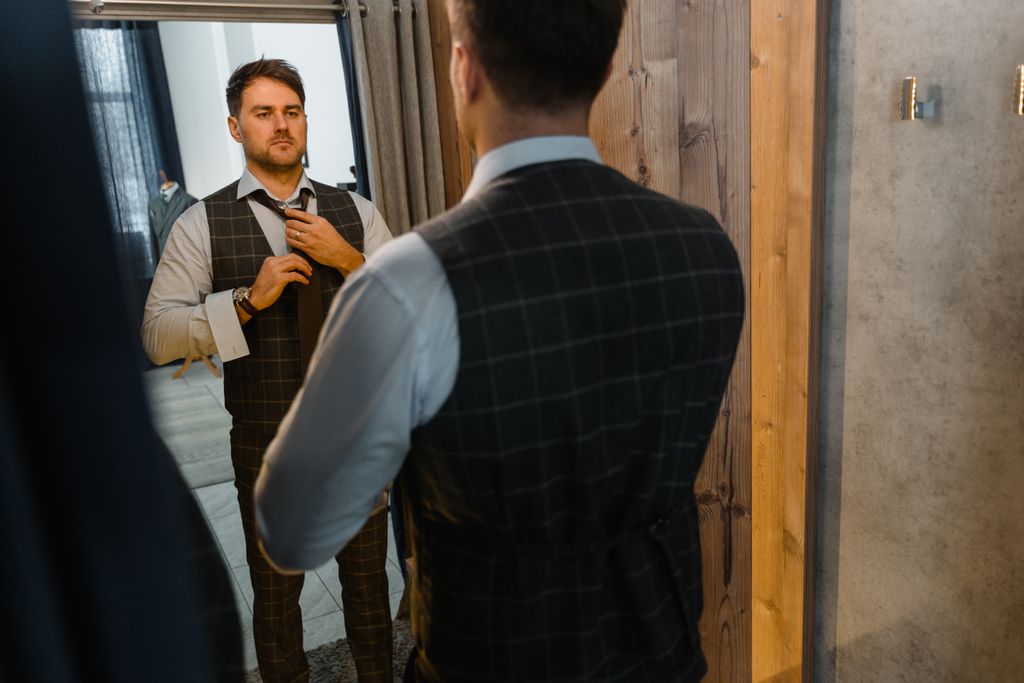
Arrive ten to fifteen minutes early. Use the extra time to check your appearance in a mirror or a restroom. Straighten your tie or collar, check your hair, and make sure your shirt is tucked in and your shoes are clean. Take a deep breath, smile, and walk in with good posture.
During the interview, sit up straight and keep your hands relaxed. Do not fidget with your clothes, jewellery, or hair. If you feel nervous, focus on the interviewer’s question and your answer, not on how you look. You have already done the work on your appearance — now let your skills speak.
After the interview, your outfit has done its job. If you want to prepare for the questions themselves as well as you prepared your outfit, read our guide to common interview questions and answers and practise your answers out loud before your next interview.
Common Mistakes to Avoid
Dressing for Yourself Instead of the Employer
Your favourite outfit may not be the right outfit for the job. Choose clothes that match the employer’s culture, not just your personal taste. You can express your style once you have the job.
Wearing Something New Without Testing It
Never wear a brand-new outfit to an interview without trying it on at home first. New shoes can hurt, new shirts can be tight, and new trousers can be too long. Test everything in advance.
Overdoing Accessories or Makeup
One statement piece is enough. Too many accessories, heavy makeup, or strong scent distracts the interviewer from what you are saying. Keep it simple and let your answers stand out.
Ignoring the Weather
Check the forecast and dress for the weather as well as the interview. A smart coat in winter, a breathable shirt in summer, and an umbrella if rain is expected will keep you comfortable and looking neat when you arrive.
Forgetting the Details
A missing button, a stain, or dirty shoes can undo an otherwise perfect outfit. Check the details the night before and again in the morning. Small things matter in first impressions.
Interview Outfit Checklist
Use this checklist the night before and again on the morning of your interview.
- Outfit chosen to match the industry and one step smarter than the job
- Clothes clean, ironed, and free of stains, loose threads, and pet hair
- Trousers, skirt, or dress fit well when sitting as well as standing
- Shirt or blouse clean, well-fitting, and neatly tucked or arranged
- Blazer or jacket fits across the shoulders and buttons comfortably
- Shoes clean, polished, and comfortable, with socks or tights to match
- Hair clean, neat, and out of your face; beard trimmed or clean-shaven
- Nails clean and trimmed; makeup natural if worn
- Deodorant applied; no strong perfume or cologne
- Minimal, simple jewellery; watch and wedding ring only if you wear them
- Bag or folder clean and professional, with printed resumes, pen, and notebook
- Route planned, address saved, and two alarms set
- Outfit tried on in advance and worn comfortably for at least an hour
Conclusion
Knowing how to dress for an interview is not about fashion or money. It is about showing respect, understanding the workplace, and giving yourself the confidence to perform at your best. Dress one step smarter than the job, choose clothes that fit well in neutral colours, keep everything clean and pressed, and pay attention to grooming and details. Match your outfit to the industry, whether that means a formal suit, smart business casual, neat tech casual, or practical clothes for healthcare, trades, and service roles.
You do not need an expensive wardrobe. You need one good outfit that fits, a pair of clean shoes, and the habit of preparing the night before. Lay out your clothes, polish your shoes, pack your resume, and get a good night’s sleep. Then walk in, sit tall, and focus on your answers. Your outfit will have already told the interviewer that you are serious, professional, and ready to work. For current employment trends and occupation data that can help you understand the industry you are entering, the U.S. Bureau of Labor Statistics is a reliable, authoritative source to check before your interview.
FAQ
What should I wear to an interview if I do not own a suit?
You do not need a suit for most interviews. For business casual and many other roles, dark smart trousers or a knee-length skirt with a clean shirt or blouse and a blazer is enough. For tech and startup roles, dark jeans or chinos with a neat shirt can work. Focus on fit, cleanliness, and a polished overall look rather than owning a suit.
Can I wear jeans to a job interview?
It depends on the industry. Jeans are usually not appropriate for corporate, finance, law, or formal office roles. In tech, startups, and some creative roles, dark jeans with no rips, in good condition, paired with a neat shirt and smart shoes can be acceptable. When in doubt, choose smart trousers instead — it is always the safer option.
What colours are best for an interview outfit?
Navy, charcoal grey, black, and dark brown are the safest colours for suits, trousers, and skirts. White, light blue, and pale colours work well for shirts and blouses. You can add a small touch of colour with a tie, scarf, or blouse, but keep the main outfit neutral so the interviewer focuses on you, not your clothes.
Should I wear a tie to an interview?
Wear a tie for corporate, finance, law, and other formal roles. For business casual roles, a tie is usually optional, and a smart shirt with a blazer is enough. For tech, creative, and casual roles, a tie is rarely needed. If you are unsure, bring a tie with you and decide when you arrive, or wear one — being slightly overdressed is better than being underdressed.
How should I dress for a video interview?
Dress as you would for an in-person interview, at least from the waist up, and wear full smart clothes anyway for confidence. Choose a solid colour top that looks good on camera, avoid busy patterns and pure white, and check your lighting and background the day before. Good lighting, a tidy background, and a neat top make a strong impression on video.