How to Become a Police Officer: Steps, Requirements and Training
Learning how to become a police officer is a practical goal for many people who want stable work, a clear career path, and a job that serves their community. Police officers patrol neighbourhoods, respond to emergencies, investigate crimes, help victims, enforce traffic laws, and keep public spaces safe. The work is demanding, physical, and sometimes stressful, but it also offers structure, training, benefits, and real chances to move up.
This guide explains the full process in plain English. You will learn the basic requirements, the education that helps, the written and physical tests, the background check, the police academy, field training, and how to apply. Requirements vary by state and department, so this is a US-first guide with general ranges. Always check your state and the department you want to join for the exact rules before you apply.
Table of Contents
Quick Answer
To become a police officer in the United States, you usually need to be at least 18 or 21 years old, be a US citizen or lawful permanent resident depending on the department, hold a high school diploma or GED, hold a valid driving licence, pass a written exam, pass a physical fitness test, pass a background investigation, pass a medical exam and psychological screening, and complete police academy training followed by field training.
Most departments set the minimum age at 21, although some hire at 18 or 20 for certain roles. A college degree is not always required, but an associate degree or bachelor’s degree in criminal justice or a related subject can improve your chances, especially for federal roles and promotion later. The full process from application to working alone on patrol often takes six months to more than a year. Academy training itself commonly lasts around four to six months, although the length varies by state and department.
If you meet the basic requirements, the best next step is simple: pick two or three departments you would like to work for, read their official recruitment pages carefully, and start preparing for the written test and the fitness test at the same time. Early preparation makes the whole process easier.
What a Police Officer Does Day to Day
A police officer’s work changes from one shift to the next. One day may be mostly patrol and traffic stops. Another day may involve responding to a burglary, helping at a road accident, taking statements from witnesses, or attending a community meeting.
Patrol is the core of the job for most new officers. You drive a set area, watch for crime and safety problems, respond to calls from dispatch, and write reports. You may stop vehicles for traffic offences, check on suspicious activity, and help people who are lost, injured, or in danger.
Officers also investigate crimes. That can mean securing a scene, collecting basic evidence, interviewing victims and witnesses, checking CCTV or records, and preparing a case file. Larger or more complex cases are often passed to detectives, but patrol officers do the first and most important work at the scene.
Other duties include:
- Responding to emergency calls, including 911 calls
- Making arrests when the law allows it
- Giving evidence in court
- Helping at accidents, fires, and public events
- Enforcing local laws and traffic rules
- Working with schools, businesses, and community groups
- Writing clear, accurate reports after every incident
The job also involves a lot of paperwork and communication. A good officer writes clearly, listens carefully, stays calm under pressure, and treats people fairly. Physical strength matters, but judgement, patience, and communication matter just as much.
Shifts are rarely nine-to-five. Many departments use rotating shifts, nights, weekends, and holidays. Overtime is common, especially for court appearances and major incidents. If you want regular office hours, policing is probably not the right fit. If you want varied work and you are comfortable with shift work, it can be a strong match.
Types of Police Officer Jobs
Not every police officer does the same job. Understanding the main types helps you choose the right path and the right department.
Local and Municipal Police
Local police departments serve a city or town. They handle patrol, traffic, emergency response, and local crime. This is the most common route into policing, and most new officers start here.
County Sheriff’s Departments
Sheriff’s deputies work for a county. They may patrol unincorporated areas, run the county jail, serve court papers, and provide court security. In some counties, deputies do very similar work to city police officers.
State Police and Highway Patrol
State troopers patrol highways, investigate serious crashes, and support local departments. They often cover large areas and may travel more than city officers. State agencies usually have their own academy and strict standards.
Federal Law Enforcement
Federal roles include the FBI, US Marshals, Drug Enforcement Administration, Bureau of Alcohol, Tobacco, Firearms and Explosives, US Customs and Border Protection, and other agencies. These roles usually require a bachelor’s degree, are highly competitive, and have their own separate application process. Many federal officers start in local or state policing first.
Specialised Roles
After a few years on patrol, officers can apply for specialised work. Examples include:
- Detective or criminal investigator
- Traffic and crash investigation
- K-9 unit, working with a police dog
- SWAT or tactical response
- Community policing and school resource officer
- Cybercrime and fraud investigation
- Narcotics and vice
- Forensics and crime scene work
- Training officer and academy instructor
- Supervision, such as sergeant, lieutenant, and captain
You do not need to choose a specialism before you join. Most officers spend their first years on patrol, learn the basics well, and then apply for specialist posts when they are ready.
Is Policing the Right Career for You?
Before you apply, it helps to be honest about what the job asks of you. Policing suits people who are calm, reliable, physically active, and comfortable making decisions under pressure. If that sounds like you, learning how to become a police officer starts with an honest look at the job itself.
You may be a good fit if you:
- Stay calm when other people are upset or angry
- Can follow rules and procedures carefully
- Are willing to work nights, weekends, and holidays
- Can write clearly and remember details
- Enjoy helping people and working outdoors
- Can pass a fitness test and keep up regular exercise
- Are comfortable with responsibility and public scrutiny
Policing may be harder if you want a quiet desk job, fixed hours, or very low stress. The work can involve danger, long hours, difficult scenes, and public criticism. Support from family, good sleep, exercise, and healthy ways to manage stress all help.
Talk to officers if you can. Many departments run ride-along programmes, open days, and recruitment events. A ride-along lets you see a real shift before you commit. Ask officers what they enjoy, what is hard, and what they wish they had known before joining.
Basic Requirements to Become a Police Officer
Requirements vary by state and department. The list below covers the most common rules in the United States. Always check your state and your chosen department for the exact version.
Age
Most departments require applicants to be at least 21 years old by the time they start the academy or are sworn in. Some departments accept applicants at 18 or 20, especially for cadet or trainee roles. There is often no strict upper age limit, but you must still pass the physical and medical tests.
Citizenship and Residency
Most departments require US citizenship. Some departments now accept lawful permanent residents, and rules are changing in some states. Check the department’s official page. Some departments also require you to live within a certain distance of the area you serve, or to move there after you are hired.
Education
The minimum is usually a high school diploma or GED. Some departments require some college credits, an associate degree, or a bachelor’s degree. Federal agencies almost always require a bachelor’s degree.
A degree is not a guarantee of a job, but it can help in three ways. It can make your application stronger, it can help with promotion later, and it can open federal roles. Criminal justice, criminology, psychology, sociology, and public administration are common choices. A degree in another subject is also useful if you can show good judgement, communication, and problem-solving skills.
Driving Licence
You will almost always need a valid driving licence. A history of serious driving offences, a suspended licence, or many recent tickets can hurt your application. Keep your driving record clean while you prepare.
Criminal History
You must usually have no felony convictions. Some misdemeanours may also disqualify you, depending on the offence, how long ago it happened, and department policy. Domestic violence convictions are a serious barrier in most departments.
Minor offences from many years ago do not always end your chances, but honesty matters more than anything. Lying on an application or during a background check is far more damaging than admitting a past mistake. Departments expect you to disclose everything they ask for.
Drug Use
Departments have strict rules about illegal drug use. Recent use, regular use, or use of certain drugs can disqualify you. Prescription medicines are different, but you must declare them when asked and follow the department’s medical process. Do not try to hide drug history. Background investigators will find it, and hiding it will end your application.
Physical and Medical Fitness
You must be physically fit enough to pass the fitness test and the medical exam. You will also need good vision and hearing, with or without correction depending on department rules. Some departments set minimum vision standards, such as corrected vision to a set level. Medical conditions are judged case by case, so check the department’s medical standards if you have a condition you are worried about.
Character and Background
Departments look for honesty, reliability, and good judgement. They check your work history, school record, credit history in some cases, social media, and references. A stable work history, good references, and a clean public record all help. Poor credit alone does not usually disqualify you, but serious unpaid debts, fraud, or financial problems can raise questions about judgement and vulnerability to corruption.
Education: What to Study and How Much You Need
You can become a police officer with only a high school diploma in many departments, but education still matters. The right study can prepare you for the written test, the academy, and promotion.
High School
If you are still at school, focus on English, maths, civics, and physical education. English helps with report writing and the written exam. Civics helps you understand the law and government. Sport and fitness help you prepare for the physical test.
Associate Degree
An associate degree in criminal justice or law enforcement usually takes about two years. It covers policing, criminal law, criminology, ethics, and communication. It can be a good middle step if you want stronger preparation without committing to a four-year degree straight away.
Bachelor’s Degree
A bachelor’s degree usually takes about four years. It is often required for federal jobs and for faster promotion to sergeant, lieutenant, or detective in larger departments. Criminal justice is the most direct choice, but psychology, sociology, political science, and public administration are also useful.
A degree does not replace academy training. You will still need to complete the academy and field training after you are hired, even if you have a degree.
Short Courses and Certificates
Short courses in first aid, conflict resolution, report writing, and community safety can help, but they are not a substitute for the academy. Do not pay for expensive private “police training” courses that promise a job. Departments train you themselves after they hire you. Check with the department before spending money on any course.
Military Service
Military service can be a strong advantage. Veterans often get preference points in hiring, depending on state and department rules. Military training also builds discipline, fitness, teamwork, and experience under pressure. If you are a veteran, ask the department about veteran preference and how to claim it.
How to Become a Police Officer: Step-by-Step Process
The process is similar in most departments, although the order of tests can vary. Here are the main steps, in the order most applicants follow them.
Step 1: Research Departments and Check You Qualify
Start by listing departments you would like to work for. Look at their size, location, pay, shift patterns, and recruitment pages. Check the minimum age, education, citizenship, driving, and fitness rules. Make sure you meet them before you apply.
Do not apply to dozens of departments at random. Pick a small number that fit your life, your location, and your long-term goals. You can widen your search later if you need to.
Step 2: Prepare for the Written Test and Fitness Test
Preparation should start weeks or months before you apply. The written test often covers reading comprehension, writing, maths, memory, observation, and judgement. You can practise with sample tests, reading, and timed exercises.
For fitness, follow the department’s published test standards. Common tests include a timed run, push-ups, sit-ups, and an obstacle or agility course. Train regularly, not just in the final week. A steady plan of running, strength work, and stretching is better than a sudden crash programme.
Step 3: Submit Your Application
Most departments use an online application. You will need personal details, education history, work history, driving history, and references. Fill it in carefully and honestly. Any gap, error, or missing detail can slow your application down.
Keep copies of your documents ready: ID, birth certificate or passport, high school diploma or degree certificates, driving licence, and any military discharge papers if relevant.
Step 4: Take the Written Exam
The written exam tests whether you can read, write, think clearly, and follow instructions under time pressure. It is not a test of police law. It is a test of basic skills you will use every day.
Typical topics include:
- Reading a short passage and answering questions about it
- Spelling, grammar, and clear writing
- Basic maths, such as percentages and simple calculations
- Memory and observation, such as remembering details from a picture or description
- Situational judgement, such as choosing the best action in a realistic scenario
Practise under timed conditions. Read the questions carefully, answer the easy ones first, and do not leave questions blank unless the instructions say that wrong answers lose marks.
Step 5: Pass the Physical Fitness Test
The physical test checks whether you can handle the physical demands of the academy and patrol work. The exact test varies, but it often includes:
- A timed run, often 1.5 miles
- Push-ups and sit-ups in a set time
- A sprint or agility run
- An obstacle course that simulates chasing, climbing, and carrying
- A grip or strength test
Train for the exact test your department uses. Practise the run at the required pace, build upper-body strength, and work on core strength. Also practise running in the shoes and clothes you will wear on test day. Eat well, sleep well, and avoid a heavy workout the day before the test.
Step 6: Pass the Oral Interview
The oral interview, sometimes called the oral board, is a panel interview with officers and sometimes civilian staff. They ask about your motivation, judgement, honesty, and how you would handle real situations.
Common questions include:
- Why do you want to become a police officer?
- What would you do if you saw another officer break the rules?
- How would you handle an angry member of the public?
- Tell us about a time you solved a difficult problem.
- What are your strengths and weaknesses?
Give short, honest, specific answers. Use real examples from work, school, sport, or volunteering. Do not memorise long speeches. Show that you understand the job, that you are calm, and that you take responsibility seriously.
Dress smartly, arrive early, make eye contact, and listen to the full question before you answer. If you do not know something, say so honestly rather than guessing.
Step 7: Pass the Background Investigation
The background investigation is one of the longest and most detailed parts of the process. An investigator will check your history in depth. This can take weeks or months.
They may check:
- Criminal records and court records
- Driving history and traffic offences
- Employment history and reasons for leaving jobs
- Education records
- Credit history
- Social media and online activity
- References from employers, teachers, neighbours, and friends
- Military records if you served
They may also visit your home, talk to people who know you, and ask you to complete a long personal history form. Be honest and complete. Small mistakes from the past are often less important than lying about them now.
Before you apply, clean up your public social media. Remove posts that show illegal behaviour, hate, or poor judgement. Think about what a future employer would see if they searched your name.
Step 8: Pass the Polygraph Test
Many departments use a polygraph, often called a lie detector test, as part of the background process. You will be asked about drug use, criminal activity, theft, honesty at work, and other topics from your application.
A polygraph is not perfect, and it is not used alone to decide your fate in every department. The main point is consistency. Your answers should match what you wrote on your forms and what you told the investigator. Stay calm, answer clearly, and do not try to trick the test.
Some states limit how polygraph results can be used. Check your state rules if you are concerned, and ask the department how they use the test.
Step 9: Pass the Medical Exam and Psychological Screening
The medical exam checks your general health, vision, hearing, blood pressure, and fitness for duty. You may need a drug test, blood tests, and a check of past medical records. Be honest about medical conditions and medicines. Hiding a condition can cause problems later.
The psychological screening usually includes written tests and an interview with a psychologist. It looks at stress tolerance, judgement, emotional stability, and suitability for police work. There is no single “right” personality, but the screening looks for signs that you can handle pressure, follow rules, and make sound decisions.
Step 10: Complete the Police Academy
If you pass all the earlier stages, you will be offered a place at the police academy. This is full-time, intensive training. You will learn the law, procedures, defensive tactics, firearms safety, driving, first aid, report writing, and community policing.
Academy life is structured and disciplined. Expect early starts, physical training, classroom work, and practical exercises. You will be tested regularly. Treat it like a job from day one: be on time, follow instructions, study every evening, and support your classmates.
Step 11: Complete Field Training
After the academy, you will work with a field training officer, an experienced officer who supervises you on real patrol. This usually lasts several weeks to several months. You will handle calls, write reports, make stops, and learn how your department works in practice.
Your training officer will give you feedback and grade your work. Listen, ask questions, and learn from mistakes. This is the stage where classroom learning becomes real policing.
Step 12: Probation and Working Alone
After field training, you will usually enter a probationary period. You will patrol on your own or with a partner, but your work will still be reviewed. Probation often lasts six months to a year. If you complete it successfully, you become a fully sworn officer.
Keep learning after probation. Good officers keep studying the law, improving their fitness, and learning from experienced colleagues. Your first year is only the start.
What Happens at the Police Academy?
The police academy is where you learn to be an officer. It is not like school, and it is not like military basic training, although it shares elements of both. It is a mix of classroom learning, physical training, and practical skills.
Classroom Learning
Classroom topics usually include:
- Criminal law and the constitution
- Traffic law and road safety
- Arrest procedures and use of force rules
- Search and seizure rules
- Evidence handling
- Report writing and note-taking
- Ethics and professional standards
- Community policing and diversity
- Mental health awareness and crisis response
- Domestic violence and victim support
You will need to pass written exams. Study little and often, take clear notes, and revise with classmates. Report writing is especially important. A report must be accurate, clear, and complete, because it may be used in court.
Practical Skills
Practical training usually includes:
- Defensive tactics and safe restraint techniques
- Firearms safety and marksmanship
- Emergency vehicle driving
- First aid and CPR
- Radio communication and dispatch procedures
- Handcuffing, searching, and scene safety
- Simulated calls, traffic stops, and arrests
Safety is stressed at every stage. You will learn when force is allowed, when it is not allowed, and how to de-escalate a situation so that force is not needed. Good officers use communication first whenever it is safe to do so.
Physical Training
Expect regular running, strength work, and defensive tactics. You will be tired, especially in the first weeks. Eat well, drink water, sleep when you can, and look after minor injuries early. Do not try to train through a serious injury without telling the academy medical staff.
Discipline and Teamwork
Academies run on clear rules, punctuality, and respect for instructors and classmates. You will be expected to keep your uniform and equipment clean, follow orders, and work as part of a team. Officers who struggle in the academy often struggle not because they lack ability, but because they do not manage time, study, or stress well.
Ask for help early if you are falling behind. Instructors would rather help you in week three than fail you in week twelve.
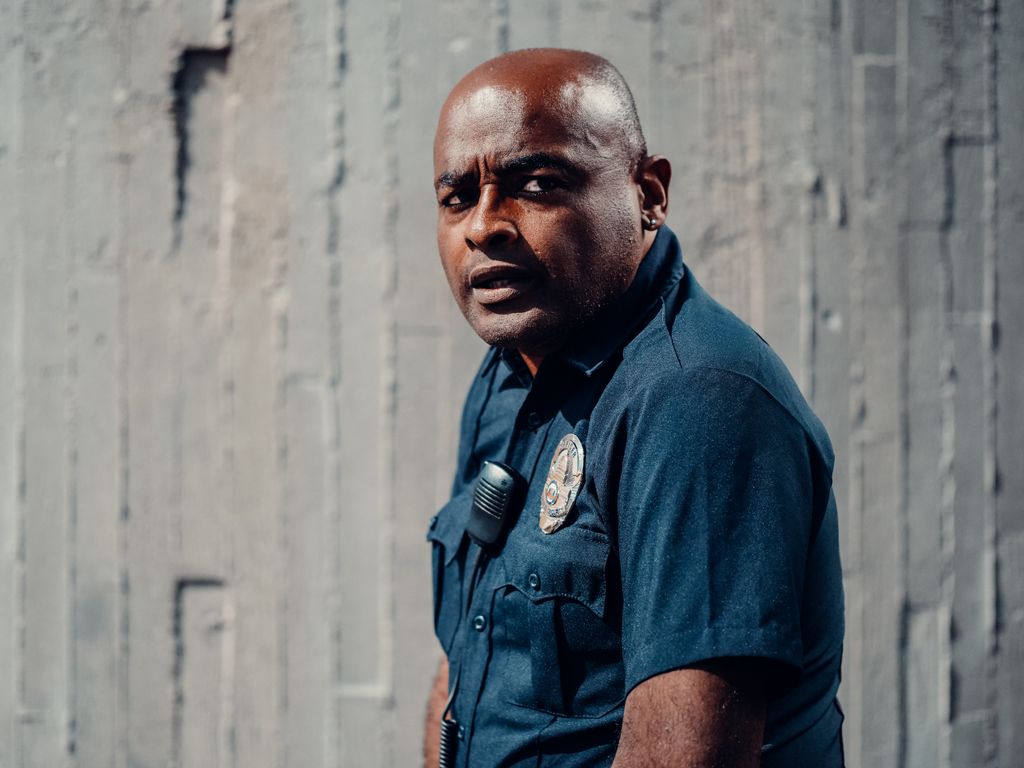
How Long Does It Take to Become a Police Officer?
There is no single answer, because departments move at different speeds and applicants move through the stages at different speeds. This timeline shows how long learning how to become a police officer usually takes from first application to probation.
A realistic timeline looks like this:
- Research and preparation: one to three months
- Application, written test, and fitness test: one to three months
- Interview and background investigation: two to six months
- Medical and psychological screening: a few weeks
- Police academy: about four to six months in many departments, although some are shorter and some are longer
- Field training: about two to four months
- Probation: about six to twelve months
In total, many people take about nine months to eighteen months from first application to working as a probationary officer on patrol. Some complete it faster. Others take longer because of academy waiting lists, background checks, or a failed test that they need to retake.
Plan for a long process. Keep your current job until you have a firm start date. Keep training and studying while you wait, so you are ready when the academy calls.
If you fail a stage, ask what happened and whether you can retake it. Many departments allow you to reapply after a set period. A failed fitness test is often fixable with more training. A failed written test is often fixable with more practice. A failed background check for dishonesty is much harder to fix, which is another reason honesty matters from the start.
Police Officer Salary, Benefits and Career Progression
Pay varies widely by location, department size, and experience. Large cities and high-cost areas usually pay more than small towns and rural areas. Starting pay is lower than pay after a few years, and overtime, shift pay, and specialist allowances can add to basic pay.
For a general picture of pay and job outlook, check the US Bureau of Labor Statistics for the latest national data on police and sheriff’s patrol officers. Pay figures change over time, and local departments publish their own pay scales, so always verify the current figures on the official recruitment page for the department you want to join.
Benefits often include:
- Health insurance and dental cover
- Paid holiday and sick leave
- Pension or retirement plan
- Life insurance
- Uniform and equipment provided
- Paid training
- Overtime pay
- Opportunities for promotion and specialist pay
Career progression is usually clear. A typical path is officer, then senior officer or corporal, then sergeant, lieutenant, captain, and higher command roles. Promotion usually requires experience, good performance, extra training, and passing a promotion exam or assessment.
Detectives are another path. Many detectives start on patrol, gain experience, and then apply for an investigator role. Federal roles, training roles, and community roles are also possible after a few years.
Do not choose policing only for the pay. The pay can be good, especially after promotion and with overtime, but the hours, risk, and stress are real. Choose it because the work itself fits you and because you are willing to do the training and the shift work.
When you reach the job offer stage, it helps to understand the full package, not just the starting salary. Pension, health cover, holiday, and overtime rules can matter as much as the headline pay. If you are moving into your first full-time job, read our guide on how to negotiate salary for your first job before you accept, so you can ask clear questions about pay steps, allowances, and progression.
How to Apply: A Practical Plan
A strong application is clear, honest, and complete. You do not need to be perfect. You need to show that you are prepared, reliable, and serious. These steps apply to anyone learning how to become a police officer, whatever department you choose.
Choose the Right Department
Think about where you want to live, what type of work you want, and what size of department suits you. A large city department may offer more specialist roles and faster promotion, but also more pressure and a longer commute. A small department may offer closer teamwork and a quieter area, but fewer specialist options.
Check the department’s values, community work, and recent news. If you can, attend a recruitment event or speak to a recruiter. Ask about the academy, field training, shift patterns, and the realistic timeline.
Prepare Your Documents Early
Gather these documents before you apply:
- Photo ID and proof of citizenship or residency
- Birth certificate or passport
- High school diploma, GED, or degree certificates
- Driving licence and driving record if requested
- Military papers if you served
- Work references and contact details for past employers
Keep both paper and digital copies in a safe place. Missing documents can delay your application.
Build a Strong CV and Application
Your application is the first impression a department gets. It should be clear, accurate, and free of spelling errors. List your education, work history, volunteering, and any relevant skills such as first aid, languages, or community work.
If you need help presenting your experience clearly, our guide on how to write a resume explains how to structure a CV, what to include, and how to avoid common mistakes. Adapt the advice to a police application, and keep the focus on reliability, teamwork, communication, and public service.
Do not exaggerate. Do not invent jobs, qualifications, or experience. Background investigators check these details, and any false claim can end your application.
Prepare for Every Test Separately
Treat each test as its own task. For the written test, practise reading, writing, and timed questions. For the fitness test, follow a training plan that matches the test. For the interview, prepare real examples and practise answering out loud.
Do not leave preparation to the last week. A steady plan over eight to twelve weeks is far more effective than a rushed final push.
Stay Fit and Healthy
Fitness is not just for the test. It is for the academy, for patrol, and for your long-term health. Build a routine you can keep: running or brisk walking, strength work, stretching, good sleep, and balanced food. Avoid smoking and limit alcohol while you prepare. If you have a health concern, speak to a doctor early and follow their advice.
Common Mistakes That Hurt Police Applications
Many good applicants fail for avoidable reasons. Here are the most common mistakes, and how to avoid them.
Applying Before You Are Ready
Applying before you can pass the fitness test or the written test wastes time and can create a failed attempt on your record. Some departments limit how often you can reapply. Prepare first, then apply when you are ready.
Lying or Leaving Out Information
This is the biggest mistake. Departments expect honesty about past jobs, driving offences, drug use, debts, and criminal history. If you lie and the investigator finds out, your application will almost certainly end. If you are honest, a minor past issue may not end it.
Poor Driving Record
A recent drink-driving offence, a suspended licence, or many speeding tickets can disqualify you. Drive carefully, pay fines on time, and keep your licence valid.
Neglecting Social Media
Investigators and recruiters may look at your public posts. Photos or comments that show illegal behaviour, bullying, hate, or poor judgement can damage your chances. Review your accounts, remove risky posts, and tighten your privacy settings.
Weak Interview Answers
Vague answers, memorised speeches, and answers that show you do not understand the job all hurt you. Prepare real examples, listen to the question, and answer directly. Show that you know policing involves paperwork, shift work, and community contact, not only action.
Poor Fitness
Many applicants fail the run or the strength test because they did not train for the exact test. Train for the test you will take, not for general fitness alone. Practise the run distance, the push-up form, and the sit-up form the department uses.
Ignoring the Background Form
The personal history form is long and detailed. Rushing it, leaving gaps, or giving inconsistent dates can slow your application and raise questions. Fill it in slowly, check your dates, and keep a copy for yourself so your later answers match.
Giving Up After One Failure
Many officers failed a test or were rejected once before they were hired. If you fail, ask for feedback, fix the weak area, and reapply when you are allowed to. Persistence and honest improvement are valued in policing.
How to Prepare for the Written Exam in Detail
The written exam is often the first major hurdle. It does not test police knowledge. It tests the basic skills you will use as an officer.
Reading Comprehension
You will read short passages and answer questions. The passages may be about laws, procedures, or everyday situations. Practise reading carefully and finding the main point. Do not assume facts that are not in the text.
Read news articles, official guidance, and short reports. After each one, ask yourself: what happened, who was involved, when did it happen, and what was the result? This builds the habit of reading for detail.
Writing and Grammar
You will need to write clearly and correctly. Practise spelling, punctuation, and sentence structure. Write short reports about your day, a news story, or a simple incident. Keep sentences short and clear. Avoid slang and avoid long, confusing sentences.
Maths
The maths is usually basic. You may need to calculate percentages, times, distances, and simple totals. Practise mental maths and simple written calculations. Use a timer so you get used to working under pressure.
Memory and Observation
Some tests show you a picture, a description, or a short video, then ask you to recall details. Practise by looking at a scene for one minute, then writing down everything you remember: colours, numbers, people, vehicles, and positions.
This skill is also useful on patrol. Good officers notice details and remember them accurately.
Situational Judgement
You may be given a scenario and asked to choose the best action. Think about safety, the law, fairness, and communication. The best answer is usually the calm, lawful, and proportionate one, not the most aggressive one.
Practise by thinking through everyday situations: what would you do if two people were arguing in the street, if a driver was upset after a crash, or if a colleague asked you to ignore a small rule? Think about the consequences of each choice.
How to Prepare for the Physical Fitness Test in Detail
Physical preparation is just as important as written preparation. The test is designed to check whether you can do the job safely, not whether you are an elite athlete.
Know the Exact Test
Do not train for a generic fitness test. Find the exact test for your department: the run distance and time limit, the number of push-ups and sit-ups, the agility course, and any other elements. Train for those exact movements.
Build a Weekly Plan
A simple weekly plan could include:
- Three runs per week, including one longer slow run and one faster interval session
- Two strength sessions per week, including push-ups, sit-ups, squats, and core work
- One agility or circuit session per week
- Stretching after every session
- One full rest day per week
Increase your training gradually. Do not double your running distance in one week. Small, steady progress is safer and more sustainable.
Practise the Test Itself
Once a month, do a full practice test under test conditions. Time your run, count your push-ups with correct form, and practise the obstacle course if you can. This shows you where you are weak and builds confidence.
Eat, Sleep, and Recover
Eat regular meals with protein, carbohydrates, and vegetables. Drink water through the day. Sleep seven to nine hours when you can. Avoid heavy training the day before the test, and eat a normal meal before it. Do not try a new supplement, diet, or workout on test day.
If You Have an Injury
If you are injured, get medical advice and adjust your training. Training through pain can make an injury worse and delay your application by months. Tell the department if an injury affects your test date, and ask about rescheduling if the rules allow it.
How to Prepare for the Background Check
The background check can feel intrusive, but it has a clear purpose: to make sure officers are honest, reliable, and suitable for public trust. You can prepare for it in practical ways.
Start by gathering your full history: every address you have lived at, every job you have held, every school you attended, and the contact details for references. Check dates carefully. If you are unsure about a date, find the record rather than guessing.
Tell your references in advance. Choose people who know you well and can speak honestly about your character, work, and reliability. Good references include past employers, teachers, coaches, and long-term friends. Do not choose family members unless the department specifically asks for them.
Be ready to explain any gaps in employment, any job you left quickly, any debts, and any past mistakes. A clear, honest explanation is far better than a vague answer or a denial. Investigators are used to hearing about imperfect histories. They are looking for honesty and growth, not perfection.
Check your credit report if you live in the US and the department will check it. Look for errors, unpaid bills you forgot, and accounts you no longer use. Fix errors and make a plan to pay what you owe. You do not need perfect credit, but you do need to show that you manage money responsibly.
Finally, be patient. Background checks take time because investigators contact many people and check many records. Keep working, keep training, and respond quickly when the investigator contacts you.
How to Prepare for the Interview
The interview is your chance to show who you are, not just what is on paper. Preparation makes a real difference.
Write down five or six real examples from your life that show useful qualities: teamwork, calm under pressure, honesty, helping others, solving a problem, and learning from a mistake. For each example, note what happened, what you did, and what the result was. Keep each example short enough to tell in one or two minutes.
Practise answering common questions out loud, ideally with a friend or family member asking them. Ask them to give you honest feedback on whether your answers are clear, specific, and confident.
Research the department before the interview. Know its size, area, values, and recent community work. Be ready to explain why you want to join that department, not just any department.
On the day, dress smartly, arrive early, bring your documents, and switch your phone off. Listen carefully, answer the question that was asked, and do not rush. It is better to pause for a few seconds and give a clear answer than to rush into a confused one.
If you are asked a difficult ethical question, think about the law, public safety, honesty, and fairness. Explain your reasoning, not just your final choice. Interviewers want to see how you think, not only what you choose.
What If You Are Not a US Citizen or You Live Outside the US?
This guide is US-first, but many readers are in Europe or elsewhere. The general idea is the same in most countries: you apply to a police force, pass written and physical tests, pass background and medical checks, and complete academy training.
The details vary a lot by country. In the United Kingdom, for example, routes include the Police Constable Degree Apprenticeship and the Degree Holder Entry Programme. In many European countries, you apply to a national or regional police force, and language, citizenship, and residency rules are strict. Some countries require you to speak the national language fluently and to have lived there for a set number of years.
If you are outside the US, do not follow US age, education, or test rules as if they apply to you. Find the official recruitment page for the police force in your country or region, and follow its rules exactly. The preparation advice in this guide — fitness, honest applications, interview practice, and clear writing — still applies in most places.
If you are in the US but not yet a citizen, check whether your state and department accept lawful permanent residents. Rules are changing in some places, but they are not the same everywhere. Do not assume you qualify until you have read the official page.
Life as a New Police Officer
Your first year is a learning year. You will make mistakes, you will feel tired, and you will learn more in a month on patrol than in a month in the classroom. That is normal.
Good habits for new officers include:
- Asking questions instead of guessing
- Writing reports the same day, while details are fresh
- Keeping your uniform, equipment, and vehicle clean and ready
- Learning the streets, neighbourhoods, and local issues in your area
- Building good relationships with colleagues, dispatchers, and community members
- Looking after your sleep, food, and exercise, even on shift work
- Talking to a supervisor or support service if a call affects you
Policing can expose you to difficult scenes. Most departments offer peer support, counselling, and wellbeing services. Use them early if you need them. Asking for support is a sign of professionalism, not weakness.
Over time, you will build confidence, judgement, and local knowledge. You will learn which situations need a firm response, which need patience, and which need help from other services such as mental health teams, social services, or medical staff.
Promotion and Long-Term Career Options
Policing offers a clear ladder if you want to move up, and specialist options if you prefer to stay on patrol but develop a skill.
Promotion usually depends on time in service, performance, training, and passing a promotion process. In many departments, you can apply for sergeant after a few years. Sergeant is the first supervisory rank in many forces. From there, you can aim for lieutenant, captain, and higher roles.
Specialist roles often require experience, extra training, and a good record. A detective investigates serious crime. A traffic officer specialises in road safety and crash investigation. A K-9 officer works with a trained dog for search, tracking, or detection work. A training officer teaches new recruits. A community officer works closely with schools and local groups.
Some officers move into federal law enforcement after gaining local experience. Others move into teaching, private security management, or related public service roles later in their careers. The skills you build — communication, decision-making, report writing, teamwork, and crisis response — are useful in many jobs.
Keep a record of your training, achievements, and good work from the start. It will help with promotion applications, specialist applications, and future job moves.
Checklist: Are You Ready to Apply?
Use this checklist before you submit an application. You do not need to tick every item perfectly, but the more you can answer yes to, the stronger your application will be.
- I meet the minimum age for the department I want to join
- I meet the citizenship or residency rule for that department
- I hold a high school diploma, GED, or higher qualification
- I hold a valid driving licence with a clean or mostly clean record
- I have no felony convictions and I understand the department’s rules on past offences
- I can pass the written test after practice under timed conditions
- I can pass the physical fitness test for my chosen department
- I have trained for the exact run, push-up, sit-up, and agility standards used by that department
- I have read the department’s official recruitment page and I understand its process
- I have gathered my ID, education certificates, driving licence, and work history
- I have chosen reliable references and told them they may be contacted
- I have reviewed my public social media and removed risky posts
- I have a clear, honest, and error-free CV and application
- I can explain why I want to join this department, in my own words
- I understand that shifts include nights, weekends, and holidays
- I have a plan to stay fit, sleep well, and manage stress during the academy
- I am ready to be honest about my full history in the background check
- I have checked the current pay, benefits, and academy dates on the official department page
If you cannot tick several items yet, that does not mean policing is closed to you. It means you need more preparation time. Work through the weak areas one by one, then apply when you are ready.
Conclusion
Learning how to become a police officer is about more than passing one test. It is about meeting the basic requirements, preparing for the written and physical tests, passing a detailed background check, completing the academy, and learning on patrol with a training officer.
The process is long and demanding for a reason. Police officers hold public trust, carry responsibility for safety, and make decisions that affect people’s lives. Departments need to be sure that new officers are honest, fit, calm, and ready to learn.
If you are serious about this career, start with the basics: check that you qualify, choose a department, and build a steady preparation plan for the written test and the fitness test. Be honest in every form and interview, keep your driving and social media record clean, and treat the academy as the start of your professional life, not the end of your training.
Policing is not the right job for everyone. It involves shift work, stress, risk, and public scrutiny. For the right person, it also offers purpose, teamwork, job security, clear promotion, and the chance to make a real difference in a community every day. If that sounds like you, prepare carefully, apply with confidence, and keep improving at every stage.
FAQ
How long does it take to become a police officer?
In the United States, the full process often takes about nine months to eighteen months from first application to working as a probationary officer. This includes the application, tests, background check, academy training of about four to six months in many departments, and field training. The exact time varies by state and department, and waiting lists can add extra months. Check your state and department for the current timeline.
Do I need a college degree to become a police officer?
Not always. Many local and state departments only require a high school diploma or GED. Some departments require college credits or an associate degree, and federal agencies almost always require a bachelor’s degree. A degree in criminal justice or a related subject can strengthen your application and help with promotion, but you will still need to complete the academy and field training after you are hired.
What is the minimum age to become a police officer?
Most departments set the minimum age at 21 by the time you start the academy or are sworn in. Some departments accept applicants at 18 or 20, especially for cadet or trainee roles. There is often no strict upper age limit, but you must pass the physical and medical tests. Check your state and the department you want to join, because the rule varies.
What disqualifies you from becoming a police officer?
Common disqualifiers include felony convictions, certain misdemeanours, serious driving offences, recent illegal drug use, and lying on your application or during the background check. Poor vision or hearing that does not meet department standards, and some medical conditions, can also affect eligibility. Rules vary by state and department, so check the official recruitment page for the exact list before you apply.
Is the police academy hard?
Yes, the academy is demanding, but it is designed to be passable with preparation and effort. It combines classroom study, physical training, firearms safety, driving, first aid, and practical exercises, often with early starts and regular tests. Applicants who prepare physically, study regularly, manage their time well, and ask for help early usually cope best. Treat it like a full-time job, stay organised, and support your classmates.