
How to Become a CNA: Training, Certification and Salary
If you want to start working in healthcare quickly, without years of study and without large student debt, learning how to become a CNA is one of the fastest routes in. CNA stands for Certified Nursing Assistant, and CNAs are the frontline care workers in hospitals, nursing homes, and home care. They help patients with the everyday things that matter most — bathing, dressing, eating, moving, and feeling comfortable — and they are often the person a patient sees most.
Training takes weeks, not years, the exam is straightforward, and jobs are available in almost every town in America. This guide explains the full path: the training, the state certification exam, the costs, the salary, and the career ladder that a CNA qualification can open for you.
A CNA is not a nurse, and the job is honest about that. You will not diagnose patients or give medication. But you will be the person who notices that a patient has not eaten, that a wound looks different, or that someone who was cheerful yesterday is withdrawn today — and that noticing is what makes the difference between good care and poor care. For many people, the CNA role is a first step into nursing. For others, it is a rewarding career in itself. Either way, it is a qualification worth having, and this guide shows you how to get it.
Quick Answer
To become a CNA, complete a state-approved nurse aide training program, pass your state’s CNA competency exam (a written or oral test plus a hands-on skills test), pass a background check, and get listed on your state’s nurse aide registry. Training programs usually take four to twelve weeks, and the required training hours vary by state, so check your own state’s rules before you enrol.
Many employers and community colleges offer low-cost or free training, and some nursing homes will pay for your training if you agree to work for them afterwards. Once certified, you can work in hospitals, nursing homes, assisted living facilities, and home care, and your certification is the first step towards becoming a licensed practical nurse (LPN) or a registered nurse (RN) if you choose to go further.
Table of Contents
What Is a CNA? What Certified Nursing Assistants Actually Do
A Certified Nursing Assistant is a healthcare worker who provides basic, hands-on care to patients under the supervision of a registered nurse or a licensed practical nurse. The title is protected: you may only call yourself a CNA once you have passed your state’s exam and been placed on the state nurse aide registry. Until then, you are a trainee or a nursing assistant, not a certified one.
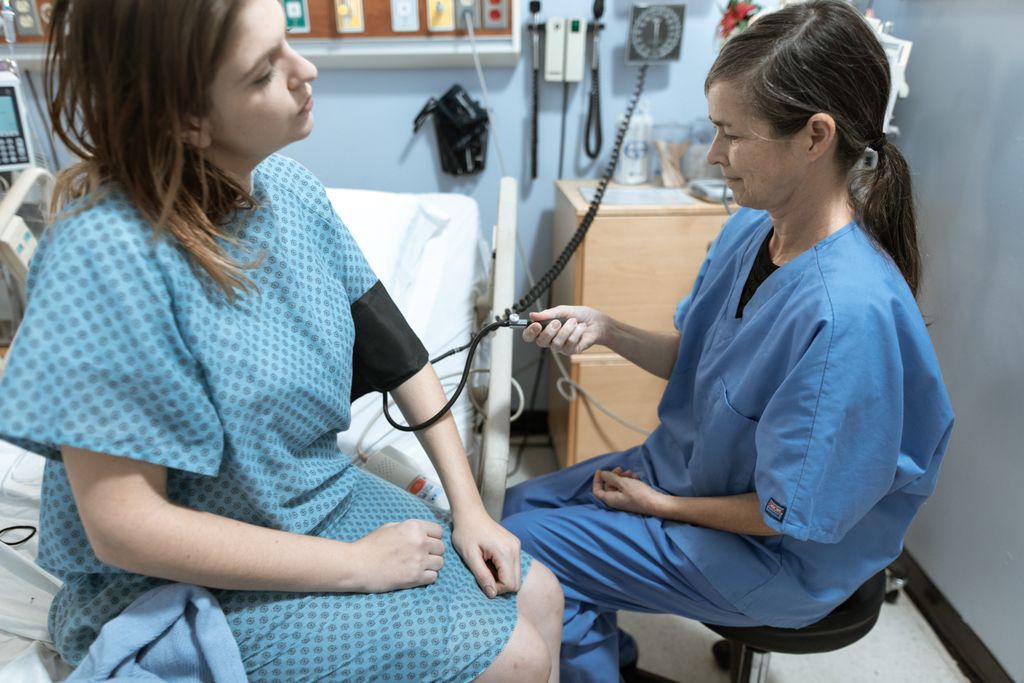
The daily work is practical and physical. A CNA helps patients bathe, dress, and use the toilet. They help patients eat and drink, move from bed to wheelchair, and walk safely. They take vital signs — temperature, pulse, blood pressure, and breathing rate — and record them. They change bed linen, keep rooms tidy, and help patients stay comfortable. They also do the human work that no chart captures: talking to patients, listening to worries, keeping lonely patients company, and reporting changes to the nurse in charge.
It is demanding work, and it is not for everyone. You will be on your feet for most of your shift. You will lift and move patients, which takes proper technique and real strength. You will deal with illness, old age, and sometimes death. And you will do it for pay that is modest compared with nursing. What the job gives back is different: fast entry into healthcare, real responsibility from your first week, and the knowledge that your work matters to the people you care for. Many CNAs say the relationships with patients are the best part of the job — and the reason they stay.
Where CNAs Work
Most CNAs work in nursing homes and long-term care facilities, where residents need daily help over months or years. Hospitals are the second-largest employer, where CNAs work on wards alongside nurses, helping patients who are recovering from surgery or illness. Assisted living facilities, rehabilitation centres, home care agencies, and hospices also employ large numbers of CNAs. Home care is growing fast, and it suits CNAs who prefer one-to-one work and a flexible schedule, though it usually means working alone and travelling between patients.
Each setting feels different. Nursing homes offer regular patients and a steady routine. Hospitals offer variety and faster pace. Home care offers independence. Your first job will probably be in a nursing home — that is where most openings are — but you are not locked in. Once you are certified and have some experience, you can move between settings, and many CNAs do.
CNA vs. Home Health Aide vs. Medical Assistant
These titles are often confused, so here is the difference. A CNA is certified by the state, listed on a registry, and qualified to work in licensed facilities such as nursing homes and hospitals. A home health aide does similar personal care work, usually in patients’ homes, but is not always required to hold the same state certification — the rules vary by state and by employer. A medical assistant works in clinics and doctors’ offices, handling a mix of clinical tasks such as taking vital signs and administrative tasks such as scheduling and billing, and follows a different training route. If your goal is to work in a nursing home or hospital, or to build towards a nursing qualification, the CNA is the right starting point.
Is Becoming a CNA Right for You?
Becoming a CNA suits people who want to work in healthcare now, not after years of study — and learning how to become a CNA is one of the quickest ways to get there. It suits school leavers who want a job with a clear qualification, career changers who need an income while they retrain, and people who have cared for a family member and discovered they are good at it. It also suits anyone who plans to become a nurse: working as a CNA first gives you real patient experience, a paycheque while you study, and a much clearer idea of whether nursing is right for you.
You need to be honest with yourself about the physical and emotional demands. The work is hard on your back, your feet, and your patience. You will work shifts, including nights, weekends, and holidays, because care does not stop at five o’clock. You will meet patients who are frightened, confused, or in pain, and you need to stay calm and kind when that happens. You also need to be reliable: in care work, a missed shift means a patient goes without help, and employers notice.
If that sounds like work you can be proud of, the CNA route is a strong choice. And if you are thinking longer term about nursing, read our guide to the best nursing jobs to see where a CNA qualification can lead — from LPN to RN and beyond.
How to Become a CNA: Step by Step
The path has five steps, and it is the same in outline everywhere in the United States. The details that change — how many training hours your state requires, which exam it uses, how the registry works — are set by your state, so confirm each step on your state health department or nurse aide registry website.
Step 1: Check Your State’s Requirements
Before you spend money or time on a course, find out what your state requires. States set the minimum training hours, the exam format, the background check rules, and the registry process. Federal rules set a minimum of 75 hours of training for nurse aides who work in federally funded nursing homes, but many states require more — some require well over a hundred hours — and the split between classroom hours and hands-on clinical hours also varies. Some states add extra requirements, such as specific training in dementia care or infection control.
This is the ranking angle that matters most for this career, and the one most guides skip: two people doing the same job in two different states may have trained for very different lengths of time, and a certificate from one state does not automatically transfer to another. Check your own state first, and if you plan to move, check the new state’s rules before you relocate.
You will also need to meet basic entry requirements: usually a high school diploma or equivalent (some programs accept students still in high school), a clean background check, and up-to-date immunisations. Some programs require a tuberculosis test and a drug screening. These are standard for healthcare work, and your training provider will tell you exactly what it needs.
Step 2: Choose a State-Approved Training Program
Your training must come from a state-approved program, or it will not qualify you for the exam. Approved programs are run by community colleges, vocational schools, nursing homes, hospitals, the Red Cross, and private training providers. You can find the approved list on your state health department or nurse aide registry website — use that list, not a search engine advert, to choose.
There are three main routes:
- Community college or vocational school. The most common route. Programs usually run four to twelve weeks, full time or part time, and evening and weekend options are common. Costs are modest compared with most healthcare training, and financial aid may be available.
- Employer-sponsored training. Many nursing homes and hospitals run their own approved programs and hire graduates directly. Some pay for your training in exchange for a commitment to work for them for a set period. This is the cheapest route if you can find it — ask local nursing homes whether they offer it.
- Red Cross and nonprofit programs. The American Red Cross and some nonprofits run approved CNA programs in many states. These are well regarded and often have good job placement links.
When you compare programs, ask the same questions every time: is the program on the state’s approved list, how many classroom and clinical hours does it include, what is the total cost including the exam fee, what is the first-time pass rate on the state exam, and does the program help with job placement? A program that will not answer these questions is not worth your money.
Step 3: Complete Your Training
Training has two parts: classroom learning and supervised clinical practice. In the classroom you will study infection control, patient safety, basic anatomy, nutrition, communication, and patients’ rights. You will learn the procedures that the exam tests — hand washing, taking vital signs, helping a patient dress, moving a patient safely — and you will practise them on mannequins and on each other until they are automatic.
The clinical part takes place in a real nursing home or hospital, under the supervision of a registered nurse instructor. This is where the job becomes real. You will care for actual patients, follow real care plans, and learn the pace and the pressure of a care shift. Take this part seriously: the clinical hours are where you build the confidence and the habits that carry you through the exam and your first job. Students who treat clinical practice as a formality are the ones who struggle most in the skills test.
Training is short, but it is intensive. Attendance is usually strict — many states require you to complete every hour, and missed sessions must be made up. Plan your life around the course for its duration, tell your family and your employer what you are doing, and do not try to combine full-time training with a full-time job unless the program is designed for it.
Step 4: Pass the CNA Certification Exam
The CNA competency exam has two parts: a written (or oral) test and a hands-on skills test. The written test covers the knowledge from your training — infection control, safety, patient care, communication, and patients’ rights. The skills test asks you to perform a small number of practical tasks, such as washing your hands correctly, taking a blood pressure reading, or helping a patient move, while an examiner watches and scores each step. You must pass both parts to become certified.
The exam is administered differently in different states. Most states use one of the national exam providers, and your training program will tell you which one applies to you and how to register. There is an exam fee, and if you fail one part, you usually retake only that part — but the retake rules, the number of attempts allowed, and the time limit for passing all vary by state, so check them before you sit the exam.
Prepare properly. Use the practice materials your program provides, rehearse the skills until you can do them without thinking, and pay special attention to hand washing and infection control — examiners score these strictly, because they are the foundation of safe care. On the day, arrive early, bring the identification the exam requires, and work slowly and carefully through each skill. The exam rewards calm, methodical work, not speed.
Step 5: Pass the Background Check and Join the State Registry
Once you pass the exam, your name is placed on your state’s nurse aide registry — the official list of certified nursing assistants. Employers check this registry before they hire you, and you cannot work as a CNA in a licensed facility until you are on it. The background check is part of this process: most states require a criminal background check, and some require fingerprinting. Certain convictions can bar you from the registry, so if you have a record, check your state’s rules before you invest in training.
Your certification is not permanent. You must renew it regularly — usually every two years — and renewal normally requires that you have worked a minimum number of hours as a CNA in that period. If you let your certification lapse, you may need to retake the exam or complete refresher training. Keep your registry details up to date, note your renewal date, and keep records of your employment hours.
State-by-State Training Hours and Exam Rules: The Detail That Matters
Because this is where states differ most, here is what to check, state by state, before you commit.
Training hours. The federal minimum is 75 hours, but most states require more, and the number rises regularly as states update their rules. Some states require over 100 hours, and a few require substantially more. The split matters too: some states require a minimum number of clinical hours in a real care setting, while others leave the balance to the program. When you compare programs, compare the total hours and the clinical hours separately — a cheap program with the bare minimum of clinical time is a worse preparation than a slightly longer one with real patient experience.
The exam. States use different exam providers and different versions of the skills test. Some states allow the written test to be taken orally, which helps candidates who struggle with written English. The number of skills tested, the pass mark, and the retake rules all vary. Ask your training provider exactly which exam you will sit, and get the official candidate handbook for it.
Registry and renewal. Each state runs its own registry, with its own renewal period and its own rules about what counts as qualifying work. Some states require a set number of hours of paid CNA work to renew; others accept voluntary work or refresher courses. If you move states, you will usually need to apply for endorsement in the new state, which means proving your training, your exam result, and your work history — and some states will ask you to retake the exam. Contact the new state’s registry before you move, and allow time for the paperwork.
Extra state requirements. Some states require additional training in topics such as dementia care, abuse prevention, or infection control, either before certification or as part of renewal. Some require a separate state exam on top of the national one. None of this is hard, but all of it takes time — and it is the kind of detail that catches people out when they assume the rules are the same everywhere.
The lesson is the same as it is for every licensed healthcare role: the state is the authority, not the training provider’s brochure. Read the official state pages, and if anything is unclear, call the registry and ask.
How Much Does CNA Training Cost?
If you are working out how to become a CNA on a budget, training is one of the cheapest routes into healthcare — but the cost still varies. Community college programs are usually the most affordable, and many students qualify for financial aid, grants, or workforce funding. Private programs cost more. On top of tuition, budget for the exam fee, a background check, immunisations, a uniform, and textbooks.
The cheapest route of all is employer-sponsored training. Many nursing homes will pay for your course and your exam if you agree to work for them for a set period, often six months to a year. This is a genuine offer, not a catch — nursing homes need CNAs badly, and paying for training is cheaper for them than leaving shifts unstaffed. Ask every nursing home near you whether they offer it, and read the agreement carefully before you sign, so you know exactly how long the commitment lasts and what happens if you leave early.
Other ways to cut the cost: check your state’s workforce or employment service for training grants for healthcare workers, ask your community college’s financial aid office about grants and fee waivers, and check whether any local charity or union offers education support. Do not pay for training from a provider that is not on your state’s approved list, however cheap it looks — an unapproved course will not qualify you for the exam, and the money is wasted.
CNA Salary and Job Outlook
If you are researching how to become a CNA, pay is the question you will ask first — and it is important to be honest about that before you commit. Pay varies by state, by setting, and by experience. Hospitals generally pay more than nursing homes, and night and weekend shifts often carry extra pay. Urban areas pay more than rural ones, but the cost of living is higher too. Experienced CNAs earn more than new graduates, and CNAs who take on extra responsibilities — such as training new staff or working in specialist units — can earn more again.

For current, reliable figures, check the U.S. Bureau of Labor Statistics page for nursing assistants (https://www.bls.gov/ooh/healthcare/nursing-assistants.htm), which publishes the latest national and state-level pay data and the job outlook. Do not plan your budget around a single figure from a job advert or a social media post — those numbers are often outdated or based on a different state or a different setting. The BLS page also explains the outlook, which is strong: the population is ageing, more people need long-term care, and the demand for nursing assistants keeps growing.
When you compare job offers, look beyond the hourly rate. Ask about the number of guaranteed hours, overtime, paid time off, health insurance, retirement contributions, and whether the employer will pay for further training. A job that offers fewer hours at a higher rate can pay less over a month than a full-time job at a slightly lower rate. And an employer who pays for your LPN or RN training is worth more over a career than a small difference in starting pay.
Career Growth: From CNA to Nurse and Beyond
A CNA certificate is a starting point, not a ceiling. Many CNAs use it as the first rung on a nursing ladder, and the path is well established.
LPN (Licensed Practical Nurse). The usual next step. LPN training takes about a year, and your CNA experience counts in your favour when you apply. LPNs earn more, take on more responsibility, and can give medication. Many employers will help pay for LPN training for a CNA who has worked for them.
RN (Registered Nurse). The bigger step, usually through an associate or bachelor’s degree in nursing. It takes longer and costs more, but it opens a far wider range of jobs and much higher pay. CNAs who become RNs bring something that students who go straight into nursing do not have: years of hands-on patient care, which makes them stronger nurses and stronger candidates.
Specialisation. Within the CNA role itself, you can specialise. Some CNAs work in dementia care, in hospice, in rehabilitation, or in home care. Some become medication aides or restorative aides, with extra training and extra pay. Some move into training, teaching new CNAs, or into supervisory roles such as charge aide or unit coordinator.
Other healthcare roles. CNA experience is valued across healthcare. It helps if you later train as a medical assistant, a phlebotomist, a physical therapy aide, or a home health nurse. The experience of working with patients, following care plans, and communicating with nurses is useful in almost every care role.
If you are thinking about the interview stage for nursing roles later in your career, our guide to interview questions for nurses is worth reading early — it shows what employers look for, and it will help you plan the experience you need to build.
The key point is this: becoming a CNA does not lock you into one job. It gives you a qualification, an income, and a foothold in healthcare, and from there you can go as far as you want.
Common Mistakes to Avoid
Training with an unapproved provider. The most expensive mistake. Only state-approved programs qualify you for the exam. Check your state’s approved list before you pay anything.
Choosing a program on price alone. The cheapest course is not the best if it has too few clinical hours, a poor pass rate, or no job placement help. Compare pass rates and clinical hours, not just fees.
Underestimating the physical demands. CNA work is hard on your body. Learn the safe lifting and moving techniques your training teaches, use the equipment provided, and look after your back from day one. Back injuries are the most common reason CNAs leave the profession.
Failing the skills test on the basics. Most failures in the skills exam come from small errors in hand washing, infection control, or patient safety steps — the things that seem too simple to practise. Practise them until they are automatic.
Not checking the registry rules before moving states. Your certification does not automatically transfer. Check the new state’s endorsement process before you move, and allow time for the paperwork.
Letting your certification lapse. Renewal requires proof of work hours in most states. Keep records of your employment, note your renewal date, and renew early. A lapsed certification can mean retaking the exam.
Staying silent about problems. If a patient is deteriorating, if a colleague is cutting corners, or if you are being asked to do something outside your role, speak up. Reporting is part of the job, and it protects patients and your own license.
Ignoring your own wellbeing. Care work is emotionally demanding. Burnout is real, and it is the second most common reason CNAs leave. Look after yourself, use the support your employer offers, and do not be afraid to change settings if one kind of work is draining you.
How to Become a CNA Checklist
Before you enrol:
- Check your state’s training hour requirements, exam format, and registry rules on the official state website
- Choose a program from your state’s approved list, and compare its pass rate, clinical hours, and total cost
- Ask local nursing homes and hospitals whether they offer employer-paid training
- Check what financial aid, grants, or workforce funding you qualify for
- Arrange your background check, immunisations, and any required health screening
During training:
- Attend every session — missed hours usually have to be made up before you can sit the exam
- Practise the exam skills until they are automatic, especially hand washing and infection control
- Take the clinical placement seriously — it is where you learn the real job
- Get the official candidate handbook for your state’s exam and study from it
- Ask your instructors for honest feedback on your weak points, and work on them
After certification:
- Confirm your name is on the state nurse aide registry before your first shift
- Compare job offers on total pay, guaranteed hours, benefits, and training support — not just the hourly rate
- Keep records of your work hours for renewal, and note your renewal date
- Plan your next step — LPN training, specialisation, or a move into a different care setting
- Look after your back, your health, and your own wellbeing from the start
Conclusion
Learning how to become a CNA is one of the quickest ways into healthcare: a state-approved training program lasting a few weeks, a two-part certification exam, a background check, and a place on your state’s registry. The rules that matter most vary by state — training hours, the exam, and renewal — so check your own state’s requirements before you enrol, and before you move. Choose an approved program with strong clinical hours and a good pass rate, look for employer-paid training if you can find it, and take the skills exam seriously, especially the basics. The pay is modest and the work is demanding, but the job is in demand everywhere, the career ladder to LPN and RN is real, and the work itself matters to the people you care for. If you want a healthcare career that starts in weeks rather than years, start by checking your state’s approved training list today.
FAQ
How long does it take to become a CNA?
Most state-approved training programs take four to twelve weeks, full time or part time, depending on the number of hours your state requires. After training, you sit the certification exam, and once you pass and complete the background check, you are placed on your state’s registry. From starting training to working as a CNA, most people take two to four months.
What does CNA stand for?
CNA stands for Certified Nursing Assistant. It is a state-certified healthcare worker who provides basic, hands-on care to patients — helping with bathing, dressing, eating, and moving — under the supervision of a registered nurse or licensed practical nurse. You may only use the title once you have passed your state’s exam and been listed on the state nurse aide registry.
How many training hours do I need to become a CNA?
It depends on your state. Federal rules set a minimum of 75 hours for nurse aides in federally funded nursing homes, but most states require more, and the split between classroom and clinical hours varies. Check your state health department or nurse aide registry website for the current requirement before you enrol in any program.
How much does CNA training cost?
Costs vary by provider and state. Community college programs are usually the most affordable, and financial aid or workforce grants may be available. Many nursing homes and hospitals offer employer-paid training in exchange for a work commitment, which is often the cheapest route. Always add the exam fee, background check, and uniform to the tuition figure when you compare programs.
Can I become a nurse after working as a CNA?
Yes, and many nurses start this way. A CNA qualification is a strong foundation for LPN training, which takes about a year, and for RN training through an associate or bachelor’s degree in nursing. Your CNA experience gives you patient care skills and workplace experience that make you a stronger nursing student and a stronger job candidate.