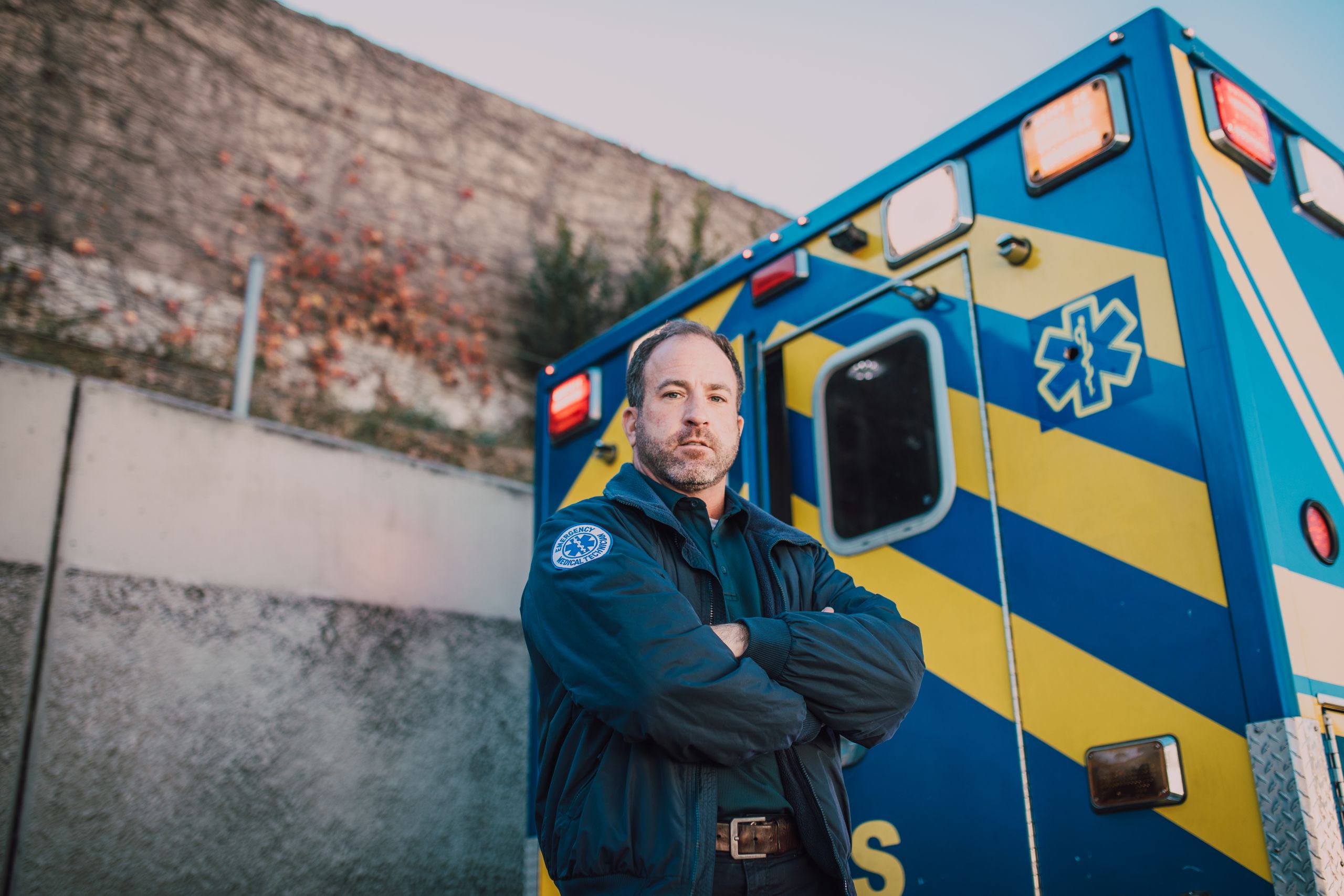
How to Become a Paramedic: EMT to Paramedic Steps, Training and Exams
If you want a hands-on healthcare career where every shift is different, where you make decisions that genuinely matter, and where you can start working in under a year, learning how to become a paramedic is worth a serious look. Paramedics are the most highly trained prehospital emergency medical providers in the United States. They respond to 911 calls, treat patients at the scene and on the way to hospital, and carry out advanced procedures — from giving intravenous medication to reading heart rhythms and managing airways — that no other field provider can perform.
The path is structured and clear: you qualify as an Emergency Medical Technician (EMT), gain experience, then complete paramedic training and pass the National Registry of Emergency Medical Technicians (NREMT) exam. This guide explains each step of that ladder, the training and exams involved, what the job is really like, and how to plan your route from your first day of training to your first shift as a paramedic.
Table of Contents
Quick Answer
To become a paramedic, you first complete an EMT course (usually a few months), pass the NREMT EMT exam, and get licensed or certified in your state. You then gain field experience — most paramedic programs expect six months to a year of EMT work — before completing an accredited paramedic program, which typically takes one to two years. Finally, you pass the NREMT paramedic exam and obtain your state paramedic licence or certification. In total, the journey from complete beginner to licensed paramedic usually takes about two to three years, though accelerated routes exist. Requirements vary by state, so always check your state EMS office for the rules that apply where you live. That, in brief, is how to become a paramedic.
What Does a Paramedic Do?
A paramedic’s work begins the moment a 911 call comes in. The crew is dispatched to homes, roadsides, workplaces, schools, and public places, often arriving within minutes. The first task is always assessment: is the scene safe, what happened, and how serious is the patient’s condition? From there, a paramedic works through a structured process — check breathing and circulation, take a history, measure vital signs, and decide what treatment the patient needs right now, before they reach a hospital.
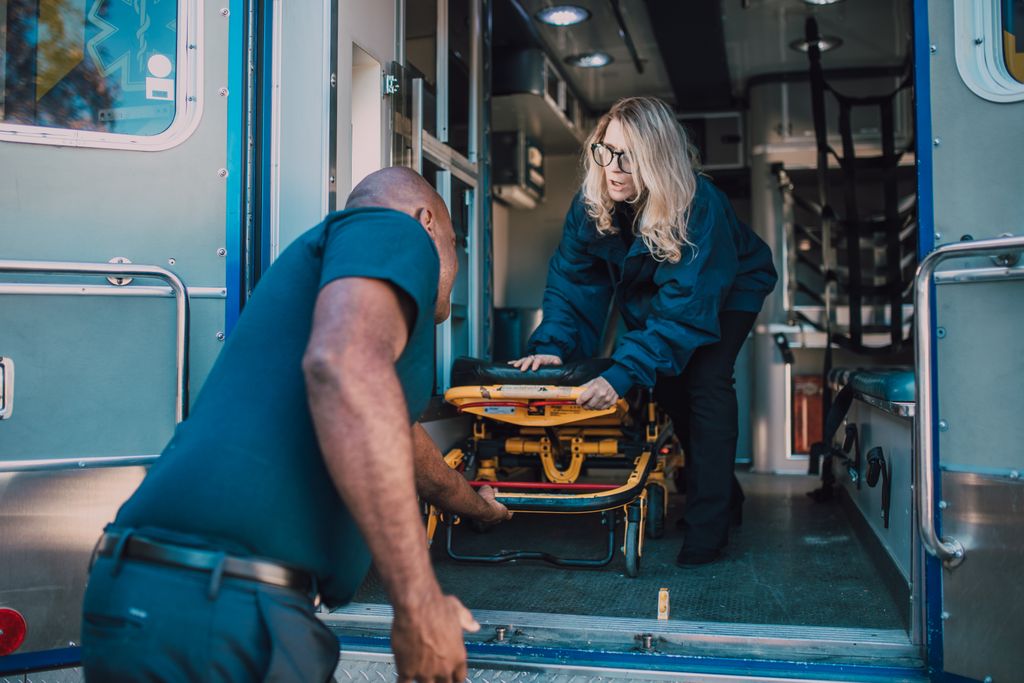
The clinical work is wide-ranging. On a typical week, a paramedic might treat a person having a heart attack, help a patient who is struggling to breathe, control bleeding after a car crash, care for someone with a broken leg, deliver a baby in an ambulance, or help a person in mental health crisis. Paramedics start IV lines, give a range of medications, use a defibrillator to restart a stopped heart, manage airways with advanced equipment, interpret ECG heart tracings, and splint fractures.
They also make judgement calls under pressure: which hospital is right for this patient, how fast should we drive, and what information does the hospital team need before we arrive?
A large part of the job is communication. Paramedics talk to frightened patients and families, calm people down, take clear histories, and hand over patients to emergency department staff with a concise, accurate report. They also write detailed patient care reports after every call, restock the ambulance, check equipment, and decontaminate the vehicle. The job is physical — lifting patients on stretchers, carrying equipment up stairs, working in rain, heat, and snow — and it is emotional. You will see people on the worst days of their lives, and you need to be able to stay steady, kind, and professional through all of it.
Paramedic vs. EMT vs. Nurse
These roles are related but different. An EMT provides basic life support: oxygen, bleeding control, splinting, CPR, and a small set of medications. A paramedic provides advanced life support, with a much wider scope of practice, including advanced airway management, cardiac monitoring, and many more medications. A nurse works mainly inside a hospital or clinic, caring for patients over hours or days, while a paramedic works in the field, where the priority is rapid assessment and stabilisation. If you like the idea of healthcare but want variety, outdoor work, and fast decisions rather than a ward or clinic, the paramedic route fits better than nursing. If you are drawn to healthcare more broadly, our guide on how to become a CNA explains the fastest entry-level route into clinical care, and our guide on how to become a medical assistant covers the clinic-based alternative.
The EMT, AEMT, and Paramedic Ladder
Emergency medical services in the United States are organised as a ladder with three main levels. You climb it one rung at a time, and each rung adds skills, responsibility, and training time. Understanding the ladder before you start saves confusion and helps you plan your training and your finances.
Level 1: EMT — Emergency Medical Technician
The EMT is the entry level and the foundation of everything above it. EMT training covers patient assessment, basic life support, bleeding and shock control, splinting, spinal immobilisation, oxygen therapy, CPR, and assisting with a small set of medications. EMT courses are widely available at community colleges, technical schools, fire departments, and private training centres. A typical EMT course takes about three to six months, including classroom learning, skills practice, and clinical or ride-along hours. After the course, you sit the NREMT EMT exam and apply for state certification or licensure. Most people can be working as an EMT within six months of starting their first course.
Level 2: AEMT — Advanced EMT
The Advanced EMT sits between EMT and paramedic. AEMTs learn additional skills such as starting IV lines, giving a wider range of medications, and using some advanced airway devices. AEMT training is shorter than paramedic training — often a few months — and it is a useful middle step if you want to build advanced skills before committing to the full paramedic program. Not every state uses the AEMT level, and not every employer hires AEMTs, so check whether the level is recognised and used where you plan to work. In states that do use it, the AEMT can be a good stepping stone: you earn more than an EMT, you practise more advanced skills, and you arrive at paramedic school with stronger clinical foundations.
Level 3: Paramedic
The paramedic is the top of the prehospital ladder. Paramedic programs are far more demanding than EMT courses: they cover anatomy and physiology in depth, pharmacology, cardiology, trauma care, paediatrics, obstetrics, and advanced airway and resuscitation skills. Programs are usually one to two years long and combine classroom teaching, laboratory skills practice, hospital clinical rotations, and a field internship on an ambulance. Many programs are run by community colleges and lead to a certificate or an associate degree. After the program, you sit the NREMT paramedic exam — the hardest exam in the ladder — and apply for state licensure.
Which Route Should You Take?
Most people follow the straightforward path: EMT, then work in the field for six months to a year, then paramedic school. The field experience matters. Paramedic programs expect you to already be comfortable with patients, ambulances, and basic skills, so that your training time can focus on advanced medicine rather than basics. Some people take the AEMT route in between, and a few programs accept students straight from EMT training with little field experience, but experienced EMTs consistently do better in paramedic school. There is no shortcut around the ladder — every paramedic was an EMT first, and that is by design.
Is a Paramedic Career Right for You?
This career suits people who stay calm under pressure, think clearly when things go wrong, and genuinely enjoy helping strangers. You need to be comfortable with blood, injury, and distress, and with making decisions quickly when the information is incomplete. You need physical fitness: lifting patients, carrying equipment, and working long shifts on your feet. You need emotional resilience, because you will see suffering, and sometimes you will lose patients despite your best efforts. And you need a strong sense of teamwork, because you always work with a partner and with firefighters, police, and hospital staff.
Ask yourself some honest questions. Can you stay calm when someone is in pain and everyone around them is panicking? Are you happy working nights, weekends, and holidays, in all weathers? Can you handle the sight of serious injuries and the emotional weight of the job? Are you willing to keep studying — medicine changes, protocols change, and paramedics recertify regularly? Do you enjoy practical, hands-on work more than sitting at a desk? If the answers are mostly yes, this career will suit you. If you are unsure, try a ride-along with your local ambulance service or volunteer with a first aid organisation first. A few shifts observing real emergency work will tell you far more than any article can.
Requirements: What You Need to Become a Paramedic
The general requirements are consistent across the United States, but the details vary by state. Here is the standard picture — and always confirm the current rules with your state EMS office before you commit to a program.
Basic Requirements
Most EMT and paramedic programs require you to be at least 18 years old, hold a high school diploma or equivalent, and hold a valid driver’s licence with a reasonably clean driving record — you will be driving an ambulance, so your driving history matters. You will need a criminal background check and drug screening, because you work with vulnerable people and controlled medications. Many programs also require vaccinations, including hepatitis B, and a physical health check. Some programs ask for CPR certification (Basic Life Support for Healthcare Providers) before you start, and this is a short course you can complete in a day.
Education and the EMT Course
Your first formal step is an EMT course approved by your state. Courses cover the national EMT curriculum and include classroom learning, hands-on skills labs, and supervised clinical or ambulance experience. You will learn to assess patients, manage airways, control bleeding, treat shock, splint injuries, assist with childbirth, and handle medical emergencies from chest pain to diabetic emergencies. Good courses teach you to think, not just to follow steps: why a patient’s breathing is changing, what the vital signs are telling you, and what to do when the textbook answer does not fit the patient in front of you.
Choosing a Paramedic Program
When you are ready for paramedic school, choose carefully. Look for a program accredited by the Commission on Accreditation of Allied Health Education Programs (CAAHEP) — accreditation matters, because only graduates of accredited programs are eligible to sit the NREMT paramedic exam in most states, and employers look for it. Check the program’s NREMT first-time pass rate: a strong program will publish it and be proud of it. Ask about the clinical and field internship hours, the size of classes, and whether the program leads to a certificate or an associate degree — an associate degree can help later if you want to move into teaching, management, or a related healthcare role. Check the total cost, including textbooks, uniforms, exam fees, and background checks, and ask about financial aid. Visit the program if you can, and talk to current students and graduates before you enrol.
The NREMT Exam: What to Expect
The National Registry of Emergency Medical Technicians exam is the national certification exam for EMTs, AEMTs, and paramedics. You will sit it twice on your journey — once after your EMT course and once after paramedic school — and the paramedic version is a serious test of knowledge and judgement. Understanding how it works before you sit it makes a real difference.
How the Exam Works
The NREMT exam is a computer-adaptive test, which means the difficulty of the questions adjusts to your answers. Get a question right, and the next one gets harder; get one wrong, and the next one gets easier. The exam keeps going until it can decide, with confidence, whether you are above or below the passing standard — or until it reaches the maximum number of questions. The EMT exam has between 70 and 120 questions; the paramedic exam has between 80 and 150 questions, and you have two and a half hours. The questions are mostly multiple choice, but some ask you to choose the best answer from several plausible options, or to rank actions in order. The content covers airway and breathing, cardiology, trauma, medical emergencies, obstetrics and paediatrics, and EMS operations.
The Psychomotor Exam
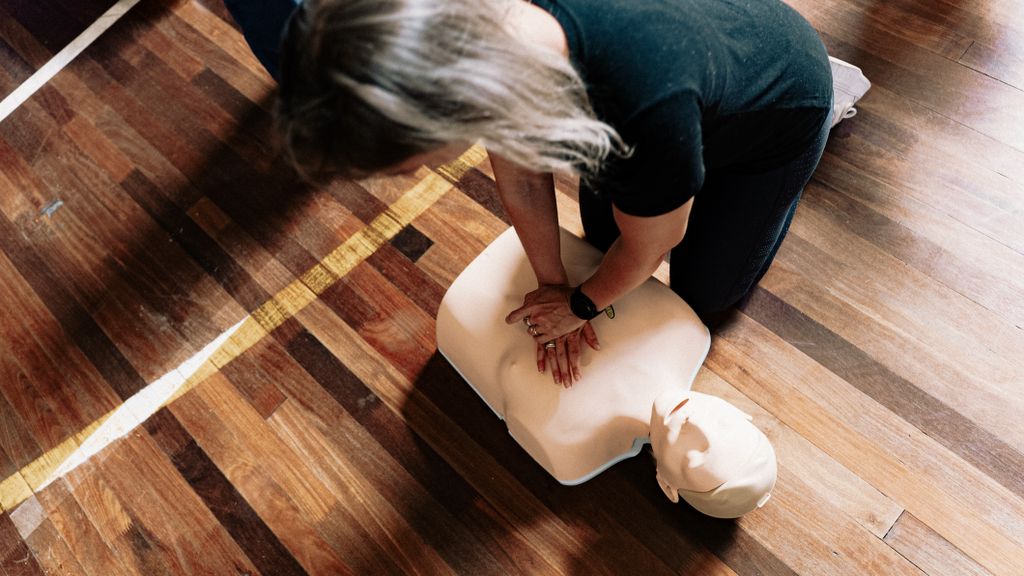
In addition to the computer test, paramedic candidates complete a psychomotor (hands-on skills) exam. You will be tested on practical stations: managing a cardiac arrest, handling a trauma patient, managing a medical patient, and performing skills such as intravenous access, airway management, and medication administration. Examiners watch how you assess, decide, and act in real time, and they score you against a standard checklist. The key to the psychomotor exam is practising the skills until they are automatic, and narrating what you are doing as you go — the examiner can only mark what they see and hear.
How to Prepare
Start preparing early and study actively. Do not just re-read your notes — test yourself constantly with practice questions, and work through the areas where you score lowest. For the paramedic exam, the hardest areas for most candidates are cardiology and pharmacology: heart rhythms, the drugs used in cardiac arrest, and the medications for common emergencies. Learn these properly, with the reasoning behind each drug, rather than memorising lists. Practise with timed mock exams, because the real exam is timed and the adaptive format feels different from a normal test — a question that feels too hard may simply mean you are doing well. Study in a group if you can: explaining a concept to a classmate is one of the best ways to find the gaps in your own understanding. Use the official NREMT practice materials and your program’s resources, and leave the last few days before the exam for revision and rest, not new material.
If You Fail
Many good paramedics failed an NREMT attempt. If it happens to you, read your score report carefully — it shows your performance in each content area, so you know exactly what to work on. You can retake the exam after a waiting period, and you have a limited number of attempts before you must complete additional remedial training. Use the gap to study the weak areas properly, take more practice exams, and consider a focused review course. Failing once is a setback, not a verdict on your ability.
State Licensing and Certification
Passing the NREMT exam gives you national certification, but you still need state licensure or certification to practise — and the state is the authority that actually lets you work. Each state has its own EMS office and its own process, and the details differ. Some states accept NREMT certification directly and issue a state licence on application; others require an additional state exam or extra paperwork. Some states license paramedics as “licensed paramedics” and others as “certified paramedics” — the words differ, but the practical effect is the same.
A few practical points matter everywhere. Keep your NREMT certification current, because most states require it for renewal. Know the scope of practice in your state: the procedures and medications you are allowed to perform can vary, and you must work within your state’s protocols. If you move to another state, check the reciprocity rules early — most states offer a straightforward process for NREMT-certified paramedics, but some require extra steps, and it is better to know before you move. And check your state’s continuing education requirements: paramedics must complete ongoing training to renew, and the hours and topics are set by the state and by the NREMT.
Finding and Applying for Paramedic Jobs
Most paramedic jobs are with private ambulance companies, fire departments, hospital-based EMS services, and local government. Some paramedics work for air ambulance services, industrial sites, event medical teams, or cruise ships, and some move into teaching, management, or community paramedicine roles. Job boards, state EMS association websites, and individual employers’ careers pages are the best places to look, and many fire departments run their own recruitment processes with written tests and physical ability tests.
Your application should show your clinical training and your field experience. List your NREMT certification, state licence, program, clinical hours, and any additional certifications such as Advanced Cardiac Life Support (ACLS), Pediatric Advanced Life Support (PALS), and Prehospital Trauma Life Support (PHTLS). Describe your experience with concrete examples: the number of calls you ran, the types of patients you managed, and the skills you used. Employers also care about your driving record, your reliability, and your ability to work as part of a crew, so highlight those. If you are applying to a fire department, expect a physical ability test — practise the lifting, carrying, and stair-climb tasks in advance, because they are harder than they look.
Getting Your First EMT Job
If you are still at the EMT stage, getting your first job is how the whole journey starts. Many EMTs begin with a private ambulance company running non-emergency transfers, which builds patient-handling experience and confidence. Others join a volunteer rescue squad or a fire department. Some hospital emergency departments hire EMTs as emergency department technicians, which is excellent experience for a future paramedic because you see a wide range of patients and work closely with nurses and doctors. Take any solid first job that gives you real patient contact — the experience you gain in your first year as an EMT is what paramedic schools and future employers will ask about.
Pay, Hours, and Working Conditions
Pay for paramedics varies by employer, location, and experience, so check current figures for your area before planning your finances. In general, paramedics earn more than EMTs — the extra training and responsibility are reflected in pay — and fire department paramedics often earn more than those in private ambulance services, partly because the role combines firefighting and EMS duties. Overtime is common and can add significantly to earnings, but it also adds to fatigue. For current, authoritative figures, the U.S. Bureau of Labor Statistics publishes employment and wage data for EMTs and paramedics, including breakdowns by state and metropolitan area — use it as your source for up-to-date numbers rather than relying on a single average.
Shifts are long. The most common patterns are 12-hour shifts and 24-hour shifts, and many services run a rotating schedule that includes nights, weekends, and holidays. A 24-hour shift sounds extreme, but it usually includes downtime between calls, and the trade-off is more days off between shifts. Some services use 8- or 10-hour shifts. Whatever the pattern, sleep disruption is part of the job, and learning to manage it — sleeping well on days off, eating properly, and looking after your health — is a skill you need to build early.
The working conditions are demanding in other ways too. You will work outdoors in all weathers, lift heavy patients, and spend long periods in an ambulance. You will miss family events because of shift work. And you will carry the emotional weight of difficult calls. Good services provide peer support, debriefing, and access to counselling, and the best paramedics use them. If you are considering this career, talk honestly with working paramedics about the toll it takes, and think about how you will look after yourself over a long career, not just in your first year.
Career Progression
Paramedicine offers more progression than most people realise. With experience, you can become a field training officer, a supervisor, or an operations manager. You can specialise as a flight paramedic on a helicopter, a critical care paramedic transporting the sickest patients between hospitals, or a tactical paramedic working with law enforcement. Community paramedicine is a growing field: paramedics visit patients at home, help manage chronic conditions, and reduce unnecessary hospital visits. Some paramedics move into teaching, training the next generation, and others use their experience as a route into nursing, physician assistant programs, or medical school — paramedic experience is highly respected in those applications. Your paramedic qualification can also open doors internationally, though you will usually need to meet the destination country’s own registration requirements.
Your Step-by-Step Plan
Here is the whole path in order, from today to your first shift as a licensed paramedic. Follow these steps to learn how to become a paramedic.
Step 1: Research Your State’s Rules
Check your state EMS office’s website for the requirements for EMT and paramedic licensure, including age, education, background checks, and approved programs. Note the exact steps and any state-specific exams.
Step 2: Get a Taste of the Work
Do a ride-along with your local ambulance service, volunteer with a first aid organisation, or talk to working paramedics. Confirm that the work suits you before you invest in training.
Step 3: Complete Your EMT Course and Pass the NREMT EMT Exam
Choose a state-approved EMT course, complete the classroom and clinical hours, and sit the NREMT EMT exam. Apply for your state EMT certification or licence.
Step 4: Work as an EMT and Build Experience
Get a job as an EMT and work in the field for six months to a year. Build your patient assessment skills, your confidence, and your understanding of how EMS really works. Complete additional courses such as ACLS and PALS if your employer offers them.
Step 5: Choose and Complete an Accredited Paramedic Program
Apply to a CAAHEP-accredited paramedic program, checking its NREMT pass rate, costs, and whether it leads to a certificate or an associate degree. Complete the classroom, hospital clinical rotations, and field internship.
Step 6: Pass the NREMT Paramedic Exam and Get Licensed
Sit the computer exam and the psychomotor skills exam, then apply for your state paramedic licence or certification. Keep your NREMT certification current from the start.
Step 7: Apply for Paramedic Jobs and Keep Learning
Apply to ambulance services, fire departments, and hospital-based EMS. Once working, complete your continuing education on time, and plan your next step — specialisation, teaching, or further healthcare training.
Common Mistakes to Avoid
Skipping the EMT Experience
Some candidates rush from EMT school straight into paramedic school with almost no field time. They struggle, because paramedic training assumes you are already comfortable with patients and ambulances. Work as an EMT first — it makes paramedic school far easier and makes you a better paramedic.
Choosing an Unaccredited Program
A paramedic program that is not CAAHEP-accredited can leave you unable to sit the NREMT exam in most states. Check accreditation before you enrol, not after you graduate.
Underestimating Cardiology and Pharmacology
These are the hardest parts of the paramedic exam and the core of the job. Students who memorise drug lists without understanding them fail. Learn the reasoning: what each drug does, when to give it, and when not to.
Ignoring the Physical Demands
Paramedic work is physical, and the lifting test at hiring catches people out. Train for it — build strength and stamina before you apply, not after you are hired.
Neglecting Your Mental Health
The emotional toll of emergency work builds quietly. Paramedics who never talk about difficult calls, never use peer support, and never rest properly burn out. Look after yourself from the start, and treat support services as part of the job, not a weakness.
Forgetting That Rules Vary by State
Scope of practice, licensing, and continuing education all vary by state. Do not assume that what works in one state applies in another — check your state’s rules at every step, especially if you move.
Paramedics Outside the United States
The role exists in many countries under different names and systems. In the United Kingdom, paramedics are registered healthcare professionals who complete a university degree in paramedic science and register with the Health and Care Professions Council. In Canada, paramedics are known as primary care and advanced care paramedics, with training and licensing managed by each province. In Australia, paramedics complete a university degree and register with the Paramedicine Board of Australia. In Germany and much of Europe, emergency care is delivered by different models, often with emergency physicians attending the most serious calls.
The core of the job — rapid assessment, treatment, and transport — is the same everywhere, but the training, title, and scope of practice are not. If you plan to work abroad, check the destination country’s registration body and requirements well in advance, because your US qualification does not automatically transfer.
How to Become a Paramedic Checklist
- Check your state EMS office’s rules for EMT and paramedic licensure
- Confirm you meet the basic requirements: age 18+, high school diploma, driver’s licence, background check
- Do a ride-along or volunteer to confirm the work suits you
- Complete a state-approved EMT course and pass the NREMT EMT exam
- Get your state EMT certification and work in the field for six months to a year
- Choose a CAAHEP-accredited paramedic program with a strong NREMT pass rate
- Complete the paramedic program, including hospital rotations and field internship
- Pass the NREMT paramedic computer exam and the psychomotor skills exam
- Apply for your state paramedic licence or certification
- Complete ACLS, PALS, and PHTLS courses to strengthen your applications
- Apply to ambulance services, fire departments, and hospital-based EMS
- Keep your NREMT certification current and complete continuing education on time
- Look after your physical and mental health from your first shift onwards
Conclusion
Becoming a paramedic is a demanding but deeply rewarding path: an EMT course, real field experience, an accredited paramedic program, and the NREMT exam, adding up to about two to three years from beginner to licensed paramedic. The work is hard — long shifts, heavy lifting, difficult calls, and constant learning — but it is also one of the few careers where you can honestly say that what you do each day saves lives and helps people on their worst days. If you stay calm under pressure, enjoy practical hands-on work, and want a healthcare career with real variety, the ladder is there for you to climb. Check your state’s rules, enrol in an EMT course, get your field experience, and take the next step. Your first patient is waiting. That is how to become a paramedic — one step at a time.
FAQ
How long does it take to become a paramedic?
From complete beginner to licensed paramedic usually takes about two to three years: three to six months for the EMT course and exam, six months to a year of field experience as an EMT, and one to two years for an accredited paramedic program, followed by the NREMT paramedic exam and state licensure. Accelerated programs can shorten the timeline, but field experience is valuable and should not be skipped.
Do I need a degree to become a paramedic?
No, a degree is not always required. Most paramedic programs require EMT certification and a high school diploma, and lead to a certificate. However, many programs are run by community colleges and offer an associate degree option, which can help if you later want to move into teaching, management, nursing, or physician assistant training. Check the requirements of the program you are interested in, and your state’s rules.
What is the NREMT exam?
The NREMT exam is the national certification exam for EMTs, AEMTs, and paramedics in the United States, run by the National Registry of Emergency Medical Technicians. It is a computer-adaptive test that adjusts its difficulty to your answers, plus — for paramedics — a hands-on psychomotor skills exam. Passing it gives you national certification; you then apply for licensure or certification in your state to practise.
How much do paramedics earn?
Pay varies by employer, location, and experience, so check current figures for your area. Paramedics generally earn more than EMTs, and fire department paramedics often earn more than those in private ambulance services. Overtime is common. The U.S. Bureau of Labor Statistics publishes current employment and wage data for EMTs and paramedics, including state-by-state figures — use it as your source for up-to-date numbers.
Can a paramedic become a nurse or a physician assistant?
Yes, and many do. Paramedic experience is highly respected in nursing and physician assistant applications, because it shows clinical judgement, patient care experience, and the ability to work under pressure. Some paramedics complete a nursing degree, and others apply to physician assistant programs, where their field experience counts strongly in their favour. Talk to the programs you are interested in about how your paramedic background is assessed.