Best Proofreading Jobs: Flexible Work for Sharp Eyes
Quick Answer
The best proofreading jobs are the ones that turn a sharp eye for detail into steady, flexible work — and the best proofreading jobs for you will depend on whether you want freelance freedom, a salaried in-house role, or a part-time side income from home. For most people in the US and UK, the strongest options are freelance proofreading for publishers and independent authors, in-house proofreading for book and magazine publishers, legal proofreading, academic proofreading, medical and scientific proofreading, and proofreading for businesses, charities and government bodies. These roles are widely available, much of the work is remote, and many entry routes do not require a degree in English — although a degree, a recognised editing qualification, or a strong portfolio all help.
There is no single best role for everyone. A new graduate who loves books may aim for a publishing house, while a career changer with a law or science background may earn more in legal or medical proofreading. A parent who needs school-hours work may prefer freelance work, choosing jobs around family life, while someone who wants a regular salary and paid holiday may prefer an employed role.
The best proofreading jobs share four things: work that matches your existing knowledge, a clear way in without an impossible qualification barrier, fair pay for the skill involved, and a workflow that respects your time. This guide compares the leading options honestly — what the work is really like, who it suits, what it generally pays, and where to apply — so you can choose with confidence. If you are weighing proofreading against other flexible work, start with our guides to online jobs and freelance jobs.
Table of Contents
What Is Proofreading, and How Is It Different From Editing?
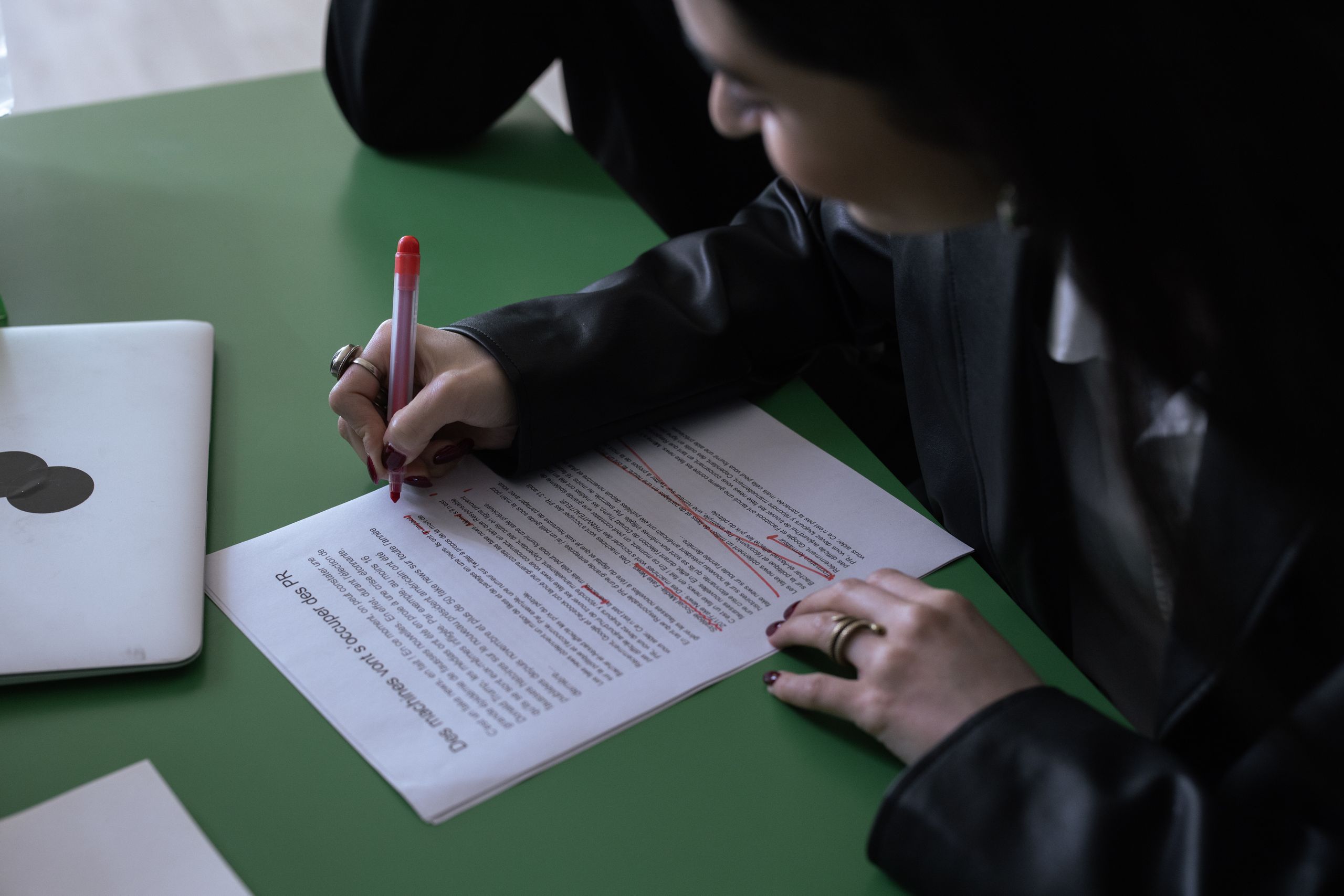
Proofreading is the final check before a document is published or printed. A proofreader reads a text that has already been edited and looks for the errors that remain: spelling mistakes, punctuation errors, grammar slips, inconsistent capitalisation, wrong page numbers, missing headings, and formatting problems. The proofreader does not usually rewrite sentences or restructure an argument — that is the editor’s job. The proofreader’s job is to catch what everyone else missed, and to do it quickly, accurately and without introducing new mistakes.
That distinction matters, because employers and clients use the words “proofreading” and “editing” loosely. A job advertised as proofreading may in practice ask for light copy-editing: fixing awkward sentences, tightening wordy passages, and checking facts. Another job may ask for a strict proofread only: compare the text against a style guide, mark every error, and change nothing else. Before you apply for any role, read the brief carefully and ask what level of intervention is expected. If you are asked to edit, you will need a broader skill set and you should charge more. If you are asked to proofread, the skill is precision: spotting a missing comma on page 212 after four hours of reading, and staying alert when the text is dull.
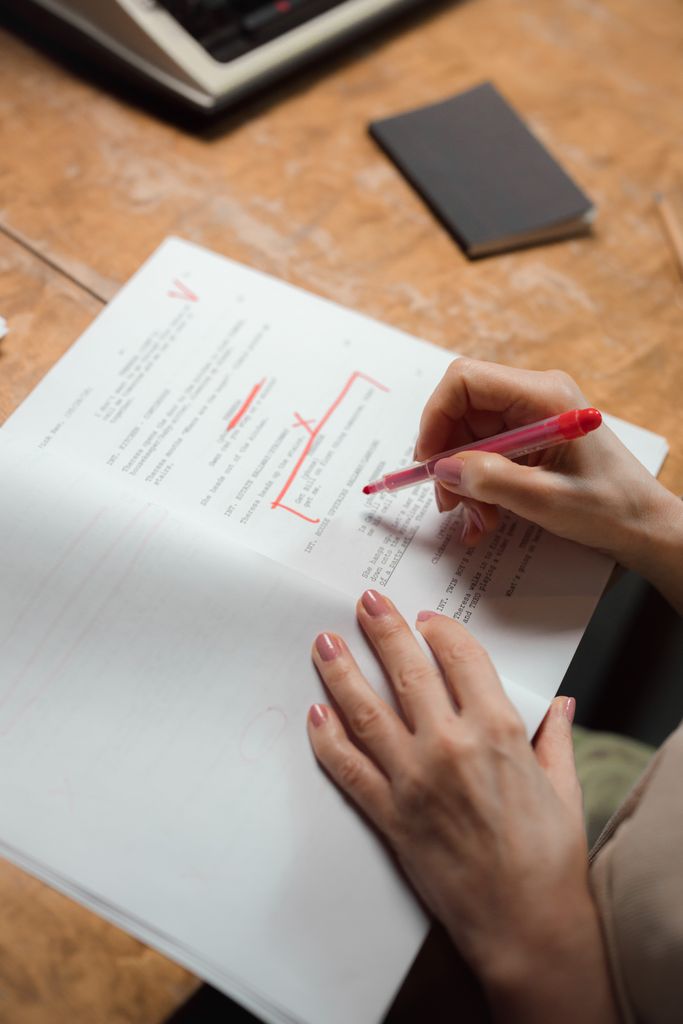
Proofreading is also different from copy-editing in the tools it uses. Many proofreaders still work on paper, marking corrections with standard proofreading symbols, but most now work on screen, using tracked changes in Microsoft Word, comments in Google Docs, or PDF annotation tools. You will need to be comfortable with all three, and with style guides such as The Chicago Manual of Style in the US and New Hart’s Rules in the UK. You do not need to memorise either guide from cover to cover, but you do need to know how to find a rule quickly, apply it consistently, and record your decisions so the client or author can follow them.
The work suits people who genuinely enjoy reading carefully, who notice a misplaced apostrophe in a restaurant menu, and who can concentrate for long stretches without losing focus. It does not suit everyone: if you find detailed reading tiring, or if you rush through text, proofreading will feel slow and frustrating. But for the right person it is satisfying work — quiet, skilled, flexible, and always in demand, because every book, report, website and legal document needs a final check before it reaches its readers.
Best Proofreading Jobs at a Glance
The table below compares the leading roles side by side. Pay ranges are general US and UK ranges based on the U.S. Bureau of Labor Statistics Occupational Outlook Handbook (Editors occupation) and UK labour-market sources. They vary by specialism, experience, employer, and location, and freelance rates vary further by the type of work and the client.
| Role | Best for | Entry route | General US pay | General UK pay |
|---|---|---|---|---|
| Freelance proofreader | Flexible, home-based work | Platforms, direct clients, portfolio | $20–$45/hr equiv. | £18–£35/hr equiv. |
| In-house publishing proofreader | Book lovers, stable salary | Graduate schemes, publisher jobs | $38,000–$58,000/yr | £24,000–£38,000/yr |
| Legal proofreader | Law graduates, detail-focused workers | Law firms, agencies, legal training | $45,000–$70,000/yr | £28,000–£45,000/yr |
| Academic proofreader | Graduates, researchers | Universities, journals, direct clients | $22–$40/hr equiv. | £20–£35/hr equiv. |
| Medical / scientific proofreader | Science and health graduates | Publishers, pharma, agencies | $25–$50/hr equiv. | £22–£40/hr equiv. |
| Business / corporate proofreader | Generalists, office workers | Agencies, in-house comms teams | $20–$38/hr equiv. | £18–£32/hr equiv. |
| AI-assisted editing proofreader | Tech-comfortable editors | Publishers, agencies, AI firms | $22–$45/hr equiv. | £20–£38/hr equiv. |
| Court / transcript proofreader | Fast, accurate readers | Court reporting firms, agencies | $20–$35/hr equiv. | £18–£30/hr equiv. |
Pay figures are general ranges based on the U.S. Bureau of Labor Statistics Occupational Outlook Handbook (Editors occupation) and UK labour-market sources. They are not guarantees for any specific job, employer, or location. Freelance rates are usually quoted per hour, per word, or per 1,000 words, so always convert a rate to an hourly equivalent before you compare it with a salary. Check the advertised rate on each vacancy, and check whether the rate includes tax, software, or equipment costs.
For a broader look at home-based work, see our guide to online jobs.
The Best Proofreading Jobs: Freelance Proofreading
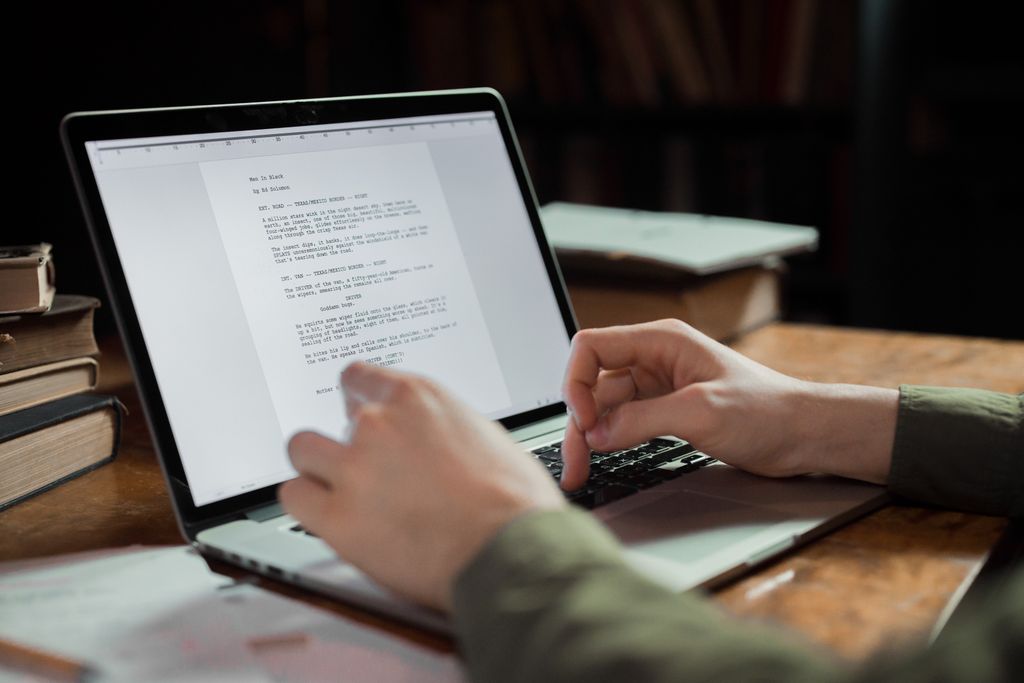
Freelance proofreading is the most popular route into the profession, and for good reason. You choose your clients, set your hours, work from home, and build a business around your own interests. Many freelance proofreaders work for a mix of clients: a trade publisher one week, an independent author the next, and a university department or a business the week after. Some specialise early — in fiction, in academic papers, or in business reports — while others stay generalist and take whatever comes in.
How Freelance Proofreading Works in Practice
A typical freelance job starts with a sample. A client sends you a few pages — often 1,000 to 2,000 words — and asks you to proofread them and quote a price and a turnaround time. You read the sample, estimate how long the full document will take, and send a quote. If the client accepts, you proofread the full document, return it with tracked changes or a marked-up PDF, and invoice on completion. Payment terms are usually 14 or 30 days, although some platforms pay faster. You are responsible for your own tax, insurance, software, and equipment, and for finding the next job while you finish the current one.
Rates vary widely. In the US, freelance proofreaders commonly charge the equivalent of $20 to $45 an hour, depending on experience, specialism, and the type of document. In the UK, the equivalent range is roughly £18 to £35 an hour. Some proofreaders charge per word — for example, $0.01 to $0.03 per word in the US, or £0.008 to £0.02 per word in the UK — and others charge per 1,000 words or per page. The best proofreading jobs in freelance work are not always the highest-paying per hour: a steady client who sends regular work at a fair rate is worth more than a one-off job that pays well but leaves you searching for work the following week.
Where Freelance Proofreaders Find Work
Freelance proofreaders find work through three main routes: general freelance marketplaces, specialist editing platforms, and direct clients. General marketplaces list proofreading alongside many other services, and competition there is fierce — many new proofreaders start there to build reviews, then move on. Specialist editing platforms focus on academic, business or publishing work and often test applicants before listing them. Direct clients — publishers, authors, universities, businesses and charities — are the most valuable route in the long term, because they pay better, give repeat work, and do not take a commission. You win direct clients by having a clear website or profile, a strong portfolio, and a habit of asking satisfied clients for referrals and testimonials.
Freelance work is not for everyone. Income can be uneven, especially in the first year, and you need to be comfortable with marketing yourself, managing your own time, and handling quiet periods. But for people who want control over their hours, who like variety, and who are willing to build a client base slowly, freelance proofreading is often the best of the best proofreading jobs. For more on building freelance income, read our guide to freelance jobs.
Best Proofreading Jobs in Publishing: In-House Roles
In-house proofreading for a book or magazine publisher is the classic route, and it remains one of the most sought-after jobs in the field. In-house proofreaders work as part of a production team, checking proofs of books, journals or magazines before they go to print or are published online. The work is steady, the salary is regular, and you learn the publishing process from the inside — knowledge that is valuable if you later go freelance.
What an In-House Publishing Proofreader Does
An in-house proofreader typically works on a title from first proofs to final files. You will check the text against the edited manuscript, mark corrections, check page numbers, headings, running heads, captions and tables, and liaise with the copy-editor, the designer and the author. In magazine publishing, you may also check advertisements, cover lines and contents pages. The pace can be intense near a publication deadline, and you will often juggle several titles at different stages. You will work to a house style guide, use the publisher’s software and templates, and attend production meetings where schedules and priorities are set.
Entry is competitive. Large publishers in the US and UK run graduate schemes and entry-level editorial assistant roles, and many in-house proofreaders start as editorial assistants and move into proofreading after a year or two. A degree in English, history, languages or a related subject helps, but publishers also value relevant experience: a placement, an internship, freelance proofreading, or work on a student newspaper or journal. A recognised qualification, such as a course from the Chartered Institute of Editing and Proofreading (CIEP) in the UK or a certificate from a US editing association, strengthens an application.
General pay for in-house publishing proofreaders is roughly $38,000 to $58,000 a year in the US and £24,000 to £38,000 a year in the UK, with higher salaries in London and New York and in senior or management roles.
The trade-off is flexibility. In-house roles are usually office-based or hybrid, with fixed hours, and you work on the publisher’s list rather than choosing your own titles. For many people that is a fair exchange for a salary, paid holiday, sick pay and a pension. For others, the in-house role is a training ground: two or three years inside a publisher, learning house styles and building contacts, before moving into freelance work at higher rates.
Legal Proofreading Jobs
Legal proofreading is one of the best-paid specialisms in the field, and one of the most demanding. Legal proofreaders check contracts, court filings, briefs, transcripts, patents and other legal documents for accuracy. A single wrong number, a misspelled name, or a misplaced comma can change the meaning of a clause, so accuracy is not a preference — it is the whole job.
Who Legal Proofreading Suits
Legal proofreading suits people with a law background, or with strong attention to detail and a willingness to learn legal terminology and citation styles. Many legal proofreaders are law graduates, paralegals, or former legal secretaries who moved into proofreading. Others come from general proofreading and build legal expertise through training and experience. You will need to be comfortable with long documents, tight deadlines — court filings often have hard deadlines — and work that is repetitive but high-stakes. Confidentiality is essential: you will handle sensitive information, and you must never discuss a client’s documents outside the job.
Legal proofreaders work for law firms, in-house legal teams, court reporting firms, and specialist agencies. Some work in an office, often in the evening or overnight when filings are being prepared; others work remotely. General pay is higher than in general proofreading: roughly $45,000 to $70,000 a year for employed roles in the US and £28,000 to £45,000 a year in the UK, with freelance rates at the top of the general freelance range. The work is not for everyone — the documents are dense, the deadlines are strict, and the tolerance for error is near zero — but for a careful reader with legal knowledge, it is one of the most rewarding and best-paid of the best proofreading jobs.
Academic Proofreading Jobs
Academic proofreading covers theses, dissertations, journal articles, grant applications, conference papers and textbooks. The clients are usually students, researchers and academics, many of whom are writing in English as a second or additional language. The proofreader’s job is to correct grammar, spelling and punctuation, improve clarity, and ensure the text follows the required referencing style — without changing the author’s meaning or argument.
What Academic Proofreading Involves
Academic proofreading requires a different touch from trade publishing. You must respect the author’s voice and their academic argument, and you must be careful with technical terms, citations and data. A misplaced decimal point in a results table, or a wrongly transcribed reference, can undermine a paper. You will need to know the main referencing styles — APA, MLA, Chicago, Harvard and Vancouver are the most common — and to be comfortable with LaTeX or Word’s equation and table tools if you work in science, maths or engineering.
Entry usually requires a degree, and often a postgraduate degree, in a relevant subject. A PhD is not required for most academic proofreading, but subject knowledge matters: a proofreader with a biology degree will be more credible to a biology researcher than a generalist. Many academic proofreaders start by helping fellow students, then build a client base through university noticeboards, academic networks, and specialist editing platforms. General pay is roughly $22 to $40 an hour in the US and £20 to £35 an hour in the UK, with higher rates for urgent work or for highly technical subjects. The work is seasonal — busy around thesis deadlines and journal submission dates, quieter in the summer — so many academic proofreaders combine it with other types of proofreading.
Be careful about the ethics of academic proofreading. Proofreading a student’s thesis for grammar and spelling is legitimate and widely accepted. Rewriting their argument, doing their research, or writing sections for them is not — that is academic misconduct, and a reputable proofreader will refuse it. Make your limits clear in writing before you start, and keep a record of what you changed.
Medical and Scientific Proofreading Jobs
Medical and scientific proofreading is a specialist niche with strong demand and good pay. Proofreaders in this area check clinical trial reports, drug safety documents, patient information leaflets, research papers and regulatory submissions. The work requires accuracy, an understanding of scientific conventions, and familiarity with terms that a generalist would not know.
Who Should Consider Medical Proofreading
Medical proofreading suits graduates in medicine, pharmacy, biology, chemistry, nursing or a related science, and people who have worked in healthcare, pharmaceuticals or medical communications. You do not need to be a doctor, but you do need to understand the subject well enough to spot an inconsistency — a dose that does not match the protocol, a unit that is wrong, or a term that is used in two different ways in the same document. Training in medical writing or regulatory affairs helps, and some employers prefer a life-sciences degree.
The work is often for pharmaceutical companies, contract research organisations, medical publishers and regulatory agencies. Much of it is freelance or agency-based, and deadlines can be tight, especially for regulatory submissions. General pay is at the top of the proofreading range: roughly $25 to $50 an hour in the US and £22 to £40 an hour in the UK, with employed salaries above the general publishing range. The main challenge is the learning curve: the terminology, the style guides, and the regulatory requirements take time to learn. But once you have them, you are in a smaller pool of qualified proofreaders, and that scarcity supports higher rates and steadier work.
Business, Charity and Government Proofreading Jobs
Not all proofreading is for books and journals. Businesses, charities, government departments, universities and non-profits all produce reports, websites, grant applications, annual reports and marketing material that need a final check. Business proofreading is often less glamorous than publishing, but it is steady, well paid, and a good entry point for generalists.
What Business Proofreading Looks Like
A business proofreader might check an annual report one day, a website the next, and a funding bid the day after. The texts are shorter than books, the deadlines are often short, and the style is usually plain English rather than a formal house style. You will need to be fast, flexible, and comfortable switching between subjects. You will also need to be diplomatic: a business client may not want a long list of stylistic suggestions, and may prefer a clean, corrected document with a short summary of the main changes.
Business proofreading work comes through agencies, in-house communications teams, and direct clients. Many proofreaders pick up business work alongside publishing or academic work, and it can be a useful way to fill gaps between longer projects. General pay is roughly $20 to $38 an hour in the US and £18 to £32 an hour in the UK, with employed communications roles paying a salary in line with general office and communications work. For people who want part-time or flexible work without specialising in one subject, business proofreading is a practical and often overlooked option. If you are looking for flexible hours more generally, see our guide to part-time jobs.
AI-Assisted Editing vs Human Proofreading
Artificial intelligence has changed proofreading, but it has not replaced the human proofreader. AI tools can now catch many spelling and grammar errors, suggest style changes, and even summarise a document. What they cannot reliably do is understand context, judge tone, spot a factual inconsistency, or know when a technically correct sentence is the wrong sentence for the reader. That is where the human proofreader still matters — and where the best proofreading jobs are increasingly found.
How AI Is Changing the Work
Many publishers and businesses now use AI as a first pass: the tool flags possible errors, and a human proofreader reviews the suggestions, accepts the good ones, rejects the bad ones, and catches what the tool missed. This is sometimes called AI-assisted editing, and it is a growing source of work. Proofreaders who can work with AI tools — using them to speed up routine checks, while applying human judgement to the decisions that matter — are in demand. Proofreaders who refuse to learn the tools risk being undercut on speed, while proofreaders who rely on the tools uncritically risk missing errors and damaging their reputation.
The key is to treat AI as a tool, not as a replacement for reading. Always read the full text yourself, even if an AI tool has already checked it. AI tools can miss errors that a human would catch — a wrong name, a wrong date, a sentence that is grammatically correct but factually wrong — and they can introduce errors of their own, especially with names, technical terms, and quoted text.
If a client asks you to “just run it through AI”, explain what a human proofread adds: judgement, consistency, and accountability. General pay for AI-assisted editing and proofreading is roughly $22 to $45 an hour in the US and £20 to £38 an hour in the UK, similar to general freelance proofreading, with a premium for proofreaders who can handle complex or technical material that AI handles badly.
For the foreseeable future, the safest career bet is to be the human in the loop: fast with tools, strong on judgement, and clear with clients about what you do that a machine cannot. That combination — technical fluency plus human accuracy — is what the best proofreading jobs now reward.
How to Get the Best Proofreading Jobs With No Experience
Many people assume you need years of experience or an English degree to start proofreading. You do not — but you do need to prove you can do the work. Employers and clients cannot judge your eye for detail from a CV alone, so they look for evidence: a test, a portfolio, a qualification, or a trial job. Your first task is to create that evidence.
Build a Portfolio Before You Apply
Start by proofreading public-domain texts, sample chapters, or documents you write yourself, and keep before-and-after examples. Volunteer for a local charity, a student journal, or a community newsletter — real work, even unpaid at first, is far more persuasive than a claim on a CV. Take a recognised course: in the UK, the Chartered Institute of Editing and Proofreading (CIEP) offers introductory and intermediate proofreading courses; in the US, look for courses from a university extension programme or a professional editing association. A certificate does not guarantee work, but it signals that you have been trained and tested.
Next, practise the tests. Many publishers and platforms use a short proofreading test as part of their application process: a passage with a set number of errors, a style guide, and a time limit. Practise under timed conditions, and learn to work methodically — read once for sense, once for errors, and once more for consistency. Keep a record of your test scores and any feedback you receive, and use it to improve.
Finally, apply widely and strategically. Apply for entry-level editorial assistant roles, for freelance platform tests, and for small jobs from independent authors. Do not wait for the perfect job: a short, low-paid job that gives you a testimonial and a portfolio piece is worth more than months of waiting. Be honest about your experience, and do not claim qualifications you do not have. The proofreading world is small, and a reputation for honesty and accuracy travels fast.
Skills and Tools Every Proofreader Needs
Proofreading is a skill, not just a talent. The best proofreading jobs reward proofreaders who combine natural attention to detail with trained technique, good tools, and professional habits. Here are the skills and tools that matter most.
Core Skills
- Spelling, grammar and punctuation: a thorough, working knowledge of US and UK English, including the differences between them — for example, American “organize” versus British “organise”, and the different use of the Oxford comma.
- Attention to detail: the ability to stay focused on small errors over long documents, and to spot inconsistencies in spelling, capitalisation, numbers and formatting.
- Concentration and stamina: proofreading is tiring. You need to be able to read carefully for hours, take breaks without losing your place, and maintain accuracy at the end of a long day.
- Style-guide literacy: familiarity with the main style guides — The Chicago Manual of Style and the Associated Press Stylebook in the US, New Hart’s Rules and the Oxford Style Manual in the UK — and the habit of checking a rule rather than guessing.
- Subject knowledge: enough background in your specialism — law, medicine, science, finance, or publishing — to spot errors that a generalist would miss.
- Communication: the ability to explain a correction clearly, to query an author politely, and to say no to a change that would introduce an error.
- Time management: the ability to estimate how long a job will take, to meet deadlines, and to say no to work you cannot finish on time.
Tools of the Trade
Most proofreaders work in Microsoft Word with Tracked Changes, in Google Docs with Suggesting mode, or in Adobe Acrobat with PDF annotation. You should be confident in all three, and in the basic functions that proofreaders use every day: Find and Replace, Styles, cross-references, and comments. A good spelling and grammar checker — built into Word or as a separate tool — is useful as a safety net, but it is not a substitute for reading. A style sheet, where you record decisions on spelling, capitalisation and hyphenation for each job, is essential for consistency on longer documents. Many proofreaders also use a second monitor, a comfortable chair, and a routine of short breaks — small investments that protect accuracy and health over a long working day.
You do not need expensive software to start. Word, Google Docs, and a free PDF reader are enough for most entry-level work. As you earn more, you may invest in a professional PDF editor, a reference manager, or a specialist proofreading tool, but none of these will make you a better proofreader on their own. The skill is in the reading, not in the software.
How Much Do Proofreading Jobs Pay?
Pay for proofreading varies by role, specialism, experience and location, and by whether you are employed or freelance. The best proofreading jobs are worth comparing carefully, so treat the general ranges in the table above as a starting point, not a promise. Use them to compare roles, not to predict your exact income.
For employed roles, the U.S. Bureau of Labor Statistics Occupational Outlook Handbook (Editors occupation) is the most reliable public source for general pay and employment outlook in the US. It groups proofreaders with editors, and its figures reflect the occupation as a whole rather than proofreading alone, so treat them as a general guide and check the advertised salary for each vacancy. In the UK, the Office for National Statistics and professional bodies such as the CIEP publish general pay surveys for editors and proofreaders, and job boards show the advertised range for current vacancies.
For freelance work, always convert a per-word or per-page rate into an hourly equivalent before you accept a job. A rate of $0.02 per word sounds good until you realise the text is dense, technical, and needs three passes — at 2,000 words an hour, that is $40 an hour, but at 1,000 words an hour it is $20. Track your actual speed on different types of work, and use that data to quote accurately. Raise your rates as you gain experience and specialise, and do not be afraid to turn down work that pays below your minimum. A proofreader who charges too little will be busy but poor, and will have no time to find better-paying clients.
Remember that freelance income is not the same as salary. You must pay your own tax, national insurance or social security contributions, pension, holiday and sick pay, and you must cover quiet periods. A freelance rate that looks higher than a salary may be equivalent once those costs are counted. Work out your real hourly rate after costs, and compare like with like.
Where to Apply for the Best Proofreading Jobs
The best proofreading jobs are easier to find when you start with the route that fits your goal. If you want a salaried role, apply directly to publishers, law firms, universities and communications teams, and watch their careers pages. Large publishers advertise editorial assistant and proofreader roles on their own sites and on general job boards; law firms and universities do the same. If you want freelance work, apply to specialist editing platforms and test for them, create a clear profile on a general freelance marketplace, and build a simple website that shows your services, your rates, and your testimonials.
Use general job boards for breadth: in the US, Indeed, LinkedIn, and Glassdoor list proofreading roles from publishers, agencies and businesses; in the UK, Indeed, LinkedIn, Guardian Jobs, and the government’s Find a Job service do the same. Filter by “proofreader” and by remote or hybrid working, and set up email alerts so you see new roles quickly. Use specialist routes for specialist roles: the CIEP directory and jobs board in the UK, professional editing associations in the US, and university careers services for academic work.
Networking matters more in proofreading than in many fields, because much freelance work comes through referral. Join a professional body, attend online events, and connect with other proofreaders and editors. Do not be shy about telling people you are looking for work — a recommendation from a trusted colleague is often how a proofreader gets their first steady client.
Scams to Avoid When Looking for Proofreading Jobs
Proofreading attracts scams, because the work is remote, flexible, and appealing to people looking for home-based income. A genuine employer or client will never ask you to pay to apply, to pay for training before you start, or to share your bank details before an interview. Walk away from any listing that does any of those things.
Watch for these warning signs: a job that promises very high pay for very little work, with no interview and no test; a listing that does not name the employer or describe the work; a client who asks you to proofread a long document for free as a “trial” — a short sample of 1,000 to 2,000 words is normal, a full chapter is not; a client who asks you to buy software, equipment or a “starter pack” from a specific seller; and any message that pressures you to start immediately, without a contract or a written brief. A genuine client will give you a written brief, a deadline, a rate, and a contract or terms of engagement, and will be happy to answer questions before you start.
If you are unsure, check the employer: search for the company name, look for a real website and a real address, and search for reviews from other proofreaders. Never send original documents, passwords, or bank details to a stranger, and never pay a fee to access a job list. The best proofreading jobs come from real employers and real clients, through a normal application process — and if a listing feels wrong, trust that feeling and move on.
Your Proofreading Job Checklist
Use this checklist before you apply for any proofreading job, freelance or employed.
- Decide which type of proofreading suits you: freelance, in-house publishing, legal, academic, medical, or business.
- Check the job is real: named employer, clear description, stated pay or rate, normal application process, no fee to apply.
- Read the brief carefully and confirm whether the job is proofreading, copy-editing, or a mix of both.
- Confirm the style guide, the file format, the deadline, and how corrections should be marked.
- Work out the hourly equivalent of any per-word or per-page rate before you accept.
- Prepare a short portfolio: before-and-after samples, a testimonial, and any course certificate.
- Practise a timed proofreading test and keep a note of your accuracy and speed.
- Set up your tools: Word with Tracked Changes, Google Docs, PDF annotation, and a style sheet template.
- Agree payment terms in writing before you start, including the rate, the deadline, and the payment date.
- Keep a record of every job: client, date, rate, hours, and feedback, so you can track your income and improve your quotes.
FAQ
What are the best proofreading jobs for beginners?
Freelance proofreading for independent authors and small businesses, entry-level editorial assistant roles at publishers, and academic proofreading for students are the best starting points. They need a strong eye for detail and a portfolio or test result, but not years of experience. Start with short jobs, build testimonials, and take a recognised introductory course to strengthen your applications.
Do I need a degree to become a proofreader?
No, a degree is not always required, but it helps — especially for academic, legal and medical proofreading, where subject knowledge matters. For general and freelance proofreading, a strong portfolio, a good test result, and a recognised course can be enough. Publishers often prefer a degree for in-house roles, so check each vacancy and highlight relevant experience if you do not have one.
How much do proofreaders earn?
General pay varies by role and location. In the US, freelance proofreaders commonly earn the equivalent of $20 to $45 an hour, and employed proofreaders earn roughly $38,000 to $70,000 a year depending on specialism. In the UK, freelance rates are roughly £18 to £35 an hour, and employed salaries are roughly £24,000 to £45,000 a year. All figures are general ranges based on the U.S. Bureau of Labor Statistics Occupational Outlook Handbook and UK labour-market sources, not guarantees for any specific job.
Are proofreading jobs legitimate work from home?
Yes, many proofreading jobs are genuine work-from-home roles, especially freelance proofreading and remote in-house roles. Look for a named employer, a clear job description, a written contract, and a normal application process with a short test. Walk away from any listing that asks you to pay a fee, buy equipment from a specific seller, or share bank details before an interview.
Can AI replace human proofreaders?
AI tools can catch many spelling and grammar errors, but they cannot reliably judge context, tone, factual accuracy, or the needs of a specific reader. The best proofreading jobs now combine AI as a first-pass tool with human judgement as the final check. Proofreaders who learn to work with AI tools, while keeping their own reading and judgement sharp, are the most likely to stay in demand.
Conclusion
The best proofreading jobs reward the same thing in every setting: a careful reader who can spot what others miss, work to a deadline, and communicate clearly with authors and clients. Whether you choose freelance freedom, a salaried publishing role, or a specialist niche in law, academia or medicine, the path in is the same — build a portfolio, practise the tests, learn the style guides, and apply with honesty about what you can do. Start small, collect testimonials, and raise your rates as your experience grows.
If you are ready to begin, shortlist two or three roles from the comparison table, prepare a short portfolio, and apply through the employer, a specialist platform, or a reputable agency. For a broader starting point, explore our guides to online jobs, freelance jobs, and part-time jobs. The right proofreading job is out there — and with a sharp eye, a clear specialism, and a patient search, you are well placed to find it.