Bartender Jobs From Home: Realistic Home-Based Ways to Earn From Bar Skills
Quick Answer
True bartender jobs from home do not mean pouring drinks for a bar from your kitchen — alcohol service is licensed, supervised work that happens where the guests and the licence are. What genuinely exists is a set of home-based ways to earn from bar skills: running a mobile or private-event bartending service from home, where bookings, menus and administration are home work and service happens at the client’s venue; leading paid virtual tastings and cocktail classes online; creating bar training content; and remote support work for hospitality groups.
The Bureau of Labor Statistics bartenders page covers conventional bartending in the US; home-based income sits alongside that occupation as self-employment and online teaching, with its own licensing, insurance and tax duties. This guide to bartender jobs from home separates the real models from the scams, states the legal lines clearly, and gives you a build order for each realistic route in the US, UK and Europe. That build order is what makes bartender jobs from home achievable without cutting legal corners.
Hold on to one test for every offer you see: if a supposed home bartending job asks you to receive alcohol shipments, cash cheques, or serve drinks to strangers in your own home, walk away. Legitimate home-based bar work sells skill, organisation and teaching — never unlicensed service from a private address.
Table of Contents
Bartender Jobs From Home: The Four Real Models
Model 1: Mobile and private-event bartending run from home
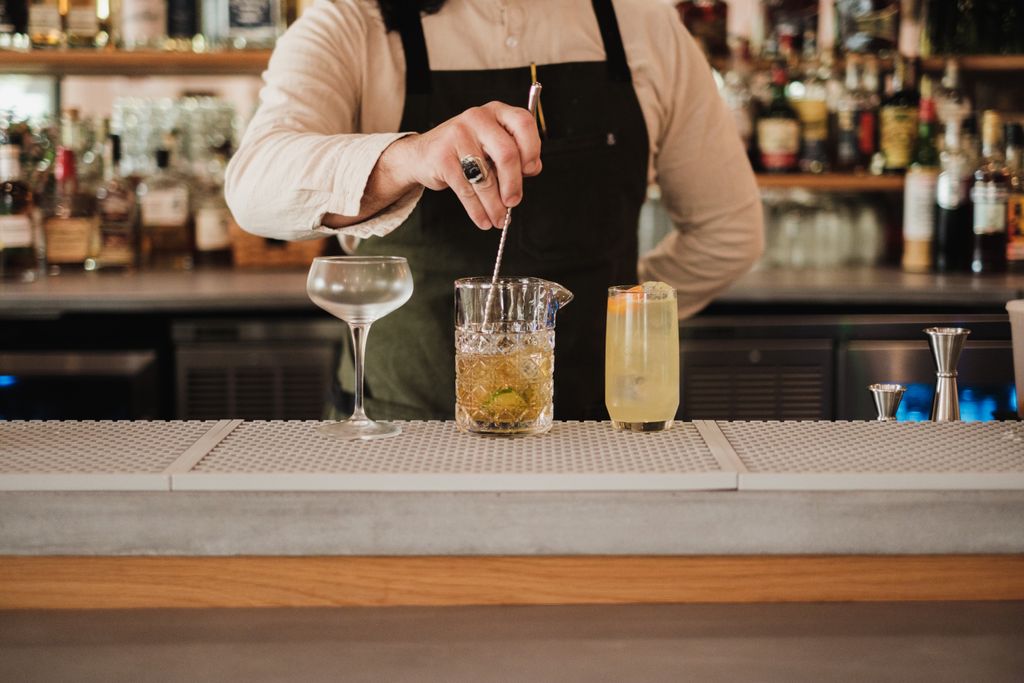
This is the largest real route. You run the business from home — enquiries, quotes, menus, stock lists, bookings, invoices — and travel to pour at weddings, parties, corporate events and private homes where the host provides the venue and usually the alcohol under local rules. Your home is the office, not the bar. Clients pay for skill, reliability, presentation and a stocked mobile kit. In many US states and European settings, who may sell alcohol, who may serve it, and whether a temporary event licence is needed are strict local questions. Research yours before your first paid event, and take public liability insurance where clients and venues expect it.
Model 2: Virtual tastings and online cocktail classes
You teach from home over video: corporate team sessions, birthday classes, spirit tastings and mocktail workshops. Participants buy their own ingredients locally from a list you send, which keeps you clear of shipping alcohol. Income comes from per-person fees, company bookings and seasonal packages. A clear camera setup, a tidy teaching bar corner, measured recipes in writing, and a practice run with a friend are your start-up kit. This is genuine bartender jobs from home work: your expertise is the product, delivered live from your home studio.
Model 3: Content, recipes and training work
Experienced bartenders earn from home by writing drink content, developing menus for venues, filming training material, and consulting on bar setup and service systems. This market rewards a real service record, not claims: venues pay for lists that sell, cost correctly and train fast. Start by publishing accurate, well-tested recipes and short technique lessons, then approach local venues with one concrete improvement, costed honestly. Our freelance jobs guide covers the client, contract and payment habits that protect this kind of skilled freelance work.
Model 4: Remote hospitality support roles
Some hospitality groups hire remote help with rotas, stock ordering support, booking administration, training coordination and guest communications. These posts are usually advertised as hospitality administration or operations support rather than bartending, but bar experience is an advantage because you understand service. Our remote jobs and online jobs guides show how to search and verify remote roles safely, including the checks that expose fee-charging scams.
The Legal Lines You Must Not Cross
You cannot run a public bar from your home
Serving the public from a private home without the required premises licence, planning position, insurance and tax registration is illegal in the US, UK and across Europe, and one complaint can end the business and your record with it. Private-event work is different because the host, the venue and the alcohol supply sit under the event’s own legal position, which you must confirm for each booking. When in doubt, ask your local licensing authority in writing before the event, not after.
Alcohol shipping and tastings law is strict
Sending alcohol to class participants crosses state and national shipping rules that are complex and often prohibitive for a small operator. The safe standard model is a shopping list: participants source sealed products locally, you teach live. Never hold client money for alcohol purchases without clear local advice, and never ask participants to buy from a link you control unless you have checked the affiliate and alcohol marketing rules that apply to you.
Tax, insurance and food safety still apply
Home-based self-employment is taxable income in most countries from the first paid booking. Register as your local rules require, keep booking, income and expense records, and price insurance into your fees. If you prepare garnishes, syrups or food at home for events, check whether home food production rules and hygiene registration apply in your area. Clients and venues increasingly ask for insurance and hygiene proof before they confirm — treat those documents as part of your product.
Building a Mobile Bartending Service From Home, Step by Step
Step 1: Confirm your legal and insurance base. Check local rules for private-event service, who supplies alcohol, any permit or responsible service training you need, and take liability insurance quotes. Write down the answers. This file is what venues and careful clients will ask to see.
Step 2: Build a complete mobile kit. Portable bar tools, jiggers, shakers, pourers, ice handling, glassware plan or hire contacts, garnish and syrup preparation, and clean, reliable transport. Price every event to include your preparation, travel, setup and breakdown time — the hours at home around the event are real work, and underpricing them is the classic beginner loss.
Step 3: Write three clear packages. For example: service only (host supplies everything), service plus mixers and garnishes, and a full planned package with menu design and shopping lists. Clear packages let clients compare without guessing, and protect you from the open-ended “just bring everything” booking that eats your margin. State guest counts, hours, travel radius and overtime terms in writing.
Step 4: Get your first events through venues and planners. Wedding venues, event planners, catering companies and party organisers place mobile bartenders repeatedly. Offer a tidy one-page service sheet with training, insurance, kit, packages and references. Early events done flawlessly for organisers produce more bookings than any advertising, because organisers rebook people who made their event look good.
Step 5: Run the home office properly. One calendar, written confirmations, deposits under your local consumer rules, balance due dates, and a follow-up message asking for a review and the organiser’s permission to quote it. Home-based does not mean informal. The businesses that survive are boringly organised — which is exactly why clients trust them with weddings. For bartender jobs from home, that organisation is the difference between one-off gigs and a real business.
Building Virtual Classes From Home
Choose a narrow first offer: one spirit, one classic family, or a no-alcohol workshop for workplaces. Send a precise ingredient and equipment list a week ahead, with local alternatives. Teach in small steps, build each drink twice — once fast, once slowly — and keep group sizes small enough to answer questions. Record nothing without participant consent. Price per screen or per person consistently, test your sound and light with a friend acting as a guest, and send written recipes afterwards. Seasonal packages for company socials and holiday parties are where virtual teachers earn most, so build and price them early in the autumn, not in December panic.
Pay: Honest Framing for Home-Based Bar Work
There is no standard wage for bartender jobs from home because the work is mostly self-employed. Mobile event income is a fee per event shaped by hours, guests, travel and package, minus kit, insurance, transport and preparation time. Virtual class income is fee per session or per participant, minus platform and marketing costs. Use the Bureau of Labor Statistics bartenders page only as a general frame for employed US bartending pay when you compare routes; it does not set self-employed event fees.
Keep a per-event profit record from your first booking. Many new operators discover their cheapest package loses money once home preparation hours are counted honestly — reprice it or drop it. A smaller number of well-priced events beats a full calendar of losses.
Scams and Dead Ends to Refuse
Any job asking you to cash payments or forward money. This is fraud laundering with your name on it, whatever the hospitality story wrapped around it. End contact at once.
Upfront fees for promised event lists. Legitimate organisers and agencies do not sell beginners guaranteed bookings for a large fee. Small, transparent platform costs are one thing; pressure payments are another.
Unlicensed home service requests. A client asking you to run a paid public bar night from your home or theirs, outside event rules, is asking you to carry their legal risk. Decline in writing and keep the message.
Alcohol dropshipping schemes. Selling or shipping spirits without the correct licences is a regulated trade, not a side hustle. No course fee changes that.
Frequently Asked Questions About Bartender Jobs From Home
Can I really work as a bartender entirely from home?
Not in the pouring sense — drinks are served where guests gather, under a licence. What you can do entirely or mostly from home is run a mobile event bartending business, teach virtual tastings and cocktail classes, develop menus and content, and hold remote hospitality support roles. Honest operators describe these models accurately, and clients trust the accuracy. Anyone promising bar wages for pouring drinks alone at home is misleading you.
Do I need a licence to bartend private events?
It depends on your state or country, the event type, and who supplies and sells the alcohol. Responsible service training is commonly required or expected, venues often require insurance, and some events need temporary permits. Check your local licensing authority’s published guidance before your first booking, confirm the position for each event in writing, and never rely on a client’s assurance that “it will be fine” for a large paid event.
How do virtual cocktail classes work legally?
Participants buy their own sealed ingredients locally from your list; you teach live from home and never ship alcohol. That structure avoids the shipping and sale rules that stop most small operators. You still need to follow local rules on alcohol marketing, age-appropriate audiences and platform terms, charge and declare your teaching income properly, and get consent before recording anyone.
What equipment do I need to start mobile bartending?
A complete hand kit — shakers, jiggers, strainers, pourers, bar spoons, knives and boards — plus ice storage, a garnish and syrup system, a glassware plan, cleaning supplies and reliable transport. Add a simple booking system, written terms, insurance and a clean, presentable setup clients can photograph. Buy durability over novelty: your kit is handled, washed and transported constantly, and breakdowns at events cost reputation, not just money.
How much can home-based bartenders earn?
Earnings vary too widely for a single figure: event fees depend on your market, package and season, and class income depends on group bookings. Count all home hours — quotes, preparation, travel, follow-ups — when you judge a booking’s real rate. Use employed bartender pay data from the Bureau of Labor Statistics only as background comparison. Operators who price preparation time honestly and win organiser rebookings build the steadiest income.
How do I find my first private-event clients?
Start with venues, planners, caterers and organisers who place bartenders repeatedly, plus your own network told clearly what you offer. Take a one-page service sheet: training, insurance, kit, packages, area covered and references. Do the first events flawlessly, confirm everything in writing, and ask for reviews you may quote. One organiser who trusts you is worth more than months of general advertising, because their calendar becomes your calendar.
Conclusion
Bartender jobs from home are real when they are defined honestly: a mobile event service run from a home office, virtual teaching from a home studio, menu and content work, and remote hospitality support. They are not unlicensed pouring from a kitchen, and they never involve cashing payments or shipping spirits without licences. Build the legal base first, package your offers clearly, price your home hours into every fee, and let organisers’ rebookings compound. Bar skill travels well — as long as it travels legally. Keep that legal base in place and bartender jobs from home can grow into steady, repeatable income.