
Best Caregiver Jobs: Home Care, Assisted Living and Private Roles That Treat You Well
Quick Answer
The best caregiver jobs are not just the adverts with the highest hourly rate. They are the roles where you get proper training, safe staffing, paid travel or breaks, and enough time with each person to do the work well.
For most people, the best caregiver jobs are found with well-run home care agencies, good assisted living communities, and reputable hospice or private duty employers. Those settings tend to offer clearer routines, real supervision, and steadier hours than rushed, short-staffed workplaces.
Pay and demand vary by state, city, and country. For a reliable US picture, check the U.S. Bureau of Labor Statistics – Home Health and Personal Care Aides page. It publishes national pay ranges, typical duties, training notes, and job outlook from official survey data.
Use this guide to judge the job, not just the job title. The right employer protects your health, respects your time, and helps you build a lasting career in care.
Table of Contents
What “Best” Means in Caregiving
Care work is personal. A role that suits one person may drain another. So “best” must start with your own needs, limits, and goals.
Ask a few honest questions first. Do you prefer one-to-one care or a team setting? Can you work nights or weekends? Are you comfortable with personal care, mobility help, and end-of-life care? Do you want full-time security or flexible hours?
Write your answers down before you search. They become your filter.
Best also means safe and sustainable. Good care work should not leave you injured, exhausted, or unpaid for travel and training.
What Makes the Best Caregiver Jobs Worth Taking
The best caregiver jobs share common features, wherever you work. You can spot many of them in the advert and at interview. Learning these signs helps you avoid poor employers early.
Enough time to care properly
Good employers do not rush every visit. Home care visits have realistic lengths. Residential shifts have enough staff on the floor. You get time to write notes and speak calmly with the person you support.
Ask how long a typical visit really is, and what happens when someone needs extra help. Clear answers are a good sign. Vague answers are a warning.
Real training and shadowing
Strong employers train you before you work alone. They use shadowing, where you watch an experienced caregiver first. They check your skills in person, not just online.
Training should cover moving and handling, infection control, safeguarding, and dementia awareness. Ask how long induction lasts and whether it is paid.
Supportive supervision
You should know who to call when you are worried. Good employers have a supervisor or senior carer you can reach during a shift. They hold regular check-ins and listen when you report a change in a client’s health.
Care can be emotional. Support is not a bonus. It is part of safe care.
Fair pay for all the work you do
Fair employers are clear about pay for travel time, training, holidays, and sleep-in shifts where they apply. They pay on time. They explain overtime and weekend rates in writing before you start.
Types of Caregiver Jobs: Home Care, Assisted Living, Hospice, Private Duty and Live-In
Setting shapes your whole day. The same job title can mean very different work in different places. Compare these settings carefully, because the best caregiver jobs for you will fit your routine, health, and transport.
Home care and domiciliary care
Home care caregivers visit people in their own homes. You may help with washing, dressing, meals, medication prompts, light house tasks, and companionship. Visits can be short or several hours long.
This work suits people who like independence and one-to-one care. You build close, trusting relationships. The challenges are travel between visits, lone working, and tight schedules if the agency plans poorly.
In the UK this is often called domiciliary care. In the US, similar roles are listed as home health aide or personal care aide.
Assisted living and residential care
In assisted living, you work in one building as part of a team. Residents live in their own rooms or apartments but need daily support. You help with personal care, meals, activities, and mobility.
You do not travel between homes, and colleagues are nearby, which helps new starters learn. Shifts are more fixed, including evenings and weekends. The pace can be busy, but good staffing makes a real difference.
Hospice and end-of-life care
Hospice caregivers support people near the end of life, at home, in a hospice, or in a care setting. The focus is comfort, dignity, pain awareness, and support for families.
This work is calm, skilled, and deeply meaningful for many people. It can also be emotionally hard. Good hospice employers offer extra training, debriefs, and bereavement support for staff.
Private duty care
Private duty caregivers are hired by a family or through a private agency for one person or household. Duties are tailored. They may include companionship, personal care, cooking, and transport to appointments.
Pay and conditions vary widely because arrangements are individual. Always get duties, hours, pay, and time off in a written agreement. Never rely on a verbal promise alone.
Live-in care
Live-in caregivers stay in the client’s home for set periods, often several days or weeks at a time, then take breaks away. You provide daily support and are present at night for reassurance.
This suits people who want intensive work blocks and fewer commutes. It needs clear rules on rest, private space, and night calls. If breaks are not protected, live-in work quickly becomes unsafe.
How to Judge Employers Before You Accept
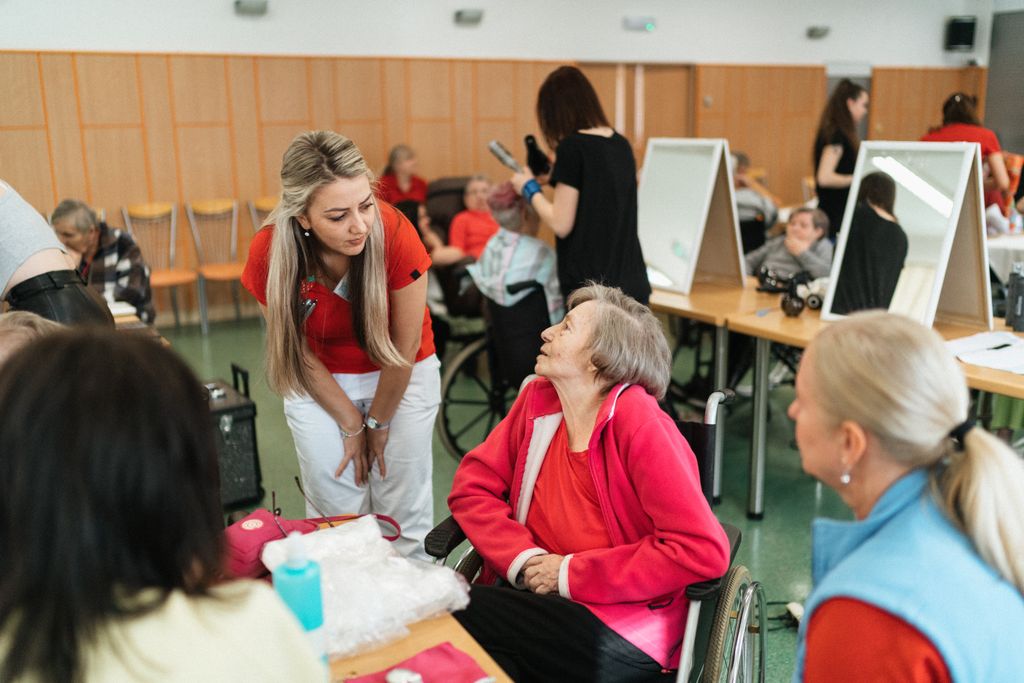
A good interview works both ways. You are judging the employer as much as they are judging you. The best caregiver jobs survive these checks easily, so use them before you sign anything.
Look for clear, honest adverts
Good adverts name the employer, location, shift pattern, and pay range. They list required checks and training. They explain whether travel is needed.
Be careful with adverts that promise very high pay with no details. Missing pay and missing hours are common warning signs.
Ask about staffing and turnover
Ask how many staff are on a typical shift, and how long most caregivers stay. Ask who covers sickness and holidays. If the answer is always extra shifts for the same small team, burnout is likely.
Check supervision, policies, and reputation
In the US, check state licensing and agency reviews where they exist. In the UK, check the regulator rating: the Care Quality Commission in England, and the equivalent bodies in Scotland and Wales. In Europe, check local registration and inspection rules.
Read staff reviews with care. One angry review means little. The same complaint repeated many times is a pattern you should trust.
Never pay for your own required training or checks as a condition of starting, unless a trusted official source confirms it is normal in your area.
Pay: What General Ranges Look Like
Pay in care work varies a lot. It depends on country, region, setting, experience, and shift pattern. This guide gives only general ranges from citable sources. It does not invent pay for named employers.
What the US official data shows
The U.S. Bureau of Labor Statistics reports pay for home health and personal care aides as a national range, not a single figure. In recent survey data, the lowest-paid workers earn notably less than the median, and the highest-paid earn notably more. The national median sits in the low-to-mid $30,000s per year, with hourly pay commonly in the mid-teens.
Treat that only as a general US range. Pay is often higher in hospitals, hospice, and some city markets, and lower in some rural home care roles. Always check the current BLS page and the live advert before you compare offers.
UK and European pay
In the UK, many of the best caregiver jobs pay close to the National Living Wage, with higher bands for senior carers, nights, and complex care. Always check the advertised band, sleep-in rules, and travel pay between home care visits.
In Europe, pay may follow a collective agreement or local pay scale. That can make rates more predictable. Check whether the scale, overtime, and holiday rules are stated in the contract, not just in the advert.
Look beyond the hourly rate
A slightly lower hourly rate can be better overall. Paid travel, paid training, guaranteed hours, sick pay, and a pension can be worth more than a small headline difference.
Ask if hours are guaranteed or zero-hours. Ask how many hours staff actually get each week. For flexible roles, including part time jobs, confirm the minimum and the usual pattern in writing.
Certifications and Training Routes in the US, UK and Europe
Rules differ by place and setting. Caregiving is often open to beginners, but some roles need specific training or checks. For the best caregiver jobs with larger employers, confirm the exact rule for the job you want.
United States
Many personal care aide roles need no formal certificate to start. Employers provide on-the-job training. Home health aide roles that work for Medicare-certified agencies have federal training and competency requirements, and many states add their own rules.
A Certified Nursing Assistant, or CNA, credential opens more roles in nursing homes, hospitals, and assisted living. CNA courses are offered by community colleges, vocational schools, and some employers. They include classroom study and supervised practice, followed by a state exam.
Extra certificates in dementia care, CPR and first aid can help you progress. Keep copies of every certificate.
United Kingdom
Most care assistant roles do not need a degree. Employers usually require a Disclosure and Barring Service check, references, and induction training aligned to the Care Certificate standards for new starters in England.
Many employers support Level 2 and Level 3 diplomas in health and social care while you work. Those qualifications help you move into senior carer roles. Scotland and Wales have their own rules for some roles, so check locally.
Europe
Across Europe, titles and training vary. Some countries use short employer-led training. Others require a formal vocational qualification for residential or health settings.
If you trained elsewhere, ask whether your qualification is recognised. You also need enough local language skill to understand care plans and speak safely with clients.
No-Experience Routes Into Care Work
Many strong caregivers started with no paid care experience. Employers often value reliability, kindness, patience, and clear communication as much as a long work history.
Care roles are common among entry level jobs because training is built in. They also appear in searches for no experience jobs, but read those adverts carefully. Good employers still check references, run background checks, and train you properly.
Experience you already have counts
Caring for a family member, volunteering, customer service, childcare, and cleaning work all build useful skills. You have managed routines, stayed calm under pressure, and worked with vulnerable people. Name those skills clearly on your application.
Give short, real examples. Say what you did, how often, and what you learned. Do not exaggerate duties you did not do.
Start in settings that support beginners
Assisted living and larger home care agencies often have better induction and shadowing for beginners. You work near senior staff and can ask questions early.
Private duty and live-in roles can be hard first jobs. You work alone, with no team nearby. Most beginners do better starting where support is close at hand.
Build skills in your first ninety days
Learn care plans, record keeping, and reporting in your first weeks. Ask questions early rather than guessing. Arrive on time and build trust. Those habits lead to better shifts and references.
Remote and Telehealth-Adjacent Care Roles: An Honest Note
Hands-on caregiving cannot be done from home on a screen. Washing, dressing, mobility help, and meals all need you in the room. Any advert promising fully remote personal care should be treated with caution.
That said, some care-adjacent roles are remote or hybrid. Care coordinators schedule visits and match caregivers to clients. Telehealth support staff help patients join video appointments and follow up after calls. Remote monitoring teams watch sensor alerts and contact on-call staff when needed.
These roles suit experienced caregivers who want less physical work than the best caregiver jobs in direct care. They still need safeguarding knowledge and privacy training. They are a real path, but they are coordination work, not direct personal care.
Step-by-Step: How to Apply
A calm, organised search gets better results than applying to everything. Finding the best caregiver jobs takes focus, so follow these steps in order.
Step 1: Choose your setting and pattern
Decide home care, assisted living, hospice, private duty, or live-in. Decide full-time, part-time, nights, or weekends. This focus saves time and helps you tailor each application.
Step 2: Prepare a simple, honest CV or resume
List contact details, work history, volunteering, and family care experience. Add skills such as personal care, meal preparation, dementia support, driving, and languages. Keep it to one or two clear pages.
Include certificates and training dates if you have them. If you are new, say so plainly.
Step 3: Search in places you can verify
Use employer career pages first. Then use large, established job boards and local council, health service, or community listings where they exist. Save the advert text for each role you apply to.
Avoid adverts that only exist as a social media post pushing you to a private chat. Verify the employer name and location independently.
Step 4: Tailor each application
Match your examples to the advert. If it stresses dementia care, give a relevant example. If it stresses lone working, show reliability and record keeping. Use the exact duties in the advert as your guide, without copying false experience.
Step 5: Prepare for interview and checks
Expect questions about dignity, privacy, safeguarding, and what you would do if a client fell or refused care. Good answers are calm and safe: stay with the person, call for help, follow the care plan, and record what happened.
Bring ID, references, and certificates. Background checks are normal in care work.
Step 6: Check the offer in writing
Before you accept, confirm pay, hours, location, travel pay, training pay, and start date in writing. Confirm uniform, equipment, and holiday rules too. If anything differs from the advert, ask why before you sign.
Mistakes to Avoid
Small mistakes early can lead to unsafe work or lost income. Watch for these common errors.
The first mistake is taking a job with no written terms. Without written hours and pay, disputes are hard to solve.
The second mistake is accepting rushed visits or unsafe staffing without question. If you cannot complete care safely in the time given, report it. Good employers want to hear this.
The third mistake is doing tasks you are not trained for. Never carry out health tasks beyond your training and care plan. Ask for training first. Safe refusal protects the client and you.
The fourth mistake is sharing client photos or stories on social media. Privacy is a core duty in care. Even a kind post can breach trust.
The fifth mistake is ignoring your own health. Use moving aids, take breaks, and report injuries early. Lasting in the job means looking after yourself too.
Frequently Asked Questions About the Best Caregiver Jobs
What are the best caregiver jobs for beginners?
Assisted living and well-run home care agency roles are often best for beginners. You get induction, shadowing, and colleagues nearby. Avoid starting alone in live-in or private duty work until you have training and confidence.
Do I need a certificate to become a caregiver?
It depends on the role and place. Many personal care roles train you on the job. In the US, CNA roles need state training and an exam. In the UK, new starters usually complete Care Certificate standards during induction. Always check the advert and local rule.
How much do caregiver jobs pay?
Pay varies by country, region, and setting. As a general US guide only, the Bureau of Labor Statistics publishes a national range for home health and personal care aides, with a median in the low-to-mid $30,000s per year in recent data. Check the BLS page and the live advert for current figures.
Is home care or assisted living better?
Neither is always better. Home care offers one-to-one work and independence, but involves travel and lone working. Assisted living offers team support and a fixed workplace, but shifts can be busy. Choose the setting that fits your health, transport, and routine.
Can caregiver work lead to a bigger career?
Yes. In the best caregiver jobs, experienced caregivers move into senior carer, care coordinator, team leader, and trainer roles. Some train further into nursing, social work, or therapy support. A good first employer with real training makes those steps much easier.
Are live-in caregiver jobs well paid?
Total pay can look higher because you work long blocks, but you must check rest, night calls, food, and time off. Work out the real hourly value and whether breaks are protected. A clear written agreement matters more than a headline total.
Conclusion
The best caregiver jobs give you time to care, training you can trust, and an employer who supports you as well as the people you look after. Home care, assisted living, hospice, and private duty can all be good choices when staffing and supervision are right.
Start with your own filter. Choose a setting that fits your life, check the employer carefully, and confirm pay and hours in writing. Build your skills step by step, and the best caregiver jobs can become the start of a respected, lasting career in care.