Best Chef Jobs: Kitchen Settings, Chef Levels and Roles Worth Your Time
Quick Answer
The best chef jobs are not the ones with the fanciest name on the door. They are the roles where you learn real skills, work fair hours for fair pay, and are led by a head chef who teaches instead of shouts. For most people, that means a well-run restaurant, hotel, or institutional kitchen with a clear level, a written rota, and a team that stays.
Match the setting to your life first. Then match the level to your experience. Then judge the employer hard.
For a reliable US picture of pay and outlook, use the U.S. Bureau of Labor Statistics – Chefs and Head Cooks handbook page. In the UK and Europe, check the pay band and contract in the live advert itself.
Table of Contents
What “Best” Means in a Kitchen
Best means different things at different stages. A new commis needs training and patience. An experienced sous chef needs trust and a route to head chef. A parent may need daytime hours more than prestige.
Ask four questions before you search. What hours can you sustain for a year, not a week? What food do you want to learn? Do you want fast, loud service or a calmer kitchen? Do you need the highest pay now, or the best training for later?
Use your answers as a filter. The best chef jobs for you pass that filter on your worst week, not just your best day. A famous kitchen that destroys your health is not a good job. A quiet kitchen that teaches well and pays on time may be excellent.
What Makes the Best Chef Jobs Worth Taking
Good kitchens share clear habits. You can spot them in the advert, at interview, and on a trial shift.
First, good kitchens are organised. Prep lists are written. Sections are stocked. Service is busy, but it is not chaos for its own sake. Calm organisation signals strong leadership.
Second, good kitchens teach. A senior chef shows you a task, watches you do it, and corrects you with respect. If no one teaches and everyone only criticises, you will stall.
Third, good kitchens respect time off. Rest days are real. Breaks happen. Overtime is tracked. A good employer does not treat exhaustion as a badge of honour.
When people praise the best chef jobs, they rarely talk only about food. They talk about the head chef, the team, and whether they could plan a life outside work.
Kitchen Types and Settings: Where Chefs Actually Work
Setting decides your hours, pace, menu freedom, and stress. The same level can feel like a different job in a different setting.
Restaurants: independent, group, and fine dining
Independent restaurants offer a close link to the owner and the menu. You learn fast and see the whole kitchen. The risk is stability. Teams are small, so one absence hurts.
Restaurant groups offer more structure. Recipes and training are often standardised, and progression is clearer across sites. Creative freedom is lower, but a good group builds solid skills.
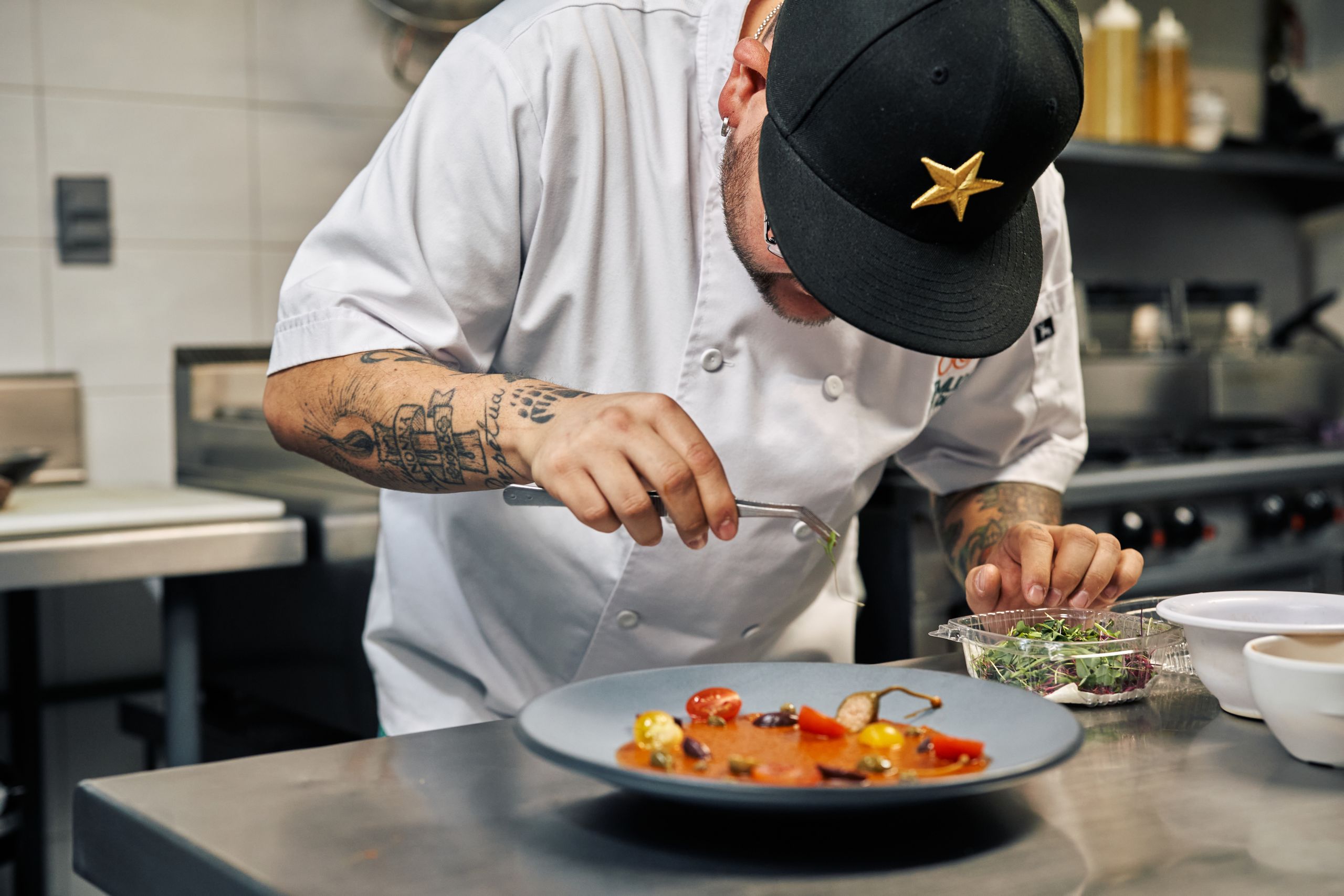
Fine dining offers intense training in technique and detail. Hours are often the longest and pressure is real. A short, well-chosen spell can lift your skills fast. A long stay without fair pay or rest is a poor trade.
Hotels and resorts
Hotel kitchens are large and varied. One property may run breakfast, banquets, room service, and a dining room. That variety builds broad skills. Rotas tend to be more formal, and benefits are often stronger than in small independents. Resorts are seasonal, and peak season is intense.
Hospitals, schools, and other institutional kitchens
Institutional kitchens serve hospitals, schools, universities, care homes, and workplaces. Work is planned and volume-based, focused on nutrition, safety, and special diets. Creativity is limited, but hours are often the most family-friendly in the profession. Late nights are rare.
For many chefs, this is where the best chef jobs are found later in a career. Pay is steady rather than spectacular, but pensions, sick pay, and predictable holidays make the package strong. In the UK, many roles sit in the public sector or with contract caterers. In the US, school districts and hospital systems are major employers. In Europe, municipal kitchens play a similar role.
Private chef and private household work
Private chefs cook for one family or client. Duties may include menu planning, shopping, daily meals, and events. Autonomy can be high, trust is essential, and pay can be strong. You often work alone, and boundaries blur if hours are not agreed in writing. Get duties in a written contract.
Catering and events
Catering kitchens prep for weddings, corporate events, and private parties. Work is planned around event dates, and weekends are peak time. Some caterers offer full-time prep roles. Others hire casually or seasonally. Check which model the advert describes.
Cruise ships and airlines: the honest picture
Cruise kitchens offer travel, accommodation, and meals in the contract, so you can save money. Be clear about the cost. Contracts last months, days off are limited, hours are long, and you are away from family. It is not a holiday.
Airline catering is mostly large production kitchens on the ground, not cooking on planes. Work is systems-driven, security-checked, and focused on consistency at scale. Shifts may cover nights, but it can be stable work.
Chef Levels Explained: From Commis to Executive Chef
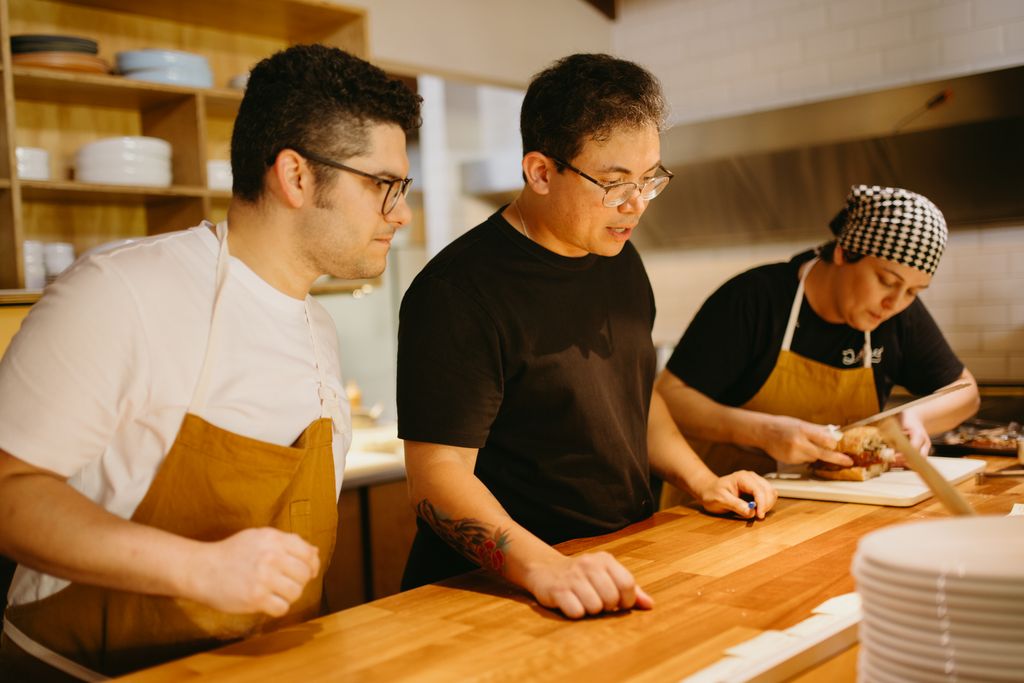
Kitchens run on a brigade system. Each level has clear duties. Knowing the ladder helps you apply at the right level. Titles vary a little by country, but this structure is widely used in the US, UK, and Europe.
Kitchen porter and commis chef
The kitchen porter washes, cleans, and supports prep. It is an entry point, not a chef title, but it teaches how a kitchen flows.
A commis chef is a junior chef learning on a section. You prep, follow recipes, and support senior chefs in service. A good commis role rotates you across sections, so you learn larder, sauces, and pastry basics.
Chef de partie and sous chef
A chef de partie runs one section, such as grill, larder, or pastry. You own your prep, timing, and cleanliness, and may train a commis. Consistency is your job.
The sous chef is second in command. You run service when the head chef is absent, order stock, manage rotas, and train the team. People skills matter as much as cooking skills here.
Head chef and executive chef
The head chef leads one kitchen. Menu planning, budgets, hiring, food safety, and final quality sit with you. An executive chef oversees multiple kitchens, focusing on leadership and standards across sites.
Progression is not always straight. A sideways move into a better kitchen can be smarter than a rushed promotion. When you compare the best chef jobs at your level, compare what you will learn, not just the title.
How to Judge an Employer Before You Accept
A trial shift tells you more than any advert.
Hours, split shifts, and rotas
When you compare the best chef jobs, ask for the real hours. How many shifts per week? How long is a typical day? How often are split shifts used, where you work lunch, leave for unpaid hours, then return for dinner? Split shifts suit some people who live nearby. They are exhausting if you travel far.
Ask how far ahead the rota is published and how overtime is recorded. Weekend work is normal in hospitality, and some chefs build a good routine around weekend jobs patterns, but your share of weekends should be stated before you sign.
Pay structure and what is included
Check if pay is hourly or salaried. If salaried, ask what hours the salary covers. Check how tips or service charge are shared, and whether the system is written and fair. Check uniform, knives, and meals: what is provided?
In the US, confirm overtime rules. In the UK, check the rate against the National Minimum Wage or National Living Wage for your age. In Europe, check the collective agreement where one applies. Never accept vague answers on pay.
Kitchen culture and leadership
Watch how the head chef speaks to the team in service. Firm and clear is fine. Humiliation is not. In a good kitchen, a mistake is fixed and learned from.
Look at tenure. Ask how long the sous chef and chefs de partie have stayed. Long tenure is strong evidence. High turnover is a warning, even if the food is famous. Check cleanliness and training too. Trust your reaction after the trial.
Pay and Hours: What the Official Data Shows
This guide does not invent salaries for named employers. It does not list fake openings. Use official data as your anchor, then check the live advert for the actual band.
The U.S. Bureau of Labor Statistics publishes national pay for chefs and head cooks as a general range. In recent survey data, the national median sits in the high $50,000s to low $60,000s per year, with the lowest-paid 10 percent earning notably less and the highest-paid 10 percent earning notably more. Executive chefs tend to sit toward the upper part. Commis roles sit toward the lower part. Treat these figures only as a general US range from a citable source, and check the BLS page for current numbers.
Hours shape the real value of pay. Work out pay per actual hour worked, not just the headline figure. A lower salary with fixed daytime hours can be worth more than a higher salary built on constant split shifts.
In the UK, compare the rate with typical bands for your level and region. In Europe, pay scales vary by country, so check the contract carefully. In all countries, get pay and overtime terms in writing before you resign from another job. Tips vary by season. Do not build fixed spending on variable income.
Training Routes: Culinary School vs Apprenticeship
There is no single correct route into the best chef jobs. Both main routes work. The right choice depends on money, learning style, and country.
Culinary school and college
Culinary school gives structured teaching in a training kitchen. You learn knife skills, stocks, sauces, baking, and food safety in a set order. In the US, programmes range from short certificates to degrees. In the UK, colleges offer professional cookery qualifications at several levels. In Europe, vocational schools often combine classes with placements.
School suits people who want foundations before full service pressure. Cost is the main issue, especially in the US. Compare total cost and graduate outcomes. A respected community college can offer excellent value. Never take on large debt for a low-paid entry role without a plan.
Apprenticeship and on-the-job training
An apprenticeship pays you while you learn in a real kitchen. In the UK, chef apprenticeships are well established at commis and chef de partie levels. In Germany and other European countries, the dual system mixes work and school over several years. In the US, formal apprenticeships exist, including programmes registered with the Department of Labor, though many chefs train by moving up in good kitchens.
This route suits people who learn by doing and need to earn from day one. Quality depends on the kitchen. Choose an employer who rotates and teaches you. A cheap-labour job with no teaching is not an apprenticeship.
Short certificates also help. In the US, a food handler certificate is often preferred. In the UK, Level 2 food hygiene is a common baseline. Allergen training is valuable everywhere. Employers expect to train you in their menu. They want safe habits and basic knife skills first.
No-Experience Routes Into the Kitchen
You can enter this trade with no professional experience. Kitchens hire for attitude and reliability because core skills can be taught. Many openings are genuine entry level jobs with training built in.
The most common first step is kitchen porter. You wash up, clean, receive deliveries, and help with basic prep. It is physical work, but it puts you inside the brigade, where good porters are noticed and promoted to commis.
The second route is commis chef in a kitchen that trains beginners. Hotel groups, contract caterers, and institutional kitchens often hire commis chefs with home cooking experience only. If you cook well at home, say so honestly, with examples.
The third route is an apprenticeship or trainee scheme. These are structured no experience jobs in the sense that employers expect to teach you from the start. Rules vary by country, so check official scheme pages for your area.
Build proof before you apply. Practise knife grip and basic cuts. Learn mother sauces and simple stocks. Cook for family or community events and note numbers. Be honest in applications. Employers can train a beginner. They cannot fix dishonesty that service will expose in one shift.

How to Apply Step by Step: CV, Trial Shift and Portfolio
A clear process beats luck. Follow these steps.
Step one: build a short, honest CV. List kitchens, levels, sections, certificates, and languages. Keep it to one or two pages. Chefs are busy. Clarity wins.
Step two: write a short cover note. Name the kitchen, say why that setting suits you, and mention one matching skill.
Step three: apply through a verifiable channel. Use the employer’s careers page or a known job board. Be careful with social media adverts that ask for money early. Legitimate employers do not charge fees to hire you.
Step four: prepare for the trial shift. Confirm time, uniform, and what to bring. Ask about knives rather than assuming. Arrive early, wash hands, and ask where to stand and what to prep. Work clean.
Step five: build a simple portfolio. Phone photos of your best dishes are fine. Show range: a soup, a sauce, a well-cooked protein, and a dessert if that is your area. A portfolio matters most for the best chef jobs at chef de partie level and above, and for private roles.
Step six: follow up once, politely. Thank the head chef, say you want the role, and give your start date. If rejected, ask for one piece of feedback.
At offer stage, confirm level, pay, hours, and start date in writing. The best chef jobs survive honest questions at this stage.
Mistakes That Cost Good Cooks Good Jobs
Good cooks lose good chances for avoidable reasons.
The first mistake is chasing fame over fit. A famous name helps only if you stayed long enough to learn and left with a good reference. Three short spells in famous kitchens read worse than two solid years in a good local kitchen.
The second mistake is job-hopping without a story. Moving kitchens is normal. Moving every few months with no progression warns employers. Leave each kitchen with a new section, level, or skill.
The third mistake is ignoring basics. Poor timekeeping, a dirty section, and unsafe knife habits lose jobs faster than a weak sauce. Head chefs promote people they can trust on a busy Saturday.
The fourth mistake is accepting verbal promises. Extra pay or weekends off that never appear in writing rarely arrive. Ask for key terms in the contract. A good employer will not be offended.
The fifth mistake is burning bridges. Kitchens are a small world. Leave with notice, hand over your section cleanly, and thank the team. Your next head chef may call your last one.
The sixth mistake is neglecting your health. Sleep, food, and safe lifting are career tools. If a kitchen punishes every sign of being human, it is not offering one of the best chef jobs, whatever it claims.
Frequently Asked Questions
Do I need culinary school to get the best chef jobs?
No. Many head chefs trained through apprenticeships or by moving up in good kitchens. Employers care most about skills, attitude, food safety, and references. School can speed up your foundations, but it does not replace service experience.
What is the best first job if I have never worked in a kitchen?
Kitchen porter or trainee commis chef are the strongest starts. Porter work teaches pace and flow. A training-focused commis role teaches prep and sections directly.
How many hours do chefs really work?
It varies by setting. Restaurants often involve long days, evenings, and weekends, sometimes with split shifts. Hotels run early and late rotas. Hospitals and schools tend to offer regular daytime hours. Always ask for real weekly hours and overtime terms in writing.
Can I become a private chef without fine dining experience?
Yes, if you have proven skill, strong organisation, and references that show trust. Private clients value reliability, discretion, and food their household enjoys. A varied portfolio and a successful trial cook day matter more than a famous name.
Are cruise ship chef jobs a good way to save money?
They can be, because accommodation and meals are included. The trade-off is long hours, limited days off, and months away from home. Read the contract carefully, including pay, repatriation, and medical cover. Treat it as demanding work, not paid travel.
How do I know if a kitchen culture is healthy before I join?
Use the trial shift. Watch how the head chef corrects mistakes and how clean the kitchen is at the end of service. Ask how long team members have stayed. A healthy kitchen is firm, clear, and respectful. Shouting and constant turnover are warnings.
Conclusion
The best chef jobs combine fair pay, workable hours, real teaching, and a team you respect. Restaurants offer creativity and pace. Hotels offer variety and structure. Hospitals and schools offer stability and daytime hours. Private and catering work offer autonomy and variety, with boundaries you must set in writing.
Choose your setting first. Apply at the right level. Judge the employer on a trial shift, not on promises. Then build steadily: master your section, earn trust, and move up with skills and references that travel with you.