How to Become an Aircraft Mechanic: A&P License Guide
Learning how to become an aircraft mechanic is a strong career move if you like machines, hands-on work, and the idea that your work keeps people safe in the air. Aircraft mechanics — also called aviation maintenance technicians, or AMTs — inspect, repair, and maintain airplanes and helicopters, from small private aircraft to large passenger jets. Every flight you have ever taken depended on a mechanic doing their job correctly, which makes this a career with real responsibility and real pride.
In the United States, the path runs through the Federal Aviation Administration (FAA). To work as a certificated mechanic, you need an FAA mechanic certificate with Airframe and Powerplant ratings — usually called the A&P certificate. There are two main ways to qualify for it: graduate from an FAA-approved aviation maintenance school, known as a Part 147 school, or build up supervised work experience and document it. Then you must pass written, oral, and practical tests. This guide walks through every step in order, including the training, the tests, the costs in general terms, and the mistakes that slow new mechanics down.
Table of Contents
Quick Answer
To become an aircraft mechanic in the United States, first meet the basic requirements: be at least 18 years old and able to read, write, speak, and understand English. Then qualify through one of two routes: complete a program at an FAA-approved Part 147 aviation maintenance technician school, or gain supervised hands-on experience — generally 18 months for a single rating or 30 months for both ratings — and document it carefully.
Learning how to become an aircraft mechanic then requires passing the FAA written knowledge tests, then the oral and practical tests given by a designated examiner. Once you pass, the FAA issues your mechanic certificate with Airframe and Powerplant ratings, and you can apply for maintenance jobs with airlines, repair stations, and general aviation employers. Always verify current requirements, fees, and test procedures on the FAA’s official website before you enroll or apply, because rules and fees change over time.
What Does an Aircraft Mechanic Do?
An aircraft mechanic keeps aircraft safe to fly. The work covers the whole machine: the airframe (the structure, wings, landing gear, and flight controls), the powerplant (the engines and propellers), and the systems that connect them, such as hydraulics, fuel, electrical, and pressurization. A mechanic’s day can include scheduled inspections, replacing worn parts, troubleshooting a fault that a pilot reported, testing an engine after a repair, and signing off work in the aircraft’s maintenance records.
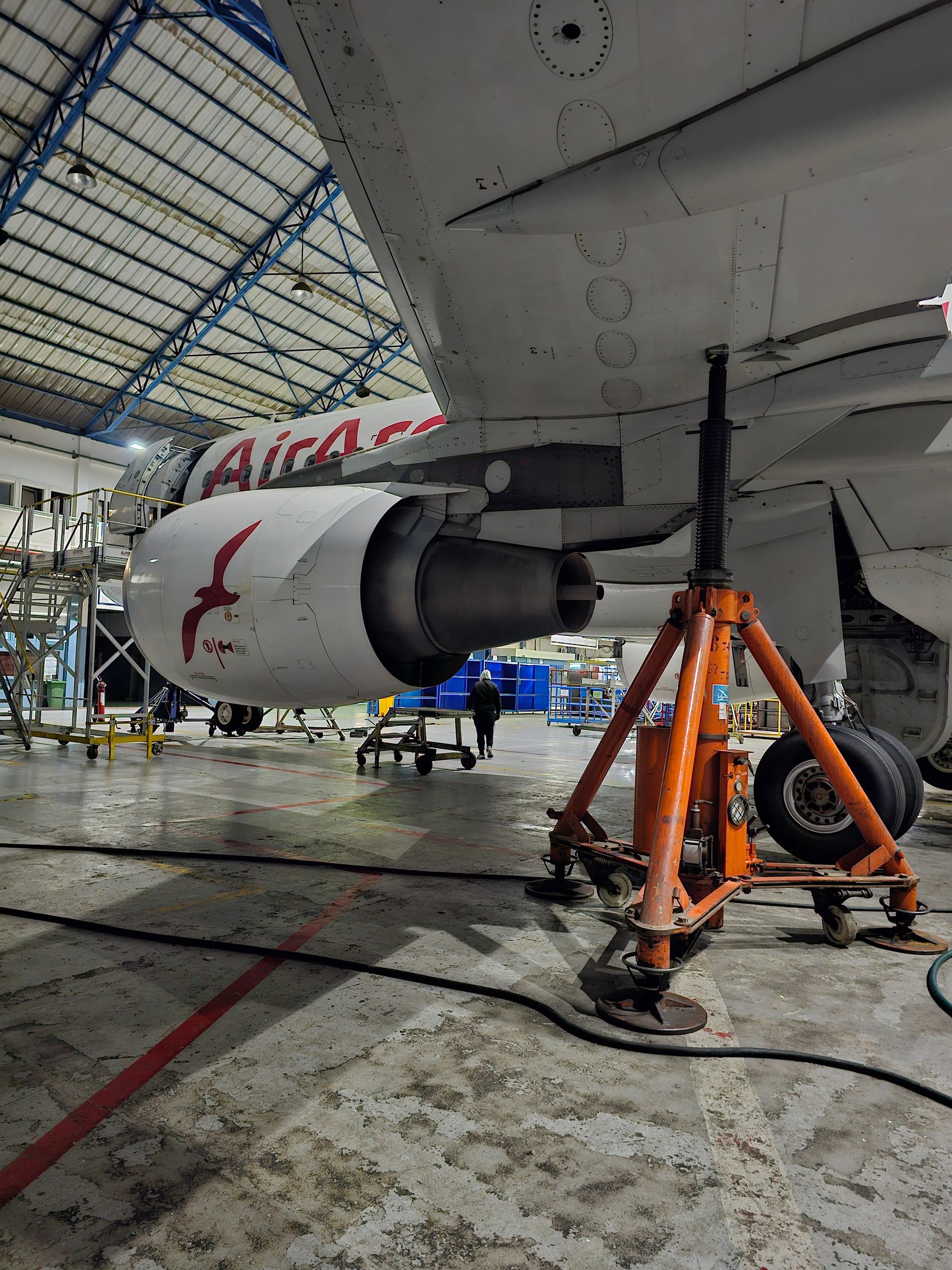
Mechanics work in several different settings, and the job looks different in each one. Line maintenance mechanics work at airports, often on night shifts, turning aircraft around between flights and fixing problems quickly so the schedule stays on track. Heavy maintenance mechanics work in hangars on larger jobs, such as major inspections that take an aircraft out of service for days or weeks. Some mechanics specialize in engines, sheet metal, or avionics — the electronics and instruments in the cockpit. Others work on helicopters, business jets, or small general aviation aircraft at local airfields.
The work is physical and precise at the same time. You will be on your feet, climbing, crouching, and working in tight spaces, sometimes in heat, cold, or rain on the ramp. You will also follow manuals exactly, use torque wrenches and measuring tools, and document every step, because in aviation there is no room for guesswork. A mechanic’s signature in a logbook is a legal statement that the work was done correctly, and that responsibility is the heart of the job.
Is Aircraft Mechanic a Good Career?
Aircraft maintenance suits people who enjoy fixing things, following procedures carefully, and seeing a clear result at the end of the day. There is variety: no two days are identical, and you may work on different aircraft types and different systems in the same week. The skills are portable, too — an A&P certificate is recognized across the United States, and experienced mechanics can find work with airlines, cargo operators, repair stations, corporate flight departments, and government and military contractors.
It also has honest downsides to weigh. The work is physical, shifts can include nights, weekends, and holidays, and you will be held to strict standards where mistakes have serious consequences. Training takes time and money, and the tests are demanding. Before committing, spend time on choosing a career path and ask yourself whether you enjoy detailed, methodical work, whether you are comfortable working under pressure, and whether you are willing to keep learning as aircraft technology changes.
Step 1: Meet the Basic Requirements
Before you choose a training route, confirm that you meet the FAA’s basic eligibility rules for a mechanic certificate. You must be at least 18 years old, and you must be able to read, write, speak, and understand English, because manuals, regulations, and maintenance records are all in English. There is no medical certificate requirement for mechanics the way there is for pilots, but you do need the physical ability to do the work safely.
For the school route, most FAA-approved aviation maintenance technician schools require a high school diploma or an equivalent qualification, such as a GED, before you enroll. If you are still in school, that is worth knowing now: finishing your diploma first keeps every option open. Some schools also have their own entrance requirements, such as a basic math or reading assessment, so check with the schools you are considering.
This is also the right moment to think about your background honestly. A clean record of careful, responsible work matters in aviation, because employers run background checks and trust matters in safety-critical jobs. If you already have experience in a related trade — car repair, electronics, or general mechanical work — that background will help you learn faster, even though it does not replace the FAA requirements. What matters most is a steady, detail-focused attitude and the willingness to follow procedures exactly.
Step 2: Choose Your Route — Part 147 School or Experience
There are two main ways to qualify to take the FAA mechanic tests, and your choice shapes your timeline and your costs.
The first route is an FAA-approved Aviation Maintenance Technician School, often called a Part 147 school after the regulation that governs it. These schools teach the full curriculum — general subjects, airframe subjects, and powerplant subjects — in a structured program. Most programs take around 18 to 24 months to complete, depending on whether you are studying for one rating or both and whether you attend full time. When you graduate, the school gives you a graduation certificate that makes you eligible to take the FAA tests, provided you meet the other eligibility requirements. This is the most common route for people starting from scratch, because it gives you organized teaching, hands-on practice, and a clear schedule.
The second route is the experience route, also called on-the-job training. Instead of attending a school, you work under the supervision of certificated mechanics and build up practical experience. Under the FAA’s rules, you generally need at least 18 months of practical experience for a single rating — Airframe or Powerplant — or at least 30 months for both ratings. The experience must be relevant to the rating you want: it should cover the procedures, practices, materials, tools, and equipment used in building, maintaining, or altering airframes or powerplants, as appropriate. This route can suit people who are already working around aircraft, for example in the military or in an aviation job, and who can get supervised experience over time. It usually takes longer, and the burden of proving your experience is on you.
A third, related path is military service. People who have worked on military aircraft may be able to get credit for their service toward the experience requirements, through the military’s certification council process. If you are serving or have served, ask your education office or the FAA about how your military specialty maps to the civilian requirements, and gather your service records early.
When you are deciding how to become an aircraft mechanic, do not pick based on speed alone. The school route costs tuition but gives structure and a faster, more predictable path to the tests. The experience route costs less in tuition but takes longer and depends on finding supervised work. Think about your finances, your current job, and how you learn best before you decide.
Step 3: Complete Your Training or Document Your Experience
If you go the school route, expect a program that mixes classroom study with hands-on work in a hangar or workshop. The general section covers the foundations: mathematics, physics, basic electricity, weight and balance, regulations, and how to read technical drawings. The airframe section covers structures, sheet metal, wood and fabric where relevant, hydraulics and pneumatics, landing gear, fuel systems, electrical systems, and flight controls. The powerplant section covers piston and turbine engines, propellers, ignition and fuel metering systems, lubrication, and engine inspection and overhaul.
Good programs give you real time on real aircraft and engines, not just textbooks. You will learn to use hand tools and precision instruments, follow maintenance manuals step by step, and fill in maintenance records properly. Take this part seriously: the habits you build in school — checking the manual, torquing to the specified value, signing off only what you have actually done — are the habits that will carry your whole career. Ask your instructors questions, volunteer for extra practical work, and keep your notes organized, because the same material appears on the tests.
If you go the experience route, documentation is everything. Keep a detailed log of your work from the very first day: the date, the aircraft or engine type, the task you performed, the hours spent, and the name and certificate details of the certificated mechanic who supervised you. Use a proper logbook or a consistent written record, and keep it organized — the FAA will want to see evidence that your experience covers the required areas. Ask your supervisor regularly whether your work is covering the right range of tasks, because experience that is too narrow may not qualify you. Commercially available logbooks and preparation courses exist to help experience-route candidates organize their records and prepare for the tests.
Either way, this is the stage where many people underestimate the time involved. Training and experience cannot be rushed: the knowledge is broad, and the tests expect you to know it properly. Plan your schedule with room for review, and keep studying a little every day rather than leaving everything to the end.
Step 4: Pass the FAA Written Knowledge Tests
Before you can take the oral and practical tests, you must pass the FAA written knowledge tests for the ratings you want. There are separate written tests for the General, Airframe, and Powerplant subjects. Each test is multiple choice and is taken at an FAA-approved testing center. You will need to show that you are eligible to test — for example, with a graduation certificate from a Part 147 school or an FAA authorization based on your documented experience — and you should confirm the current application and scheduling process on the FAA’s website before you book.
Preparing for the written tests is a study project in itself. Start with the FAA’s Airman Certification Standards for aviation mechanics, which describe exactly what the tests cover. Then work through your course material or study guides topic by topic, testing yourself with practice questions. Focus extra time on your weak areas — for many candidates, that is electrical theory, regulations, or engine systems. Do not rely only on reading: the tests check applied knowledge, such as reading a chart, working out a weight-and-balance problem, or choosing the correct procedure, so practice questions matter more than re-reading notes.
On test day, read each question carefully and watch for wording that changes the answer, such as “most likely” or “except.” If a question is unclear, eliminate the answers you know are wrong and choose from what remains. Remember that the FAA rules require you to pass all the required tests within a set period before you can be issued the certificate, so plan your written, oral, and practical tests as one sequence rather than as separate events spread over a long time. Confirm the current time limit, fees, and retake rules on the official FAA website before you schedule anything.
Written Test Study Tips That Actually Work
Set a study schedule of several weeks and study a little every day rather than cramming. Study one subject at a time and write your own summary of each topic, because writing forces you to understand rather than just recognize. Use flashcards for terms, figures, and limits that you must know exactly, such as torque values or electrical formulas. Take full timed practice tests under exam conditions so you build speed as well as knowledge. And review every wrong answer to understand why it was wrong — that review is where most of the learning happens.
Step 5: Pass the Oral and Practical Tests
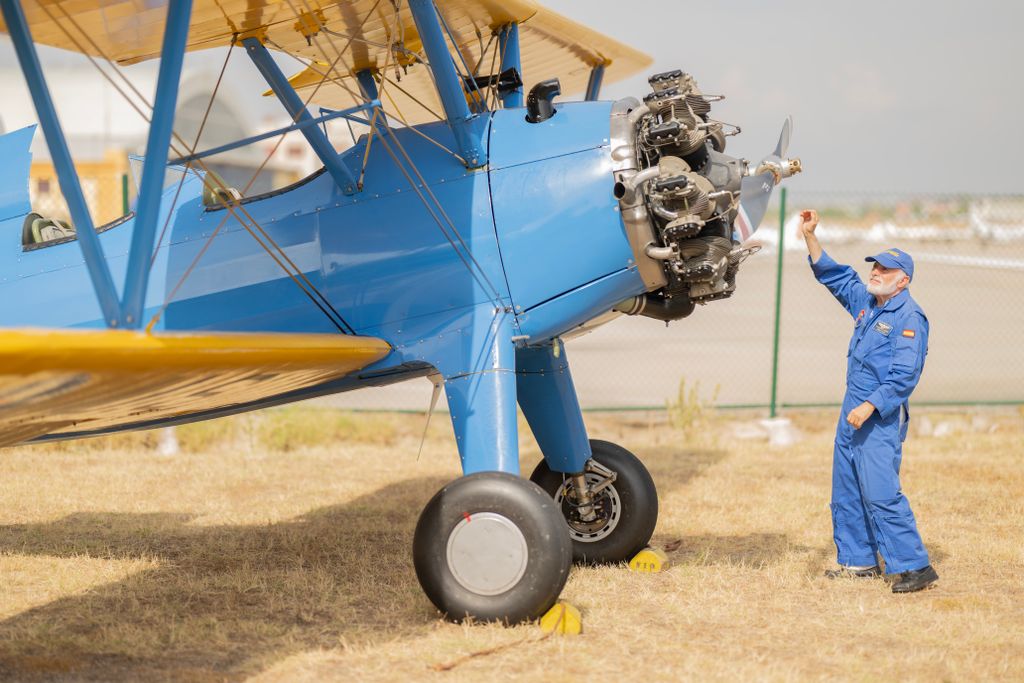
After the written tests, you face the oral and practical tests, which are given by a Designated Mechanic Examiner — a senior mechanic the FAA has authorized to test candidates. This is the part of the process that worries most candidates, because it is face to face and hands on. In the oral test, the examiner asks questions about the subject areas for your ratings, following the Airman Certification Standards. In the practical test, you perform real maintenance tasks — for example, inspecting a component, measuring a part, riveting or safety-wiring, or troubleshooting a system — while the examiner watches and asks questions about what you are doing and why.
The best preparation is practical experience. During training, treat every workshop task as if an examiner were watching: follow the manual, use the correct tools, check your work, and be ready to explain your reasoning. Before the test, go through the Airman Certification Standards and make sure you can talk through every task listed for your ratings, not just perform it. Many candidates also take a preparation course, which runs through mock oral questions and practical tasks under test-like conditions and helps you get used to the format.
On the day, bring the documents the examiner asks for, arrive early, and stay calm. If you do not know an answer, say so honestly and explain how you would find it — in a manual or a regulation — rather than guessing. Examiners are testing your judgment as well as your memory, and a mechanic who admits what they do not know and checks the manual is a safer mechanic than one who guesses. If you do not pass a section, treat it as useful information: you can retake the failed part after further study, so ask the examiner what to work on and focus your preparation there.
Step 6: Get Your A&P Certificate and Start Working
When you pass the written, oral, and practical tests, the FAA issues your mechanic certificate with the Airframe and Powerplant ratings you earned — the A&P certificate. You can hold one rating on its own, but most employers expect both, so earning the two together is the usual goal. Your certificate is what allows you to sign off maintenance work and to be employed as a certificated mechanic.
Now comes the job search. Start with writing a strong resume that highlights your certificate, your school or experience, and any hands-on work on specific aircraft types. Apply to airlines, cargo operators, maintenance repair stations, fixed-base operators at local airports, corporate flight departments, and general aviation shops. Entry-level mechanics often start on line maintenance or in a repair station, where they build experience on live aircraft under the supervision of senior mechanics. Be open to shift work and to relocating for the right first job, because your first year of real experience is the foundation of your career.
As you gain experience, you can grow in several directions. You can specialize — in engines, structures, or avionics — or move toward lead mechanic and supervisor roles. After several years of holding your certificate and working actively as a mechanic, you can also pursue an Inspection Authorization, an additional FAA authorization that allows you to perform annual inspections and approve major repairs and alterations. Keep learning throughout: new aircraft types, new materials, and new systems mean that a good mechanic never stops training.
How Long Does It Take, and What Does It Cost?
There is no single answer, because the two routes take different amounts of time. A full-time Part 147 school program typically takes around 18 to 24 months to complete, depending on whether you are studying for one rating or both. The experience route takes longer — you need at least 18 months of practical experience for one rating and at least 30 months for both — and the calendar time can be longer still if your work does not cover the required tasks quickly. Add time for test preparation and scheduling on top of either route, and plan on the whole journey taking roughly two to three years from starting to holding your certificate.
Costs also vary widely, and this guide deliberately does not quote specific figures, because tuition, test fees, and tool prices change often and differ by school and location. In general, expect to pay for tuition if you attend a school, fees for the written tests, a fee for the oral and practical test with the examiner, your basic tool set, and study materials. Experience-route candidates pay less in tuition but still pay test and examiner fees and need tools. Before you commit, make a realistic budget, contact the schools you are considering for their current tuition, and confirm every current fee on the FAA’s official website. Do not borrow heavily to start — many students work part time during school, and many experience-route candidates earn while they learn.
Common Mistakes New Aircraft Mechanics Make
Choosing a School Without Checking Its FAA Approval
The most expensive mistake is paying for a program that is not an FAA-approved Part 147 school. Only an approved school’s graduation certificate gives you eligibility to test. Always confirm a school’s FAA approval and its current status before you enroll or pay anything.
Keeping Poor Experience Records
Experience-route candidates who keep no log, or keep a vague one, often find they cannot prove their experience when they apply to test. Log every task with dates, aircraft types, and your supervisor’s details from day one — reconstructing months of work from memory does not work.
Studying for the Tests Without Practice Questions
Reading alone rarely passes the written tests. Candidates who fail usually studied passively and never practiced under timed conditions. Use practice tests and review every wrong answer.
Memorizing Answers Instead of Understanding Systems
The oral and practical tests expose memorization quickly. An examiner will ask why a procedure is done a certain way, and a candidate who only memorized the steps cannot answer. Learn how each system works, not just the sequence of steps.
Rushing Practical Work
New mechanics sometimes rush because they feel the pressure of a deadline or an audience. A rushed job misses defects and damages your reputation — and in aviation, it can damage safety. Follow the manual at your own careful pace, and check your work before you sign it off.
Neglecting the Records
A repair that is not recorded correctly is a repair that, legally, did not happen properly. Write clear, accurate maintenance entries, use the correct terminology, and never sign off work you did not do or did not inspect. Your logbook entries are your professional word.
Getting Started Checklist
- Confirm you meet the basic requirements: age 18 or older and able to read, write, speak, and understand English
- Finish your high school diploma or equivalent qualification if you have not already
- Research the two routes — Part 147 school vs. supervised experience — and choose the one that fits your finances and learning style
- Check that any school you consider is an FAA-approved Part 147 school
- Ask schools about their current tuition, schedule, and graduation requirements
- If taking the experience route, find supervised work with certificated mechanics and start a detailed log from day one
- Get the FAA Airman Certification Standards for aviation mechanics and use them as your study map
- Complete your training or your required months of documented experience
- Apply for authorization to test and book your written knowledge tests
- Study with timed practice tests and review every wrong answer
- Pass the General, Airframe, and Powerplant written tests
- Prepare for the oral and practical tests with hands-on practice and mock questions
- Pass the oral and practical tests with a Designated Mechanic Examiner
- Receive your FAA mechanic certificate with Airframe and Powerplant ratings
- Build your resume and apply for entry-level maintenance jobs
- Keep learning: new aircraft types, systems, and regulations throughout your career
Conclusion
Becoming an aircraft mechanic is a realistic, achievable career change that rewards careful, honest work. The steps are clear: meet the basic requirements, choose between a Part 147 school and the experience route, complete your training or document your experience properly, pass the written tests, then pass the oral and practical tests with a designated examiner. None of these steps is difficult on its own — the challenge is doing them in the right order, keeping good records, and not cutting corners.
Take the time to do it well. A well-trained mechanic with a good reputation gets steady work and grows into specialist and supervisory roles, while a rushed one gets failed tests and lost trust. Verify every fee, time requirement, and test rule on the FAA’s official website before you spend money, and build your knowledge one system at a time. If you enjoy machines, detail, and responsibility, aircraft maintenance can give you a career you genuinely own — and one that keeps people safe in the sky every day.
FAQ
How long does it take to become an aircraft mechanic?
A full-time Part 147 school program typically takes around 18 to 24 months, depending on whether you study for one rating or both. The experience route takes longer: you need at least 18 months of practical experience for a single rating or 30 months for both ratings, plus time for test preparation and scheduling. From starting to holding your certificate, plan on roughly two to three years in total, and confirm current program lengths with the schools you are considering.
Do I need a college degree to become an aircraft mechanic?
No. You do not need a four-year college degree to become an aircraft mechanic. What you need is an FAA mechanic certificate with Airframe and Powerplant ratings, which you earn by completing an approved school program or documented experience and passing the FAA tests. Most Part 147 schools require a high school diploma or an equivalent qualification for enrollment, and some offer associate degree options alongside the certificate program, but the degree itself is not an FAA requirement.
Can I become an aircraft mechanic without going to school?
Yes, through the experience route. If you gain supervised hands-on experience working under certificated mechanics — generally at least 18 months for one rating or 30 months for both — and you document it carefully, the FAA can authorize you to take the tests without attending a Part 147 school. Military aircraft maintenance experience can also count toward the requirements. The experience route usually takes longer than school, and the burden of proving your experience is on you, so keep detailed records from the start.
What is the difference between the Airframe and Powerplant ratings?
The Airframe rating covers the aircraft’s structure and systems: the fuselage, wings, landing gear, flight controls, hydraulics, fuel systems, and electrical systems. The Powerplant rating covers the engines and propellers: piston and turbine engines, ignition and fuel metering, lubrication, and engine inspection and overhaul. Most mechanics earn both ratings together, which is why the certificate is usually called the A&P certificate, and most employers expect both.
What is the hardest part of becoming an aircraft mechanic?
Most candidates say the hardest part is the breadth of the knowledge and the oral and practical tests. The written tests cover a wide range of subjects, and the oral and practical tests require you to explain and perform real maintenance tasks in front of an examiner. The best way through is steady, daily study, plenty of hands-on practice, and preparation courses or mock tests that make the format familiar before the real day.