How to Become a Medical Scribe: Training and Certification
Learning how to become a medical scribe is one of the smartest first steps into healthcare for someone who wants real clinical experience without spending years in medical school first. A medical scribe works alongside a doctor or other clinician during patient visits, listening carefully, taking notes in real time, and entering the details of each visit into the electronic health record, known as the EHR. The doctor can then focus on the patient instead of the computer, and the record stays complete, accurate, and ready for the next step in care. It is a job that rewards fast typing, careful listening, a strong grasp of medical language, and the discipline to handle private health information with care.
Scribing is also one of the best-known stepping stones for pre-med students. Admissions teams for medical school, physician assistant programs, and nursing programs value applicants who have spent hundreds of hours in real exam rooms, hearing how doctors take a history, explain a diagnosis, and plan treatment. That experience cannot be learned from a textbook alone. This guide walks through the whole path in order: what a scribe actually does, the education and skills you need, how training works, the Certified Medical Scribe Specialist (CMSS) certification, HIPAA basics, in-person versus remote scribe work, how to find your first job, and the mistakes that slow new scribes down.
Table of Contents
Quick Answer
To become a medical scribe, start with a high school diploma or equivalent, then build a working knowledge of medical terminology, anatomy, and physiology. Next, complete a medical scribe training program – many programs describe roughly 120 hours of training, combining classroom learning with supervised practice – and learn to document accurately in an EHR system.
Consider earning the Certified Medical Scribe Specialist (CMSS) credential to show employers that your skills meet a recognized standard. Then apply for scribe jobs in hospitals, clinics, emergency departments, and specialty practices, or for remote scribe roles if you prefer working from home. Always verify current training hours, certification requirements, and application details on the official websites of the training provider and the certification body before you enroll or pay for anything. In short, this is how to become a medical scribe.
What Does a Medical Scribe Do?
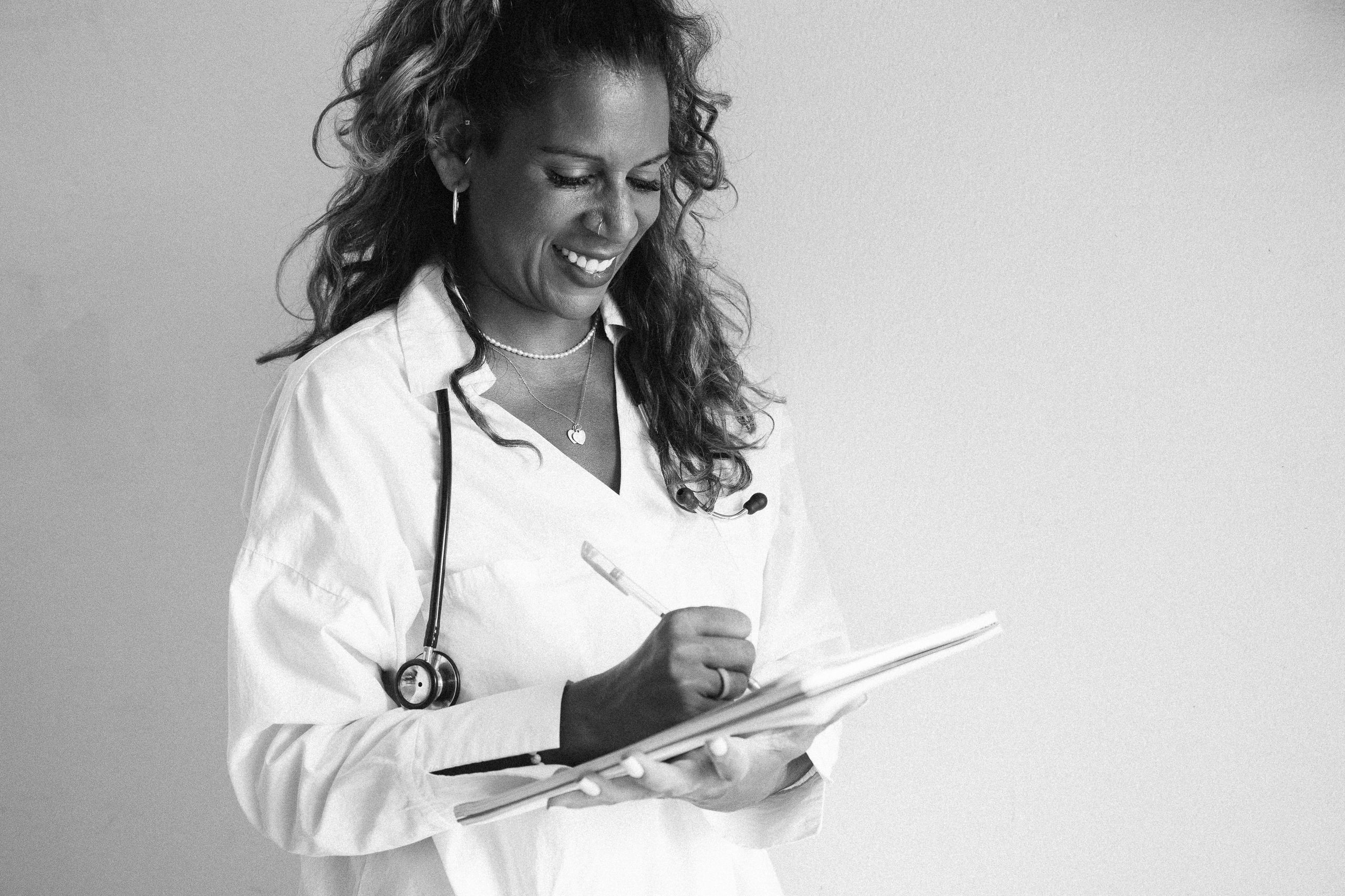
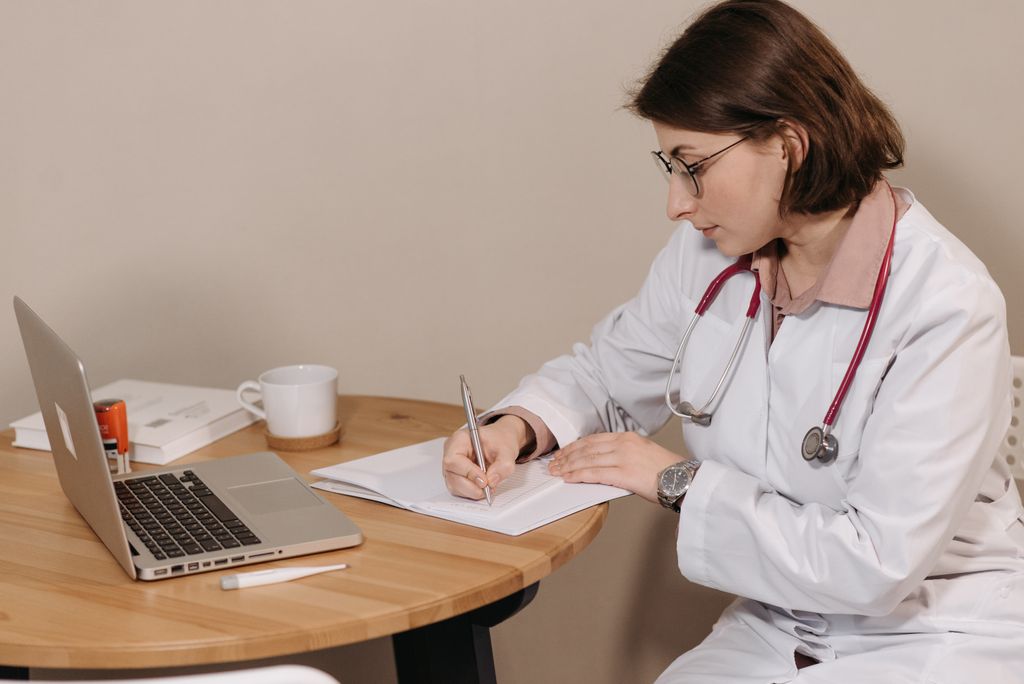
A medical scribe is the clinician’s documentation partner. During a patient visit, the scribe listens to the conversation between the patient and the provider and records the important details in the EHR as the visit happens. That usually includes the patient’s history of present illness, past medical history, current medications, allergies, review of systems, physical examination findings as the provider calls them out, the assessment and plan, orders for tests or prescriptions, and the follow-up instructions given to the patient.
The scribe does not examine patients, give medical advice, or make clinical decisions. That boundary matters, and good scribes respect it completely. Your job is to capture what happened accurately and completely, in the right part of the record, using the correct medical terms and the provider’s preferred style. After the visit, the provider reviews the note, makes any corrections, and signs it. The scribe’s work therefore sits at the center of patient safety: a clear, accurate note helps the next clinician, the pharmacist, and the patient understand exactly what was decided.
A typical day depends on the setting. In an emergency department, a scribe may follow one provider through a fast-moving series of short visits, documenting each one quickly and moving on to the next. In a primary care clinic, visits are longer and the notes are more detailed, with more attention to chronic conditions and preventive care. In a specialty clinic such as cardiology, orthopedics, or dermatology, the scribe learns the vocabulary and common conditions of that specialty in depth. Some scribes work in one clinic every day, while others rotate between departments or providers.
A Day in the Life of a Scribe
A scribe usually starts the day by reviewing the provider’s schedule and preparing for the patients who are coming in. That may mean opening the charts, checking which patients are new and which are returning, and noting any test results that have arrived. During each visit, the scribe types continuously, listening for the details that matter and leaving out small talk and repetition. Between visits, the scribe finishes the note, checks spelling and medical terms, and moves on to the next patient.
The work is mentally demanding. You need to listen, understand, type, and organize information all at the same time, often while a patient is emotional or a provider is speaking quickly. It is also deeply interesting. In a single week, a scribe may hear how a doctor explains a new diabetes diagnosis, how a surgeon discusses an operation, or how a pediatrician reassures a worried parent. For someone considering a career in medicine, there is no faster way to learn what clinical work really feels like.
Is Medical Scribing a Good Career?
Medical scribing suits people who are curious about medicine, comfortable with computers, and good at listening and writing clearly. It is an excellent entry point into healthcare because the formal barriers are low – most roles ask for a high school diploma, a training course, and a willingness to learn – while the experience you gain is directly relevant to many healthcare careers.
It is also honest to name the trade-offs. Scribing is a support role, not a clinical role, so it does not by itself qualify you to diagnose or treat patients. The work can be intense, with long shifts on your feet in a busy department, and the pay is modest compared with licensed clinical roles – this guide does not quote specific figures because pay varies widely by location, employer, and setting, and readers should check current job listings in their own area. Some scribes stay in the role for a year or two as a stepping stone, while others build a longer career in clinical documentation, move into medical coding, health information management, or scribe training and supervision. Before you commit, spend time on choosing a career path and ask yourself whether you enjoy detailed, fast-paced work and learning medical language every day.
Who Should Consider Scribing?
Scribing is a strong fit for pre-med and pre-PA students who need clinical hours and want to see medicine from the inside before they apply. It also suits recent graduates who are deciding between healthcare careers, career changers who want a healthcare job without a multi-year degree, and people who type quickly, write clearly, and stay calm under pressure. If you are the kind of person who notices details, asks what a word means instead of guessing, and takes pride in an accurate record, you will do well in this work.
Step 1: Meet the Basic Requirements
Most medical scribe jobs start with a high school diploma or its equivalent. Employers also look for strong English skills, clear writing, and the ability to type quickly and accurately, since you will be documenting live conversations. You do not need a medical degree, and you do not need to be a nurse or a medical student to become a scribe.
Before you apply, check the practical requirements of the employers in your area. Many healthcare employers ask for a background check and proof of immunizations, and some require a drug screening, because scribes work in clinical settings with patients. You should also be prepared to work shifts that may include evenings, weekends, or overnight hours, especially in emergency departments and hospitals. If you are still in school, think about how a part-time or full-time scribe schedule will fit around your classes, and be honest with employers about your availability.
Typing speed matters more than most beginners expect. Aim to build a comfortable, accurate typing speed before you start training, because the faster you can type without thinking about the keyboard, the more attention you can give to listening. Free typing practice tools can help, and even a few weeks of daily practice makes a real difference. Accuracy matters just as much as speed – a fast note with the wrong medication name or the wrong side of the body is worse than a slower, correct one.
Step 2: Learn Medical Terminology, Anatomy, and Physiology
Medical terminology is the language of the job, and it is the first subject every scribe must master. You need to understand the roots, prefixes, and suffixes that build medical words, so that when a provider says a term you have not heard before, you can often work out its meaning from its parts. You also need to recognize common abbreviations, the names of body systems, and the terms used for symptoms, diseases, tests, and treatments.
Anatomy and physiology come next. You do not need the depth of a medical student, but you do need a working map of the human body: the major organs and systems, how they normally work, and what goes wrong with them. When a provider describes a patient’s heart, lungs, or abdomen, you should be able to follow the description and place each finding in the right part of the note. A good training program covers this material, but you can also start with an introductory medical terminology textbook or a free online course and build from there.
Study this material actively, not passively. Make flashcards for terms and their meanings, and test yourself regularly. Practice writing short paragraphs that use medical terms correctly, the way a real chart note would. Learn the terms for the most common conditions first – diabetes, hypertension, asthma, infections, injuries, and pain – because those are the words you will hear most often in your first weeks on the job. Keep a notebook of terms you hear and look them up after each shift, so your vocabulary grows with every patient you document.
The Terminology That Trips Up New Scribes
New scribes often struggle with terms that sound alike but mean different things, with abbreviations that have more than one meaning, and with the difference between a symptom a patient reports and a finding a provider observes. For example, a patient may say they feel dizzy, while the provider records a specific examination finding – those are not the same thing, and the note should keep them separate. Another common trap is the laterality of the body: left and right, upper and lower, proximal and distal. Always double-check which side the provider means, because a note that says the wrong side can cause real confusion later. When you are unsure, ask the provider to repeat or clarify – asking a quick question is far better than guessing.
Step 3: Complete Medical Scribe Training
Medical scribe training teaches you how to turn a live conversation into a complete, accurate chart note. A good program covers medical terminology, anatomy and physiology, how to take a patient history, how to document a physical examination, how to record orders and results, and how to use an EHR system. Many programs describe roughly 120 hours of training, combining classroom or online learning with supervised practice, though the exact length and format vary by provider, so confirm the details with the provider you are considering.
Training is available in several formats. Some large scribe companies run their own paid training for new hires, teaching you their documentation style and their EHR system before you start working. College and online programs offer standalone scribe courses, often with a certificate of completion, which you can finish before you apply for jobs. Some programs are fully online, while others include in-person practice or a placement in a clinic. Whichever route you choose, look for a program that gives you plenty of practice with realistic patient scenarios, not just lectures – you learn scribing by doing it, with feedback on your notes.
During training, you will practice listening to recorded or simulated patient visits and writing notes from them. This is the core skill of the job, and it improves quickly with practice. Pay attention to the structure of a good note: a clear history, an organized examination section, a concise assessment and plan, and orders that match what the provider actually said. Learn the EHR system you will use, including its templates, shortcuts, and search functions, because a scribe who knows the system well can document much faster and more accurately. This practice is the core of how to become a medical scribe.
What to Look for in a Training Program
Choose a program that covers medical terminology, anatomy, EHR use, documentation standards, and HIPAA privacy rules, and that includes supervised practice with feedback. Ask whether the program prepares you for a recognized certification exam, and whether it offers help finding a scribe job afterward. Check reviews from past students, and be cautious of any program that promises a guaranteed job or a guaranteed certification pass – no honest program can promise either. Compare the curriculum and the time commitment before you enroll, and verify the current cost and schedule directly with the provider, since these change over time.
Step 4: Learn the EHR and Clinical Documentation
The electronic health record is where almost all of your work lives. The EHR is the digital chart that holds a patient’s history, test results, medications, allergies, and visit notes, and every member of the care team relies on it. As a scribe, you will spend most of your working day inside the EHR, so learning it well is one of the highest-value skills you can build.
Start by learning the structure of a chart note. A typical note has a history section, where the patient’s story is recorded; an examination section, where the provider’s findings are recorded; and an assessment and plan section, where the provider’s conclusions and next steps are recorded. Within each section, information should be organized, specific, and free of unnecessary repetition. Learn the common templates your employer uses, and learn when to use a template and when to write free text instead – templates save time, but a note that is all template and no detail about the individual patient is a poor note.
Accuracy is the heart of clinical documentation. Record what was said and done, in the provider’s words where it matters, and do not add details you did not hear, do not guess at a spelling you are unsure of, and do not copy text from an old note into a new one without checking that it is still true. Copying forward old information is one of the most common documentation errors in healthcare, and it can carry a mistake from one visit into the next. Always verify medications, doses, allergies, and test results against the current record, and flag anything that looks inconsistent to the provider.
Step 5: Understand HIPAA and Patient Privacy
HIPAA, the Health Insurance Portability and Accountability Act, is the US law that protects patients’ health information, and understanding it is a basic requirement for every scribe. As a scribe, you will see and hear private information about real people every day – their diagnoses, their medications, their personal histories – and you are trusted to keep that information private.
The core rules are simple, but they must become habits. Access only the patient records you need for the work you are doing, and never look up the records of family members, friends, or public figures out of curiosity. Never discuss a patient’s information outside work, not even with family or friends, and never share details on social media. Do not take photographs of charts or screens, do not send patient information through personal email or messaging apps, and always log out of the EHR when you leave a workstation. If you are working remotely, keep your screen private, use a secure connection, and follow your employer’s rules for handling health information at home.
Most employers provide HIPAA training when you are hired, and you may need to complete it before you start documenting. Take it seriously, ask questions about anything that is unclear, and remember that a privacy mistake can end a scribe’s employment and harm a patient’s trust. If you ever see something that looks like a privacy problem – a chart left open on a shared computer, a conversation about a patient in a public hallway – report it through the proper channel at your workplace.
Step 6: Earn the CMSS Certification
The Certified Medical Scribe Specialist (CMSS) credential is the best-known certification for medical scribes. It is offered through the American College of Medical Scribe Specialists (ACMSS), and it is designed to show employers that you have the knowledge and skills to document patient encounters accurately and professionally. Certification is not a legal requirement for scribing – no federal or state law requires a scribe to be certified – but many employers treat it as a strong preference, and some list it as a requirement in their job postings.
Preparing for the CMSS exam means studying the same material your training covered, in greater depth: medical terminology, anatomy and physiology, clinical documentation standards, EHR use, and the legal and ethical rules that govern scribing, including HIPAA. The exam tests applied knowledge, not just memorization, so practice with realistic documentation scenarios and sample questions if your training provider offers them. Study a little every day over several weeks rather than cramming, and focus extra time on the areas where you are weakest.
When you are ready, confirm the current exam format, eligibility rules, and registration process on the certification body’s official website before you book, since these details can change. After earning the credential, keep your knowledge current: the CMSS requires recertification on a regular cycle, which means continuing education and staying up to date with documentation standards. Even if you decide not to pursue certification immediately, the study itself will make you a stronger scribe, and you can always take the exam later once you have some real-world experience.
For authoritative guidance on health information standards, privacy, and professional credentials in this field, the American Health Information Management Association is a useful reference: AHIMA (https://www.ahima.org/).
Other Credentials Worth Knowing About
The CMSS is the most widely recognized scribe credential, but it is not the only one. Other organizations offer scribe certifications with different focuses, and some large scribe employers run their own internal certification programs. Before you pay for any exam, compare what each credential covers, whether employers in your area recognize it, and what the recertification requirements are. A credential that local employers do not know is less useful than one they ask for by name, so look at real job postings in your area and note which credentials they mention.
Step 7: Choose Between In-Person and Remote Scribe Work
Medical scribes now work in two main settings: in person, beside the provider in the clinic or hospital, and remotely, listening to the visit through a secure audio or video connection and documenting from home or another location. Both paths lead to the same skill set, but the day-to-day experience is very different, and the right choice depends on your situation.
In-person scribing puts you in the room. You see the patient, the provider, and the examination as they happen, which makes it easier to follow the conversation and pick up on details that audio alone might miss. You also build relationships with the clinical team, learn faster from being around experienced providers, and gain the kind of first-hand clinical exposure that medical school admissions teams value most. The trade-offs are the commute, the shift schedule, and the physical demands of being on your feet in a busy department.
Remote scribing offers flexibility. You work from home, often with a schedule you can arrange around classes or another job, and you can work for employers in other cities or states. The work itself is the same – listen, document, verify – but you rely entirely on the audio and video feed, so a clear connection and a quiet workspace are essential. Remote scribes must also be extra careful about privacy, keeping their screen out of view and following their employer’s security rules. Some employers prefer remote scribes who already have in-person experience, so many people start in person and move to remote work later.
Which Setting Helps a Pre-Med Application Most?
Both settings give you real clinical documentation experience, and both belong on a medical school application. In-person scribing is usually the stronger choice if your main goal is clinical exposure, because you are physically present in the care environment, you interact with the team, and you can describe that experience in detail in your application and interviews. Remote scribing is the stronger choice if your main goal is flexibility while you study, work another job, or care for family. Many successful applicants have done one or the other, or a mix of both, and what matters most is what you learned from the experience and how you describe it.
Step 8: Apply for Your First Scribe Job
When you are ready to apply, start with the employers that hire scribes in volume: large hospital systems, emergency department groups, primary care networks, and the national scribe companies that staff many clinics at once. Check their careers pages, look for roles titled medical scribe, clinical scribe, or emergency department scribe, and read each posting carefully to see what training, availability, and experience it asks for.
Your application should be short, clear, and honest. If you are new to healthcare, say so – many scribe employers expect to train new hires, and they value attitude and aptitude more than a long resume. If you have no healthcare experience yet, focus on the skills that transfer: fast accurate typing, clear writing, attention to detail, reliability, and any experience listening and taking notes under pressure. For help presenting a first job application when your work history is short, read our guide on how to get a job with no experience. A tailored resume and a short cover letter that explains why you want to scribe – and what you hope to learn – will stand out more than a generic application sent to fifty employers.
Interviews for scribe roles often include a short typing test, a medical terminology check, or a practice documentation exercise. Expect questions about why you want the job, how you handle confidential information, and how you would manage a fast-paced shift. Be ready with a real example of a time you paid close attention to detail or handled a difficult task carefully, even if it comes from school, volunteering, or a different job. After the interview, send a brief thank-you message and follow up politely if you have not heard back within the time the employer gave you.
How Scribing Helps Medical School Applications
For pre-med students, scribing is one of the most valuable experiences you can put on a medical school application, and admissions teams know it well. A year of scribing typically means hundreds of patient encounters across many conditions, specialties, and types of visit, and that breadth is hard to match with any other single activity.
Scribing helps in several specific ways. First, it gives you genuine clinical hours in a real care setting, working directly with physicians. Second, it teaches you the language of medicine – the terminology, the structure of a clinical encounter, and the reasoning behind a diagnosis and treatment plan – so that when you reach medical school, the clinical world is already familiar. Third, it gives you strong material for your personal statement and interviews: real stories about patients and providers, described with the detail and reflection that only first-hand experience can provide. Fourth, it can lead to strong letters of recommendation from physicians who have watched you work carefully and reliably over many months.
To make the most of the experience, keep a private journal of what you learn – not patient details, which must stay private, but your own reflections on what you observed and how it shaped your understanding of medicine. Note the moments that changed how you think about patient care, the specialties that interested you most, and the skills you developed. Those reflections become the raw material for a personal statement that sounds like a real person, not a list of activities. And if you decide during your scribing year that medicine is not for you, that is also valuable knowledge – it is far better to learn it as a scribe than halfway through medical school.
Common Mistakes New Medical Scribes Make
Guessing at Words Instead of Asking
The most dangerous mistake is writing down a term you did not hear clearly. A guessed medication name, dose, or diagnosis can mislead the next clinician who reads the note. If you miss a word, ask the provider to repeat it, or look it up after the visit and confirm it before the note is signed. Providers expect questions from new scribes, and a quick question is always better than a confident guess.
Copying Old Notes Without Checking
Copying text from a previous visit into a new note saves time, but it also carries old information forward – a medication the patient stopped, a symptom that has resolved, or a finding that has changed. Always read what you are carrying forward and confirm that it is still true for this visit. If it is not, update it or leave it out.
Writing Too Much, or Too Little
A good note is complete but concise. New scribes often write down everything, including small talk and repetition, which makes the note hard to read. Others write too little, leaving out the details that explain the provider’s reasoning. The test is simple: could another clinician read your note and understand what happened, what was found, and what happens next? If the answer is yes, the note is the right length.
Falling Behind During a Busy Shift
In a busy emergency department or clinic, it is easy to fall behind on notes and try to catch up from memory at the end of the day. Memory fades fast, and notes written hours later are less accurate. Keep up with each note as you go, even if that means writing a short draft during the visit and completing it in the gap before the next patient. If you do fall behind, tell the provider and ask for a few minutes to catch up – they would rather wait than sign an inaccurate note.
Neglecting Privacy Rules
New scribes sometimes discuss an interesting case with friends, look up a public figure’s chart, or leave a screen open on a shared computer. Each of these is a privacy violation, and any one of them can end a scribe’s job. Treat every patient’s information as if it were your own family’s, and follow the privacy rules from your first day, without exception.
Treating Scribing as Only a Resume Line
Scribes who treat the job as a box to tick miss the point of the experience. The scribes who learn the most are the ones who pay attention, ask thoughtful questions, read about the conditions they document, and reflect on what they see. That attitude also shows: providers notice which scribes are engaged and which are just typing, and their recommendation letters reflect it.
Getting Started Checklist
- Confirm you meet the basic requirements: high school diploma or equivalent, strong English, and accurate typing
- Build your typing speed and accuracy with daily practice
- Study medical terminology, anatomy, and physiology, starting with the most common conditions
- Choose a scribe training program that includes supervised practice and EHR training, and confirm its current length and cost directly with the provider
- Learn the structure of a good chart note: history, examination, assessment and plan, orders
- Complete HIPAA privacy training and learn your employer’s privacy rules
- Decide whether to pursue the CMSS certification, and confirm the current exam details on the certification body’s official website
- Choose between in-person and remote scribe work based on your schedule, goals, and location
- Prepare a clear, honest resume and cover letter, and apply to hospitals, clinics, and scribe companies
- Practice for the interview, including a typing test and a sample documentation exercise
- Keep a private reflection journal of what you learn, without any patient details
- Plan your next step: medical school, a physician assistant program, nursing, medical coding, or a longer career in clinical documentation
Conclusion
Learning how to become a medical scribe is a practical, achievable path into healthcare, and it is one of the best ways to gain real clinical experience before committing to a longer medical career. The steps are clear: build your medical vocabulary and typing skills, complete a solid training program, learn the EHR and the structure of a good chart note, understand HIPAA and patient privacy, consider the CMSS certification, and then apply for scribe roles in person or remotely. None of these steps requires a medical degree, and each one makes you more useful to the clinicians you will support.
Take the training seriously, ask questions instead of guessing, and treat every note as if another clinician’s decisions depend on it – because they do. If you are a pre-med student, scribing will give you the clinical hours, the medical language, and the real stories that make a strong application. If you are exploring healthcare more broadly, it will show you, from the inside, how clinical care actually works. Verify every training hour, certification detail, and application requirement on the official sources listed in this guide before you spend money, and start building the skills today – one term, one note, one patient visit at a time.
FAQ
How long does it take to become a medical scribe?
Most people can complete the preparation in a few months, depending on the training program they choose – many programs describe roughly 120 hours of training – and how quickly they build their medical terminology and typing skills. Some scribe employers run their own training for new hires, which can shorten the path. Building real confidence and speed takes longer, usually several months of regular shifts, so expect a learning curve in your first weeks on the job That is a realistic timeline for how to become a medical scribe.
Do I need a certification to become a medical scribe?
No, certification is not a legal requirement for medical scribes in the United States. However, the Certified Medical Scribe Specialist (CMSS) credential is widely recognized, and many employers list it as a preferred or required qualification in their job postings. Earning it can help your application stand out, especially if you have no prior healthcare experience. Confirm the current exam and eligibility details on the certification body’s official website before you register.
Is medical scribing good for pre-med students?
Yes, scribing is widely regarded as one of the best pre-med experiences available. It provides hundreds of hours of direct clinical exposure, teaches you medical terminology and clinical reasoning, and gives you real examples to write about in your personal statement and discuss in interviews. Physicians you work with over many months can also write strong, specific letters of recommendation based on your reliability and attention to detail.
Can I work as a medical scribe remotely?
Yes, remote scribe roles exist and are growing, with scribes documenting visits through a secure audio or video connection from home. Remote work offers flexibility, but it requires a reliable connection, a quiet private workspace, and strict attention to privacy rules. Some employers prefer remote scribes who already have in-person experience, so many people start in person and move to remote work later.
What skills do I need to become a medical scribe?
The most important skills are fast, accurate typing, clear writing, careful listening, and a solid grasp of medical terminology, anatomy, and physiology. You also need to learn an EHR system, understand HIPAA privacy rules, stay organized under pressure, and communicate clearly with providers. Curiosity helps too – the best scribes keep learning about the conditions they document and ask questions when they do not understand something.