Best Careers for Animal Lovers: Jobs That Pay
If you have ever wished you could spend your working day with animals instead of just thinking about them between meetings, you are not alone. The best careers for animal lovers are real, paid, full-time jobs — not just volunteer weekends or hobbies that never pay the rent. From veterinary clinics and wildlife reserves to grooming salons, stables, aquariums, shelters and your own dog-walking business, there is a surprisingly wide range of ways to turn a love of animals into a stable career.
The challenge is choosing the right one. Some animal careers need years of university study and a professional licence. Others need a short certificate, an apprenticeship, or simply hands-on experience and a reputation for reliability. Some pay very well. Others start modestly but grow fast once you specialise. Some are physically demanding, emotionally tough, or involve early mornings, weekends and outdoor work in all weathers. This guide covers all of that honestly, so you can pick a path that fits your skills, your budget, your timeline and the kind of animals — and people — you actually want to work with.
Whether you are a school leaver, a career changer, a recent graduate, or someone returning to work after a break, there is an entry point here for you. Below you will find fifteen careers explained in depth: what the job really involves day to day, what it typically pays in general terms, what training or qualifications you need, how to get your first role, and how to move up. You will also find a practical comparison, common mistakes to avoid, and a checklist to help you take the first step this week.
Table of Contents
Quick Answer
The best careers for animal lovers include veterinarian, veterinary technician, veterinary assistant, wildlife biologist, zookeeper, animal shelter worker, pet groomer, dog trainer, animal behaviourist, equine professional, marine biologist, pet sitter or dog walker, animal control officer, conservation ranger, and pet photographer or animal writer. Veterinarians earn the most but need the longest training — usually a degree plus a veterinary degree and licensing. Veterinary technicians, groomers, trainers and shelter workers offer much faster entry, often within months to two years.
Self-employed routes such as grooming, pet sitting and dog walking can grow into strong incomes once you build regular clients. The fastest way to start is to get hands-on experience through volunteering, work experience or a short certificate, then apply for entry-level roles while you train further. Before you apply anywhere, make sure your application is strong — our guide on how to write a resume will help you present animal experience, volunteering and transferable skills clearly, even if your paid work history is in another field.
How to Choose the Right Animal Career
Not every animal lover wants the same job. Some people love the science and medicine. Others love being outdoors, working with their hands, training animals, or running a small business. Before you commit to years of study or a career change, work through these five questions.
First, what kind of animals do you want to work with? Dogs and cats are the most common in clinics, shelters and grooming, but horses, farm animals, wildlife, marine life and exotic species each lead to very different careers. Second, do you want to work mostly with animals, mostly with people, or a mix of both? Almost every animal job involves people — owners, visitors, colleagues, customers — but the balance varies enormously. A wildlife biologist may spend long stretches alone in the field, while a groomer or trainer spends most of the day talking to owners.
Third, how much study are you willing and able to do? A veterinary degree is a major commitment. A grooming certificate or a dog-walking business can be started far more quickly. Fourth, what does your lifestyle need? Some roles involve shift work, nights, weekends, early starts and physical work outdoors. Others offer regular hours or self-employed flexibility. Fifth, what matters more to you right now — the highest salary, the fastest start, the most job security, or the deepest sense of purpose? There is no wrong answer, but being honest about it will save you from choosing a career that looks perfect online and feels wrong in real life.
A useful test is to spend time in the real setting before you commit. Volunteer at a shelter for a month. Shadow a groomer for a day. Ask a veterinary nurse what their hardest week looked like. Spend a morning at a stable. Real exposure beats research every time, and it also gives you experience to put on your CV and people who can recommend you later. The best careers for animal lovers reward that kind of first-hand experience, because employers hire people who already understand the day-to-day reality of the work.
Veterinarian
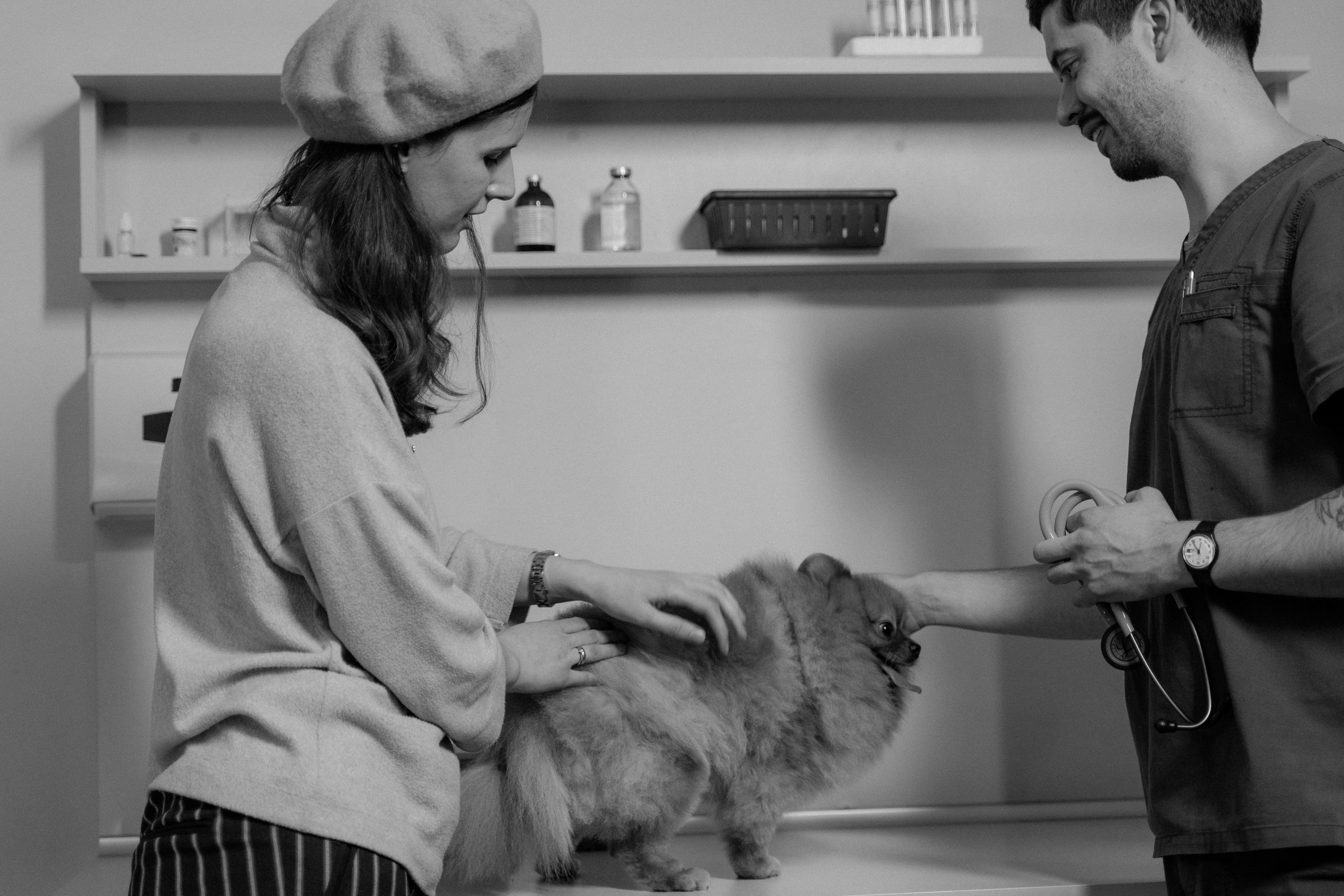
A veterinarian is a qualified animal doctor. Vets diagnose and treat illness and injury, perform surgery, prescribe medicine, advise owners on nutrition and preventive care, and in some roles work with farm animals, horses, wildlife or public health. It is the highest-paid and most demanding of the animal careers in this guide, and also the one with the longest training route.
Day to day, a vet in a small-animal practice will see a mix of routine check-ups, vaccinations, dental work, wound care, diagnostic tests and surgery. A farm vet spends much of the day travelling between farms. An equine vet works with horses at yards, stables and racecourses. A wildlife or zoo vet works with a huge range of species and often with conservation teams. Some vets move into research, teaching, government work, food safety or pharmaceutical roles later in their careers.
Pay is generally strong once qualified, and it rises with experience, specialisation and location. In general terms, qualified vets in the United States and much of Western Europe earn a comfortable professional salary, often well above the national average, with specialists in areas such as surgery, cardiology or ophthalmology earning considerably more. Exact figures vary by country, employer, hours and specialism, so always check current figures on official sources such as the U.S. Bureau of Labor Statistics and the relevant veterinary regulator in your country before making decisions.
Training is long. In the United States you typically need a bachelor’s degree followed by a four-year Doctor of Veterinary Medicine degree, then you must pass licensing exams. In the United Kingdom and much of Europe, veterinary degrees usually take five or six years, sometimes preceded by a foundation year. Entry is competitive and usually requires strong grades in science subjects, relevant work experience with animals, and a genuine understanding of the emotional and physical demands of the job.
How to start: if you are at school, focus on biology and chemistry, and arrange work experience at a vet practice, farm, stable or shelter. If you are a graduate in another subject, look at graduate-entry veterinary programmes. If you are a career changer, be realistic about the time and cost — a veterinary degree is a major financial and personal commitment — but do not rule it out. Many mature students qualify successfully, often bringing valuable life experience and people skills with them. Talk to practising vets, attend open days, and check the entry requirements of the schools you are interested in well before you apply, because they differ.
The hardest parts of the job are worth knowing in advance. Vets deal with seriously ill animals, distressed owners, difficult decisions about euthanasia, long hours and on-call work. Compassion fatigue is real. The best vets protect themselves with good boundaries, supportive colleagues and a life outside work. If you can handle that side of the job, it is also one of the most rewarding careers in this guide — you genuinely save lives, relieve suffering and help families keep the animals they love healthy.
Veterinary Technician / Veterinary Nurse
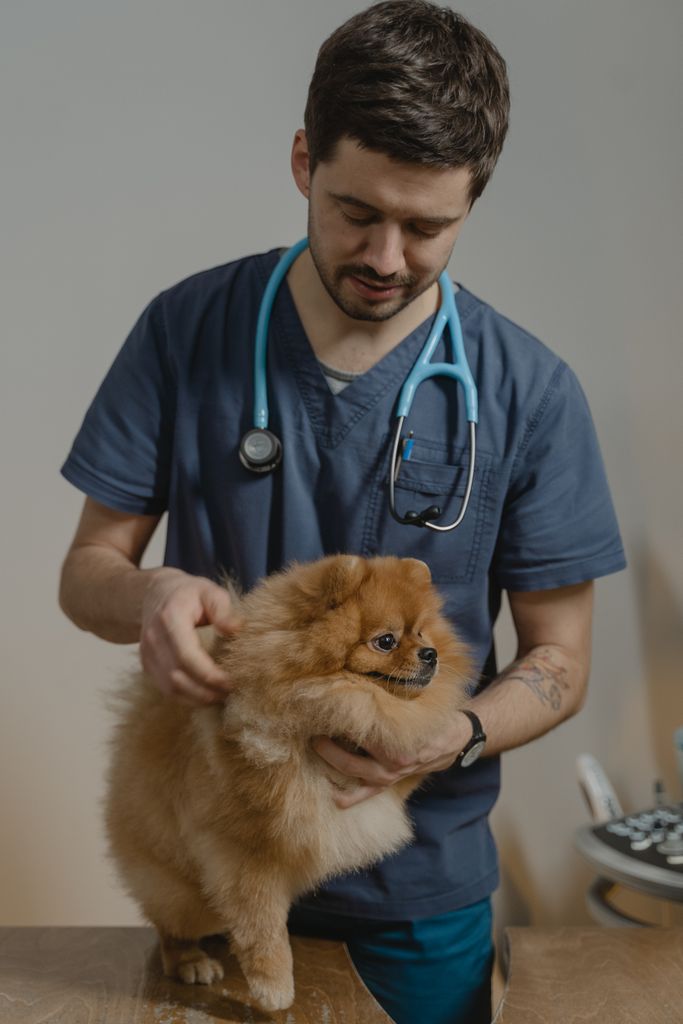
Veterinary technicians in the United States and veterinary nurses in the United Kingdom and Europe are the backbone of every clinic. They assist vets during examinations and surgery, monitor anaesthetics, take blood samples and X-rays, run laboratory tests, care for hospitalised animals, dispense medicines, advise owners, and keep the clinic running smoothly. If you love hands-on medical work with animals but do not want the length or cost of a veterinary degree, this is often the best balance of purpose, pay and training time.
In the United States, veterinary technicians usually complete a two-year associate degree or a four-year bachelor’s degree in veterinary technology, then pass a national exam to become credentialed. In the United Kingdom, veterinary nurses complete a degree or a diploma combined with practical training, then register with the Royal College of Veterinary Surgeons. In other European countries, the title, training route and registration rules vary, so check your national regulator before you enrol on a course.
Pay is moderate rather than high, and it rises with experience, specialist qualifications and the type of practice. Emergency and referral hospitals often pay more than general practice. In general terms, qualified technicians and nurses earn a solid full-time wage, with scope to increase it by specialising in areas such as anaesthesia, emergency and critical care, dentistry, behaviour, nutrition or oncology. Overtime and out-of-hours work can add to earnings, but it also adds to the workload, so weigh that honestly.
How to start: look for an accredited veterinary nursing or veterinary technology programme, and get experience first. Many successful applicants have volunteered at a shelter, worked as a veterinary assistant, or completed work experience at a practice. That experience proves you understand the job — the early mornings, the cleaning, the emotional moments — and it makes your application far stronger. Once qualified, keep learning. Short courses and specialist certificates are the fastest way to raise both your pay and your job options.
This is a physically and emotionally demanding role. You will lift heavy animals, work on your feet all day, deal with emergencies, and support owners through bad news. You will also be the person who notices a small change in a hospitalised animal that makes a real difference. If you want medical work, teamwork and daily contact with animals without becoming a vet, start here.
Veterinary Assistant
A veterinary assistant, sometimes called a veterinary care assistant, supports the vet and the veterinary nurse with the practical running of the clinic. Duties include handling and restraining animals safely, preparing examination rooms, cleaning and sterilising equipment, feeding and exercising hospitalised animals, supporting reception, and helping owners feel at ease. It is the fastest clinical route into a vet practice, and an excellent first step if you are unsure whether to commit to nursing or veterinary training.
Most veterinary assistant roles do not require a degree. Employers usually look for a genuine interest in animals, some hands-on experience, reliability, good communication skills and the ability to cope with the physical and emotional demands of the job. Some employers offer on-the-job training, and there are short certificate and diploma courses that can help you get hired and progress. In the United States, some assistants go on to complete a veterinary assistant certificate through a college or an approved programme. In the United Kingdom, there are recognised veterinary care assistant qualifications that can lead into veterinary nursing.
Pay is generally entry-level, similar to other hands-on care roles, and it rises with experience and responsibility. This is not a high-salary starting point, but it is a real foot in the door. Many veterinary nurses and even some vets started as assistants, kennel staff or receptionists and worked their way up while they studied.
How to start: apply directly to local practices, shelters and animal hospitals, and volunteer first if you have no experience. Even a few weeks of volunteering shows you can handle the work. Make your application specific — mention the animals you have handled, the shifts you can work, and why you want this clinic in particular. A generic application that could have gone anywhere rarely gets a reply. Once you are in, ask questions, learn the routines, and tell your employer if you want to train further. Good practices support staff who want to progress, and they often know about funded training routes before they are advertised.
Wildlife Biologist
Wildlife biologists study animals in their natural habitats. They research populations, behaviour, migration, breeding, diet and disease, monitor endangered species, advise governments and conservation organisations, and help design protected areas and recovery programmes. If you love fieldwork, science and the outdoors, and you are patient enough for slow, careful research, this can be a deeply satisfying career.
A typical week might include field surveys, tracking animals, collecting samples, analysing data, writing reports, presenting findings, and working with landowners, rangers and local communities. Some wildlife biologists specialise in one group — birds, mammals, reptiles, amphibians, insects or fish — while others work on habitats such as wetlands, forests or grasslands. Some spend most of their time outdoors. Others spend more time in laboratories, offices and universities, especially as they move into senior or research-lead roles.
Most wildlife biologists have a degree in biology, zoology, ecology, environmental science or a related subject, and many have a master’s degree or a PhD, particularly for research and senior roles. Field experience matters as much as qualifications. Employers look for survey skills, species identification, data analysis, GIS mapping, report writing and a driving licence, because fieldwork is often in remote places.
Pay varies widely. Entry-level field roles are often modestly paid and sometimes seasonal or fixed-term, which is the honest truth about this field. Pay improves with experience, a postgraduate qualification, a permanent post with a government agency, a university, a large conservation charity or an environmental consultancy, and with specialist skills that are in demand. In general terms, mid-career wildlife biologists in the United States and Western Europe earn a reasonable professional salary, while senior researchers and consultants can earn considerably more. Always verify current figures on official sources such as the U.S. Bureau of Labor Statistics and the job adverts for the exact role and country you are targeting.
How to start: study a relevant degree, volunteer with conservation organisations, join survey projects, and build practical skills. Learn to identify species in your area, practise data recording, and learn basic GIS and statistics. Apply for seasonal field assistant roles, internships and research assistant posts — they are competitive, but they are the standard way in. Be prepared to move for work, especially early on, and to combine short contracts until you secure a permanent role. Keep a record of every survey, species and project, because that log becomes your strongest evidence when you apply.
Zookeeper
Zookeepers care for animals in zoos, safari parks, aquariums and wildlife parks. The job is far more than feeding animals and cleaning enclosures, although both are a large part of every day. Keepers prepare diets, observe behaviour, keep detailed records, provide enrichment that keeps animals active and healthy, help with breeding programmes, assist vets, talk to visitors, and sometimes take part in conservation and research work.
Most keepers specialise over time — big cats, primates, reptiles, birds, elephants, marine mammals or hoofstock — but new keepers usually start as generalists and rotate through sections. The work is physical, outdoors in all weathers, and involves early starts, weekends and bank holidays, because animals need care every day of the year. It is also highly competitive. Zoos receive many applications for every vacancy, so experience matters enormously.
Training routes vary. Many keepers have a degree or diploma in zoology, animal management, animal science or a related subject. In the United Kingdom, there are specific diplomas in zoo animal management. In the United States, a degree in biology, zoology or animal science is common, and some zoos run keeper training programmes. There is no single licence to become a zookeeper, but employers expect evidence that you can work safely with animals, follow protocols, keep records and work as part of a team.
Pay is generally modest, especially at entry level, and it rises slowly with experience and responsibility. Senior keepers, section leaders and curators earn more. In general terms, zookeeping is a career people choose for the work itself rather than the salary, and you should go in with your eyes open about that. The reward is daily contact with extraordinary animals, skilled colleagues, and a real contribution to conservation and education.
How to start: volunteer at a zoo, safari park, farm park or wildlife centre. Apply for keeper assistant, seasonal and relief roles. Complete a relevant diploma or degree if you can, and build experience across different species. Learn to drive, be willing to work weekends, and keep applying — persistence is part of this career. When you get an interview, be specific about the animals you have worked with, the routines you know, and what you observed, not just that you love animals. Every applicant says that. The ones who get hired can show it.
Animal Shelter and Rescue Worker
Shelter and rescue workers care for abandoned, stray, injured and surrendered animals, help them recover, and find them new homes. The work includes feeding, cleaning, exercising and grooming animals, assessing behaviour, giving basic medical care, keeping records, matching animals with adopters, supporting foster carers, answering the public’s questions, and sometimes helping with fundraising and outreach.
This is one of the most emotionally varied careers in this guide. There are wonderful days — a long-stay dog finally adopted, a frightened cat learning to trust people, a litter of kittens finding homes together. There are also hard days — animals arriving in poor condition, adoptions that fall through, and difficult decisions about animals that cannot be rehomed. Good shelters support their staff, but you need resilience, kindness and clear boundaries to do this work well for years.
Most shelter roles do not require a degree. Employers look for animal-handling experience, reliability, teamwork, communication skills and a calm manner under pressure. Some roles, such as behaviour assessors, shelter managers and veterinary staff, need further qualifications. Many workers start as volunteers, then move into paid kennel, cattery or adoption roles, then into senior, behaviour or management posts.
Pay is generally modest, similar to other care-sector roles, and it varies by charity, location and responsibility. Managers and specialist behaviour staff earn more. Some roles are part-time or shift-based, which can suit people who need flexible hours. In general terms, do not enter shelter work expecting a high salary. Enter it because you want to make a direct difference to animals that have nowhere else to go, and because you are willing to build skills that can lead to better-paid roles in behaviour, management, fundraising or veterinary support.
How to start: volunteer at your local shelter or rescue. Be consistent — turn up on time, learn the routines, and stay for more than a few weeks. Shelters remember reliable volunteers and hire from them first. Learn basic animal behaviour, safe handling and record-keeping. If you want to progress, ask about behaviour courses, animal first aid, and management training. A shelter career can also lead into animal control, welfare inspection, charity management and policy work if you keep learning.
Pet Groomer
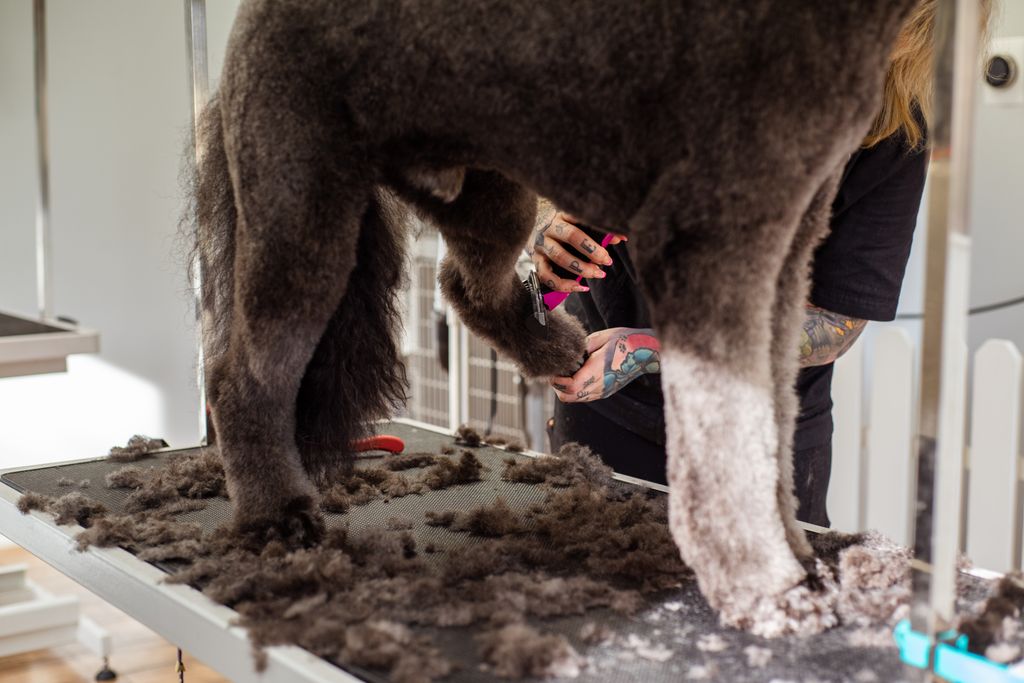
Pet groomers wash, brush, trim, clip and style dogs and, in some salons, cats. They also check for skin problems, parasites, lumps and sore areas, clean ears, trim nails, and advise owners on coat care between visits. Grooming is a skilled trade that combines animal handling, practical technique and customer service. It is also one of the most reliable self-employment routes in the animal world, because owners return every few weeks and recommend a good groomer to everyone they know.
A groomer’s day is busy and physical. You will lift dogs onto tables, stand for long periods, work with wet and hairy animals, and manage nervous or wriggly customers with patience. You need to know different coat types, breed cuts, safe handling, skin conditions, and when to refer an animal to a vet rather than carry on grooming. Good groomers build trust with both the animal and the owner, and that trust is what turns a one-off appointment into a regular booking.
Training is much shorter than a veterinary degree. In the United States and the United Kingdom, there are grooming schools, diploma courses and apprenticeships that typically take months rather than years. Some groomers learn on the job as an assistant or bathers, then train further. There is no single mandatory licence in many places, but a recognised qualification, insurance and a strong portfolio make a real difference to employers and customers. In some US states and European countries, local business rules, hygiene standards and insurance requirements apply, so check them before you set up on your own.
Pay depends on whether you are employed or self-employed, where you work, and how many animals you groom each day. Employed groomers generally earn an entry-level to mid-level wage, sometimes with tips and commission. Self-employed groomers who build a full diary can earn considerably more, especially in cities and affluent areas, but they also pay for premises, equipment, insurance, marketing and quiet periods. In general terms, grooming offers a realistic path to a good income within a few years for someone who is skilled, reliable and good with customers.
How to start: take a recognised grooming course, practise on as many breeds and coat types as you can, and get work in a salon before you go self-employed. Learn the business side too — pricing, booking, cancellations, insurance and customer care — because great grooming alone does not pay the bills. Build a photo portfolio, ask happy customers for reviews, and specialise if you can. Breed-specific styling, nervous dogs, elderly dogs and cat grooming are all niches that can set you apart.
Dog Trainer
Dog trainers teach dogs — and their owners — good behaviour, obedience, recall, loose-lead walking, socialisation and, for some trainers, specialist skills such as agility, scent work, assistance-dog work or behaviour rehabilitation. The real skill is not just training the dog. It is teaching the owner to be consistent, patient and clear, because a dog that behaves perfectly in a lesson and is then handled differently at home will quickly go back to old habits.
Trainers work in many settings: one-to-one sessions, group classes, puppy classes, home visits, day training, boarding and training, and online coaching. Some work for training schools, shelters, charities or assistance-dog organisations. Others are self-employed and build their business through reputation, referrals and local visibility. The work is active, outdoors in all weathers, and involves a lot of talking, demonstrating and problem-solving.
There is no single mandatory qualification to call yourself a dog trainer in many countries, which means standards vary. That is exactly why a recognised qualification matters. Look for respected courses and certifications in your country, such as programmes from established dog-training and behaviour bodies, and keep studying animal behaviour, learning theory and welfare. A trainer who understands why a dog behaves a certain way is far more effective — and far safer — than one who only knows a set of commands.
Pay varies widely. Employed trainers generally earn a modest to mid-level wage. Self-employed trainers can earn a good income once they are established, especially if they offer puppy classes, one-to-one packages, behaviour consultations and online courses. In general terms, expect a slow start while you build clients and a reputation, then steadier income as word of mouth grows. Pricing, location, specialism and the number of clients you can see each week all affect earnings.
How to start: train your own dog well, volunteer with a shelter or rescue, assist an experienced trainer, and complete a recognised course. Get insurance before you take paying clients. Practise explaining things simply, because owners remember clear, kind advice and forget jargon. Start with puppy classes and basic obedience, build reviews and referrals, and only move into behaviour work once you have the knowledge and supervision to do it safely. Never promise a quick fix for a serious behaviour problem. Honest trainers build the strongest reputations.
Animal Behaviourist
An animal behaviourist studies why animals behave the way they do and helps owners, vets and shelters solve behaviour problems such as aggression, anxiety, fear, separation problems, house-training issues and compulsive behaviour. This is a more scientific and clinical role than general dog training, and it usually involves detailed case histories, observation, a behaviour modification plan, and follow-up work with the owner over weeks or months.
Behaviourists work with dogs and cats most often, but also with horses, parrots, rabbits and other species. They may work alongside vets, because pain, illness and medication can all affect behaviour, and a good behaviourist will always check whether a vet referral is needed before starting a behaviour plan. Some behaviourists work in private practice, some for shelters and charities, and some in research or teaching.
Training is substantial. In the United Kingdom, clinical animal behaviourists usually have a degree in animal behaviour, psychology, zoology or veterinary science, followed by postgraduate study and supervised casework, and they work towards registration with a professional body. In the United States, there are respected certification routes for applied animal behaviourists, often requiring a graduate degree and supervised experience. The exact title, protected status and requirements vary by country, so check the professional body in your country before you invest in a course.
Pay is generally mid-level to strong for experienced, qualified behaviourists, especially in private practice in cities and affluent areas. Entry-level and charity roles pay less. Because consultations take time and follow-up is part of the service, income depends on how many cases you can take, your fees, and your reputation. In general terms, this is a career where qualifications, experience and word of mouth matter more than speed — it takes time to build, but it can become a respected, well-paid specialism.
How to start: study animal behaviour at degree level if you can, volunteer with shelters and rescues, assist an experienced behaviourist, and keep detailed case notes. Learn about learning theory, welfare, body language, and the medical factors that affect behaviour. Be honest about your limits. A behaviourist who refers a difficult case to a vet or a more experienced colleague is a professional, not a failure. Over time, specialise — separation anxiety, aggression, rescue dogs, cats, horses — and let your results speak for you.
Equine Careers
Equine careers cover a wide range of jobs with horses: stable groom, riding instructor, yard manager, farrier, equine veterinary nurse, equine dentist, saddler, horse trainer, breeder, competition groom, and equine-assisted therapy practitioner. Some people work in racing, some in riding schools, some in polo, dressage or eventing, and some in welfare, rescue or therapy. If you love horses, there is a role for almost every skill set, from practical yard work to teaching, management and specialist trades.
Stable work is the usual starting point. Grooms muck out, feed, water, groom, tack up, exercise horses, clean tack and yards, and keep detailed records. It is early, physical and outdoors in all weathers, and it teaches you more about horses in a year than any classroom can. Riding instructors teach riders of all ages and abilities, which needs patience, clear communication and a recognised teaching qualification. Yard managers organise staff, rotas, feed, bedding, veterinary visits and budgets, and need both horse knowledge and management skills.
Specialist trades can pay well. Farriers — who trim hooves and fit shoes — train through an apprenticeship and a recognised qualification, and experienced farriers with a strong client base can earn a good income. Equine dentists, saddlers and equine therapists also train through specialist courses and apprenticeships. Equine veterinary nurses and equine vets follow the veterinary routes described earlier, with additional equine experience.
Pay varies enormously across equine work. Entry-level stable roles are often modestly paid, sometimes with accommodation or livery as part of the package. Instructors, managers and specialist trades earn more, and self-employed farriers, instructors and therapists can build strong incomes once established. In general terms, equine work rewards skill, reputation and reliability, but it is rarely a quick route to a high salary. Go in for the horses and the lifestyle, and build your income through qualifications and specialisation.
How to start: get yard experience. Volunteer or work at a riding school, livery yard or rescue. Take riding lessons, learn stable management, and complete a recognised qualification in horse care or riding instruction. If you want a trade, look for a farriery or saddlery apprenticeship early, because places are competitive. Be willing to work weekends and early mornings, learn to drive with a trailer if you can, and keep a record of the horses, yards and disciplines you have worked with. That record is your CV in the horse world.
Marine Biologist
Marine biologists study life in the sea — fish, mammals, coral, plankton, seabirds and the ecosystems they depend on. They research ocean health, fisheries, pollution, climate change, marine protected areas and endangered species, and they work for universities, government agencies, aquariums, conservation charities, environmental consultancies and research institutes. Some marine biologists spend much of their time at sea or on the coast. Others work in laboratories, offices and classrooms.
The job can involve field surveys, boat work, diving, tagging and tracking animals, collecting water and tissue samples, analysing data, writing reports and papers, advising policymakers, and engaging the public. It is a science career first and an animal career second, so you need to enjoy research, data and writing as much as you enjoy the sea. Diving qualifications, boat-handling skills and a strong science background all help, but they are not a substitute for a good degree and research experience.
Most marine biologists have a degree in marine biology, biology, zoology, oceanography or environmental science, and many have a master’s degree or a PhD for research and senior roles. Competition is strong, especially for field and research posts, and early-career roles are often fixed-term or seasonal. That is the reality of marine science, and it is better to know it before you commit than to discover it after three years of study.
Pay follows a similar pattern to wildlife biology. Entry-level roles are modestly paid and often short-term. Permanent roles with government, universities and large organisations pay a reasonable professional salary, and senior researchers, consultants and managers earn more. In general terms, marine biology is a career people choose for the science and the sea, not for a quick high income. Always verify current figures on official sources such as the U.S. Bureau of Labor Statistics and the job adverts for the role and country you are targeting.
How to start: study a relevant degree, volunteer on marine projects, join beach surveys, citizen-science programmes and research expeditions, and learn practical skills such as species identification, data analysis, GIS and, if you can, diving. Apply for research assistant, field assistant and internship roles, and be prepared to move for work. Build a portfolio of projects, reports and presentations, and keep learning — statistics, modelling and science communication are all skills that make you more employable than a degree alone.
Pet Sitter and Dog Walker
Pet sitters and dog walkers look after animals while their owners are away or at work. Dog walkers take dogs out in groups or one-to-one, usually for an hour at a time. Pet sitters visit homes to feed, water, exercise and care for pets, stay overnight, or look after animals in their own home. Some sitters specialise in cats, small animals, elderly pets, pets with medical needs, or house sitting combined with pet care.
This is one of the most accessible animal careers. There is no degree requirement, and you can start small — a few regular walks a week — and grow as your reputation builds. It suits people who love being outdoors, want flexible or self-employed work, and enjoy building long-term relationships with owners and their animals. It also suits career changers, parents returning to work, students and retirees, because you can scale the hours up or down.
The work is more demanding than it looks. You are responsible for animals that are precious to their owners, and you need to be reliable in all weathers, able to handle different breeds and temperaments, aware of safety, and good at communicating. You will deal with muddy dogs, nervous dogs, reactive dogs, last-minute bookings, cancellations, keys, alarms and messages from owners who want updates and photos. Good walkers and sitters are organised, insured, calm under pressure and excellent at keeping owners informed.
Pay depends on location, the number of clients, and whether you work for a company or for yourself. Employed walkers generally earn an hourly or daily rate. Self-employed walkers and sitters set their own prices and can earn a good income once they have a full diary, especially in cities where owners work long hours. In general terms, a full-time self-employed dog walker in a busy area can earn a solid living, while a part-time walker earns a useful supplementary income. Costs include insurance, transport, equipment, marketing and quiet periods such as holidays when owners are at home.
How to start: get experience with different dogs, take a pet first-aid course, and get insurance before you take paying clients. Join a reputable platform or apply to a local walking company to learn the routines, then build your own clients through reviews, referrals and local visibility. Be clear about your services, prices, cancellation policy and limits — how many dogs you walk at once, which breeds and temperaments you accept, and what you do in an emergency. Take photos and updates for owners, turn up on time every time, and treat every walk as if the owner is watching. In a reputation business, they usually are, through word of mouth.
Animal Control Officer
Animal control officers protect both animals and the public. They respond to reports of stray, injured, neglected or dangerous animals, investigate cruelty and neglect, enforce local animal laws, reunite lost pets with owners, and work with shelters, vets, police and local authorities. It is a public-service role that combines animal handling, investigation, communication and paperwork, and it is not for everyone — but for the right person it is a stable, meaningful career.
A typical day might include patrolling, responding to calls, catching and transporting animals safely, checking licences and microchips, speaking to owners about their responsibilities, writing reports, and giving evidence if a case goes to court. Officers need to stay calm with distressed animals and upset people, follow procedures exactly, and make difficult decisions under pressure. Some days are quiet. Others involve emergencies, injured animals and confrontations, so resilience and good judgement matter.
Training and entry routes vary by country and employer. In the United States, animal control officers often need a high-school diploma or equivalent, a driving licence, animal-handling experience, and completion of a training programme or certification through a recognised animal-care and control body. Some roles are with local government, some with charities and some with private contractors. In the United Kingdom and Europe, similar roles exist under different titles — animal welfare officer, dog warden, animal rescue officer — and they usually require animal-handling experience, a driving licence and, in some cases, a relevant qualification in animal care or welfare.
Pay is generally stable and mid-level for a public-service role, with benefits such as a pension, paid leave and job security in many local-government posts. It rises with experience, seniority and specialist responsibilities. In general terms, animal control is not the highest-paid animal career, but it offers regular hours, a clear career structure and the satisfaction of protecting animals and the community.
How to start: get animal-handling experience through a shelter, rescue or vet practice, learn about local animal law and welfare, and apply for entry-level officer, warden or kennel roles. A clean driving licence is usually essential. Be prepared for a background check, an interview that tests your judgement in difficult situations, and training in safe handling, legislation and report writing. Volunteering with a shelter or rescue is the best way to show you can handle the work and to meet people who can advise you on vacancies.
Conservation Ranger
Conservation rangers, sometimes called park rangers or countryside rangers, look after nature reserves, national parks, country parks and protected landscapes. They manage habitats, monitor wildlife, maintain paths, fences and signs, lead guided walks and school visits, work with volunteers, and help visitors enjoy and respect the countryside. It is an outdoor, practical and public-facing career that suits people who love nature, wildlife and working with their hands.
A ranger’s work changes with the seasons. Spring and summer bring visitor management, events, surveys and habitat work. Autumn and winter bring tree work, fencing, ditch clearance and planning. Rangers need a broad skill set: species identification, habitat management, practical skills such as using tools and machinery safely, first aid, communication, and the ability to work with volunteers, contractors, landowners and the public. Some rangers specialise in ecology, education, visitor services or estate management.
Most rangers have a degree or diploma in countryside management, ecology, conservation, environmental science or a related subject, plus practical experience. Many start as volunteers, seasonal rangers or apprentices and work their way into permanent posts. Competition for permanent roles is strong, and early-career rangers often take seasonal or fixed-term contracts first. A driving licence, first-aid certificate and practical skills such as chainsaw or brushcutter certification can make a real difference.
Pay is generally modest to mid-level, and it rises with experience, responsibility and the size of the organisation. Senior rangers, head rangers and reserve managers earn more. In general terms, conservation rangering is a career people choose for the outdoors, the wildlife and the purpose, rather than for a high salary. It offers job satisfaction, variety and, in many organisations, good benefits and a strong team culture.
How to start: volunteer with a conservation charity, national park or wildlife trust. Join practical conservation days, learn species identification, and build hands-on skills. Apply for seasonal ranger, warden and assistant roles, and be prepared to move for work. Keep a log of your volunteering, training and species surveys, because that evidence matters more than a generic statement about loving nature. If you can, complete a relevant diploma or degree and a first-aid course, and learn to use the tools and machinery rangers use every day.
Pet Photographer, Writer and Content Roles
Not every animal career involves handling animals all day. Pet photographers, animal writers, bloggers, social-media creators, illustrators and content producers build careers around animals through images, words and video. A pet photographer takes portraits of dogs, cats and horses for owners, businesses and brands. An animal writer covers pet care, wildlife, conservation and veterinary topics for magazines, websites and charities. A content creator builds an audience around animals and earns through clients, advertising, sponsorship or selling products and services.
These roles suit people who love animals and also love a creative skill — photography, writing, film, design or social media. The work is varied. A photographer might spend a morning in a studio, an afternoon at a stable, and an evening editing. A writer might interview a vet, research a breed, visit a shelter, and write a guide. A creator might film training tips, review products, or document wildlife. The common thread is that you need to be good at your craft, not just good with animals.
There is no single qualification for these roles, which is both an opportunity and a risk. Anyone can start, but only those who build real skill and a strong portfolio get paid consistently. Photographers need a good camera, editing skills, lighting knowledge and animal-handling sense. Writers need research skills, clear writing, accuracy and the ability to meet deadlines. Creators need consistency, audience understanding and basic business skills. A short course, a portfolio and real client work matter more than a degree in most cases, although a journalism, media or photography qualification can help.
Pay varies more in these roles than in any other career in this guide. Some photographers and writers earn a modest freelance income. Others build a strong business with regular clients, workshops, prints, books and brand work. Some creators earn through advertising and sponsorship once they have a large audience. In general terms, expect a slow start, irregular income at first, and growth as your portfolio, reputation and client base build. Treat it as a business from day one: set prices, keep records, market yourself, and protect your time.
How to start: build a portfolio. Photograph friends’ pets, volunteer to take photos for a shelter, write guides and articles, and publish them where people can see them. Learn the craft properly — take a course, study the best in your field, and ask for honest feedback. Find your niche. Newborn puppies, senior dogs, horses, wildlife, pet-care advice and funny, shareable content are all niches with an audience. Pitch to local businesses, magazines, charities and brands, and be patient.
Creative animal careers reward consistency and quality over time. Some of this work can be done from home, and some of it overlaps with remote jobs in writing, editing, social media and content production, which is worth exploring if you want flexibility alongside hands-on animal work.
Comparing the Careers: Pay, Training Time and Entry Speed
Choosing between fifteen careers is easier when you see them side by side. The table below is a general guide, not a promise. Pay and training times vary by country, employer and specialism, and you should always verify current figures for the exact role you want. The best careers for animal lovers are not always the highest paid, so weigh training time and entry speed alongside salary.
- Veterinarian: highest pay, longest training at five to eight years including a first degree in some systems, competitive entry, strong long-term prospects.
- Veterinary technician or nurse: solid pay, two to four years of training, faster entry than a vet, good progression through specialisation.
- Veterinary assistant: entry-level pay, weeks to months of training or on-the-job learning, the fastest clinical route into a practice.
- Wildlife biologist: moderate professional pay, degree plus often a master’s, competitive and often seasonal at first, rewarding for science lovers.
- Zookeeper: modest pay, diploma or degree plus volunteering, highly competitive, best for people who love daily hands-on animal care.
- Shelter and rescue worker: modest pay, no degree usually required, fast entry through volunteering, strong purpose and progression into behaviour and management.
- Pet groomer: mid-level to good pay when self-employed, months of training, strong demand and repeat customers.
- Dog trainer: variable pay, months of training plus experience, self-employment potential, reputation-driven.
- Animal behaviourist: mid-level to strong pay once qualified, degree plus postgraduate study and supervised casework, slower to build but respected.
- Equine professional: variable pay, apprenticeships and diplomas, early starts and physical work, specialist trades pay best.
- Marine biologist: moderate professional pay, degree plus often a master’s or PhD, competitive and often fixed-term at first.
- Pet sitter or dog walker: variable pay, no degree required, fastest self-employed start, income grows with regular clients.
- Animal control officer: stable mid-level pay, training programme plus experience, public-service security and structure.
- Conservation ranger: modest to mid-level pay, diploma or degree plus volunteering, outdoor work and strong team culture.
- Pet photographer, writer or creator: highly variable pay, portfolio-led, no single qualification, slow start but real creative freedom.
If money is your priority, aim for veterinary medicine, a specialist veterinary role, a senior conservation or research post, or a well-run self-employed grooming, training or walking business. If speed is your priority, start as a veterinary assistant, shelter worker, groomer or dog walker. If purpose is your priority, shelter work, conservation, wildlife biology and animal control offer it in abundance. If you want a mix of all three, veterinary nursing, behaviour work and equine trades are strong middle paths.
Training Routes Compared: Degree, Diploma, Apprenticeship or Experience
There are four main ways into animal careers, and the right one depends on the job you want.
A degree is essential for veterinarians, wildlife biologists, marine biologists and most behaviourists, and it helps for zookeepers, rangers and senior conservation roles. Choose a degree with practical placements, fieldwork or a sandwich year if you can, because employers value hands-on experience as much as grades.
A diploma or certificate is the standard route for veterinary nurses and technicians, groomers, many trainers, and some equine and zoo roles. Diplomas are usually shorter and more practical than degrees, and they often include placements. Make sure the course is recognised by employers and, where relevant, by a professional body.
An apprenticeship combines paid work with study and is an excellent route into farriery, saddlery, equine work, animal care and some veterinary nursing programmes. Apprenticeships are competitive, but they let you earn while you learn and build experience from day one.
Experience alone can be enough for pet sitting, dog walking, shelter work, veterinary assisting and some creative roles, especially if you build a portfolio, take short courses in first aid, handling and behaviour, and get insurance before you take paying clients. Experience is also what makes degree and diploma holders employable, so even if you study, volunteer and work alongside your course.
Whatever route you choose, check three things before you enrol or pay for a course. First, is the qualification recognised by employers and, if relevant, by a professional or regulatory body? Second, does it include practical placements or work experience? Third, what do graduates actually do next — do they get jobs, and where? A course that cannot answer those questions clearly is not worth your money.
How to Get Your First Animal Job: A Step-by-Step Plan
Getting your first animal job is a project, not a single application. Follow these steps in order, and you will be ahead of most applicants. The best careers for animal lovers reward this kind of preparation, so treat each step as part of your application.
Step one, get experience now. Volunteer at a shelter, rescue, farm, stable, zoo or wildlife project for a few hours a week. Be reliable, learn the routines, and ask for feedback. Experience is the single most valuable thing on an animal-care CV, and it also tells you whether you actually enjoy the work.
Step two, choose your target role and learn what it really needs. Read job adverts, talk to people in the role, and check the training requirements in your country. Do not guess. A role that needs a licence in one country may have a different route in another.
Step three, get the right training. That might be a degree, a diploma, a certificate, an apprenticeship, a first-aid course, or a combination. Start with the shortest useful qualification that gets you into paid work, then add specialist training as you progress.
Step four, prepare a strong application. Tailor your CV to each role, highlight animal experience, volunteering, handling skills, reliability and any relevant training, and write a short cover letter that shows you understand the employer and the animals they work with. Our guide on how to write a resume covers structure, wording and common mistakes, and it is worth reading before you send anything.
Step five, apply widely and follow up. Apply to practices, shelters, zoos, grooming salons, training schools, charities and local government roles. Apply for seasonal, part-time and relief work as well as full-time posts, because those roles often lead to permanent jobs. If you do not hear back, follow up politely once. Employers remember polite, persistent applicants.
Step six, prepare for the interview and any practical test. Many animal employers include a practical task — handling an animal, cleaning an enclosure, grooming a dog, or answering a scenario about a difficult owner. Be calm, be safe, and explain what you are doing as you go. Interviewers are looking for safe hands, good judgement and a genuine interest in the animals, not a perfect performance.
Step seven, keep learning once you are in. Ask for training, shadow senior colleagues, take short courses, and keep a record of your skills and experience. The animal sector rewards people who keep developing, and your next role will often come from a recommendation, not a job board.
Common Mistakes Animal Lovers Make When Choosing a Career
The first mistake is choosing a career only because you love animals, without checking what the job actually involves. Loving dogs does not automatically mean you will love grooming, training or veterinary nursing. Each role has a different balance of animals, people, paperwork, physical work and emotional pressure. Spend time in the real setting before you commit.
The second mistake is underestimating the emotional side of the work. Vets, nurses, shelter workers and behaviourists deal with illness, injury, loss and difficult owners. If you do not have support, boundaries and a life outside work, you can burn out quickly. This is not a weakness. It is a normal part of caring work, and the best professionals plan for it.
The third mistake is choosing a course without checking whether employers recognise it. There are many short courses and online certificates that sound impressive but carry little weight with employers. Before you pay, check with employers, professional bodies and graduates whether the qualification actually leads to jobs.
The fourth mistake is ignoring the business side of self-employed roles. Groomers, trainers, walkers, sitters and photographers all need pricing, insurance, marketing, record-keeping and customer care. Great animal skills alone do not pay the bills. Learn the basics, set clear prices, and treat your work as a business from the start.
The fifth mistake is expecting a high salary immediately. Most animal careers start modestly and grow with experience, specialisation and reputation. That is not a reason to avoid them, but it is a reason to plan your finances, choose training you can afford, and think about how you will progress. A career that starts at a modest wage and grows steadily is very different from one that stays flat, so ask employers and people in the role how pay progresses over five years.
The sixth mistake is trying to do everything at once. You do not need to qualify as a vet, a trainer, a groomer and a behaviourist in your first year. Pick one entry point, get good at it, get paid work, and then add skills. Depth beats breadth when you are starting out, and employers hire people who are genuinely good at one thing more readily than people who are superficially interested in many.
The seventh mistake is neglecting your own health and safety. Animal work involves lifting, bites, scratches, allergies, zoonotic disease, chemicals, machinery and outdoor hazards. Learn safe handling, use protective equipment, follow protocols, and speak up if a task is unsafe. A good employer will respect that. If they do not, that tells you something important about the employer.
Your Animal Career Checklist
Use this checklist to turn this guide into action. Work through it in order, and tick off each step as you complete it.
- Spend a day volunteering or shadowing in the setting that interests you most, and write down what you enjoyed and what you found hard
- Choose one target role from this guide and write down why it fits your skills, lifestyle and goals
- Read at least five current job adverts for that role and note the qualifications, experience and skills employers actually ask for
- Check the training route, cost and time for your country, and verify it with an official source or professional body
- Arrange hands-on experience, volunteering or work experience that you can put on your CV
- Take a pet first-aid or animal-handling course if your target role involves direct animal care
- Update your CV with animal experience, volunteering, handling skills and transferable skills from other jobs
- Ask two people — a colleague, a volunteer coordinator, a teacher or an employer — if they will act as a referee
- Apply for entry-level, seasonal, part-time or relief roles as well as full-time posts, and follow up politely
- Get insurance before you take any paying self-employed clients, and set clear prices and a cancellation policy
- Plan your next qualification or specialisation, and set a date to review your progress in six months
- Protect your wellbeing with clear boundaries, supportive colleagues and time away from animal work each week
Conclusion
The best careers for animal lovers are not a fantasy. They are real jobs with real pay, real training routes and real progression, from the veterinary clinic and the wildlife reserve to the grooming salon, the stable, the shelter and your own small business. The right career for you depends on how much study you want to do, how quickly you need to earn, what kind of animals and people you want to work with, and what kind of life you want outside work.
Start with experience. Volunteer, shadow, and spend time in the real setting before you commit to years of study or a career change. Choose one clear entry point, get the training that employers actually recognise, and build your skills step by step. Be honest about pay, hours and emotional demands, and plan for them. And remember that your first animal job does not have to be your last — many people start as assistants, walkers or volunteers and grow into nurses, trainers, managers, behaviourists and business owners.
If you love animals and you are willing to learn, work hard and be patient, there is a career here for you. Take the first step this week. Volunteer for a few hours, book a course, update your CV, or apply for one role. Small, practical steps are how animal careers actually begin — not with a perfect plan, but with real time spent with real animals, doing real work, and learning as you go.
Frequently Asked Questions
What is the highest-paying career for animal lovers?
Veterinarian is usually the highest-paying animal career, followed by specialist veterinary roles, senior research and conservation posts, and successful self-employed groomers, trainers and behaviourists. Vets need the longest training, usually a veterinary degree plus licensing, and their pay rises with experience and specialisation. If you want a high salary without a veterinary degree, focus on specialisation, senior roles or building a strong self-employed business, and verify current pay on official sources such as the U.S. Bureau of Labor Statistics for the exact role and country you are targeting.
Can I work with animals without a degree?
Yes. Many animal careers do not require a degree, including veterinary assistant, shelter worker, pet groomer, dog walker, pet sitter, zookeeper assistant and some ranger and equine roles. You will still need hands-on experience, and in many cases a certificate, diploma, apprenticeship or short course, plus insurance if you are self-employed. Volunteering is the most reliable way to get that experience and to show employers you can handle the work.
How do I become a veterinarian if I am changing careers?
Career changers usually need a relevant first degree or strong science qualifications, followed by a veterinary degree and licensing exams. Some veterinary schools offer graduate-entry programmes that are shorter than the standard degree. The route is long and costly, so check entry requirements, fees and funding in your country, get work experience at a vet practice, and talk to mature students and practising vets before you apply. Many career changers qualify successfully, especially when they bring life experience and strong people skills.
Is zookeeping a good career?
Zookeeping is a rewarding career if you love daily hands-on animal care, physical outdoor work, early starts and weekends, and you are motivated by conservation and education rather than a high salary. Pay is generally modest, competition for vacancies is strong, and progression is slower than in some other animal careers. It is a good career for people who want to work directly with a wide range of species and are willing to volunteer, gain experience and keep applying until they secure a role.
How can I start working with animals with no experience?
Start by volunteering at a shelter, rescue, farm, stable, zoo or wildlife project, even for a few hours a week. That gives you hands-on experience, references and a clearer idea of which role suits you. Then take a short course in animal care, pet first aid or handling, update your CV to highlight your volunteering and transferable skills, and apply for entry-level, seasonal, part-time or relief roles. Many people get their first paid animal job through volunteering, so consistency and reliability matter more than a perfect CV.