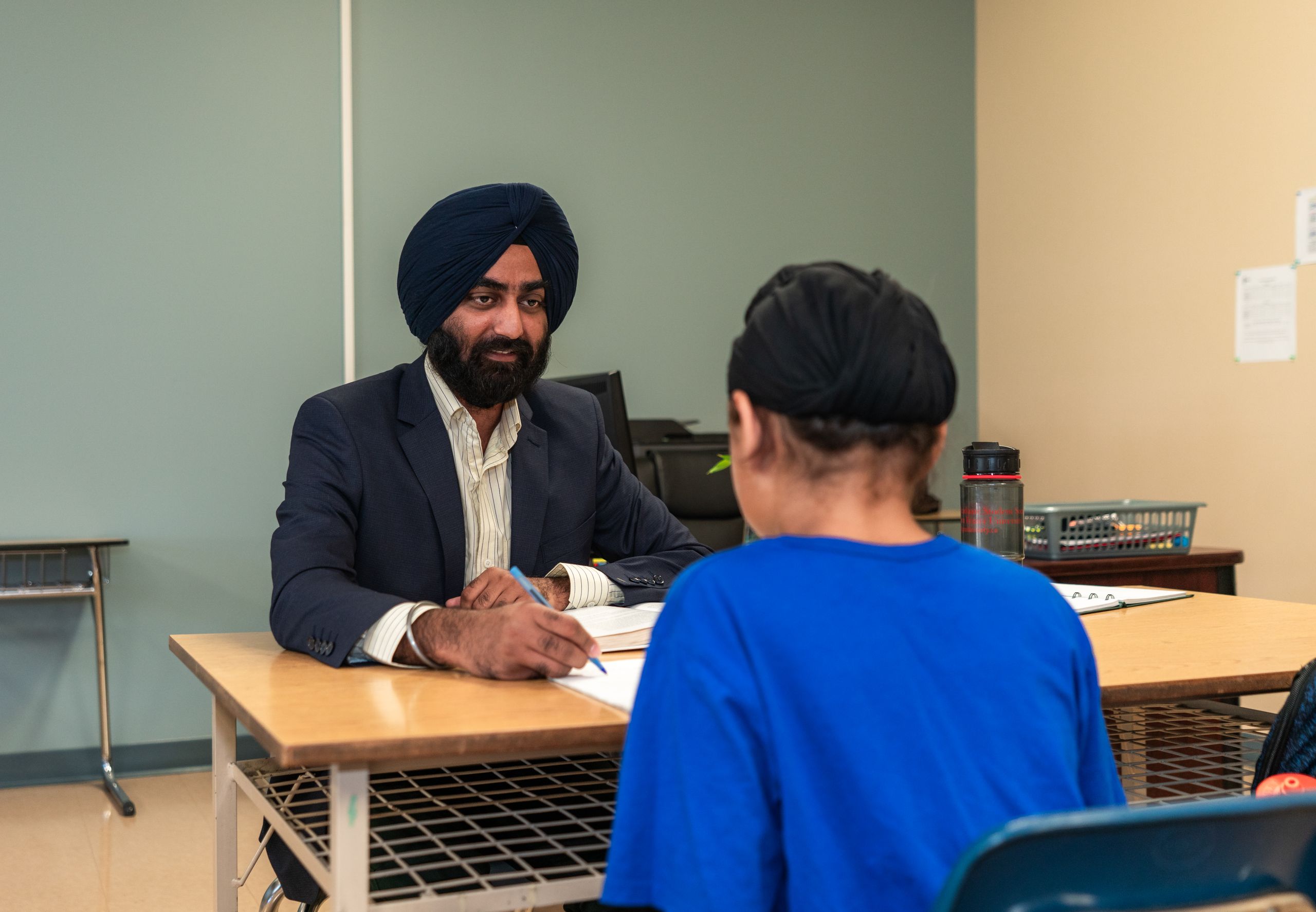
Interview Questions for Teachers: Questions and Sample Answers
Interview questions for teachers test something broader than subject knowledge: schools hire for classroom control, safeguarding instincts, clear communication with parents, and evidence that students actually learn in your lessons. That is why teacher interviews feel different from ordinary job interviews — panels often include a headteacher, a subject or phase lead, and sometimes a governor or student voice, and many schools add a short observed lesson or a written task on the same day.
This guide walks through the questions panels ask most, what each one is really assessing, how to structure strong answers with classroom evidence, and the questions you should ask them. Every sample answer follows the same principle: claim less, show more — a brief real example beats a page of theory. That is how interview questions for teachers are really judged: on evidence, not adjectives.
Table of Contents
How Teacher Interviews Work
Most schools run a process, not a single conversation. Expect some combination of: a panel interview (30–45 minutes), an observed lesson or lesson segment with a real class, a student panel or school tour interactions, and sometimes a short task such as marking sample work, planning a lesson from a brief, or a safeguarding scenario in writing. Treat every element as assessed — how you speak to office staff and students between sessions is noticed, because it previews how you will represent the school daily.
Panels score against a rubric. Typically they are looking for: safe practice first (safeguarding and behaviour), teaching quality (explanation, questioning, checking understanding, adaptation), relationships (warmth with firmness, parent communication), and contribution (what you add beyond your classroom). Knowing the rubric lets you aim each answer at a scored box instead of talking generally about your love of teaching. The general answer frameworks in our guide to common interview questions and answers still apply — teacher panels simply want the evidence to come from classrooms. Pay, duties and outlook for teachers are published in the Occupational Outlook Handbook.

The Most Common Interview Questions for Teachers
1. Tell us about yourself and why you want to teach here.
What they assess: Motivation that is specific to this school, not teaching in the abstract. Structure: Present role and strongest classroom strength, one proof point (a result, a group you raised attainment for, a responsibility held), then a genuine, researched reason for this school — its phase, community, values or a programme you admire. Rehearse it to about 90 seconds. Generic answers (“I have always loved children”) score near zero because every candidate says them. In interview questions for teachers, specific evidence about this school is what separates strong candidates from the rest.
2. How do you manage behaviour in your classroom?
What they assess: Calm, consistent, policy-aligned practice — the daily reality of the job. Strong answer shape: Routines first (entry, attention signal, transitions), expectations taught explicitly, praise used specifically and often, sanctions applied privately, predictably and in line with school policy, and de-escalation before confrontation. Give one short example: a class or pupil whose behaviour improved and what you actually did, week by week. Never describe shouting, sarcasm, or public consequences as tools — panels mark them as risks.
3. How do you make sure all pupils make progress, including those who struggle and those who excel?
What they assess: Adaptive teaching (differentiation done properly). Talk about starting from assessment: what pupils already know, checked quickly; scaffolding that is removed as independence grows (models, sentence starters, worked examples); stretch through depth and questioning rather than more-of-the-same worksheets; and checking understanding during the lesson — cold-calling, mini-whiteboards, exit questions — so misconceptions are caught the same day, not at the next test.
4. Tell us about a lesson that did not go well. What did you change?
What they assess: Honesty and reflective practice — a scored strength, not a trap. Choose a real lesson, name exactly what failed (pacing, an unclear explanation, a task pitched too high), what the pupils’ work showed you, and the specific change you made next lesson and its effect. Candidates who claim every lesson succeeds, or who blame the class, fail this question outright.
5. How would you deal with a difficult conversation with a parent?
What they assess: Professionalism under pressure. Structure: listen fully first, stay factual and specific about the child, separate the concern from the person, agree concrete next steps and a follow-up date, involve senior staff early if the conversation escalates, and record it factually afterwards. Mention that you contact parents early with good news too — relationships built before a problem are what make problem conversations survivable.
6. What would you do if a pupil disclosed something worrying to you?
What they assess: Safeguarding — the one question where a wrong answer can end an interview. The correct shape everywhere: listen calmly, do not promise confidentiality, do not interrogate or lead, record the child’s words factually as soon as possible, and pass it the same day to the school’s designated safeguarding lead, following the school’s policy exactly. Say plainly that safeguarding overrides every other priority, including the lesson. Learn the host school’s safeguarding lead’s name and policy summary before the interview if they are published.
7. How do you use assessment and data in your teaching?
What they assess: Whether data changes what you do. Describe the loop: assess (questioning, quizzes, marked work), identify the specific gap or misconception, reteach or regroup accordingly, reassess. Give one example where work scrutiny changed your planning. Panels distrust both extremes — the teacher who ignores data and the one who talks only about spreadsheets. The classroom loop is the answer.
8. How do you contribute beyond your own classroom?
What they assess: Collegiality and capacity. Name something real: a club, a trip, a working group, mentoring a trainee, sharing resources across the department, supporting fixtures or performances. New teachers can offer energy plus one specific, sustainable commitment rather than promising everything — panels prefer one reliable contribution to five volunteered-and-dropped ones.
9. How do you keep your subject and teaching knowledge current?
What they assess: Professional growth. Mention concrete habits: reading research summaries, department collaboration, observing colleagues, professional courses, examining or moderating where relevant. Tie one recent example to a change in your classroom, so development reads as practice, not collecting certificates.
10. Why should we appoint you over other candidates?
What they assess: A confident, evidence-based close. Summarise your two strongest proof points matched to this school’s stated priorities (from its website and inspection or improvement themes), plus the beyond-classroom contribution you will actually deliver. End warmly and briefly. Preparation for this closing mirrors the smart questions to ask in an interview — both show you researched the employer properly.
The Observed Lesson: What Panels Score
If your process includes teaching, plan for the rubric, not for showmanship. Panels typically score: a clear learning objective shared with pupils; instructions checked, not just given; questioning that reaches beyond volunteers; adaptation visible for the pupils in front of you (you will usually receive brief class information — use it, and ask about it in advance); behaviour managed calmly through routines; and evidence of learning checked before the end. A solid, well-checked lesson beats a theatrical one with weak checking every time. Afterwards, expect to discuss it: name one thing that worked with evidence, and one change you would make — the same reflective structure as Question 4.
Questions You Should Ask Them
Ask two or three, chosen from: How is mentoring/induction structured for new staff? What does professional development look like here in practice? How does the department share planning and resources? What are the school’s current improvement priorities, and how would this role contribute? What behaviour and safeguarding systems will I be working within? Good questions signal a teacher who is choosing carefully — schools compete for strong teachers too, and panels know it. Good interview questions for teachers work both ways: they help you judge the school while the panel judges you.
Common Mistakes in Teacher Interviews
- Theory without classrooms. Every claim needs a class, a pupil group, or a piece of student work behind it. If you are newly qualified, use placement evidence confidently — it counts.
- Criticising your current or previous school. Panels hear disloyalty and imagine you saying it about them next year. Describe moves positively: what you are moving toward.
- Vague behaviour answers. “Firm but fair” is a slogan, not a system. Routines, consistency and policy alignment are the answer, in that order.
- Safeguarding hesitation. Any answer other than “follow policy, record factually, pass to the designated lead the same day” is a serious mark against you.
- Over-promising extra-curricular load. Enthusiasm is welcome; five clubs is not credible and worries panels about sustainability.
- Not researching this school. Its phase, community, values and current priorities are public. Two specific references in your answers lift the whole interview.
Subject and Phase Variations Panels Love
Beyond the core set, expect questions fitted to your subject or phase, and prepare one worked example for each likely angle. Primary panels ask about phonics and early reading approaches, managing teaching assistants, and communicating progress to parents of young children. Secondary subject panels ask how you sequence a topic across a key stage, how you handle practical work safely in science or design subjects, and how you build exam technique without narrowing the curriculum. Every panel, at every phase, may ask how you support pupils with special educational needs within your classroom: answer with specific strategies (structured routines, adapted resources, working with the special needs coordinator and support staff, knowing pupils’ individual plans) rather than general goodwill.
Also prepare for the scenario format: “A pupil refuses to hand over a phone,” “Two parents disagree with a grade,” “Your lesson observation is in an hour and the technology fails.” Scenarios test the same rubric as the direct questions — calm routines, policy alignment, pupil learning protected — so answer in steps: what you do in the moment, what you do afterwards, and who you inform. A stepped answer is almost always what the scoresheet rewards.
Final Checklist
- School researched: phase, values, community, current priorities, safeguarding lead if published
- Ten core questions rehearsed aloud, each with one brief classroom example
- Safeguarding answer exact: listen, no confidentiality promise, record, pass to the lead same day
- Observed lesson planned to the rubric: objective, checked instructions, wide questioning, adaptation, end-of-lesson check
- One honest “lesson that failed” story ready, with the change and its effect
- Two or three questions prepared to ask the panel
- Professional, classroom-practical outfit and copies of documents ready the night before

Frequently Asked Questions
What are the most common interview questions for teachers?
The core set covers motivation for this school, behaviour management, adaptive teaching for different attainment levels, a lesson that went wrong, parent communication, safeguarding, assessment use, contribution beyond the classroom, professional development, and why the panel should appoint you. Prepare a short classroom example for each and you are ready for most of any panel’s follow-ups.
How should a new teacher with little experience answer?
Use placement and training evidence without apology: classes you taught on placement, pupils you supported, responsibilities you held. Panels hiring new teachers are assessing potential, reflection and safe practice — a precise example from a six-week placement beats a vague claim from years of unrelated work.
What if I am asked a question I do not know how to answer?
Pause, think aloud briefly, and answer from principle plus the closest real experience you have (“I have not led that situation yet; following policy, my first step would be…”). For safeguarding, always state the policy route. Panels score calm honesty far above invented experience, which experienced interviewers detect quickly.
How long should my answers be?
Aim for one to two minutes per answer: a clear opening point, one brief example, and a closing line that links back to pupils’ learning or safety. Longer answers drift and cost you later questions; if the panel wants more, they will probe — follow-ups are a good sign.
Should I bring anything to a teacher interview?
Bring your identification and qualification documents if requested, a copy of your application, and any portfolio evidence the school invited (for example anonymised examples of planning or pupil progress). Never bring identifiable pupil data or photographs from another school — panels view that as a safeguarding concern, not enthusiasm.
Conclusion
Interview questions for teachers reward one thing above all: specific evidence from real classrooms, delivered calmly and always anchored to pupils’ learning and safety. Prepare the ten core questions with a brief example each, learn the safeguarding answer word-perfectly, plan any observed lesson to the rubric, and research the school until your motivation sounds like what it should be — specific. Do that, and the panel sees exactly what they are scoring for: a safe pair of hands who teaches well and keeps improving.