Accounting Jobs From Home: Remote Roles, Skills, Pay and How to Get Hired Safely
Quick Answer
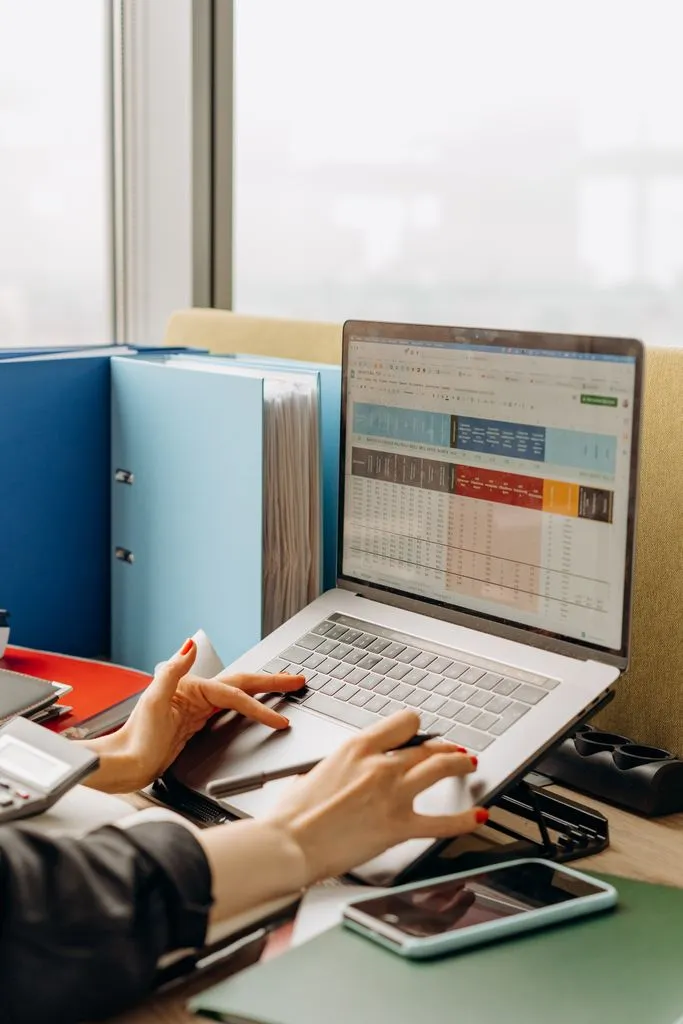
Accounting jobs from home are remote roles where you record, check and report money data from a home office. The main options are remote bookkeeping, accounts payable and receivable, payroll support, and assistant roles for online accounting firms. Most accounting jobs from home need proven accuracy, spreadsheet and accounting software skills, and a secure home setup. Some roles hire trained beginners.
Many employers want a few months of office experience first, so they know your work can be trusted without supervision. Pay follows normal accounting rates for the role and region. It is not higher just because the job is remote. Never pay a fee to start. Never process money through your own bank account. This guide covers the real remote roles in the US, the UK and Europe, general pay ranges, the security rules employers set, and the steps to get hired safely.
Remote accounting grew because the tools moved online. Ledgers, invoices and payroll now live in cloud software. A careful worker with a secure connection can do the same tasks from home. Employers still carry legal duties for client data, so remote hiring is careful, tested and rule based. That care is a good sign. It separates real firms from scams.
Table of Contents
What Accounting Jobs From Home Actually Involve
The tasks match office accounting, with extra rules for home work:
- Cloud bookkeeping — entering invoices, receipts and payments into systems such as QuickBooks, Xero or Sage, from scanned or digital documents.
- Reconciliations and checks — matching bank feeds to records, fixing differences, and leaving a clear audit trail a manager can review online.
- Accounts payable and receivable — checking supplier bills, preparing payment runs for approval, issuing invoices, and sending polite payment reminders.
- Payroll support — gathering hours and changes, entering data into payroll software, and flagging errors before the run is approved.
- Reporting and communication — preparing simple summaries, joining video calls, and answering client or manager queries by email and shared systems.
- Strict data security — using employer systems only, with strong passwords, two-factor sign-in, a private workspace, and no client data on personal devices unless the firm allows it in writing.
Output is easy to measure remotely. Employers set daily or weekly targets for processed items and error rates. Workers who hit targets with near-zero errors keep remote roles and gain more trust. Our remote jobs guide explains common home working rules across all fields.
The Main Types of Accounting Jobs From Home
Remote bookkeeper for small firms and practices
The most common home route. Online practices serve clients in many towns and countries. You keep client books tidy each week, reconcile accounts, and prepare figures for review. Work is steady and varied. Employers test your software and accuracy skills before hiring.
Accounts payable and receivable from home
Medium and large firms run these teams remotely or in hybrid form. You process high volumes of invoices with set checks. Speed matters, but error rates matter more. These roles suit experienced clerks who want stable home work with clear targets.
Remote payroll assistant
Payroll is deadline driven and confidential. Remote assistants collect data, enter changes, and support the monthly run from secure systems. Employers usually require prior payroll or accounting experience for fully remote payroll work, because errors affect pay directly.
Assistant for an online accounting firm
Virtual firms hire assistants for bookkeeping, admin and client onboarding. You may handle several small clients, each with simple needs. This is a realistic first remote role if you have a bookkeeping certificate and strong test results. Our entry level jobs guide explains how to present beginner evidence well.
Contract and part-time home bookkeeping
Some experienced bookkeepers work for several small clients on contract. This route offers flexibility, but it is not an entry shortcut. You need proven skill, your own insurance in many markets, and clear contracts. Beginners should gain employed experience first, then consider contract work later.
Salary note, as a clearly labelled general range from a citable source: the U.S. Bureau of Labor Statistics reports median pay for bookkeeping, accounting and auditing clerks in the US at around the low-to-mid $50,000s per year, roughly the mid $20s per hour.
Remote roles pay in the same range for the same work. Senior remote accountants and controllers earn more, based on qualification and responsibility. In the UK and Europe, remote accounting pay follows the normal salary band for the role and region, stated in the advert. Part-time home roles pay pro rata. Always rely on the figure in the specific advert and contract. Treat any offer far above these ranges, with no tests or checks, as a scam warning.

The Home Setup and Security Rules Employers Require
A private, secure workspace. You need a space where screens and calls cannot be overheard. Client money data must never be visible to visitors or shared screens.
Reliable equipment and connection. A modern laptop, a second screen if possible, and stable broadband are standard. Some firms supply equipment. Some set a minimum specification for your own device.
Employer systems only. Work inside the firm’s cloud software, email and file storage. Never move client files to personal drives or personal email. Every real firm states this rule in its contract.
Strong sign-in habits. Unique passwords and two-factor authentication are required on all accounting systems. A single leaked login can expose many clients. Employers may audit access logs.
Clear availability. Remote does not mean any time. Firms set core hours for calls, queries and deadline work, especially at month end and payroll dates.
Skills and Qualities Remote Employers Test
Proven accuracy. Expect a timed data or bookkeeping test. Firms cannot watch your work at home, so test scores and references carry extra weight.
Software confidence. You should show working skill in at least one major accounting system and in spreadsheets. Free trials and beginner courses help you practise before tests.
Written communication. Remote queries are solved in writing. Clear, short, polite messages with exact figures are a core skill, not an extra.
Self-management. You must plan your day, meet targets without prompts, and raise problems early. Managers promote remote staff who report issues fast and clearly.
Confidentiality in practice. You will see client income, debts, payroll and bank data. Background checks are normal. Any careless sharing ends a remote contract quickly.
How to Get Accounting Jobs From Home: Step by Step
Step 1: Build employable accounting skill first. Learn bookkeeping basics, spreadsheets, and one cloud accounting system. A short recognised certificate strengthens applications, especially for remote roles with many applicants.
Step 2: Gain trust evidence. If you have no accounting history, a few months of office, hybrid or local bookkeeping work makes remote hiring far more likely. If you already have experience, gather references who can confirm accuracy and reliability.
Step 3: Set up your home office before you apply. Prepare a private desk, secure connection and the required software access. Mention the setup briefly in applications. It answers the employer’s first concern.
Step 4: Apply through firms and official sites only. Target online accounting practices, remote-first firms, and hybrid employers in your region. Use reputable boards to find roles, then apply on the official site where possible. Our online jobs guide lists the advert checks to run first. A genuine employer never charges you to start.
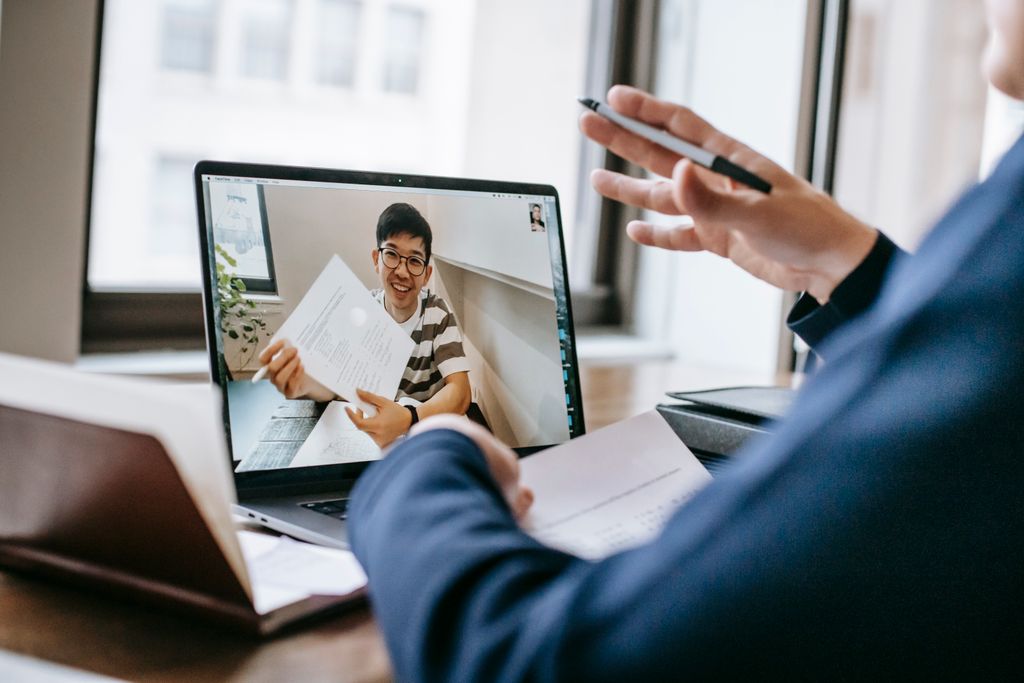
Step 5: Pass remote hiring tests with care. Complete bookkeeping and data tests slowly and accurately. In video interviews, show a tidy, private workspace and explain your security habits: employer systems only, strong passwords, no personal storage of client data.
Step 6: Deliver perfectly in the first month. Hit every target, keep error rates near zero, and communicate progress daily at first. Remote trust is earned in weeks, then maintained by steady output. That record leads to better clients, more hours, and higher pay.
How to Spot Work From Home Accounting Scams
Remote finance adverts attract serious fraud. Learn these signs:
- Money movement through your account. Any request to receive, hold, convert or forward money for an employer is fraud and may be money laundering. Refuse and report it.
- Cheque equipment schemes. A cheque to buy a laptop or software from a named seller will bounce. The loss falls on you.
- Fees for training, software or access. Real firms supply systems or state a clear, normal hiring process. They do not sell the job.
- No identity or reference checks. Finance employers must check who handles client money. Chat-only hiring with no checks is not real.
- Pay far above market, no test. Remote accounting pays normal accounting rates. Unrealistic offers with no assessment are bait.
Verify the firm on its official website. For practices, check the relevant professional register where one exists. Never share bank details beyond standard payroll setup with a verified employer.
Common Mistakes That Cost People Remote Accounting Jobs
- Applying with no test-ready skill. Remote roles get many applicants. Without software practice and a certificate or experience, your application sits below tested candidates.
- A weak home setup. Working from a shared table with no privacy worries employers at interview. Prepare the space first.
- Treating remote as flexible at all hours. Missed core hours and late month-end work end contracts fast. Keep the firm’s schedule.
- Storing files personally for convenience. Moving client data to personal storage breaches contracts and data law. Use firm systems only, every time.
- Ignoring written communication. Vague updates create extra work for managers. Send short, exact, figure-based messages.
A Realistic First Month Plan
Week 1: Practise one cloud accounting system and spreadsheets daily. Review bookkeeping basics: invoices, reconciliation and payroll data.
Week 2: Set up a private home workspace with strong passwords and two-factor sign-in. Prepare a resume that leads with accuracy, software and any accounting experience.
Week 3: Apply to five online practices or remote employers. Complete tests slowly, check every figure, and present your home setup clearly at interview.
Week 4: If hired, confirm pay, hours, systems and security rules in writing before you touch client data. If still searching, add a bookkeeping certificate course and target hybrid roles as a bridge to fully remote work.
Frequently Asked Questions About Accounting Jobs From Home
Are accounting jobs from home legitimate?
Yes, many are. Online practices and established firms hire remote bookkeepers, clerks and assistants every week. Legitimate roles have verifiable firms, real tests, references and background checks, written contracts, and pay at normal market rates. Roles with fees, cheque schemes or money movement requests are not legitimate.
Do I need experience for accounting jobs from home?
Some assistant roles in online firms hire trained beginners with strong test results and a certificate. Fully remote payroll and senior bookkeeping roles usually require experience, because no supervisor sits nearby. A short period of office or hybrid work is the most reliable bridge.
What do accounting jobs from home pay?
As a general guide, remote pay matches office pay for the same role. US bookkeeping and accounting clerks sit around a median in the low-to-mid $50,000s per year in Bureau of Labor Statistics data, with beginners below and qualified staff above. UK and European remote roles follow local salary bands. Your advert and contract state the exact figure.
What equipment do I need to work from home in accounting?
A modern laptop, stable broadband, a private workspace, and access to the firm’s cloud accounting and payroll systems are the standard base. Some firms supply a laptop and second screen. All firms require strong passwords and two-factor sign-in.
Can I do accounting jobs from home part time?
Yes. Many online practices hire part-time bookkeepers, and small firms use part-time home help for weekly bookkeeping and month-end support. Hours and core availability are fixed in the contract, even when the total is part time.
How do employers check remote accounting work?
By output and audit trails. Cloud systems log every entry and change. Managers review reconciliations, error rates and deadlines. Accurate, well-documented work is easy to verify remotely, which is why careful workers thrive in these roles.
Conclusion
Accounting jobs from home are real, steady and well suited to careful, organised workers in the US, the UK and Europe. Build tested bookkeeping and software skill, prepare a secure private workspace, and apply only through verifiable firms with normal hiring checks. Refuse any role that asks for fees, cheques, or use of your own bank account. Deliver accurate work to target in the first month, and remote trust grows quickly — bringing better clients, stable hours and a finance career that fits your life at home.