
How to Become a Truck Driver: CDL, Training and Pay
Learning how to become a truck driver starts with one licence: the Commercial Driver’s Licence, or CDL. With a CDL you can drive large trucks for a living, hauling freight across a state or across the country. Trucking is one of the few careers in the United States that does not require a college degree, offers paid training routes, and can put you in a full-time job within a few months. This guide walks through every step — the licence classes, the training options, the costs, the pay, and the day-to-day lifestyle — so you can decide whether trucking fits you.
Truck drivers keep the economy moving. Almost everything in a shop or warehouse arrived on a truck at some point, which is why demand for drivers stays strong even when other industries slow down. That demand is real, but trucking is also a demanding job: long hours, nights away from home, and strict safety rules. The drivers who do well are the ones who go in with open eyes, choose their training carefully, and understand the trade-offs before they sign a contract.
Rules for commercial driving change from time to time. In particular, the Federal Motor Carrier Safety Administration has updated its entry-level training rules in recent years, and further changes may follow. This article describes the process in general terms and does not claim to list the latest rule in force on the day you read it. Always verify current requirements, fees, and training rules on fmcsa.dot.gov and your state licensing agency’s official website before you enrol or pay anything.
Table of Contents
Quick Answer
To become a truck driver, you need a Commercial Driver’s Licence (CDL). First, meet the basic requirements — usually age 18 for driving within your state and 21 for driving across state lines, a valid regular driving licence, and a clean enough driving record. Then complete entry-level driver training from a registered provider, pass the CDL knowledge tests and the skills test, and obtain your licence from your state.
Most new drivers then start with a trucking company, often with paid on-the-job training. The whole process typically takes a few weeks to a few months, depending on whether you train full time or part time.
What Does a Truck Driver Actually Do?
A truck driver transports goods from one place to another, safely and on schedule. That simple description covers a wide range of jobs. A local delivery driver may make dozens of stops a day and sleep at home every night. A regional driver covers several states and is away for a few nights at a time. An over-the-road (OTR) driver crosses the country and may be away from home for one to three weeks at a time. The licence is similar; the lifestyle is very different.
The work is more than steering. Drivers inspect their vehicle before every trip, secure and check cargo, plan routes, keep logbooks of driving hours, communicate with dispatchers, and handle paperwork at pick-up and delivery points. A good driver is organised, patient, and safety-conscious. If you enjoy being on the road, working independently, and seeing different places, the job can be deeply satisfying. If you need a fixed routine and daily time with family, the long-haul lifestyle can be hard — which is why choosing the right type of driving matters as much as getting the licence.
The CDL Classes Explained
The CDL comes in three classes, and the class you need depends on the size and type of vehicle you want to drive.
Class A CDL
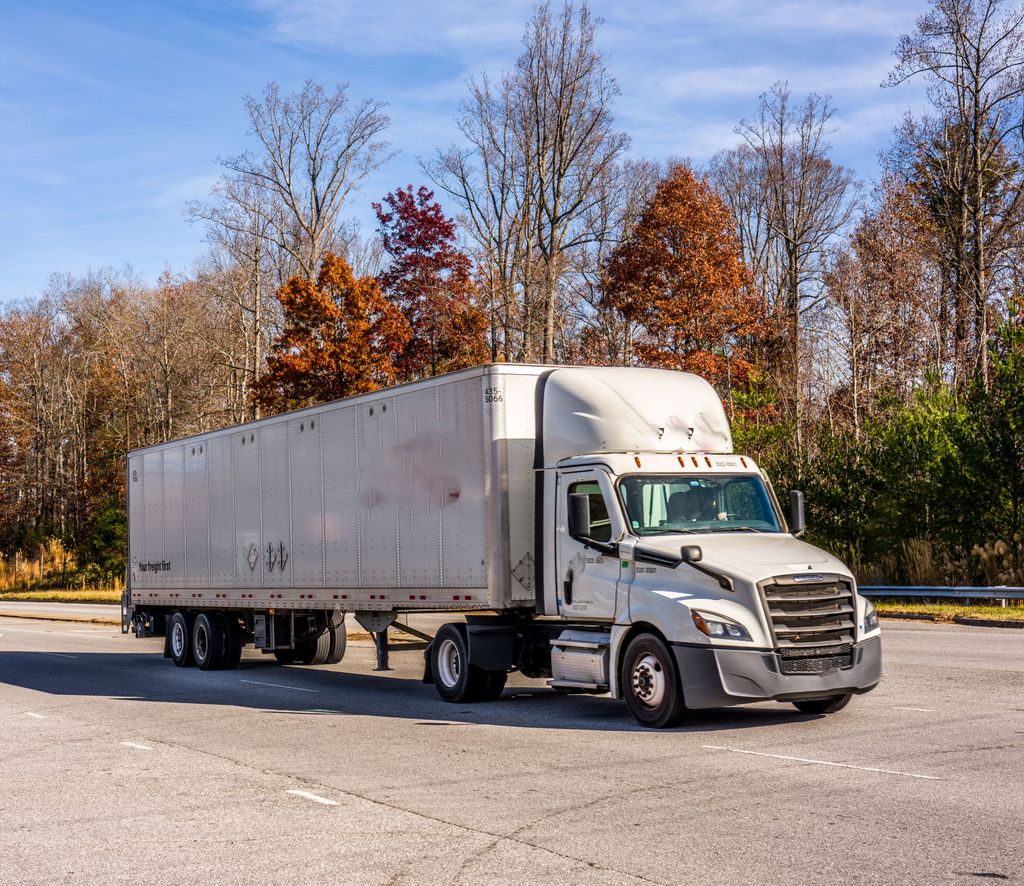
A Class A CDL is the most versatile licence. It allows you to drive combination vehicles — a tractor pulling a trailer — above a certain weight, which covers most long-haul and heavy freight work. If you want the widest choice of jobs, including over-the-road trucking, Class A is the licence to get. Most truck driving schools focus on Class A, and most new drivers who want a full trucking career choose it.
Class B CDL
A Class B CDL covers single large vehicles, such as delivery trucks, dump trucks, buses, and straight trucks. It does not cover tractor-trailers. Class B is a good choice if you want local work — school buses, city delivery, waste collection, or construction — and you want to sleep at home every night. Training is usually shorter than for Class A.
Class C CDL
A Class C CDL is for smaller commercial vehicles that carry hazardous materials or 16 or more passengers, such as small buses and vans used for that purpose. Fewer drivers need a Class C as their main licence, but it matters for specific jobs such as passenger vans and some hazardous-materials work.
Endorsements: Extra Permissions
Endorsements are additions to your CDL that allow you to do specific kinds of work. The most useful ones for a new driver include the tanker endorsement (liquid cargo), the doubles and triples endorsement (pulling more than one trailer), and the hazardous materials (HazMat) endorsement, which requires a background check and a separate test. HazMat drivers often earn more, but the work carries extra responsibility and regulation. You do not need every endorsement on day one. Get your basic CDL first, start working, and add endorsements as your career develops.
Step-by-Step: How to Become a Truck Driver
Step 1: Check You Meet the Basic Requirements
Before spending money on training, confirm you qualify. In the United States you generally need to be at least 18 years old to drive commercially within your own state, and at least 21 to drive across state lines or carry hazardous materials. You need a valid regular driving licence, and most schools and employers will check your driving record — serious violations, a suspended licence, or a drink-driving conviction can block you.
You also need to pass a Department of Transportation medical exam, which checks your vision, hearing, blood pressure, and general fitness to drive. The medical certificate is a requirement for holding a CDL, so book the exam early; discovering a medical issue after paying for training is an expensive disappointment.
Step 2: Get Your Commercial Learner’s Permit (CLP)
Most states require you to hold a Commercial Learner’s Permit before you can practise driving a commercial vehicle. To get a CLP you pass written knowledge tests covering general commercial driving knowledge, air brakes if relevant, and any endorsements you want. Study the CDL manual published by your state’s licensing agency — it is free, and the test is based directly on it. Many applicants pass on the first attempt after a week or two of steady study. Your CLP lets you drive a commercial vehicle under the supervision of a licensed CDL holder, which is how your practical training happens.
Step 3: Complete Entry-Level Driver Training
Federal rules require new CDL applicants to complete entry-level driver training from a provider listed on the FMCSA Training Provider Registry. This training covers theory and behind-the-wheel instruction. The number of hours varies by school and by state, but a full-time programme usually runs for three to eight weeks. Check that any school you consider is on the registry before you enrol, because training from an unregistered provider does not count. Verify current training rules on fmcsa.dot.gov, as requirements have been updated in recent years and may change again.
Step 4: Pass the CDL Skills Test
The skills test has three parts: a pre-trip vehicle inspection, a basic vehicle control test (manoeuvres such as backing and parking in a controlled area), and a road test in real traffic. The pre-trip inspection surprises many new drivers — you must walk around the vehicle and name and check dozens of parts, from brakes to lights to fluid levels. Practise it until it is automatic, because it is the part most often failed. The road test checks safe driving habits: mirror use, lane changes, turns, speed management, and railway crossings. Arrive rested, drive as you were trained, and do not rush.
Step 5: Get Your CDL and Start Working
Once you pass, your state issues your CDL. Now comes the job search. Most new drivers start with a larger trucking company, which offers structured work, benefits, and often a mentor or trainer for the first weeks. Some companies hire new CDL holders directly and provide paid training after licensing. Others prefer some experience first. Apply widely, ask about home time, pay structure, and the type of freight, and read any employment contract carefully before signing — especially any agreement that requires you to repay training costs if you leave early.
Training Routes Compared
There is no single best way to train. The right route depends on your money, your time, and how much risk you are willing to take. Whichever route you pick, understanding how to become a truck driver step by step will help you compare your options fairly.
Private Truck Driving School
A private school is the fastest route: full-time programmes finish in a matter of weeks, and schools often help with job placement. The downside is cost, which you usually pay yourself or finance through a loan. Before enrolling, check the school’s registry listing, its first-time pass rate, the amount of actual driving time each student gets (not just classroom hours), and what job placement help really looks like. Visit the school, talk to current students, and be wary of any school that pressures you to sign on the spot.
Company-Sponsored Training
Many large carriers run their own training programmes and pay for your CDL training in exchange for a commitment to drive for them, usually for around a year. This route costs you little or nothing upfront, which makes it attractive if money is tight. The trade-off is the contract: if you leave before the commitment ends, you may owe the company the training cost. Read the contract in full, understand the repayment terms, the pay during training, and the type of driving you will be assigned, before you sign.
Community College Programmes
Some community colleges offer CDL training at a lower cost than private schools, sometimes with financial aid available. Programmes may run longer and follow a college timetable, but they can be a good option if you want a slower pace and a recognised qualification. Check whether the college programme is on the Training Provider Registry and whether it includes enough behind-the-wheel hours.
Apprenticeships and Paid Trainee Roles
A smaller number of employers offer apprenticeships or trainee roles where you earn while you learn, working in the yard or as a driver’s helper before moving into the driving seat. These roles are worth seeking out, but they are less common and may take longer. Ask local carriers and logistics companies directly rather than relying only on job boards.

How Much Does It Cost?
Costs vary widely by route, state, and school, and they change over time. As a general guide, private CDL school tuition is usually several thousand dollars, while company-sponsored training may cost you little upfront but ties you to a contract. Add the cost of the medical exam, the learner’s permit, the licence fee, and any endorsement tests. If you finance tuition, compare the total repayment, not just the monthly amount. Never rely on a price printed in an article — confirm current figures with the school and your state licensing agency before committing. If a school will not give you the full cost in writing, including all fees, treat that as a warning sign. Planning the cost carefully is part of how to become a truck driver without taking on debt you cannot afford.
Pay and Career Progression
Truck driver pay varies by the type of driving, the company, the region, and how you are paid — by the mile, by the hour, or by a salary. Long-haul drivers who spend more time on the road often earn more than local drivers, but they also spend more nights away from home. Pay usually rises with experience, a clean safety record, and useful endorsements such as HazMat or tanker.
Some drivers move into specialised freight, such as refrigerated goods or heavy haulage, which can pay more. Others become owner-operators, buying or leasing their own truck and running their own business — a step that brings higher potential earnings but also real financial risk, since you pay for fuel, maintenance, insurance, and the truck itself.
Check current pay ranges on official labour market pages and treat any figure in an article as a rough guide, not a promise. Before choosing a career direction, it helps to think carefully about how to choose a career path so your choice fits your life, not just your income hopes.
Commercial driving is also among the most in-demand skills in logistics, and employers value drivers who combine a clean safety record with reliability. Learning how to become a truck driver opens the door to this kind of work.
A Realistic First Year
Your first year is a learning year. Expect lower pay than experienced drivers, strict supervision, and routes you did not choose. Many new drivers feel frustrated by this, but it is normal: companies give the best routes and the newest trucks to drivers with proven safety records. Focus on building a clean record, learning the practical side of the job — paperwork, customer relations, time management — and finishing the year with no accidents and no violations. That record is what unlocks better jobs in year two and beyond.
The Lifestyle: An Honest Look
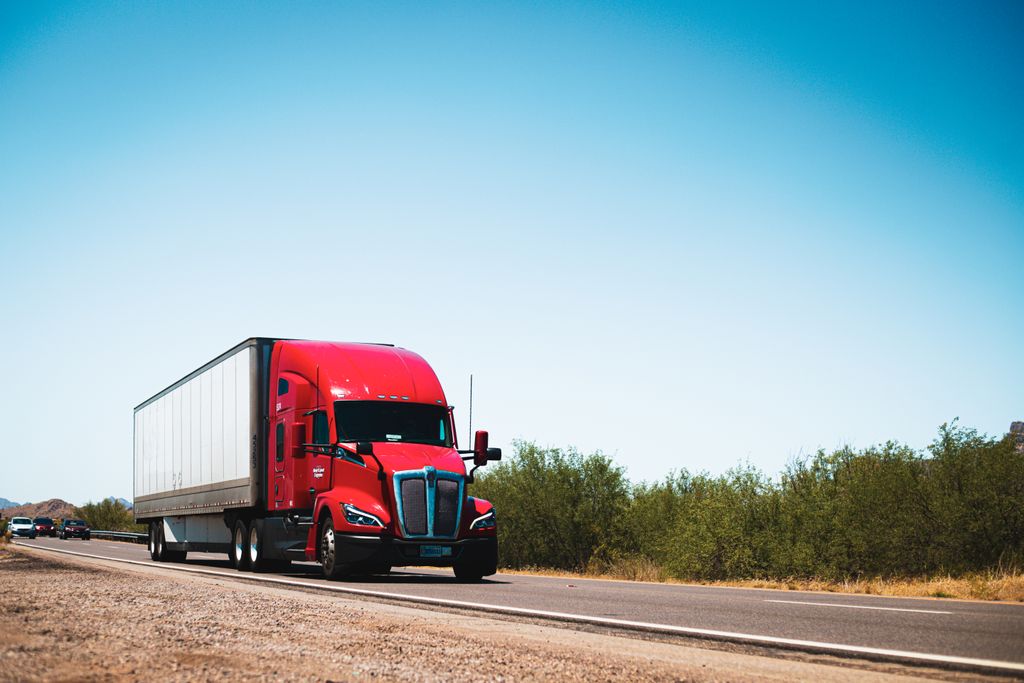
Trucking pays, but it asks a lot in return. Long-haul drivers can spend days or weeks away from home, sleeping in the cab and eating on the road. Irregular sleep, long sitting hours, and limited healthy food options are real health challenges, and successful drivers manage them deliberately: walking during breaks, keeping healthy snacks in the cab, and protecting sleep. Relationships also need work when one partner is away for long stretches. Local and regional driving solves much of this — you sleep at home most nights — but usually pays less than long-haul work. There is no right answer, only the trade-off that fits your life. Talk to working drivers before you commit; their honest view of the job is worth more than any recruitment advert.
Common Mistakes New Truck Drivers Make
Choosing a school on price alone. The cheapest school may give you the least driving time, the oldest trucks, and no job help. Compare driving hours, pass rates, and placement support, not just the fee.
Signing a training contract without reading it. Company-sponsored training is a good deal for many people, but the repayment clause matters. Know what you owe if you leave early, and for how long you are committed.
Ignoring the medical exam until the last minute. Book it early. A failed or delayed medical certificate can stall your whole plan.
Underestimating the pre-trip inspection. Many new drivers fail the skills test on the inspection, not the driving. Practise it out loud, every day, until you can do it without notes.
Job-hopping in the first year. A patchy first year with several short jobs looks bad to the better employers. Finish your first year with one company if you can, and leave with a clean record.
Not tracking expenses and pay. New drivers are often paid by the mile, which means unpaid waiting time at loading docks can eat into your earnings. Keep records of your miles, your hours, and your pay, and raise discrepancies with dispatch promptly.
Checklist: Before You Enrol in Training
- Age and licence requirements confirmed for your state
- Driving record checked and any issues understood
- DOT medical exam booked or passed
- CDL manual studied and learner’s permit planned
- Training provider checked against the FMCSA Training Provider Registry
- At least two training routes compared on total cost, driving hours, and contract terms
- Current rules verified on fmcsa.dot.gov and your state licensing agency’s website
- Realistic budget set, including exam and licence fees
- Spoken to at least one working truck driver about the lifestyle
- Decision made on local, regional, or long-haul driving as a starting goal
Conclusion
Becoming a truck driver is a practical, achievable career change that does not require a degree. The path is clear: meet the requirements, pass the medical exam, get your learner’s permit, complete registered entry-level training, pass the skills test, and start with a company that gives new drivers a fair start. The work is demanding and the lifestyle is not for everyone, but for people who like the road, value independence, and want a skill that is always in demand, it can be a solid and rewarding career. Do your research, choose your training carefully, verify the current rules on official sources, and go in with your eyes open. If you follow the steps in this guide, you will know exactly how to become a truck driver and what to expect in your first year.
FAQ
How long does it take to become a truck driver?
For most people, the process takes a few weeks to a few months. A full-time training programme usually runs three to eight weeks, plus time for the learner’s permit, the medical exam, and the skills test. Part-time training takes longer. After licensing, most new drivers spend their first weeks with a company trainer before driving solo.
How old do you have to be to become a truck driver?
In the United States you generally need to be at least 18 to drive commercially within your own state, and at least 21 to drive across state lines or carry hazardous materials. Rules vary by state, so check your state licensing agency’s official website for the current requirements before you apply.
Do you need a college degree to become a truck driver?
No. Truck driving requires a Commercial Driver’s Licence, not a degree. You need a valid regular driving licence, a clean enough driving record, a DOT medical certificate, and completion of entry-level driver training from a registered provider, followed by the knowledge and skills tests.
How much does CDL training cost?
Costs vary widely by school, state, and training route. Private school tuition is usually several thousand dollars, while company-sponsored training may cost little upfront but requires a work commitment, and community college programmes are often cheaper. Confirm current figures directly with the school and your state agency, and get the full cost — including exam and licence fees — in writing before enrolling.
Can truck drivers make good money?
Experienced drivers with clean safety records and useful endorsements can earn a solid income, and long-haul and specialised freight often pay more than local work. Pay depends on the type of driving, the company, the region, and whether you are paid by the mile or by the hour. Check current pay ranges on official labour market pages, and remember that your first year is usually the lowest-paid as you build experience and a safety record.