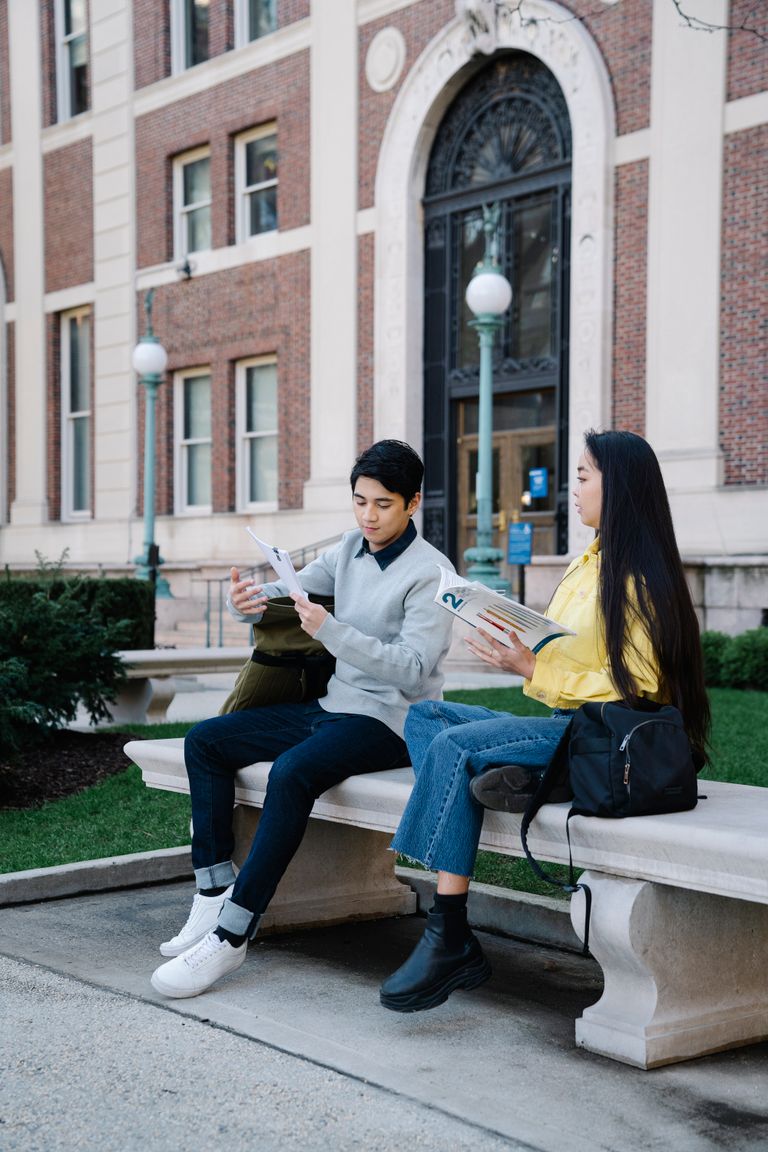
How to Study Abroad on a Budget: Smart Ways to Save
Learning how to study abroad on a budget is the first step that turns a dream into a plan you can actually afford. Many students assume that studying in another country is only for wealthy families, but that is not true. Every year, thousands of students from ordinary backgrounds study in Germany, France, Spain, Poland, Portugal, and other countries without taking on crushing debt. They do it by choosing affordable destinations, applying for scholarships, working part-time within the rules, and budgeting carefully for housing, food, and travel.
Studying abroad is not just about classes. It is about living in a new culture, learning a language, building an international network, and gaining experience that employers value. A semester or a full degree abroad can change your career direction, your confidence, and your view of the world. The challenge is cost, and cost can be managed. This guide walks you through every major decision, from picking a country to finding housing, applying for funding, and living well on a student budget. It focuses on the United States and Europe first, because those are the destinations most readers are considering, and it gives you practical steps you can start today.
A note on facts and figures: scholarship amounts, tuition fees, visa rules, and application deadlines change every year. This guide uses general terms on purpose and does not invent specific figures. Before you apply for any programme or scholarship, always verify the current amount, eligibility rules, and deadline on the official sponsor or university website. A scholarship that was generous last year may have changed, and a deadline that was in January may now be in December. Official sources are your final authority.
Table of Contents
Quick Answer
Learning how to study abroad on a budget starts with choosing an affordable destination first, then building your funding around it. Germany offers tuition-free public universities for many students, Erasmus+ supports study and traineeships across Europe, and Fulbright and Chevening are major government scholarship programmes for study in the United States and the United Kingdom. Add affordable destinations such as Poland, Portugal, Spain, and the Czech Republic, look for exchange programmes through your home university, and plan part-time work only within the rules of your student visa. Budget carefully for housing, food, transport, and health insurance, and apply for scholarships early, because most deadlines fall months before the academic year starts.

Start With Your Goal, Not the Destination
Before you search for flights or scholarships, get clear on why you want to study abroad. Your goal shapes every choice that follows, including the country, the programme, and the budget.
Are you looking for a full degree, a single semester exchange, a summer programme, or a short language course? A full degree abroad usually costs more in total, but it can also be cheaper per year than a private university at home, especially in countries with low or no tuition. A semester exchange is often the cheapest option of all, because you usually keep paying your home university tuition and simply live abroad for a few months. A summer programme is short and focused, but the cost per week can be high.
What subject do you want to study? Some countries are strong in particular fields. Germany is well known for engineering and technical subjects. France is strong in business, fashion, and the arts. The Netherlands offers many English-taught programmes. Spain and Italy are popular for language, history, and art. The United Kingdom and the United States offer a huge range of subjects, but they are also among the most expensive destinations, so you will need scholarships or careful planning to make them affordable.
What matters most to you: low cost, an English-taught programme, a particular city, or a specific university ranking? You cannot have everything at the lowest price. A student who wants the lowest possible cost should look at tuition-free or low-tuition countries first. A student who wants to study entirely in English should check which universities offer English-taught degrees in that country, because not every programme is available in English. Be honest about your priorities and let them guide your shortlist.
If you are still deciding what to study, it helps to think about your longer-term career before you commit to a destination. Our guide to how to choose a career path can help you match your interests and strengths to a field of study, so the money you spend abroad moves you toward a career you actually want.
The Most Affordable Destinations for US and EU Students
Cost varies enormously from one country to another. Tuition, rent, food, and transport can differ by thousands of dollars or euros per year. Here are the destinations that consistently offer the best value for students from the United States and Europe.
Germany: Tuition-Free Public Universities
Germany is the best-known budget destination, and for good reason. Most public universities in Germany charge no tuition fees for undergraduate and many postgraduate programmes, including for international students. You still pay a small semester fee, which usually covers administration and a public transport pass, and you must cover your own living costs. That is a major saving compared with tuition in the United States or the United Kingdom.
Many German universities offer programmes taught entirely in English, especially at master’s level. At bachelor’s level, more programmes are taught in German, so learning some German before you go opens up far more options and also helps with daily life and part-time work. Cities such as Berlin, Munich, and Hamburg are popular but more expensive for rent. Smaller university towns such as Leipzig, Göttingen, Freiburg, and Heidelberg can be cheaper and still offer a strong student life.
To study in Germany, you will normally need to show proof of funds for your living costs when you apply for a visa. This is a blocked-account requirement in many cases, so plan for it early. Start your application a year in advance, learn basic German, and apply to several universities to increase your chances.
France, Spain, Portugal, and Italy
France charges relatively low tuition at public universities compared with the United States and the United Kingdom, and the French government offers housing support that many international students can apply for. Paris is expensive, but smaller cities such as Lyon, Toulouse, Lille, and Montpellier are much more affordable and have large student populations.
Spain offers low tuition at public universities and a lower cost of living than northern Europe, especially outside Madrid and Barcelona. Many programmes are taught in Spanish, though English-taught options are growing. Portugal is one of the cheapest countries in Western Europe for rent, food, and transport, and Lisbon and Porto have growing international student communities. Italy offers low tuition at public universities and regional scholarships that can help with living costs, though the application process can be slow and paperwork-heavy, so start early.
Poland, the Czech Republic, and Hungary
Central and Eastern Europe offer excellent value. Poland, the Czech Republic, and Hungary have respected universities, a lower cost of living than Western Europe, and many English-taught programmes, especially in medicine, engineering, business, and computer science. Cities such as Warsaw, Krakow, Prague, Brno, and Budapest are affordable, safe, and well connected by public transport. If your budget is tight and you want a full degree in English, these countries deserve a serious look.
The United Kingdom and the United States: Expensive but Possible
The United Kingdom and the United States have some of the best universities in the world, but they also have some of the highest tuition fees for international students. That does not mean you should rule them out. It means you need a funding plan. Scholarships such as Chevening for the United Kingdom and Fulbright for the United States can cover a large part of the cost for strong applicants. Exchange programmes, short study visits, and community college routes in the United States can also reduce the total cost. If you dream of studying in London or New York, apply for scholarships first and treat the full-price route as a backup, not the default.
The Netherlands, Ireland, and Scandinavia
The Netherlands offers many English-taught programmes and a high quality of life, but tuition and rent are higher than in Germany or Poland. Ireland is English-speaking and welcoming, but Dublin rent is very high, so budget carefully. Scandinavian countries such as Norway, Sweden, Denmark, and Finland offer excellent education, but living costs are among the highest in Europe. Norway’s public universities have historically charged low or no tuition, but rules and fees can change, so always check the current policy on the official university website before you plan around it.
Scholarships: Where the Real Savings Come From
Scholarships are the single biggest lever when you are learning how to study abroad on a budget. A good scholarship can cover tuition, living costs, travel, or all three. The catch is competition and timing. Most major scholarships close many months before the academic year starts, so you need to apply early and apply widely.
Erasmus+
Erasmus+ is the European Union programme that supports study, traineeships, and youth exchanges across Europe. If you are enrolled at a European university, you can often spend a semester or a full year at a partner university in another European country and receive a grant to help with living costs. The grant does not usually cover everything, but it makes a real difference. Your home university’s international office is the first place to ask, because Erasmus+ places are arranged through your university, not applied for directly by students in most cases.
Erasmus+ also supports traineeships, joint master’s degrees, and exchanges beyond Europe in some cases. If your university has Erasmus+ partners, ask which destinations are available in your subject and what the grant covers. Apply as soon as the call opens, because popular destinations fill fast.
Fulbright
The Fulbright Program is the United States government’s flagship international exchange programme. It offers grants for study, research, and teaching in the United States and in more than 140 other countries. For students outside the United States, Fulbright grants to study in America are highly competitive and prestigious. For American students, Fulbright offers grants to study or conduct research abroad.
Fulbright applications require a strong academic record, a clear project or study plan, and good references. The application process is long and detailed, so start at least a year before you hope to travel. Check the official Fulbright website for your country, because eligibility and deadlines differ by nationality and by programme.
Chevening
Chevening is the United Kingdom government’s global scholarship programme. It offers fully funded master’s degrees in the United Kingdom for future leaders from around the world. Chevening looks for leadership potential, a clear career plan, and a commitment to return home and contribute after your studies. It is highly competitive, and applicants need work experience as well as academic strength. If you are planning a master’s degree in the United Kingdom, Chevening should be at the top of your list, but apply to other scholarships as well so you are not relying on one outcome.
University and Government Scholarships
Beyond the big names, there are hundreds of smaller scholarships. Many universities offer merit scholarships, tuition waivers, or discounts for international students. Many governments offer scholarships for students from particular countries or regions. Some offer support for specific subjects, such as science, engineering, or language study.
Search in three places: your home university’s international office, the official scholarship database of your destination country, and the financial aid pages of each university on your shortlist. Keep a spreadsheet of every scholarship you find, with the eligibility rules, the amount or coverage in general terms, the deadline, and the documents you need. Apply for every scholarship you are eligible for, even small ones. A small grant that covers flights or books still reduces your total cost.
How to Write a Strong Scholarship Application
A strong application is not just a list of grades. Scholarship panels want to know why you want to study abroad, what you will do with the opportunity, and how you will contribute when you return. Be specific. Instead of saying you want to “broaden your horizons,” explain what you want to study, why that country and university are the right place for it, and what you plan to do after you graduate.
Get your references early. Ask teachers, employers, or mentors who know you well and can write about your strengths with examples. Give them plenty of time and a short summary of the scholarship and your goals. Proofread everything. A careless error in a scholarship essay can undo months of work. Ask a trusted person to read your application before you submit it, and keep copies of everything you send.
Exchange Programmes: The Cheapest Way to Study Abroad
If you are already enrolled at a university, an exchange programme is often the cheapest way to study abroad. Under a typical exchange, you keep paying tuition to your home university, you study at a partner university abroad for one or two semesters, and your credits transfer back. You pay for flights, housing, food, and daily life abroad, but you avoid paying a second set of tuition fees.
Ask your international office these questions: which partner universities are available in your subject, how does credit transfer work, what are the language requirements, what is the application deadline, and is there any extra funding such as an Erasmus+ grant or a travel bursary? Some universities also offer short exchange programmes of a few weeks, which are cheaper and easier to fit around work and family.
If your university has no partner in the country you want, you can sometimes arrange a study-abroad programme through an independent provider. These programmes are convenient because they arrange housing, orientation, and support, but they can be expensive. Compare the total cost with a direct exchange or a direct application to the foreign university. Sometimes applying directly is much cheaper.
Part-Time Work Rules for International Students
Part-time work can help you cover living costs, but the rules are strict and they differ by country. Breaking them can put your visa at risk, so learn the rules before you start working.
In Germany, international students from outside the EU are usually allowed to work a limited number of days per year, with different rules for work during term time and during holidays. In France, international students can usually work a limited number of hours per year alongside their studies. In the United Kingdom, your student visa will state how many hours you can work during term time, and the limit is usually lower during term than during holidays. In the United States, international students on the most common student visa are usually limited to on-campus work during their first year, with more options later, and off-campus work needs special permission.
The pattern is the same everywhere: work is allowed, but limited, and the limits are there to make sure study comes first. Do not plan your budget on the assumption that you will work full-time. Plan as if part-time work will cover some of your food, transport, and social costs, not your rent and tuition. The best part-time jobs for international students are on campus, in cafes and restaurants, in shops, in tutoring, and in university support roles. Jobs that improve your language skills or relate to your subject are especially valuable.
Before you accept any job, check that your visa allows it, check that the employer is legitimate, and keep a record of your hours and pay. If you are unsure, ask your university’s international office. They deal with these questions every day and can give you the current rules for your visa type.
For a sense of how the job market and wages work in the United States, the U.S. Bureau of Labor Statistics publishes authoritative data on employment and pay across occupations. It is a useful reference when you are comparing part-time work options or thinking about your career after graduation.
Housing: Your Biggest Cost and Your Biggest Saving
Housing is usually the largest single cost of studying abroad, and it is where smart choices save the most money. Rent in a capital city can be double the rent in a smaller university town, so location matters more than almost anything else.

University housing is often the cheapest and safest first option. Many universities offer dormitories or student residences at below-market rent, and they are a good place to meet other students. Apply as soon as you are accepted, because places fill fast. If university housing is full, look for shared flats with other students. Sharing a flat with two or three people can cut your rent dramatically, and it also shares the cost of internet, utilities, and kitchen equipment.
Be careful with housing scams, which target international students. Never send money for a flat you have not seen, never pay by untraceable methods, and be suspicious of offers that are far cheaper than everything else in the same area. If you cannot visit in person, ask the university housing office to confirm the listing, or book short-term accommodation for your first week and search for a long-term flat after you arrive.
Other ways to save on housing include living slightly outside the city centre near a good bus or tram line, choosing a smaller room, and asking whether utilities and internet are included in the rent. A flat that looks cheap but charges extra for heating, water, and internet may cost more in total than a slightly more expensive all-inclusive room. Always ask for the full monthly cost before you sign anything, and read the contract carefully, including the notice period and the deposit rules.
Food, Transport, and Daily Budgeting
Once housing is sorted, food is usually the next biggest cost. Cooking at home is the single best way to save money on food. A student who cooks most meals can spend far less than a student who eats out or orders delivery every day. Learn five or six simple, cheap meals before you go, and learn where the affordable supermarkets are in your new city. Markets, discount supermarkets, and student canteens are often much cheaper than convenience stores near campus.
Transport is the next cost to manage. Many cities offer discounted monthly passes for students, and the semester fee in Germany often includes a public transport pass. Cycling is common in the Netherlands, Denmark, and Germany, and a second-hand bicycle can pay for itself in a few weeks. Walking is free, and living close to campus saves both money and time. Avoid taxis and ride-hailing apps except when you really need them.
Set a weekly budget and track it. You do not need a complicated system. A simple note on your phone, updated once a week, is enough. Write down your fixed costs, such as rent, insurance, and transport, and your flexible costs, such as food, phone, and social life. If you overspend one week, spend less the next. Small habits make a big difference over a semester: cooking in bulk, sharing meals with flatmates, using the library instead of buying books, and taking advantage of free student events and museum days.
Health insurance is not optional. Most countries require international students to have health insurance, and medical costs without insurance can be enormous. Check whether your home insurance covers you abroad, whether you need to join the public system in your destination country, or whether you need a private student policy. Budget for it from the start and keep your insurance documents safe.
Saving Before You Go
When you are learning how to study abroad on a budget, the best time to save is before you leave. A student who arrives with savings has far less stress than a student who arrives with nothing and hopes part-time work will cover everything.
Start by setting a target. Add up your expected costs for the first semester: flights, visa fees, housing deposit, first month’s rent, insurance, and a buffer for unexpected costs. Then work backwards. If you have a year to save, divide the target by twelve to get your monthly savings goal. If you have six months, divide by six. Even small amounts add up when you save consistently.
Cut costs at home while you prepare. Cancel subscriptions you do not use, cook at home, use free entertainment, and sell things you do not need. Pick up extra shifts or freelance work if you can. Tell friends and family about your plan; some may offer practical help, such as a lift to the airport, a spare suitcase, or a small gift toward your costs. Every saving helps.
While you are saving, build skills that will help you abroad. Learning the local language, even at a basic level, makes daily life easier and opens up more part-time work. Taking free online courses with certificates before you go can strengthen your application and prepare you for your subject. A short course in your field, a language course, or a computer skill can all make you a stronger candidate for scholarships and for part-time work.
Application Steps: A Timeline That Works
Studying abroad takes time to arrange. A realistic timeline starts twelve to eighteen months before you hope to travel. Here is a step-by-step plan.
Step one, twelve to eighteen months before: decide your goal, your subject, and your budget. Research destinations and shortlist three to five universities. Check language requirements and entrance requirements. Start learning the language if you need it.
Step two, nine to twelve months before: research scholarships and note every deadline. Prepare your documents: transcripts, references, language test results, and a passport with enough validity. Take any language or entrance tests you need, because test dates fill up and results take weeks to arrive.
Step three, six to nine months before: submit your university applications and your scholarship applications. Apply to more than one university and more than one scholarship. Keep copies of everything and note every confirmation and reference number.
Step four, three to six months before: once you have an offer, accept it and start your visa application. Book your flights only after your visa is approved, or choose a flexible ticket. Apply for university housing. Arrange health insurance. Start saving for your first month’s costs.
Step five, one month before: confirm your housing, your arrival date, and your orientation programme. Pack carefully, keeping your documents, medication, and valuables in your hand luggage. Tell your bank you are travelling so your card is not blocked. Make a copy of every important document and keep it separate from the originals.
Step six, arrival week: register with your university, open a local bank account if you need one, buy a transport pass and a local SIM card, and learn the route to your classes. Join student groups and orientation events. The first week is the best time to make friends and learn how things work.
Common Mistakes That Blow the Budget
Many students overspend in their first month abroad, and the same mistakes appear again and again. Avoid them and your budget will last much longer.
The first mistake is choosing a destination by reputation alone without checking the cost of living. A famous city is not always the best value. A smaller city with the same quality of teaching can save you a large amount over a year.
The second mistake is applying too late for scholarships. Most major scholarships close six to twelve months before the course starts. If you miss the deadline, you miss the funding for a whole year. Put every deadline in your calendar the day you find it.
The third mistake is underestimating the first month. Flights, deposits, bedding, kitchen equipment, a transport pass, and a phone plan all fall in the first few weeks. Budget for a higher first month and a lower monthly cost after that.
The fourth mistake is relying on part-time work to cover everything. Work rules are limited, jobs take time to find, and your studies come first. Treat work as a supplement, not as your main funding.
The fifth mistake is not checking visa and insurance requirements early. A delayed visa can mean a missed start date, and a gap in insurance can be expensive. Check the official requirements as soon as you have an offer and follow them exactly.
The sixth mistake is living like a tourist. Eating out every day, taking taxis, and travelling every weekend are holiday habits, not student habits. Save travel for breaks, cook at home during term, and use student discounts wherever they are offered.
Your Pre-Departure Checklist
- Shortlist three to five affordable universities and check their tuition and language requirements
- Research scholarships, including Erasmus+, Fulbright, and Chevening, and note every deadline
- Check your home university’s exchange programme and credit transfer rules
- Prepare transcripts, references, language test results, and a valid passport
- Apply to universities and scholarships early, and keep copies of everything
- Confirm your visa requirements and apply as soon as you have an offer
- Apply for university housing and beware of housing scams
- Arrange health insurance and check what it covers
- Set a weekly budget for housing, food, transport, and social life
- Learn basic phrases in the local language and plan your first-week arrival steps
- Verify every scholarship amount and deadline on the official sponsor page before you apply
- Tell your bank you are travelling and keep copies of all important documents
Conclusion
Learning how to study abroad on a budget is not about finding one magic scholarship or one cheap destination. It is about making a series of smart choices that add up: an affordable country, a well-timed scholarship application, an exchange programme if one is available, housing shared with other students, home-cooked food, and a realistic budget that you actually track. Germany’s tuition-free universities, Erasmus+ grants, Fulbright and Chevening scholarships, and affordable cities in Poland, Portugal, and Spain give you real options, not just dreams.
Start early, apply widely, and verify every figure on the official source before you rely on it. The students who study abroad on a budget are not the richest students. They are the ones who planned earliest, researched hardest, and spent carefully once they arrived. You can be one of them. Pick your destination, open your scholarship spreadsheet today, and take the first step.
FAQ
How can I study abroad on a budget?
Choose an affordable destination first, such as Germany or Poland, apply for scholarships such as Erasmus+, Fulbright, or Chevening, and consider an exchange programme through your home university, which often lets you keep paying home tuition. Share housing, cook at home, use student transport passes, and work part-time only within your visa rules. Apply for funding early, because most scholarships close months before the course starts.
Is Germany really free for international students?
Most public universities in Germany charge no tuition fees for many programmes, including for international students, though you still pay a small semester fee and you must cover your own living costs. Rules can vary by state, university, and programme, and some programmes do charge fees, so always check the current policy on the official university website before you plan around it.
What is Erasmus+ and who can apply?
Erasmus+ is the European Union programme that supports study and traineeships in another European country. It is usually arranged through your home university, which must have a partner agreement with the university abroad. Your university’s international office can tell you which destinations are available, what grant you may receive, and how to apply.
Can international students work while studying abroad?
Yes, in most countries, but the rules are limited and differ by country and visa type. Limits usually apply to hours per week or days per year, and the rules are stricter during term time than during holidays. Never assume you can work full-time. Check the current rules for your visa with your university’s international office and treat part-time work as a supplement to your budget, not your main funding.
How much should I save before studying abroad?
It depends on your destination, but you should aim to cover your flights, visa fees, housing deposit, first month’s rent, health insurance, and a buffer for unexpected costs before you travel. Start saving as early as you can, set a monthly target, and keep a simple weekly budget once you arrive. Always verify current costs, scholarship amounts, and deadlines on official university and sponsor websites, because figures change every year.