Best Packaging Jobs: Roles, Pay and How to Get Hired
Quick Answer
The best packaging jobs are the ones that match your experience, your tolerance for physical work and shift patterns, and how much responsibility you want. For most people starting out, a warehouse packer or e-commerce fulfilment packer is the best entry point: employers usually ask for reliability, basic reading and counting, and the ability to stand, lift and move at a steady pace, rather than a degree or previous experience. Food and pharmaceutical packaging tend to pay a little more and offer steadier hours, but they demand stricter hygiene, attention to detail and compliance with safety rules. Packaging machine operators and quality checkers sit a step higher: they earn more because they run, adjust or inspect equipment and finished products, and they usually need some training or a few months on the line first. If you want a quick start, apply for warehouse and fulfilment packing roles. If you want a longer-term career, aim for machine operation, quality control or a team-leader role, and use your first packing job as the training ground to get there.
Table of Contents
What Packaging Jobs Actually Involve
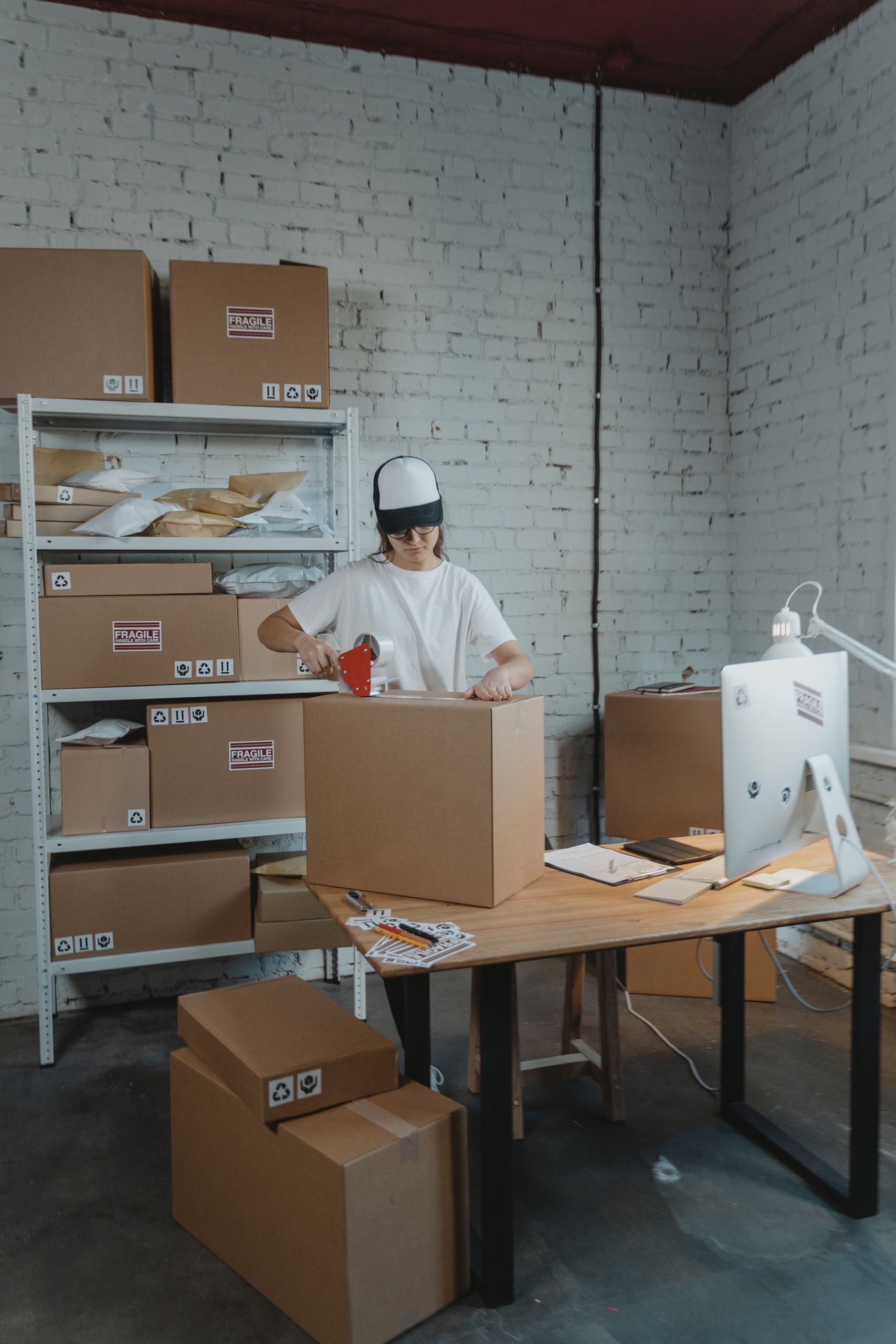
Packaging is the work between a product being made and a customer receiving it: putting the product in the right box, bag, bottle, carton or tray, sealing it, labelling it correctly, checking it, and getting it ready for storage or delivery. The basic task is often simple, but doing it accurately, safely and at speed, hour after hour, is a real skill.
A typical shift is organised around a line or a station. Products arrive on a conveyor, in crates or on pallets. You pick the correct packaging, fill or assemble it, seal it, apply the right label, and place the finished item where it needs to go next, usually working to a target number of units per hour while a supervisor checks quality and rotates staff between stations. Warehouse work is mostly packing orders for dispatch; food factories involve filling trays and checking dates; pharmaceutical plants document every batch; fulfilment centres mean tight deadlines with scanners and pick lists.
Most packaging jobs are practical, hands-on and team-based. You do need to turn up on time, follow instructions exactly and notice mistakes before they leave the building. The trade-offs are real: the work is physical and can be repetitive, with early starts, late finishes, night shifts or weekend work. The best packaging jobs are the ones where the employer manages those demands well — with proper breaks, rotation and safe lifting training. For background, the U.S. Bureau of Labor Statistics Occupational Outlook Handbook is the most reliable public source on typical duties and working conditions.
The Best Packaging Jobs at a Glance
The table below summarises the main options, who each one suits, how you usually get in, and the general pay ranges in the United States and the United Kingdom.
| Role | Best for | Entry route | General US pay range | General UK pay range |
|---|---|---|---|---|
| Warehouse packer | First job, no experience | Apply direct; temp agency | $15–$20 per hour | £12–£15 per hour |
| E-commerce fulfilment packer | Fast-paced workers, flexible shifts | Apply direct; seasonal hiring | $16–$21 per hour | £12–£16 per hour |
| Food packaging worker | Steady hours, hygiene-aware workers | Apply direct; food-sector agencies | $15–$20 per hour | £12–£15 per hour |
| Pharmaceutical packaging worker | Detail-focused workers, clean-room work | Apply direct; some checks required | $17–$23 per hour | £13–£17 per hour |
| Packaging machine operator | Hands-on, technically minded workers | Internal promotion or training | $19–$26 per hour | £14–£19 per hour |
| Quality checker / inspector | Careful, observant workers | Experience on the line first | $17–$24 per hour | £13–£18 per hour |
| Packing team leader / supervisor | Experienced packers ready to lead | Promotion after 1–2 years | $22–$30 per hour | £15–£21 per hour |
Pay footnote: All pay figures are general ranges only, based on the U.S. Bureau of Labor Statistics Occupational Outlook Handbook and broad published UK job-market ranges — not guarantees. Always check the pay in the individual job advert.
Warehouse Packer: The Best Starting Point
What you do
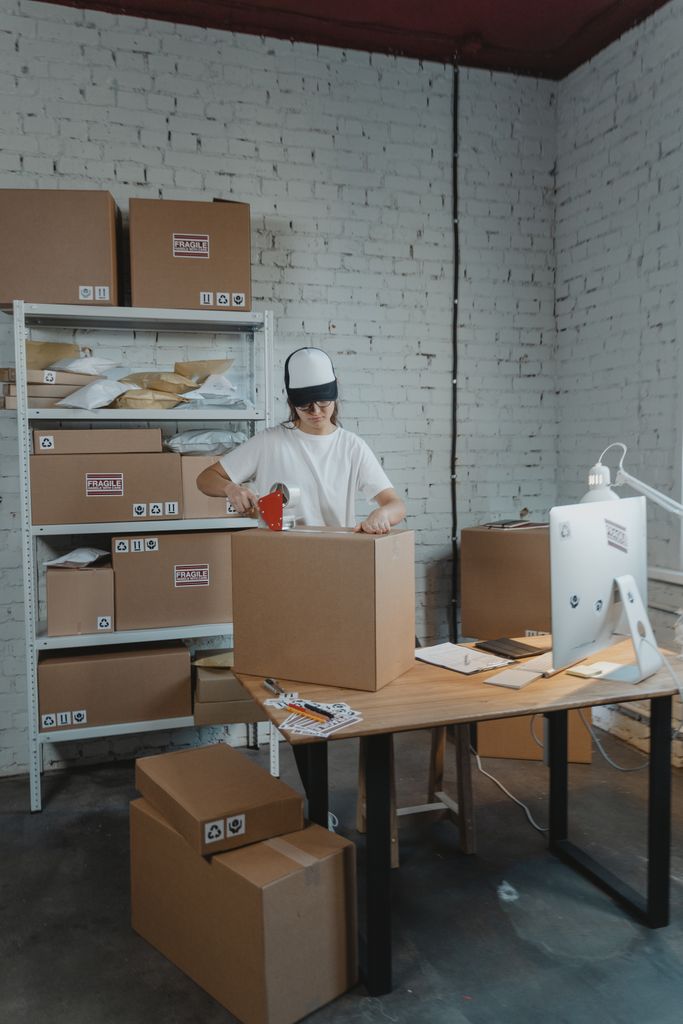
A warehouse packer, sometimes called an order packer, prepares goods for dispatch. You receive picked items, check them against the order, choose the right box or mailer, pack items safely with filler or bubble wrap, seal the parcel, label it and place it on the correct pallet or conveyor. Good packers develop a rhythm — check, pack, seal, label, move on — and raise problems early rather than send a faulty parcel.
Pay, shifts and requirements
Packing is usually paid by the hour, with extra pay for nights, weekends or overtime where offered. The general US range is around $15–$20 per hour, and the general UK range is around £12–£15 per hour, with higher rates in large cities and for night shifts. Most roles are full-time, but part-time and temporary work is common through agencies at peak periods. Employers rarely ask for formal qualifications: you need to be legally allowed to work, follow instructions in English, count and read labels accurately, and stand, bend and lift for most of the shift.
How to get hired
Large employers and agencies recruit in volume and take on new starters every week. Apply directly on an employer’s careers page, through a reputable agency, or on a general job board, with a short CV emphasising reliability and any previous physical work. Expect a short induction and a trial shift. For more on warehouse work beyond packing, see our guide to warehouse jobs.
E-Commerce Fulfilment Packer: Fast, Modern and in Demand
What you do
E-commerce fulfilment packing is warehouse packing for online orders, and it is one of the fastest-growing areas of packaging work in the US and the UK. You work in a fulfilment centre where orders arrive digitally, items are picked from shelves or bins, and your job is to pack each order quickly, correctly and in a way that survives delivery, using a handheld scanner, a pick list, and a station stocked with boxes, mailers, tape and labels. Accuracy is tracked by scanner, and speed is measured against the team target.
Who it suits, and how it pays
Fulfilment packing suits people who like a fast pace, do not mind repetitive work, and are comfortable with scanners and touchscreens — including students, career changers and people returning to work. General pay is a little above basic warehouse packing, at around $16–$21 per hour in the US and £12–£16 per hour in the UK. Seasonal peaks — before Christmas, Black Friday and major sales — often bring temporary roles that can turn permanent for reliable workers.
Food Packaging Worker: Steady Work with Strict Standards
What you do
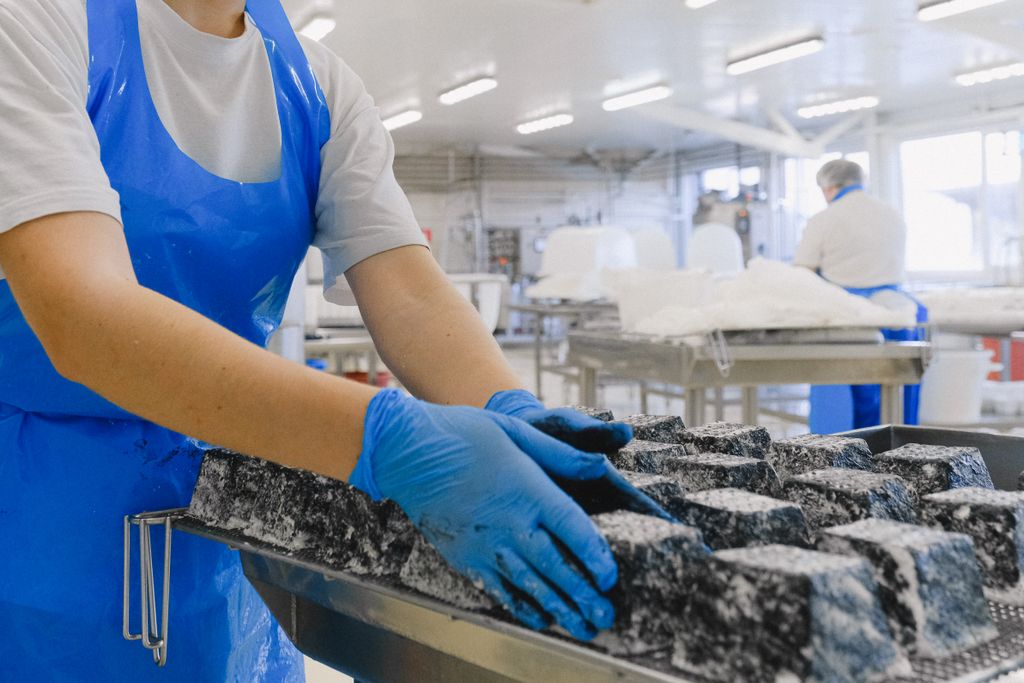
Food packaging workers pack food and drink for shops, restaurants and delivery. Depending on the employer, you might fill trays with baked goods, seal pouches of snacks, place ready meals into cartons, label jars and bottles, or check that the correct use-by date and allergen information is printed on every pack. You will usually work on a production line, each person responsible for one step. Hygiene is central here: you will wear a hairnet, gloves and apron, wash your hands frequently, and follow allergen rules carefully, so a product containing nuts, milk or gluten never contaminates a product that should be free of it.
Working conditions, pay and entry
Food factories are often temperature-controlled, with chilled areas and warm areas near ovens. Shifts are often regular — early mornings, days or nights on a fixed rotation — which suits people who want predictable hours. General pay is around $15–$20 per hour in the US and £12–£15 per hour in the UK, with night-shift premiums in many plants. No experience is usually needed, though employers will check that you understand basic food hygiene. A basic food hygiene certificate can help, and in the UK it can be completed online in a few hours.
Pharmaceutical and Medical Packaging Worker: The Most Detail-Driven Role
What you do
Pharmaceutical packaging workers pack medicines, medical devices and related products: placing tablets in blister packs, filling bottles, labelling boxes, checking batch numbers and expiry dates, sealing cartons, and preparing pallets for pharmacies, hospitals and distributors. In some plants the work is largely automated and your role is to feed the machine, monitor it, remove faulty packs and record what you have done. The defining feature is documentation and compliance: every batch has a number, every label has to match the batch, and every check has to be recorded. If a label is wrong, a date is wrong, or a seal is broken, the product cannot be sent.
Who it suits, what it pays, and how to get in
This role suits people who are methodical, patient and comfortable with rules, and who like careful, precise work in a clean, organised workplace. General pay reflects the extra responsibility: around $17–$23 per hour in the US and £13–£17 per hour in the UK, with higher rates for night shifts and experienced staff. Some employers require a background check, and some ask for a high-school diploma or equivalent in the US, or GCSE-level English and maths in the UK. Apply directly to manufacturers and their contract packers, or through life-sciences agencies, emphasising attention to detail and any experience with checking or record-keeping.
Packaging Machine Operator: The Skilled Step Up
What you do
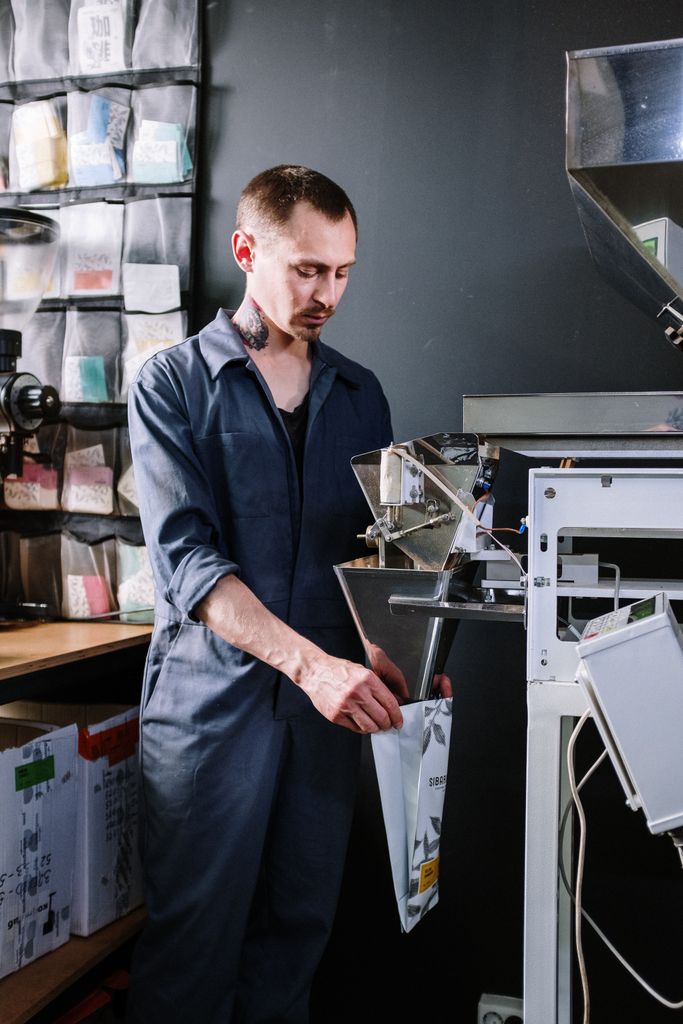
A packaging machine operator runs the machines that fill, seal, label and carton products. Instead of packing by hand, you set up the machine for a particular product and pack size, load materials such as film, cartons or labels, monitor it while it runs, adjust settings when the output is wrong, clear jams safely, and carry out basic cleaning and maintenance. This is where packaging work becomes a technical trade: you need to understand how the machine works, why it jams, and when to stop the line rather than let faulty packs through. Never bypass a safety guard, and always isolate the machine before clearing a jam.
Pay, training and progression
General pay is higher than for hand packing: around $19–$26 per hour in the US and £14–£19 per hour in the UK, with the top of the range for experienced operators on complex machinery and night shifts. Most operators learn on the job, starting as a packer and training on one machine at a time. If you want this role, start in hand packing, learn the product and the line, and ask to be trained on a machine.
Quality Checker and Inspector: The Role for Careful Eyes
A quality checker, sometimes called a quality inspector or QC operative, checks that packed products meet the required standard before they leave the site. You will inspect samples, check weights, seals, labels, dates and batch numbers, look for damage or contamination, record your findings, and reject or quarantine any product that does not meet the standard. This role rewards slowing down, looking closely, and being willing to stop the line or hold a batch when something is wrong. Most quality checkers start on the packing line, where they learn what a good pack looks like and what the common faults are. General pay is around $17–$24 per hour in the US and £13–£18 per hour in the UK, with higher rates in pharmaceutical and food work.
Packing Team Leader and Supervisor: Leading the Line
A packing team leader or supervisor is responsible for a small team on a shift — usually five to twenty people. You will plan who works on which station, brief the team on the day’s targets, check quality, handle absences and problems, train new starters, and report to the shift manager. You will still be hands-on, often covering a station yourself, but your main job is to keep the line running smoothly and safely. This is a promotion, usually after one to two years of reliable packing work. General pay is around $22–$30 per hour in the US and £15–£21 per hour in the UK. If leadership appeals to you, build the evidence early: train new starters well, help colleagues who are struggling, and explain problems clearly to a supervisor.
How to Choose the Best Packaging Job for You
The highest-paying role is not always the best choice. First, think about your body: if you have a back, knee or shoulder problem, or find standing for long periods difficult, a fast-paced fulfilment role with heavy lifting may not suit you, and a quality-checking or machine-monitoring role may be a better fit. Ask at interview what the lifting requirements, standing time and break pattern really are — a vague answer is a warning sign. Second, think about shifts: night work pays more in many plants, but it affects sleep and family life. Third, think about the environment and progression: if you want a job for a few months, a warehouse role through an agency is a good choice; if you want a career, look for employers who train machine operators, quality checkers and team leaders from within.
How to Get Hired With No Experience
Packaging is one of the most accessible areas of work for people with no experience. What employers are really checking is whether you will turn up, work safely, follow instructions and stay for more than a few weeks. Start with a short, honest CV — one page is enough — listing any work, volunteering or study that shows reliability and practical skills. If you have no work history, say so plainly and focus on your availability and willingness to learn. For more on starting from scratch, see our guide to how to get a job with no experience. Apply directly to employers, through reputable agencies, and on general job boards — but check that an agency does not charge you a fee. Never pay to apply, never pay for a “starter kit” before you have a signed contract, and never share bank details with an unverified advertiser.
Pay, Shifts and Benefits: What to Expect in Practice
Pay for the best packaging jobs is usually hourly, and the headline rate is only part of the picture. Night shifts, weekend work, overtime and holiday peaks often carry a premium, so two people on the same base rate can take home quite different amounts. Ask at interview what the shift premium is, how overtime is paid, and whether overtime is voluntary or expected. Benefits vary: larger employers often offer paid holiday, sick pay, a pension or retirement plan, subsidised meals and free parking. Shift patterns also matter — warehouses often run fixed early, late or night shifts, while food and pharmaceutical plants often run a regular two- or three-shift rotation. Ask how much notice you get for a change and how breaks are scheduled.
Physical Demands and Safety: What the Job Does to Your Body
Packaging work is physical. The main demands are standing for most of the shift, walking between stations, bending to pick up boxes, lifting and carrying, and repeating the same hand and arm movements many times an hour. In some roles you will lift boxes of 10–25 kg regularly; in others the strain is on your hands, wrists and shoulders. Good employers manage these risks with manual-handling training, lifting aids such as trolleys and adjustable benches, rotation between tasks, proper breaks and the right protective equipment. Your part is to follow the training: lift with your legs, not your back, ask for help when a load is too heavy, keep your workstation tidy, report hazards immediately, and never reach into a machine while it is running or bypass a safety guard. If you have a health condition, ask about adjustments — a different station, a stool for a checking role, or a limit on lifting. If pain does not settle after a few days, tell your supervisor and see a clinician if you need to.
Where to Apply: The Most Reliable Routes
Start with the careers pages of large employers in your area — warehouses, fulfilment centres, food manufacturers and pharmaceutical companies all advertise on their own sites, and a direct application often moves faster than one through a job board. General job boards are the next route: search “packer”, “packing operative”, “fulfilment packer”, “food packer” or “packaging operator”, filter by distance, pay and shift pattern, and check daily, because good roles are often filled quickly.
Agencies specialising in warehouse, food and manufacturing work are the third route, particularly useful for temporary and immediate-start roles. Do not overlook local routes: job centres, noticeboards and word of mouth. If you are also considering driving or delivery work, our guide to the best delivery driver jobs compares a different kind of hands-on work that many packers also consider.
Common Mistakes to Avoid When Choosing a Packaging Job
The most common mistake when choosing from the best packaging jobs is taking the first offer without checking the details: a slightly higher hourly rate is not a good deal if the shift pattern does not fit your life or the location costs you an hour each way. Compare the whole package — pay, hours, location, breaks, benefits, contract length and chance of progression — and ask for the key terms in writing. The second mistake is overstating your experience: employers expect new starters and would rather train someone honest. The third is ignoring safety at the interview stage: an untidy workplace, missing protective equipment, or no induction are warning signs. The fourth is staying in a role that is harming you: if the pace is unsafe or you are not getting proper breaks, raise it and look for a better employer.
FAQ
Do I need experience to get a packaging job?
No, not for most entry-level roles. Warehouse, fulfilment and food packaging workers are usually hired with no previous experience, and the employer provides induction and training. What matters is reliability, following instructions, and basic reading and counting.
What is the best packaging job for a beginner?
For most beginners, a warehouse packer or e-commerce fulfilment packer is the best starting point. The work is straightforward to learn, employers recruit in volume, and you can start quickly.
How much do packaging jobs pay?
Pay varies by role, location, shift and employer. As a general guide, entry-level packing is around $15–$20 per hour in the US and £12–£15 per hour in the UK; machine operators earn more. These are general ranges only — not guarantees.
Are packaging jobs hard physical work?
Yes, most packaging jobs are physical: standing for most of the shift, lifting boxes, and repeating the same movements many times. Good employers provide training, lifting aids, task rotation and proper breaks.
Can I get a packaging job with no qualifications?
Yes. Most entry-level packaging jobs do not require formal qualifications or a degree — usually just a basic level of English, basic numeracy, the legal right to work, and the ability to follow instructions and work safely.
Is there career progression in packaging work?
Yes. A reliable packer can move into machine operation, quality checking and then team leading, usually within one to three years, largely through on-the-job training.
Conclusion
The best packaging jobs are not about finding a single perfect title. They are about finding the right fit for you — the right pace, the right environment, the right shift pattern and the right chance to progress. For most people, that means starting as a warehouse or fulfilment packer, learning the work properly, and then choosing whether to stay in steady packing work or move up into machine operation, quality checking or team leading. Whatever route you choose, check the pay, hours and location in writing, ask about training, breaks and safety, and be honest about your experience. Start with one of the best packaging jobs that fits your life, learn it well, and use it as the foundation for the next step.