Babysitting Jobs Requirements: What Parents and Agencies Actually Check
Quick Answer
Babysitting jobs requirements are simpler than most applicants fear, but they are strict on the points that matter. For private family sitting in the US and most of Europe there is usually no licence for occasional babysitting in the family home, yet parents still check the same core list every time: you must be old enough and mature enough for sole charge, hold or be booked onto infant and child CPR and first aid training, provide two references who answer, pass any background check a family or agency asks for, and show basic safety knowledge for feeding, sleep, and emergencies.
Agencies and registered childcare settings add formal checks of their own. This guide works through babysitting jobs requirements in the order parents check them, explains which items are legal rules and which are parent preferences, and shows how to prepare a small evidence pack that answers every check in one meeting.
Meeting the requirements is not paperwork for its own sake. Each item answers a fear a parent feels when leaving a child with someone new. When your pack answers those fears before they are asked, the interview becomes a conversation about routines and start dates instead of a test you might fail. Babysitting jobs requirements reward preparation, so gather the proof early.
Table of Contents
Babysitting Jobs Requirements: Legal Rules Versus Parent Preferences
What the law usually requires
Occasional babysitting in a family home is treated differently from running a childcare business in your own home. In most US states and most European countries, a sitter who works in the parents home for one family at a time does not need a childcare licence. Registered childminding, nursery work, and caring for several unrelated children in your own home are regulated and carry formal registration, inspection, and ratio rules. If you plan to move beyond family home sitting, check your state, council, or national rules before accepting children. The Bureau of Labor Statistics childcare workers page describes the wider childcare occupation and its typical training routes, which helps you see where private sitting sits inside the larger field.
What parents require even when the law does not
Parents add their own requirements on top of the law, and for hiring decisions those matter just as much. Most parents want a sitter who is at least in their mid teens for short daytime sits with older children, and older for infants, evenings, and sole charge of several children. Many want CPR and first aid even though no law forces it for private sitting. Almost all want references and a first meeting or trial sit. Treat parent requirements as real requirements. Arguing that an item is not legally needed never wins a booking.
What agencies and platforms require
Agencies and larger platforms formalise the parent list. Expect identity documents, a background check where local law allows it, verified references, training certificates, and sometimes a minimum age of eighteen and previous hours of child experience. Platform rules vary, so read the exact list for any service you join and keep copies of everything you upload. If an agency asks you to pay a large fee before any work is offered, or to share bank details in a chat, stop and verify the agency independently. Real agencies explain their checks and fees in writing.
The Core Requirements, One by One
Age and maturity for sole charge
There is no single babysitting age that fits every child and every home. The right question is whether this sitter can handle the youngest child, the number of children, and an emergency alone. Parents usually start younger teens with older children, short sits, and a parent nearby, then extend trust as sits go well. Be honest about the ages and group sizes you can manage. A sitter who declines an infant sit for now and explains why sounds more mature than one who accepts everything. Maturity is also shown in small ways: arriving on time, following the written routine, and reporting problems the same day.
CPR, first aid, and babysitter training
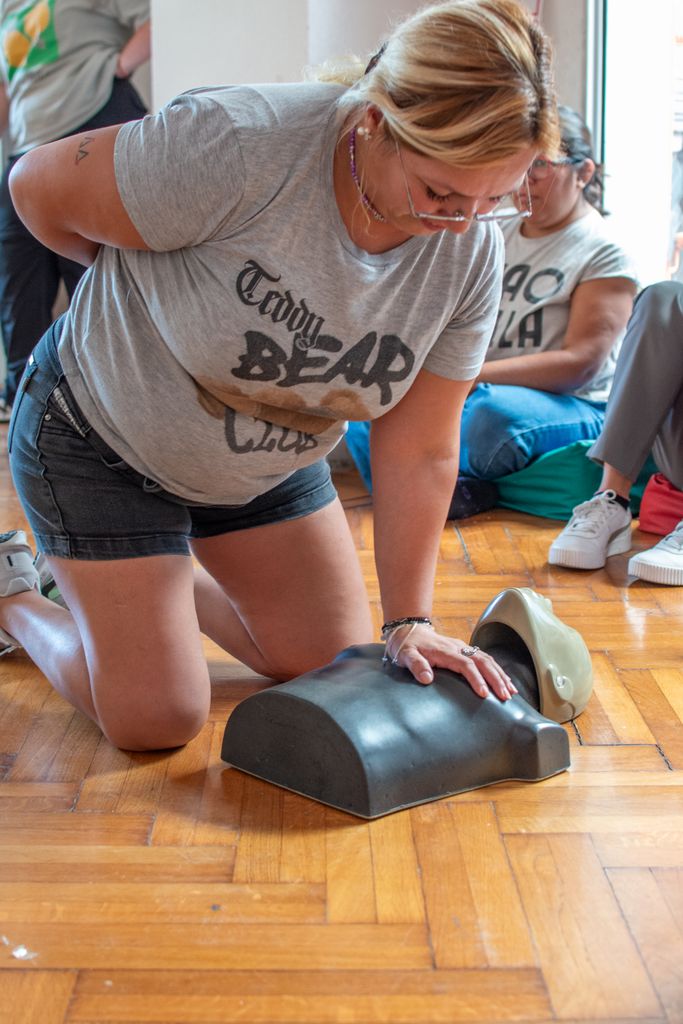
Infant and child CPR with first aid is the training requirement at the top of almost every parent list. It covers choking, breathing problems, bleeding, and basic emergency response for the ages you will watch. A babysitter basics course adds safe sleep for babies, bottle and food safety, allergy and asthma awareness, age appropriate play, and how to call emergency services with the right information. Courses are short, run locally and online with an in person skills check in many areas, and give dated certificates. Keep the certificates current, because expired first aid weakens the strongest item in your pack.
References who can be reached
Two references are the standard ask. The best references have seen you with children: a family you helped, a club or sports leader, a teacher, or an employer in a trust based role. Ask permission, give your references a short note about the kind of sitting you seek, and make sure they expect a call. A strong reference speaks in specifics: ages watched, tasks handled, reliability over time. Our babysitting jobs for beginners guide shows how to build this reference list even before your first paid sit.
Background checks and identity
Some families, and most agencies, ask for a background check or the local equivalent, along with photo identity and proof of address. What can be checked, and who may request it, depends on your country and state, so follow the official route for your area rather than a random website a stranger sends you. Never send identity documents through an unverified chat link. Hand copies over at a real meeting or through the official agency portal, and keep a note of what you shared and when. Babysitting jobs requirements treat a current background check as a basic condition.
Safety knowledge parents test in conversation
Parents rarely set a written exam. They test knowledge through questions. What would you do if my child choked on food? How do you put a baby down to sleep safely? What would you do if the smoke alarm sounded? Answer with calm steps in order, exactly as your training taught you. Name checking the scene, helping the child, calling emergency services, and contacting the parent. Steps prove training took hold. Vague reassurance does not. If you do not know an answer, say what you would check and who you would call. Honest limits build more trust than guesses on safety.
Skills and Qualities Parents Treat as Requirements
Reliability. A sitter who arrives on time, every time, is the requirement under all others. Families build work, travel, and medical appointments around your arrival. If you cannot make a sit, tell the family as early as possible and help them find cover if you can. One unexplained failure can end an arrangement that took months to build.
Communication. Parents need a sitter who listens to the routine, asks about allergies and medicines, writes things down, and sends the updates the family agreed. After the sit, a short note covering food, sleep, mood, homework, and any incident is part of the job. Our babysitting jobs from home guide shows the same communication habits for sitters who work from a base at home.
Patience and attention. The Bureau of Labor Statistics describes childcare work as requiring patience, communication skills, and stamina, because children need steady attention even when they are tired, upset, or testing limits. During a sit your phone is for parent contact and emergencies only. Children copy the attention they receive, and parents hear about it afterwards.
Household respect. Parents expect the home left tidy, the routine followed even when you would do things differently, and house rules on screens, snacks, visitors, and doors kept exactly. Breaking a small rule a parent set, and hiding it, damages trust more than the rule itself. Report everything plainly and the same day.
The Evidence Pack to Prepare Before You Apply
Page one: your profile. Name, neighbourhood, ages and group sizes you accept, hours available, training with dates, and a short line on your child experience, paid or unpaid. Keep it to one page. Every claim on it must survive a follow up question, because good parents ask.
Page two: certificates and checks. Copies of CPR and first aid certificates, any babysitter course certificate, and a note of any background check you hold and when it was issued. Bring originals to a first meeting if a family asks, and copies to leave with them.
Page three: references and emergency method. Two references with names, relationships to you, and phone numbers, plus a short list of the questions you ask every new family: allergies, medicines, emergency contacts, bedtime routine, screen rules, and who may collect the children. That question list quietly proves you understand the requirements of the work itself. Sitters who arrive with it are treated as professionals from the first meeting. Applicants who arrive with nothing but a wage expectation are not.
Digital copies. Keep clear phone photos or scans of the same pack so you can send it within minutes when a parent or agency asks. Speed matters. Parents often contact two or three sitters and book the first complete, credible reply. Our babysitting jobs no experience guide shows how this pack replaces a work history when you are just starting.
Requirements by Setting: Family, Agency, and Your Own Home
In a family home the parent list rules: age and maturity, training, references, and trust built through a meeting and a trial sit. Keep your own notes and terms in writing, including rate, hours, and cancellation terms, because no agency does it for you.
Through an agency expect every family requirement plus identity and background screening, set rates or set fee structures, and rules on contacting families outside the agency. Read those rules before signing. They affect whether you may accept a family private booking later.
In your own home, regularly, the legal position changes. Caring for children in your own home for reward, especially unrelated children and regular hours, is registered childcare in many places, including childminding registration in the UK and licensed family childcare in many US states. Registration brings training, inspection, insurance, and ratio duties. Do not drift into it by accident through repeated home sits. Choose it deliberately, register properly, or keep your work in family homes.
Frequently Asked Questions About Babysitting Jobs Requirements
Do I need a licence for babysitting jobs requirements in a family home?
For occasional sitting in the parents home, most US states and European countries do not require a childcare licence. The legal duties change when you care for children regularly in your own home, watch several unrelated families children together, or work in a nursery or registered setting. Check your local rules for those cases before you start, because registration, insurance, and inspection may apply.
What age do I need to be to babysit?
There is no single legal babysitting age in most places for private family sitting. Parents decide based on the child ages, the length of the sit, and your maturity and training. Younger teens usually start with older children, short sits, and a parent nearby. Infants, large groups, swimming, and late night sole charge are normally reserved for older, trained sitters. Be honest about your limits and expand them gradually.
Is CPR certification really required?
Parents treat it as required even where the law does not. Infant and child CPR with first aid is the first certificate to earn, because it answers the emergency question every parent worries about. Courses are short and widely available through the Red Cross and similar bodies in the US, the UK, and Europe. Keep it renewed, show the dated certificate at interviews, and list it first in your profile.
What background check will I need?
It depends on the family, agency, and your country or state. Agencies commonly require identity documents and an official background check. Private families may ask for references only, or may request the local check available to them. Use official channels, share documents at a real meeting or through a verified agency portal, and never send identity scans through an unverified link sent by a stranger.
Can I meet babysitting jobs requirements with no paid experience?
Yes. Training certificates, unpaid child care with family or clubs, and two prepared references meet the core checks for most first families. Start with short trial sits for families who know you, collect a written review, and add it to your pack. After a few good sits, your reviews become the strongest evidence you hold, and the no experience problem fades quickly.
What should I bring to a first family meeting?
Bring your one page profile, certificate copies, and reference details, plus your list of questions about allergies, medicines, contacts, routines, and house rules. Arrive on time, meet the children calmly, and confirm rate, hours, and the first trial sit in writing before you leave. A complete pack and good questions do more for your hiring chances than any single certificate alone.
Conclusion
Babysitting jobs requirements come down to proof a parent can check: maturity for sole charge, current CPR and first aid, references who answer, any background check your setting requires, and safety knowledge you can explain in steps. Prepare those items as one small evidence pack before you apply, keep certificates current, and be honest about the ages and groups you can handle. When a family can verify everything in one meeting, the decision stops being a risk and becomes a booking. Reliability is what babysitting jobs requirements reward most, so keep your proof current.