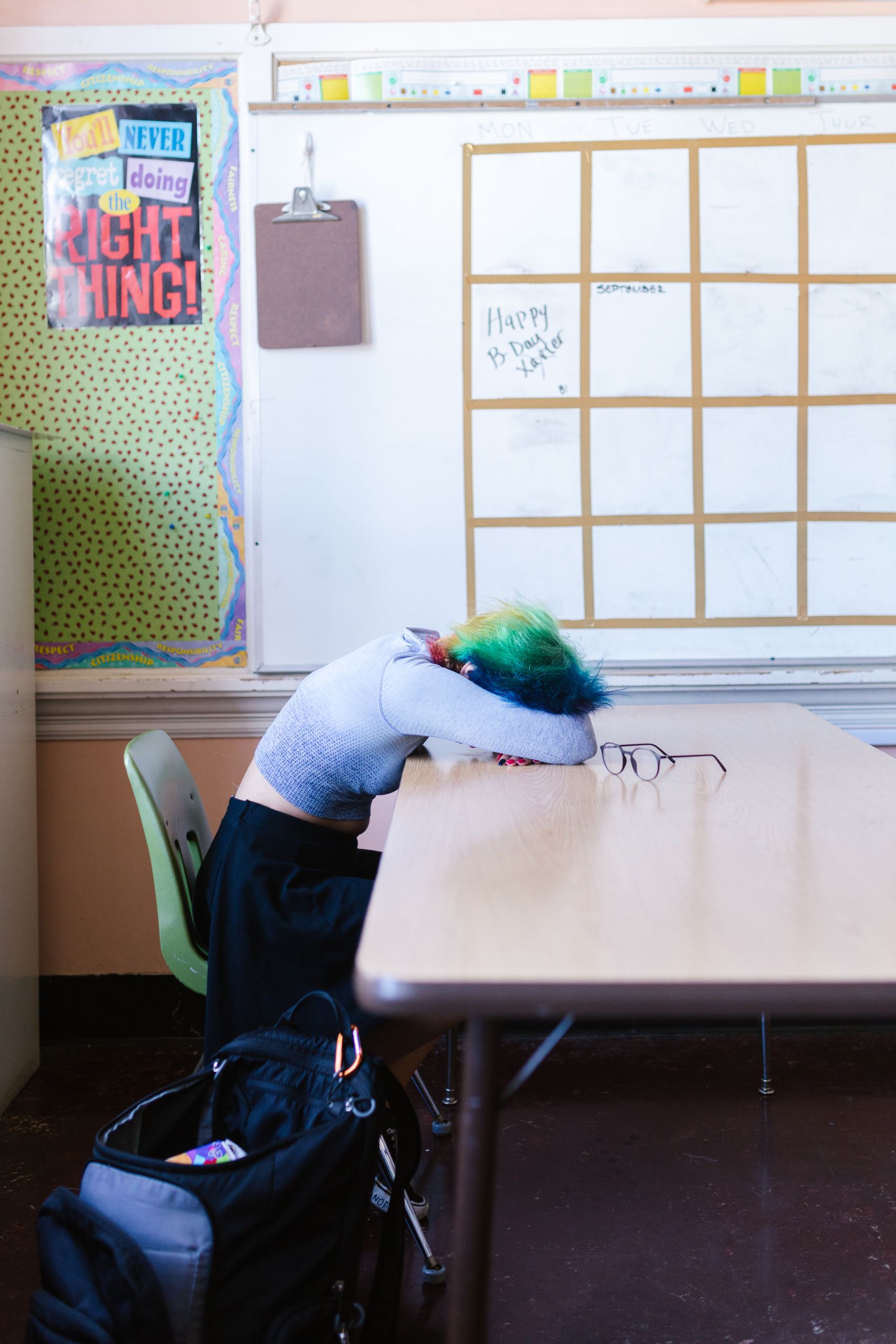
How to Stay Awake in Class: Practical Ways to Stay Alert and Learn More
Almost every student knows the feeling. You slept, you showed up on time, and you want to learn, but ten minutes into the lesson your eyes feel heavy and the teacher’s voice starts to fade. Learning how to stay awake in class is not about willpower alone. It is about sleep, light, food, movement, and how actively you use your brain during the lesson. When those pieces work together, staying alert becomes much easier. This guide gives you practical steps you can use before class, during class, and after class, so you can focus better, remember more, and stop fighting sleep at your desk.
You do not need special products or extreme habits. Most of what works is simple: sleep enough at night, start your morning well, sit and listen in an active way, and avoid the few habits that make sleepiness worse. The tips below are general wellness information for students, not medical advice. If you feel very sleepy almost every day even after sleeping enough, speak to a clinician, a school nurse, or another trusted health professional.
Table of Contents
Quick Answer
If you want to know how to stay awake in class, start with the basics. Sleep 8 to 10 hours if you are a teenager and 7 to 9 hours if you are an adult, keep a regular sleep and wake time, and get bright light soon after you wake up. Before class, eat a balanced meal, drink water, and move your body for a few minutes. During class, sit upright near the front, take notes by hand or in your own words, ask and answer questions, and take small movement or breathing breaks when you can. Avoid heavy meals right before class, long phone scrolling at night, and relying only on caffeine.
Active learning keeps your brain busy, and a busy brain stays awake far better than a passive one.
Why You Feel Sleepy in Class
Understanding the cause helps you choose the right fix. Sleepiness in class usually comes from one or more of these common reasons.
First, not enough sleep is the most common cause. If you go to bed late and wake up early for school or college, your body simply has not had time to recover. One short night can affect focus the next day, and many short nights in a row build up a sleep debt that gets harder to ignore.
Second, poor sleep quality matters too. Noise, light in the bedroom, a phone buzzing on the pillow, or an irregular schedule can break your sleep into pieces. You may spend eight hours in bed but still wake up tired.
Third, your body clock plays a role. Many people feel a natural dip in alertness in the early afternoon. A warm, quiet, dark classroom after lunch can make that dip feel much stronger.
Fourth, passive listening makes sleepiness worse. If you sit still, say nothing, write nothing, and only watch slides for an hour, your brain gets very little stimulation. Low stimulation is a signal to rest. This is why the same student can feel sleepy in one class and wide awake in another, more active class.
Finally, food, water, and air matter. Skipping breakfast, eating a very heavy or sugary meal, drinking too little water, or sitting in a stuffy room can all lower your energy. The good news is that most of these factors are within your control, and small changes add up.
Before Class: Build Alertness the Night Before
The best way to learn how to stay awake in class starts the night before. No trick during a lesson can fully replace a good night of sleep. Use these habits to give yourself a strong base.
Keep a Regular Sleep Schedule
Go to bed and wake up at about the same time every day, including most weekends. A regular schedule helps your body clock know when to feel sleepy and when to feel alert. If you stay up very late on weekends and then try to wake up early on Monday, you create a kind of social jet lag that makes Monday classes especially hard.
If you need to change your schedule, move it slowly. Go to bed 15 to 30 minutes earlier each night until you reach your target time. Sudden changes rarely last.
Most teenagers need 8 to 10 hours of sleep, and most adults need at least 7 hours. The Centers for Disease Control and Prevention (CDC) sleep guidance explains these ranges and why regular sleep supports health, mood, and learning. Check your own schedule honestly. If your bedtime and wake time give you only six hours, no daytime tip will fully fix that gap.
Make Your Bedroom Help You Sleep
Keep your bedroom cool, dark, and quiet if you can. Turn off bright overhead lights in the last hour before bed and use a dim lamp instead. Try to keep phones and tablets out of reach, or use a do not disturb mode so messages do not wake you.
Build a short wind-down routine. For example, shower, lay out your clothes and bag for tomorrow, read a few pages of a book, and then turn the lights out. Repeating the same steps each night teaches your brain that sleep is coming.
Avoid using your bed for homework, gaming, and long scrolling if possible. When you use your bed for everything, your brain stops linking it strongly with sleep.
Limit Caffeine and Screens Late in the Day
Caffeine from coffee, tea, energy drinks, and some sodas can stay in your body for hours. If you drink it late in the afternoon or evening, it may make it harder to fall asleep, even if you feel tired. As a general habit, stop caffeine by the early afternoon and see if your nights improve.
Bright screens late at night can also delay sleepiness. If you must study on a screen in the evening, take breaks, lower the brightness, and stop at least 30 to 60 minutes before bed. Use that last part of the evening for calm, offline activities.
Before Class: Morning Habits That Wake You Up
Your morning sets the tone for your first classes. A rushed, dark, and inactive morning often leads to a sleepy start.
Get Light and Movement Early
Light is one of the strongest signals for your body clock, and getting bright light early is one of the easiest ways to learn how to stay awake in class. Open the curtains as soon as you wake up. If you can, step outside for a few minutes on your way to school, college, or your classroom. Even on a cloudy day, outdoor light is usually brighter than indoor light.
Add movement too. Walk, stretch, climb stairs, or do a few minutes of light exercise. Movement raises your heart rate a little and tells your body that the day has started. You do not need a full workout. Five to ten minutes of walking can make a clear difference to how awake you feel in a 9 a.m. class.
Eat a Balanced Breakfast and Drink Water
You do not need a huge breakfast, but going to class on an empty stomach can lower concentration for many students. Aim for a mix of foods, such as whole grains, fruit, yogurt, eggs, nuts, or other foods you enjoy and can digest well. Combine carbohydrates with protein and some healthy fats so your energy lasts longer.
Drink water when you wake up and keep a water bottle with you. Mild dehydration can make you feel tired and give you a headache. Sip water through the morning instead of drinking a lot at once.
If you use caffeine in the morning, keep the amount moderate and avoid energy drinks with very high caffeine and sugar. Caffeine can help alertness for a short time, but it works best when you have already slept well. It is not a substitute for sleep.
Prepare So You Arrive Calm and On Time
Pack your bag, check your timetable, and review your notes for a few minutes before you leave. When you arrive rushed and worried that you forgot something, stress drains your energy. When you arrive prepared, you can settle, open your notebook, and start the class with attention instead of panic.
A quick preview also helps. Read the title of today’s topic, glance at headings, or look at one diagram. This small step primes your brain. New information feels less boring when you already have a place to connect it.
During Class: Active Ways to Stay Awake in Class
What you do in your seat matters as much as what you did the night before. These during-class strategies are the core of how to stay awake in class, because they turn you from a passive listener into an active learner. They also match the principles in our guide on how to study effectively, where active methods always beat passive review.
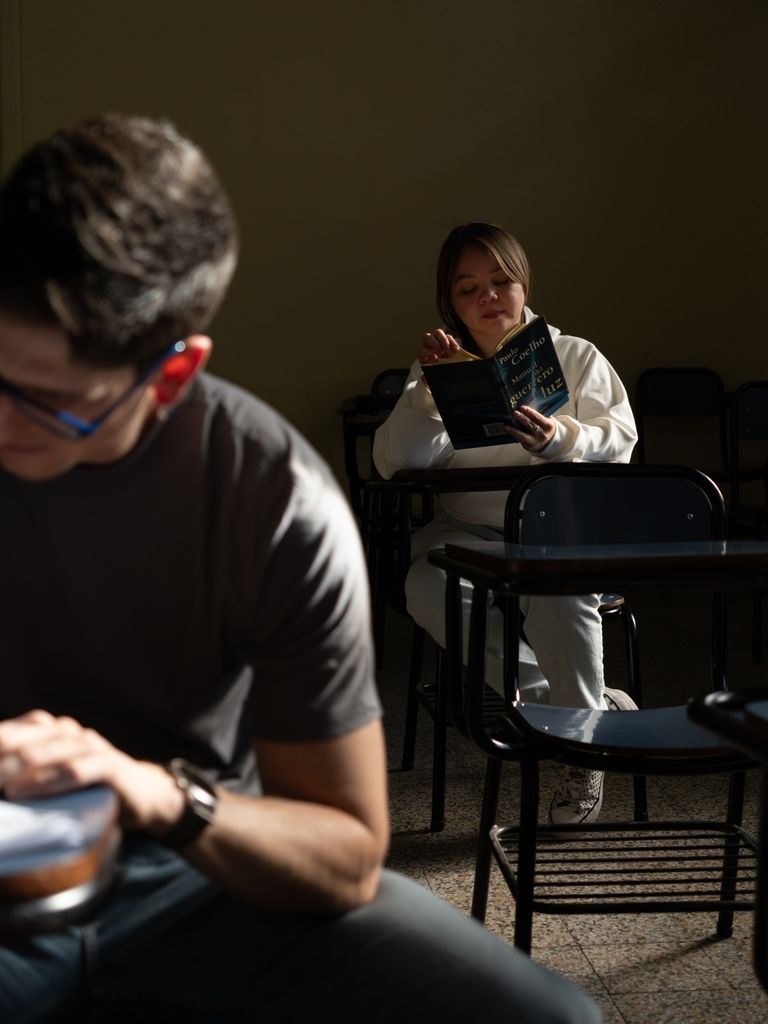
1. Sit Upright and Choose a Good Seat
If you can choose your seat, sit near the front or in the middle where you can see and hear clearly and where the teacher is more likely to make eye contact with you. It is harder to drift off when you feel part of the class.
Sit upright with both feet on the floor. Avoid sinking low in your chair or resting your head on your hand for a long time. Good posture will not keep you awake on its own, but slouching makes sleepiness feel stronger and can cause neck and back pain.
2. Take Notes in Your Own Words
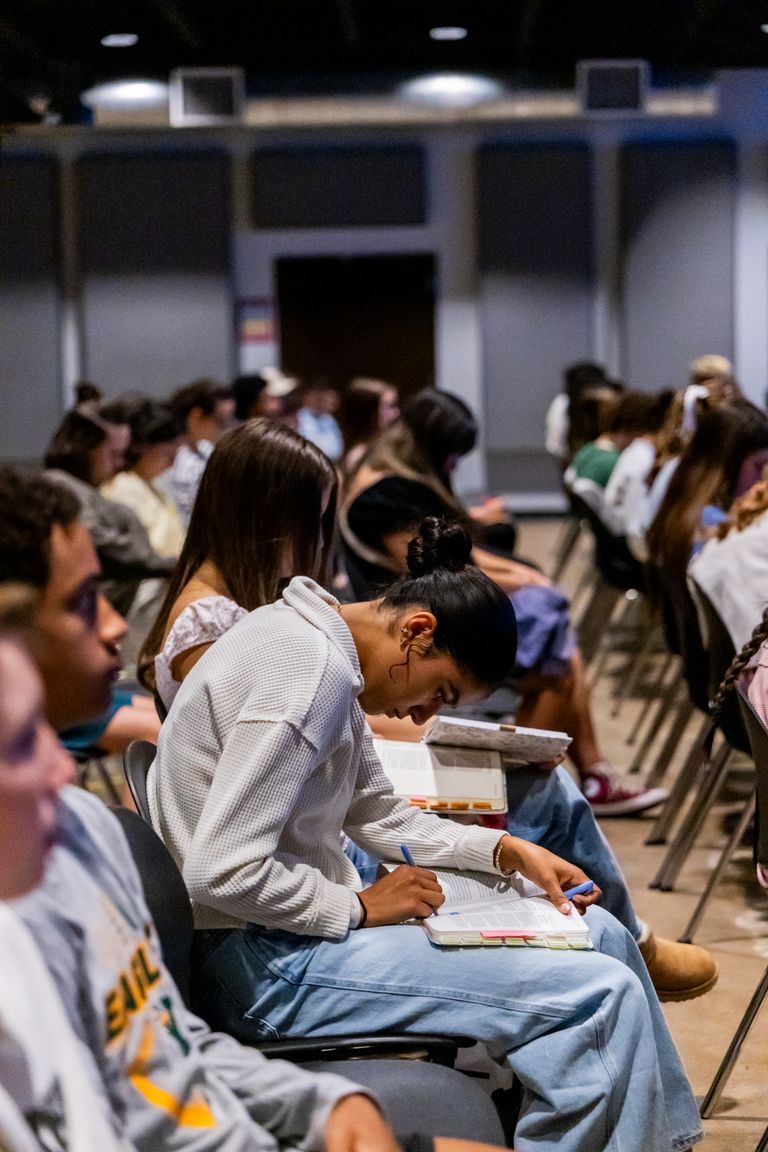
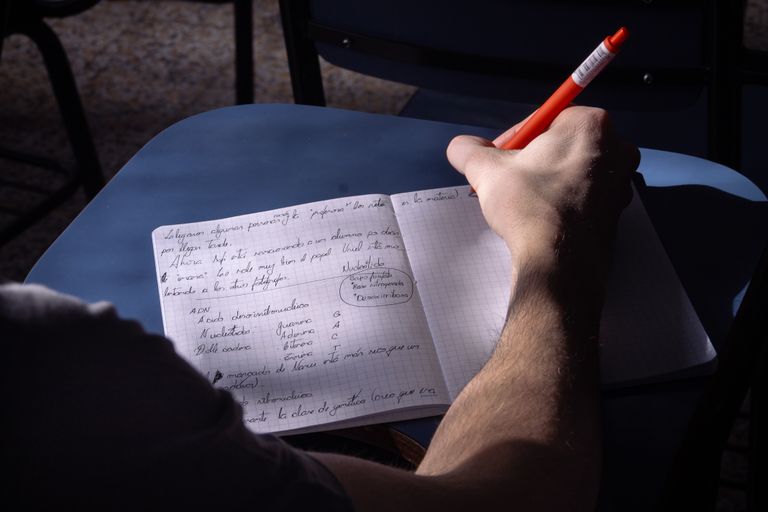
Note-taking is one of the best tools for staying alert. Do not try to copy every word. Instead, listen for the main idea, then write it in your own short words. Draw a quick diagram, write a question in the margin, or underline a key term.
Writing by hand can help many students because it is slower and forces you to choose what matters. If you type your notes, avoid transcribing the lesson word for word. Summarise, shorten, and organise as you go. The mental effort is exactly what keeps your brain awake.
Review our wider study tips for note systems like Cornell notes and mind maps that make this active style easier.
3. Ask, Answer, and Join In
Participation wakes up the brain. Raise your hand to answer, ask a short question when you are confused, or join pair and group tasks fully. Speaking, even for 20 seconds, changes your breathing, your posture, and your attention.
If speaking in front of the whole class feels hard, start small. Answer in a pair discussion, write a question for the teacher to read, or respond in a class poll or quiz tool if your teacher uses one. The goal is engagement, not perfection.
4. Use Small Resets Without Disturbing Others
When you feel a wave of sleepiness, use a quiet reset. Sit up straighter, take three slow deep breaths, roll your shoulders, stretch your hands and neck gently, or take a sip of cold water. Look at a distant point in the room for a few seconds, then return to the board or book.
If your teacher allows short breaks or movement between tasks, use them. Stand, walk to get water, or step into brighter light in the corridor for a minute. A brief change of position and light can restart your alertness for the next part of the lesson.
Avoid resting your head on the desk to “rest your eyes for a minute.” In a warm, quiet room, that minute often becomes real sleep, and you will miss instructions and feel groggy when you wake.
5. Keep Your Phone Away
A phone on your desk divides your attention and tempts you to scroll when a lesson slows down. Scrolling feels active, but it does not connect to the lesson, and you often feel more tired when you look up again. Put your phone in your bag on silent, unless your teacher asks you to use it for class work.
If you use a laptop or tablet, close unrelated tabs and notifications before class starts. One screen, one task helps your focus last longer.
6. Work With a Classmate
Study partners help in class too. Compare notes with the person next to you during a task, explain a concept to each other in one minute, or check together whether you both heard the homework correctly. Teaching something to someone else is one of the strongest ways to stay engaged and to remember it.
Choose partners who also want to learn. If a group spends the whole task chatting off topic, you will feel more tired afterwards, not less.
After Class: Habits That Help the Next Class
How to stay awake in class is also decided between classes and after school or college. Use the time after a lesson well, and the next lesson gets easier.

Review Briefly, Then Take a Real Break
Right after class, spend five minutes reviewing your notes. Fill in gaps, highlight the three most important points, and write one question you still have. This short review strengthens memory and shows you what to ask next time.
Then take a real break. Move, get fresh air, eat a snack if you are hungry, and rest your eyes from screens. A proper break restores you better than half-resting while scrolling.
Nap Smart, Not Long
A short nap can help some students, but long or late naps often make night sleep worse. If you nap, keep it short, around 20 minutes, and take it in the early afternoon if possible. Set an alarm so you do not oversleep. Avoid napping in the late afternoon or evening, because you may then struggle to fall asleep at your normal bedtime.
If naps leave you feeling worse, skip them and go to bed earlier instead. Everyone responds a little differently, so notice what works for you over a week or two.
Exercise and Daylight During the Day
Regular physical activity during the day supports better sleep at night and better energy in class. Walk, cycle, play a sport, dance, or do any activity you enjoy on most days. You do not need intense training every day. Even regular brisk walking counts.
Try to get some daylight every day, especially in the morning or at midday. Students who spend all day indoors under dim light often feel their energy drop. A walk outside between classes helps both your body clock and your mood.
Plan Your Evening Study
Do demanding homework earlier in the evening when you are more alert, and save lighter tasks for later. Study in short focused blocks with breaks, for example 25 to 40 minutes of work and then a 5 to 10 minute break. Long, late cramming sessions cut into sleep and make the next day’s classes much harder, so they usually cost more than they gain.
What to Eat and Drink for Steady Energy
Food will not fix a lack of sleep, but steady eating habits can stop extra dips in energy.
Eat regular meals and do not skip lunch if you have afternoon classes. Before an afternoon class, a very heavy meal that is high in fat can make many people feel sleepy. A moderate meal with vegetables, whole grains, and protein is often a better choice for afternoon alertness.
For snacks, choose options that release energy slowly, such as fruit with nuts, yogurt, cheese with whole grain crackers, or a sandwich. Very sugary snacks and drinks can give a quick rise in energy followed by a crash that leaves you more tired.
Keep drinking water through the day. Take small sips often rather than waiting until you are very thirsty.
Use caffeine carefully. It may increase alertness for a while, but too much can cause jitteriness, a fast heartbeat, stomach discomfort, and poor sleep later. Avoid energy drinks as a daily habit, and never use caffeine as your only plan for staying awake. If caffeine seems to affect you strongly, reduce it and focus on sleep and light instead.
Common Mistakes That Make Sleepiness Worse
Many students who want to learn how to stay awake in class try hard but use methods that backfire. Watch out for these common mistakes.
Mistake 1: Staying up late to study more. One extra hour of tired study at midnight is usually worth less than one extra hour of sleep. You will remember less, and you will struggle in every class the next day.
Mistake 2: Sleeping in very late on weekends. A small lie-in is fine, but waking up three or four hours later than usual shifts your body clock and makes Monday mornings painful.
Mistake 3: Relying only on caffeine. Coffee or energy drinks can mask sleepiness for a short time without fixing the cause. When the effect wears off in class, the crash can feel worse.
Mistake 4: Sitting passively for the whole lesson. Listening without writing, thinking, or joining in gives your brain too little to do. Passive time feels longer and sleepier.
Mistake 5: Using your phone all night in bed. Messages, videos, and games keep your brain active and expose you to bright light at the exact time you need to wind down.
Mistake 6: Eating a huge lunch and then sitting in a dark, warm room. The combination invites the normal afternoon dip to become a full struggle to keep your eyes open. Eat moderately and seek light and movement after lunch.
Mistake 7: Ignoring daily sleepiness. If you fall asleep in class most days despite good habits, treating it as laziness is unfair and unhelpful. Persistent excessive sleepiness deserves proper attention from a health professional.
A Simple Daily Checklist for Staying Alert
Use this checklist for one week and tick off each item. Small habits done daily beat one big effort done once.
The night before:
- I kept a regular bedtime and allowed enough hours for sleep.
- I stopped caffeine by the early afternoon.
- I dimmed lights and put my phone away 30 to 60 minutes before bed.
- I packed my bag and checked tomorrow’s timetable.
In the morning:
- I woke at a regular time and got bright light soon after.
- I moved my body for at least five minutes.
- I ate breakfast and drank water.
- I previewed today’s topics for a few minutes.
During class:
- I sat upright where I could see and hear well.
- I took notes in my own words.
- I asked, answered, or joined a discussion at least once per class.
- I kept my phone in my bag and used quiet resets when I felt sleepy.
After class and in the evening:
- I reviewed my notes for five minutes after class.
- I took real breaks with movement and daylight.
- If I napped, I kept it short and early.
- I started homework early enough to protect my bedtime.
If you miss an item, do not give up on the day. Just do the next item on the list. Progress comes from the pattern, not from perfection.
When Sleepiness Needs Extra Help
This article gives general information only and does not diagnose any condition. Most class sleepiness improves with regular sleep, light, movement, and active learning. These are the same habits behind how to stay awake in class. However, you should talk to a clinician, school nurse, counsellor, or another trusted professional if you:
- feel extremely sleepy almost every day even after sleeping enough hours,
- fall asleep in class, while reading, or in other situations where you need to be alert, on a regular basis,
- snore loudly, wake up often at night, or wake with headaches often,
- notice that sleepiness is harming your grades, mood, safety, or daily life, or
- feel worried about your sleep in any way.
A professional can ask about your health, sleep habits, medicines, and daily routine, and can advise you properly. Asking for help is a sensible step, not a failure.
FAQ
How many hours of sleep do I need to stay awake in class?
Most teenagers need 8 to 10 hours of sleep per night, and most adults need at least 7 to 9 hours. The exact amount varies a little from person to person. If you wake up without an alarm feeling rested and you stay alert through most classes, you are probably getting close to enough. If you need multiple alarms and still feel exhausted, you likely need more sleep or better sleep quality.
Does coffee help you stay awake in class?
Caffeine can make you feel more alert for a few hours, but it does not replace sleep. It works best in small to moderate amounts in the morning, alongside good sleep. Too much caffeine, or caffeine late in the day, can hurt your night sleep and make the next day worse. Energy drinks are not a good daily solution, especially for younger students. Sleep, light, and active participation are safer long-term strategies.
What should I do if I start falling asleep during a lesson?
Act quickly and quietly. Sit up straight, take slow deep breaths, sip cold water, and start writing notes in your own words. Write down the last point you understood and one question about what comes next. Stretch your hands and shoulders, look up at the board, and join the next activity fully. If your teacher gives a break, stand and move in brighter light. Do not put your head down, because you will likely fall fully asleep and wake up groggy.
Is a nap after school a good idea?
A short nap of about 20 minutes in the early afternoon can help some students feel refreshed. Longer naps, or naps late in the day, often make it harder to fall asleep at night and can leave you feeling groggy. Set an alarm, nap in a quiet place, and test the habit for a week to see how it affects your nights and your classes. If naps make things worse, go to bed earlier instead.
Why do I feel sleepy in class even after sleeping well?
Even with good sleep, a passive, warm, and dim class after a heavy lunch can trigger sleepiness. Your natural afternoon dip in alertness also plays a part. Use active tactics in that class: sit near the front, take structured notes, ask questions, and move and get light during the break before it. If you still feel very sleepy in most classes on most days despite good habits, speak to a clinician for proper advice.
Conclusion
Learning how to stay awake in class is a skill, and like any skill it improves with practice. Start with the foundation of regular, sufficient sleep, add morning light and movement, eat and drink for steady energy, and most importantly, make every lesson active by taking notes, joining in, and using small resets when sleepiness comes. Avoid the traps of late-night cramming, weekend oversleeping, phone use in bed, and relying only on caffeine.
Pick three tips from this guide and use them for the next week: one for the night before, one for the morning, and one for during class. Notice how your focus changes, then add more habits from the checklist. With a steady routine and active learning, you can stay alert, understand more in every lesson, and leave class remembering what you came to learn.