
High School Student Resume Template: A Complete Guide With Examples
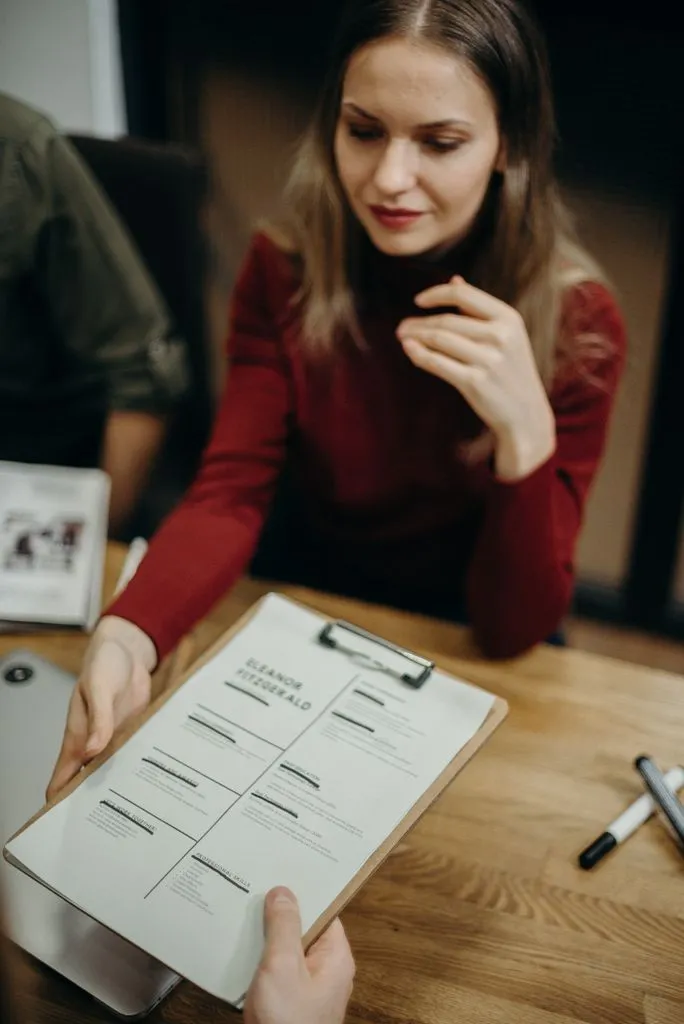
You do not need a paid job to write a good first resume. A clear high school student resume template helps you turn school projects, sports, clubs, volunteer work, family responsibilities, and part-time help for neighbours into proof that you are reliable, organised, and ready to learn. This guide gives you that template, explains what to put in every section, and shows you how to fill it in step by step, even if you have never worked for an employer before.
Many students delay applying because they think they have nothing to write. That is rarely true. If you have attended classes, completed group projects, helped at home, joined a team, volunteered in your community, cared for younger children, or learned a skill outside school, you already have material. The challenge is not finding experience. The challenge is presenting it in a simple format that a busy manager, internship coordinator, or college admissions tutor can scan in less than a minute.
Use this high school student resume template as a starting point, not as a rigid design you must copy exactly. Keep the order, headings, and clean layout. Change the details so the final document sounds like you and matches the opportunity you want.
Table of Contents
Quick Answer
A high school student resume template is a one-page layout for a first resume. It usually includes your name and contact details, a short summary or objective, your education, experience from jobs, volunteering, clubs, sports, and projects, a skills section, and awards or achievements. Keep it to one page, use clear headings, start bullet points with action verbs, add numbers where they are honest and accurate, and tailor the resume for each application. If you have no paid work, lead with education, relevant coursework, activities, and community experience instead of leaving the experience section empty.
Who Needs a High School Student Resume?
You may need a resume earlier than you expect. Common reasons include:
- Applying for a first part-time, weekend, or summer job
- Applying for an internship, apprenticeship, or work experience placement
- Applying for a volunteer role that receives many applications
- Applying for college, a scholarship, or a special programme
- Joining a school leadership, mentoring, or enrichment programme
- Keeping a record of achievements to share with a teacher who is writing a recommendation for you
A resume does not replace an application form when a form is required. Instead, it helps you prepare your answers, organise your achievements, and give the reader a clear summary in one place. Some employers will ask you to upload it. Others will be glad to receive it with a short cover letter or email, even when they did not require it.
What Makes a Good First Resume?
A good student resume is honest, specific, relevant, and easy to read. It does not try to sound like an adult executive resume. It does not copy phrases you cannot explain in an interview. It shows what you have done, what you learned, and how you contributed.
Keep these principles in mind:
Relevance comes first. Put the most relevant material near the top. For a retail job, customer service, teamwork, cash handling, and reliability matter. For a technology internship, coding projects, maths coursework, and problem solving matter more.
Evidence beats claims. Writing “I am a hard worker” is weak. Writing “Volunteered every Saturday for six months at a community food bank” is evidence of commitment.
Simple formatting wins. Use one readable font, consistent spacing, and standard headings. Avoid photos, colourful graphics, tables, and text boxes. They distract readers and can confuse applicant tracking systems.
One page is enough. Almost every high school student resume template should fit on one page. If your draft runs long, remove older, less relevant, or repeated points before you shrink the font.
If you want the broader method behind these rules, read our guide on how to write a resume after you finish this template. It explains formats, bullet points, and tailoring in more depth.
The High School Student Resume Template
Copy the structure below into a document and replace every bracketed instruction with your own information. Do not leave brackets, placeholder names, or sample achievements in the version you send.

[YOUR FULL NAME]
[City, State or Region] | [Phone Number] | [Professional Email Address]
[LinkedIn, portfolio, or project link — only if relevant and appropriate]
SUMMARY
[Two or three sentences about your school year, strengths, experience, and the type of job, internship, or programme you are seeking.]
EDUCATION
[Name of High School], [City, State or Region]
Expected graduation: [Month Year]
GPA: [Include only if strong and relevant, or if the employer asks]
Relevant coursework: [Subject], [Subject], [Subject]
Honours and awards: [Award or achievement, if applicable]
EXPERIENCE
[Job Title, Volunteer Role, or Activity Role] — [Organisation Name]
[City, State or Region] | [Start Date] – [End Date or Present]
- [Action verb + task + result, detail, or number]
- [Action verb + task + result, detail, or number]
- [Action verb + task + result, detail, or number]
[Second Role] — [Organisation Name]
[City, State or Region] | [Start Date] – [End Date or Present]
- [Action verb + task + result, detail, or number]
- [Action verb + task + result, detail, or number]
ACTIVITIES AND LEADERSHIP
[Club, Team, or Society] — [Your Role, if any]
- [What you did, what you organised, or what you achieved]
SKILLS
Technical skills: [Software, tools, languages, or practical skills]
Languages: [Language and honest level]
Other skills: [First aid, food hygiene, safeguarding training, or certificates]
AWARDS AND ACHIEVEMENTS
- [Award, certificate, competition result, or recognition] — [Year]
- [Award, certificate, competition result, or recognition] — [Year]
REFERENCES
Available on request.
This high school student resume template works for jobs, internships, volunteering, and college-related applications. For a college application, you may expand the education, activities, and awards sections. For a job, you may place your most relevant experience above activities and keep the summary tightly focused on that role.
Step-by-Step: How to Fill In Each Section
Step 1: Add Your Contact Information
Write your full name in the largest text at the top. Below it, add your city and region, phone number, and a professional email address. An email based on your name is best. Avoid nicknames, jokes, or numbers that make the address hard to understand.
Do not include your full home address, date of birth, national identification number, or a photo unless a specific local application clearly requires it. In the United States and most of Europe, a first resume normally does not need those details.
Add a LinkedIn profile, portfolio, GitHub page, or school project link only if it is complete, appropriate, and relevant. An empty or personal social media profile does not help your application.
Step 2: Write a Short Summary or Objective
A summary for a student should be two or three sentences. It should answer three questions: Who are you as a student? What strengths or experience do you offer? What are you applying for?
Weak example: I am a student looking for any job. I am friendly and hardworking and I need work experience.
Stronger example: Responsible Year 11 student with six months of Saturday volunteer experience at a community library. Known for punctuality, careful shelving, and helping younger students find books. Seeking a part-time library assistant role where I can use my customer service and organisation skills.
Notice that the stronger version gives evidence. It names a setting, a length of time, and specific tasks. It also names the target role. Rewrite this section for each serious application instead of using one generic paragraph for everything.
If you prefer an objective heading, keep the same approach. Do not write a long personal story, and do not repeat your entire resume in this section.
Step 3: Put Education Near the Top
For most high school students, education is one of your strongest sections, so place it high on the page. Include:
- Your school name and location
- Your expected graduation month and year
- Your grade level, if helpful
- Your GPA only if it is strong, recent, and relevant
- Relevant coursework linked to the opportunity
- Academic honours, awards, or special programmes
Relevant coursework is especially useful when you have little work experience. For example, food and nutrition coursework supports a cafe application. Computer science, design, or business coursework supports an office or technology placement. Child development coursework supports babysitting or tutoring work, although you should never claim a qualification you have not completed.
Do not list every subject. Choose the subjects that connect to the role, show a useful skill, or reflect a strong result.
Step 4: Build Experience From More Than Paid Jobs
Experience on a high school student resume template means any setting where you had responsibilities, followed a schedule, worked with others, or produced a result. It can include:
- Part-time, summer, or casual paid work
- Volunteering and community service
- Internships and work experience placements
- School clubs and student leadership
- Sports teams
- Babysitting, tutoring, pet care, lawn care, or regular help for neighbours and family, when presented honestly
- School, personal, or community projects
- Family business help, if your duties were real and regular
For each item, give your role, the organisation or setting, the location, and the dates. Then write two to four bullet points. Start each bullet with a strong action verb such as assisted, organised, created, taught, served, cleaned, stocked, designed, wrote, led, coached, raised, built, or supported.
Add numbers only when you know they are accurate. Numbers can include hours per week, team size, number of customers helped, money raised, events supported, social media posts created, or items organised. Never invent sales figures, grades, hours, or awards to make a bullet sound stronger.
If this section feels empty, our guide to building a resume with no experience will help you identify projects, coursework, and unpaid responsibilities you may have overlooked.
Step 5: Add Activities and Leadership
Activities show interests, commitment, and teamwork outside the classroom. Include clubs, sports, music, drama, coding groups, debate, scouting, faith or community groups, and school societies when they add something useful.
Do not simply list names. Add your role and a short result where possible:
- Robotics Club, Member — Built and tested a line-following robot with a team of four for a regional school competition.
- Junior Football Team, Player — Attended training twice a week and helped set up equipment before home matches.
- School Choir, Member — Performed at three school concerts and a community care home visit.
Leadership does not have to mean president or captain. Mentoring a younger student, organising a rota, training a new volunteer, running a social media page, or leading one part of a group project all count when you describe them accurately.
Step 6: List Real, Relevant Skills
Divide skills into clear groups if that helps the reader. You might use technical skills, languages, and practical certificates.
Examples of technical skills include Microsoft Word, Excel, PowerPoint, Google Docs, Google Sheets, Canva, basic photo editing, typing, coding in Python or HTML, social media scheduling, and point-of-sale systems. Only list software or tools you can actually use at the level you claim.
Language skills should include an honest level, such as native, fluent, intermediate, or basic conversational. Do not claim fluency if you can only use a few phrases.
Soft skills such as communication, teamwork, and time management are better shown through examples in your experience bullets than listed alone. If you include them, connect them to evidence elsewhere on the page.
You can research what different jobs involve through the U.S. Bureau of Labor Statistics Occupational Outlook Handbook. Reading real role descriptions helps you choose honest, relevant skills and coursework instead of copying keywords you do not understand.
Step 7: Include Awards and Achievements Selectively
Include awards that show effort, skill, service, or achievement. Examples include academic honours, attendance or citizenship awards, sports awards, music examinations, coding or maths competition results, first aid certificates, and community service recognition.
Give the name of the award and the year. Remove very old primary school awards unless they are directly relevant or unusually significant. Quality matters more than quantity. Three meaningful achievements are stronger than a long list of minor participation certificates.
Step 8: End With References
For most first applications, write “References available on request.” Do not list teachers’ or employers’ private phone numbers or email addresses on a resume you will upload or send widely.
Before you name anyone as a reference in an application form, ask that person first. Choose teachers, coaches, volunteer supervisors, or employers who know your work and can speak positively and specifically about you. Tell them what you are applying for and share your resume so they are prepared.
A Complete Example Using the Template
The following fictional example shows how the high school student resume template looks when filled in. Do not copy the person’s details or achievements. Use the structure and level of detail as your model.
MAYA JOHNSON
Austin, Texas | 512-555-0147 | maya.johnson@email.com
SUMMARY
Motivated high school junior with volunteer experience in a busy community library and regular babysitting work for two local families. Careful, punctual, and comfortable helping children and visitors. Seeking a part-time weekend job in retail or customer service.
EDUCATION
Westview High School, Austin, Texas
Expected graduation: May 2027
Relevant coursework: Business Principles, Spanish, Computer Applications
Honours: Honor Roll, Fall 2025 and Spring 2026
EXPERIENCE
Volunteer Assistant — Austin Community Library
Austin, Texas | June 2025 – Present
- Shelve and organise returned books for two hours every Saturday
- Help primary school children choose age-appropriate reading books
- Assist staff with displays for school holiday reading activities
Babysitter — Local Families
Austin, Texas | September 2024 – Present
- Care for children aged 4 to 9 for two families on a regular basis
- Prepare simple snacks, supervise homework, and follow parents' routines
- Communicate arrival, activity, and pickup updates clearly to parents
ACTIVITIES AND LEADERSHIP
Student Council, Class Representative
- Collect student feedback and present suggestions at monthly meetings
- Helped organise a school charity collection supported by 12 classes
SKILLS
Technical: Microsoft Word, Google Docs, Google Sheets, Canva
Languages: English (native), Spanish (intermediate)
Certificates: Basic First Aid
AWARDS AND ACHIEVEMENTS
- Community Service Award, Westview High School — 2026
- Honor Roll — 2025, 2026
REFERENCES
Available on request.
Notice what this example does well. It fits a clear structure, gives dates, uses active language, and does not claim paid employment the student does not have. The babysitting is presented honestly as local family work, not disguised as a company job. The skills match the experience, and the summary points toward customer-facing work.
How to Tailor the Template for Different Goals
For a First Retail or Food Service Job
Lead with any experience involving customers, teamwork, money, food safety, cleaning, stock, or busy environments. Even school events and volunteering can demonstrate those abilities. Highlight punctuality, a food hygiene certificate if you have one, and comfort speaking with the public. Remove unrelated technical detail if space is tight.
For an Internship or Work Experience Placement
Place relevant coursework and projects close to the top. Name the tools, subjects, and problems involved. A short project section can be more persuasive than general activities. For example, a design student might describe a poster project, the software used, feedback received, and the final result.
For College or Scholarship Applications
Give more space to education, advanced coursework, leadership, service, and awards. Keep the tone factual rather than sales-focused. Check whether the institution wants a resume, an activities list, or its own form, and follow its word or page limit exactly. A job-style summary may be shortened or removed if the institution provides a different structure.
For Volunteering
Focus on commitment, relevant interests, reliability, and any training you have completed. Explain why your experience fits that cause or setting, but keep the resume factual. Your motivation belongs mainly in a covering email or application answer, not in long paragraphs on the resume.
Action Verbs That Work for Students
Strong verbs make ordinary duties clearer. Choose verbs that accurately describe what you did:
- Helping and service: assisted, served, greeted, guided, supported, answered, resolved
- Organising: arranged, scheduled, prepared, stocked, sorted, recorded, planned
- Creating: designed, wrote, edited, built, produced, photographed, posted
- Teaching and leading: taught, coached, mentored, trained, led, presented, demonstrated
- Team and community work: volunteered, raised, collected, campaigned, participated, collaborated
Avoid repeating the same verb in every bullet. More importantly, avoid a strong verb if it exaggerates your role. If you helped organise an event, write “helped organise.” If you only attended, do not claim that you led it.
Common Mistakes to Avoid
Making the Resume Longer Than One Page
Employers do not expect a long history from a high school student. A focused one-page document looks more professional than two pages filled with repetition and minor details.
Using a Personal or Unprofessional Email Address
Create a simple email address for applications and check it regularly. Also make sure your voicemail greeting is polite and clear if employers may call you.
Copying a Template Without Changing It
Sample achievements, fake job titles, and generic skills are easy to spot. They also create problems in interviews when you cannot explain what you wrote. Use the high school student resume template for structure, then write every line from your own experience.
Listing Duties Without Results or Detail
“Helped at a shop” tells the reader very little. “Helped stock shelves, check deliveries, and serve customers during Saturday shifts” is clearer. Add a number, timeframe, or outcome when you have a true one.
Including Irrelevant Personal Information
Do not include a photo, full home address, identification number, or detailed personal information unless a trusted local process specifically requires it. Never pay an unknown website to “review” or submit your resume without checking the service carefully with a parent, guardian, teacher, or careers adviser.
Sending the Same Resume Everywhere
A resume for babysitting should not look identical to one for a technology internship. Reorder sections, change the summary, and select different coursework and examples for each target.
Making Spelling and Formatting Errors
Spelling mistakes suggest carelessness, especially when you claim attention to detail. Read the document aloud, use a spell checker, check names and dates, and ask a teacher, family member, or careers adviser to review it. Print it once if you can. Errors and alignment problems are often easier to see on paper.
Final Checklist Before You Send It
Use this checklist every time you adapt your high school student resume template:
- My name, phone number, city, and professional email are correct.
- The summary names the kind of role or programme I want.
- My school, expected graduation date, and relevant coursework are included.
- Every role has a title, organisation or setting, location, and dates.
- Bullet points start with action verbs and describe real duties or results.
- I have not invented hours, grades, awards, skills, or numbers.
- Skills and languages are listed at honest levels.
- The resume fits on one page with clear headings and consistent spacing.
- There are no photos, tables, text boxes, or decorative graphics.
- Spelling, punctuation, capitalisation, and dates have been checked.
- The file is saved with a clear name, such as Firstname-Lastname-Resume.pdf.
- I have tailored the summary, coursework, and top bullets for this application.
- Anyone I plan to use as a reference has agreed and has seen my resume.
Save an editable copy as well as a PDF. Send the PDF unless the employer asks for another format, because a PDF usually preserves your layout across devices.
FAQ
How long should a high school student resume be?
One page is the right length for almost every high school student. Use the space to highlight education, relevant experience, activities, skills, and a small number of meaningful achievements. If you cannot fit everything, remove the least relevant items rather than using tiny text or narrow margins.
What if I have no work experience at all?
Start with education, relevant coursework, school projects, volunteering, clubs, sports, and regular responsibilities at home or in your community. A resume with no experience can still show reliability and skills if each entry includes duties and detail. Babysitting, tutoring, helping a family business, organising an event, and creating a personal project can all be valid experience when described honestly.
Should I include my GPA on my resume?
Include your GPA if it is strong, current, and likely to support your application, or if the employer or programme asks for it. If it is not a strength, leave it out and lead with relevant coursework, projects, experience, and achievements instead. Never round it up or report a figure you cannot support.
Can I use this template for college applications?
Yes, with small changes. When you use this high school student resume template for a college application, expand education, coursework, leadership, service, and awards, and follow any format or length instructions from the college or scholarship provider. Some institutions prefer their own activities list or application form, so the resume should support that process rather than replace required forms.
Should I include references on the resume?
Usually, write “References available on request” and keep the page focused on your own qualifications. Provide full reference details only when an application asks for them, and always ask teachers, coaches, or supervisors for permission before sharing their contact information.
Conclusion
A strong first resume does not depend on years of paid employment. It depends on clear structure, honest evidence, and relevance to the opportunity in front of you. Start with this high school student resume template, place education and your strongest experience near the top, write specific bullet points, and keep the finished document to one clean page.
Build a master copy that records all your achievements, then tailor a shorter version for each job, internship, volunteer role, or programme. Update it whenever you finish a project, gain a certificate, join a team, or complete a placement. Over time, those small updates will turn a first student resume into a reliable record of your progress and a much stronger application for the next step.