How to Become a Forensic Scientist: Degree & Career Guide
Learning how to become a forensic scientist is the right first step if you are fascinated by science, good at careful detail, and want work that genuinely helps the justice system. Forensic scientists analyse evidence in a crime laboratory: DNA from a swab, drugs seized by police, blood and other body fluids, fibres and glass from a crime scene, or chemicals in a toxicology sample. Their results help investigators find the truth, help lawyers argue a case, and help courts reach fair decisions. It is serious, precise work, and it is very different from the fast, glamorous version you see on television.
The real job is mostly laboratory work. A forensic scientist spends the day at a bench, following strict procedures, running tests on instruments, recording every result, and checking the work of colleagues. Accuracy matters more than speed, because a result you produce may be read out in court and challenged by a defence lawyer. That is why the path into this career is built on a strong science degree, months of supervised laboratory training, and, for many people, a professional certification later on. This guide walks through every step in order: choosing the right degree, picking a specialism, gaining laboratory experience, passing the background checks crime labs require, completing your training, and getting hired.
Table of Contents
Quick Answer
To become a forensic scientist, earn a bachelor’s degree in forensic science, chemistry, biology, or another natural science — ideally from a programme accredited by FEPAC, the Forensic Science Education Programs Accreditation Commission. During your degree, take plenty of chemistry and biology, plus statistics, and choose coursework that matches your planned specialism: DNA analysts need biochemistry, genetics, molecular biology, and statistics, while drug analysts need strong general, organic, and analytical chemistry. Gain laboratory experience through university labs, an internship, or a placement in a working crime lab. Then apply to a crime laboratory — usually a state, regional, or federal government lab, or a private laboratory — pass the background check and drug screening, and complete months of supervised on-the-job training and competency tests before you work cases on your own.
Voluntary certification from the American Board of Criminalistics (ABC) can help you advance later, and toxicologists can aim for certification from the American Board of Forensic Toxicology (ABFT). From starting your degree to working cases independently usually takes about four to six years. Always check the current requirements, fees, and salary figures on the official websites of the U.S. Bureau of Labor Statistics, the American Academy of Forensic Sciences, and the ABC before you make decisions, because these details change.
What Does a Forensic Scientist Do?
A forensic scientist, also called a criminalist or forensic analyst, examines physical evidence and reports what the science shows. The work depends on the specialism, but the core pattern is the same: receive
evidence, document it, test it using validated methods, record the results, write a clear report, and, when needed, explain the findings in court as an expert witness.
A DNA analyst extracts DNA from blood, saliva, hair, or other biological material, copies and profiles it, and compares it with samples from suspects or a DNA database. A drug analyst, sometimes called a seized-drug analyst, identifies unknown powders, pills, and liquids using chemical tests and instruments. A forensic toxicologist tests blood and urine for alcohol, drugs, and poisons, often in drink-driving cases or after an unexplained death. A trace evidence analyst examines tiny materials — fibres, hairs, glass fragments, paint chips, soil — and compares them with samples from a suspect or a scene. Other specialisms include firearms and toolmark examination, fingerprint analysis, fire debris analysis, and digital forensics, where the evidence is on phones and computers rather than in a test tube.
Most forensic scientists work in government crime laboratories run by a state, a county, a city, or a federal agency. Some work for private laboratories, universities, or medical examiner offices. The hours are usually regular, though some labs run evening or weekend shifts and some roles involve being on call. The work is mostly indoors, in a laboratory, wearing protective equipment and following safety rules for chemicals and biological samples. It suits people who are patient, organised, honest, and comfortable with routine: the same test may need to be repeated many times, and every step must be written down, because a missing record can weaken a case in court.
Forensic Scientist vs Crime Scene Investigator
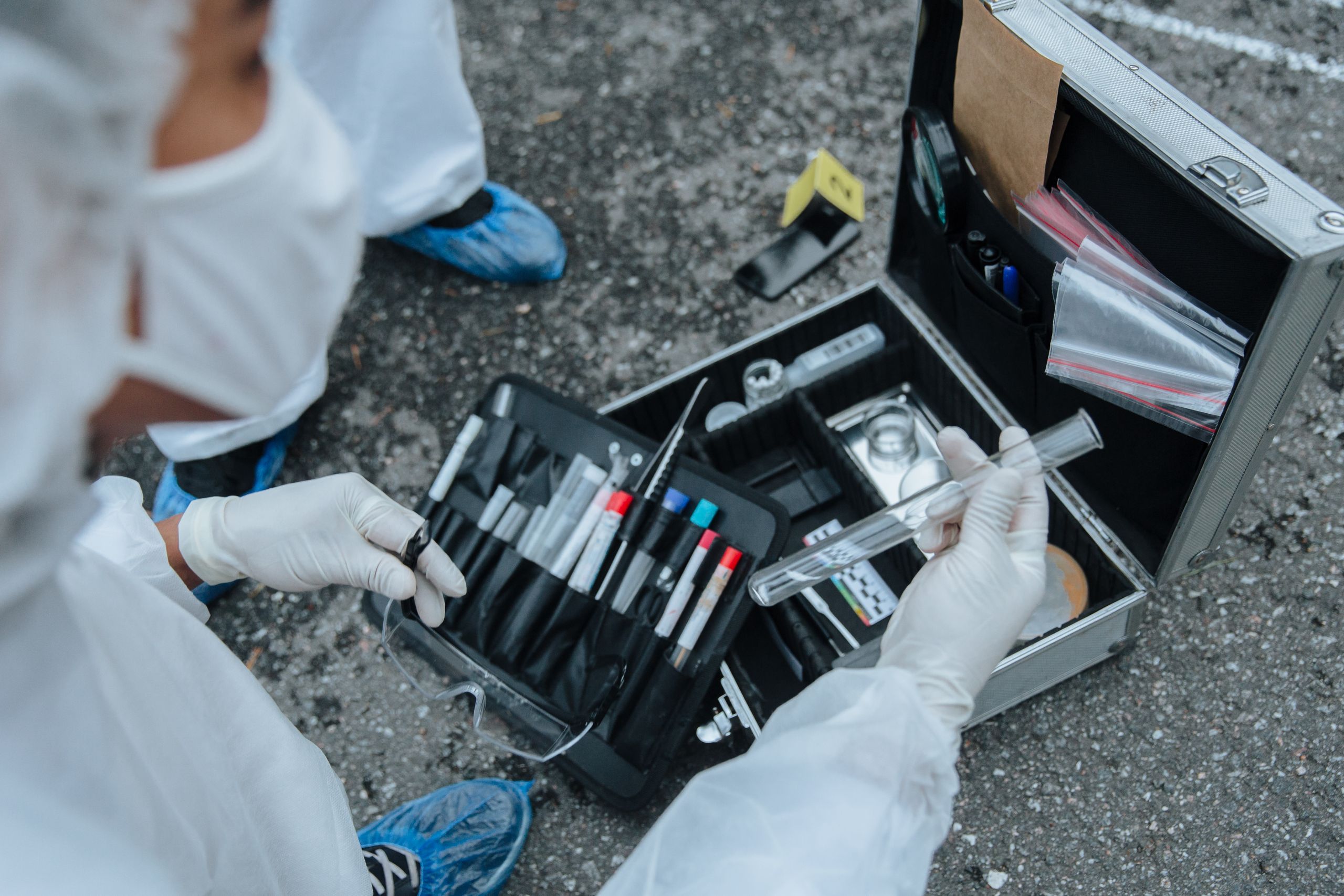
These two jobs are often confused, so it is worth separating them early. A crime scene investigator, sometimes called a crime scene technician, goes to the scene, photographs it, sketches it, and collects and packages evidence. A forensic scientist usually stays in the laboratory and analyses the evidence the investigator collected. In some smaller police departments, one person does both jobs, and in some departments crime scene investigators are sworn police officers who first completed police academy training. But in most large crime laboratories, the forensic scientist is a laboratory scientist, not a scene responder. If you love laboratory science, aim for the forensic scientist route. If you want to work outdoors at scenes, look into crime scene investigation or policing instead, and spend time on choosing a career path to make sure you pick the version of the job that actually matches what you enjoy.
Is Forensic Science a Good Career?
Forensic science has real strengths. The work is meaningful: your results can free an innocent person or help convict someone guilty. The U.S. Bureau of Labor Statistics (BLS) describes employment of forensic science technicians as growing much faster than average — check the BLS Occupational Outlook Handbook page for the current projection and the current median wage, because both figures are updated regularly. The work is stable, because most jobs are in government laboratories, and it offers a clear ladder: from trainee analyst to analyst, senior analyst, supervisor, and laboratory manager.
It also has honest downsides. Jobs in crime labs are competitive, and there are far fewer openings each year than there are graduates, so a degree alone does not guarantee a job. The work can be emotionally heavy: evidence comes from violent crimes, accidents, and deaths, including cases involving children. The pay, while respectable, is lower than in some other science careers such as pharmaceuticals, and the laboratory routine — repeating validated methods, writing reports, and defending results in court — is slower and more repetitive than television suggests. Weigh both sides carefully if you are deciding how to become a forensic scientist, before you commit four years to a degree.
Step 1: Choose the Right Degree
A bachelor’s degree is the minimum requirement for almost every forensic scientist job. The BLS states that forensic science technicians typically need at least a bachelor’s degree in a natural science, such as chemistry or biology, or in forensic science, followed by on-the-job training. There are three main degree routes, and each has strengths.
A Degree in Forensic Science
A Bachelor of Science in forensic science is the most direct route. It combines core science with forensic subjects such as evidence handling, laboratory techniques, and the legal system, and it often includes an internship or placement. The strongest choice is a programme accredited by FEPAC, the Forensic Science Education Programs Accreditation Commission, which is run by the American Academy of Forensic Sciences (AAFS) and sets quality standards for undergraduate and graduate forensic science programmes. The AAFS publishes a list of FEPAC-accredited programmes on its website at aafs.org, and you should check that list before you apply, because accreditation status can change.
A forensic science degree has one risk to understand: it is a specialised degree, so if you later decide against forensic work, it is narrower than a chemistry or biology degree. That is not a reason to avoid it, but it is a reason to be sure about your goal before you commit.
A Degree in Chemistry or Biology
A Bachelor of Science in chemistry, biochemistry, or biology is also widely accepted by crime labs, and many hiring managers prefer it, because it gives you a deeper grounding in the core science. Chemistry is the best foundation for drug analysis and toxicology, while biology and biochemistry are the best foundations for DNA analysis. A general science degree also keeps more doors open if you later move into another science career.
Whichever science degree you choose, make sure your coursework covers the subjects your target specialism requires. Your modules should include general chemistry, organic chemistry, analytical chemistry, general biology, genetics, biochemistry, physics, calculus, and statistics. Statistics matters more than most students expect: DNA interpretation, quality control, and the way results are reported in court all depend on it.
A Master’s Degree in Forensic Science
A master’s degree is not required for most entry-level jobs, but it can help in two situations: if your first degree is in a general science and you want a forensic qualification, or if you want to specialise in an area such as forensic DNA or toxicology. Many people who hold a bachelor’s degree in chemistry or biology take a master’s in forensic science to add the forensic subjects and laboratory practice. A master’s usually takes one and a half to two years. It is an extra cost, so weigh it against the alternative of applying for trainee jobs with your bachelor’s degree and learning the specialism through paid on-the-job training instead.
What About an Associate Degree?
An associate degree may be enough for some laboratory assistant or technician support roles, but it is not usually enough for a forensic scientist position. If you start with an associate degree, plan to transfer into a bachelor’s programme. The support roles can still be a useful way into a laboratory: working as a lab assistant or evidence technician gets you inside the building, teaches you the routines, and gives you contacts for when a scientist vacancy opens.
Step 2: Pick Your Specialism Early
Forensic science is not one job — it is a set of specialisms, and each one has its own coursework, instruments, and certification route. Picking a direction during your degree lets you choose the right modules and the right internship. The main laboratory specialisms are:
Forensic DNA and Biology
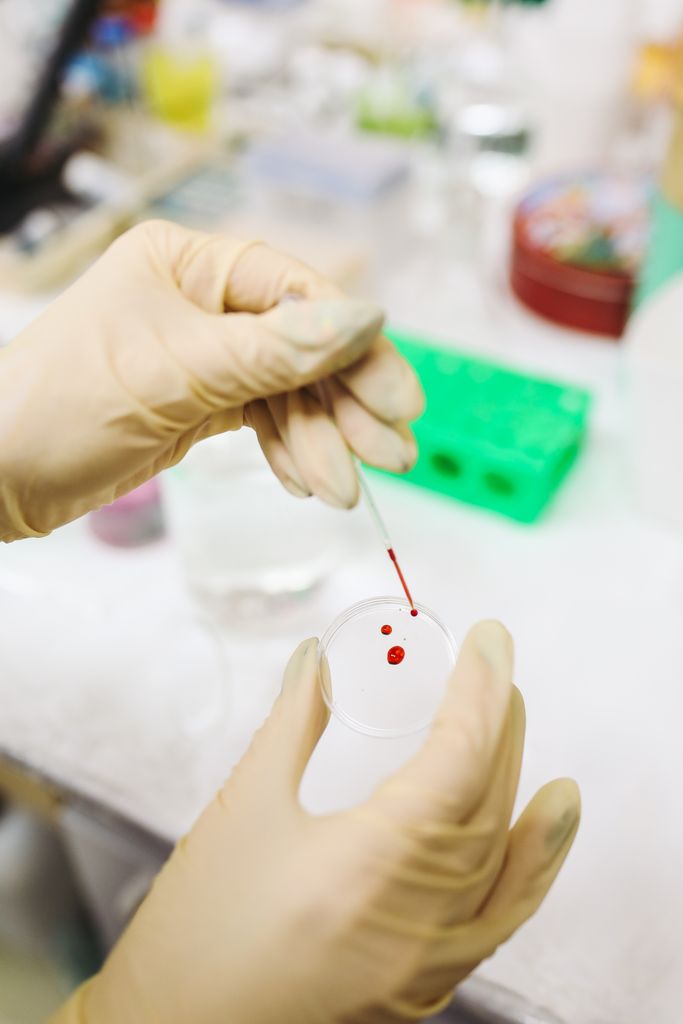
DNA analysts work with biological evidence: blood, semen, saliva, skin cells, hair roots, and bones. They extract DNA, amplify it, produce a profile, and compare it with known samples or a database. This is the specialism most people picture when they think of forensic science, and it is also the most tightly regulated. Laboratories that follow the FBI Quality Assurance Standards require DNA analysts to have coursework covering biochemistry, genetics, molecular biology, and statistics or population genetics. If you want this route, those four subjects are not optional — plan your degree around them. The work demands extreme care against contamination, because a single stray DNA molecule can ruin a sample.
Forensic Toxicology
Toxicologists test blood, urine, and tissue for alcohol, prescription drugs, illegal drugs, and poisons. Their results matter in drink-driving cases, drug overdoses, workplace testing, and deaths where poisoning is suspected. A toxicology career needs strong chemistry, especially analytical chemistry, and an understanding of how the body processes drugs. The professional body for this specialism is the American Board of Forensic Toxicology (ABFT), which certifies toxicologists at analyst, diplomate, and fellow levels. Toxicologists also need patience with paperwork: every result must be traceable from the sample to the report, and they are regularly called to court to explain what a drug level does and does not prove.
Seized Drug Analysis
Drug analysts identify unknown substances seized by police — powders, tablets, liquids, and plant material. They use colour tests, microscopy, and instruments such as gas chromatography-mass spectrometry (GC/MS) and liquid chromatography-mass spectrometry (LC/MS) to confirm what a substance is. This specialism needs strong general, organic, and analytical chemistry. It is one of the busiest sections in many crime labs, because drug cases are common, so it often has more vacancies than other specialisms. The American Board of Criminalistics offers a Seized Drug Analysis certification exam for analysts in this area.
Trace Evidence
Trace evidence analysts examine the small things left behind at a scene: fibres from clothing, hairs, glass fragments, paint chips, soil, and gunshot residue. They compare a fibre found on a victim with fibres from a suspect’s clothing, or glass from a broken window with glass in a suspect’s pocket. The work uses microscopes, spectroscopy, and careful comparison, and it needs a broad science background rather than one narrow subject. It is a smaller field with fewer jobs, but it is fascinating work for people who enjoy detailed comparison and microscopy.
Other Specialisms
Firearms examiners compare bullets and cartridge cases to test whether they came from the same gun, and examine tool marks left by crowbars, screwdrivers, and other tools. Fingerprint analysts compare latent prints lifted from a scene with known prints. Fire debris analysts look for traces of accelerants in the remains of a fire. Digital forensic analysts recover deleted files and examine phones and computers. Each of these has its own training route and its own certification bodies, so if one of these appeals to you, research its specific requirements separately rather than assuming the general forensic science path covers it.
Step 3: Learn the Laboratory Techniques Employers Expect
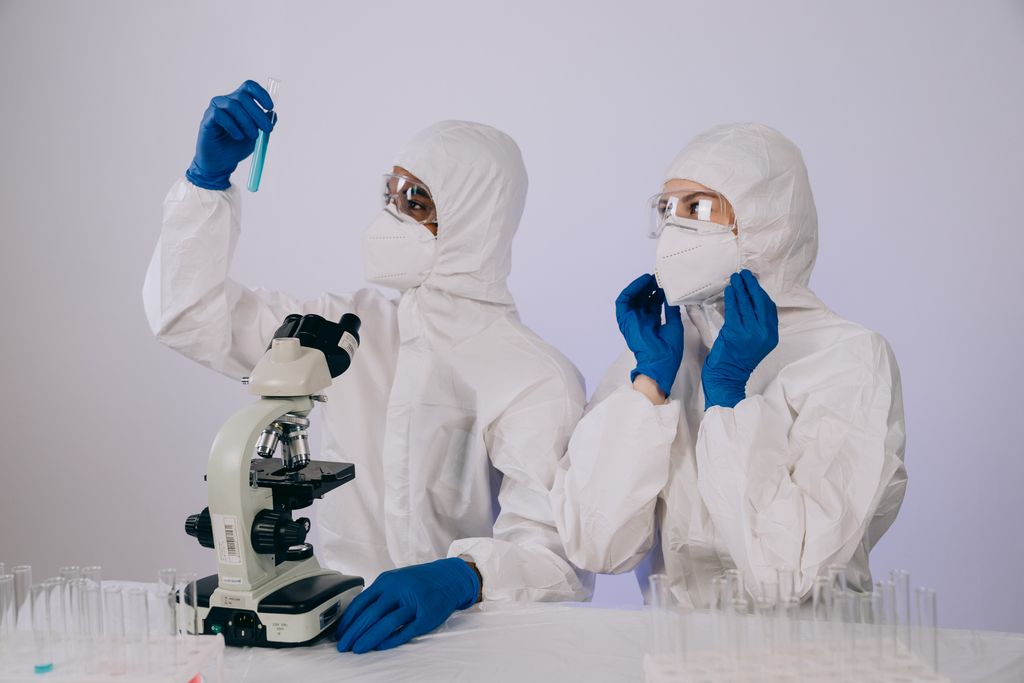
A degree gives you the theory, but employers also want hands-on laboratory skills. During your degree, build practical competence in the techniques crime labs actually use. The most important are chromatography and mass spectrometry, especially GC/MS and LC/MS, which identify drugs and chemicals; spectroscopy, including infrared (FTIR) and ultraviolet-visible (UV-Vis) methods, which identify materials by how they absorb light; microscopy, from a basic comparison microscope to more advanced instruments; and electrophoresis, the technique used to separate DNA fragments and produce a profile. You should also be comfortable with pipetting, preparing solutions, calibrating instruments, and keeping a proper laboratory notebook.
Treat your laboratory notebook as training for the real job. In a crime lab, every step must be recorded clearly enough that another scientist could repeat your work and a lawyer could follow it. Sloppy notes are not a small problem in this career — they can make evidence unusable in court. Practice writing up experiments completely, with dates, methods, results, and any problems you noticed. Also learn basic quality control: running known samples alongside unknowns, checking that instruments are calibrated, and recognising when a result looks wrong and needs to be repeated. These habits are exactly what a hiring manager looks for in a trainee.
Step 4: Get Laboratory Experience Before You Graduate
Experience is what separates the graduates who get hired from those who do not, because crime labs receive many applications for every vacancy. Start building it while you are still studying.
First, take every laboratory module your degree offers, and volunteer for extra laboratory time where you can. Second, apply for an internship or placement in a working crime laboratory, a hospital laboratory, a university research laboratory, or a private forensic laboratory. Many crime labs offer internships, though places are limited and often unpaid, so apply early and apply widely. A hospital or university laboratory is also valuable experience: the techniques overlap, and it shows an employer that you can work safely and accurately in a real laboratory. Third, consider a part-time job or summer job as a laboratory assistant, evidence technician, or research assistant. Even work that is not forensic — preparing samples, logging evidence, or helping with quality control — teaches you the routines of a working laboratory.
Also build experience that is not in a laboratory. Join your university’s forensic science society, attend conferences and talks run by the AAFS or a local forensic science association, and read the Journal of Forensic Sciences, the peer-reviewed journal published by the AAFS. These activities show genuine interest, and they put you in contact with working forensic scientists who may later tell you about vacancies. How to get a job with no experience has practical advice on turning a first internship or volunteer role into a paid job, which is exactly the problem most forensic science graduates face.
Step 5: Apply to Crime Laboratories and Pass the Checks
Most forensic scientist jobs are advertised by government employers: state crime laboratories, county or city police department laboratories, state bureaus of investigation, and federal agencies. Private laboratories and medical examiner offices advertise too. Search government job portals, police department careers pages, and the AAFS jobs board regularly, because vacancies appear at any time and close quickly. Apply even if a vacancy is in a different specialism from the one you planned: many labs train new analysts in the section that needs staff, and you can move sections later.
Expect the application process to be slower and stricter than a normal job application. Crime labs run background checks, and most require drug screening. A criminal record, a history of drug use, or a poor credit record can disqualify you, because forensic scientists handle evidence in criminal cases and their credibility is tested in court. Be honest on every form: a problem you disclose may be judged fairly, but a problem discovered later will usually end your application. Some roles also require a polygraph test, a medical examination, and fingerprinting. The process can take months from application to start date, so apply early and keep applying elsewhere while you wait.
Your application should be built around evidence, not enthusiasm. Your CV should list your degree, your coursework in the subjects the vacancy asks for, your laboratory techniques, any internship or laboratory job, and any research project you completed. If the vacancy mentions a specific technique, such as GC/MS or DNA extraction, and you have used it, say so clearly and give a brief example. A short cover letter should explain why you want this particular laboratory and this specialism, in a few sentences, without claiming experience you do not have.
Step 6: Complete Your Training and Competency Tests
Getting hired is not the end of the training — it is the start of the most important part. New forensic scientists complete months of supervised on-the-job training before they are allowed to work cases on their own. The BLS notes that laboratory specialisms are usually learned on the job in less than a year, though in practice the full training period, including competency testing, can take longer depending on the specialism and the laboratory.
Training usually works in stages. First you study the laboratory’s procedures and quality manual, and you watch experienced analysts work. Then you practise on known samples and training cases, with your work checked at every step. Then you take competency tests: a set of samples where the correct answer is known to the laboratory but not to you, which you must analyse correctly. Only after you pass those tests are you authorised to work on real cases, and even then your early casework is reviewed by a senior scientist. You will also be trained in evidence handling, chain of custody, and courtroom testimony, because your results must survive legal challenge.
Take this training seriously, and do not rush it. Analysts who cut corners in training are the ones who make errors in casework. Ask questions, take notes, and volunteer for the difficult cases once you are ready, because that is how you build real competence. Most accredited laboratories also require annual proficiency testing — regular blind tests that check you are still performing to standard — and continuing education throughout your career.
Step 7: Earn Certification and Keep Learning
Certification is not usually required to get hired, but it is one of the best ways to advance once you are working. The main body is the American Board of Criminalistics (ABC), which offers certification exams including a Foundational Knowledge exam, Drug Analysis, Seized Drug Analysis, Forensic DNA, and Biological Evidence Screening. The ABC also offers a Forensic Science Assessment Test (FSAT) that students can sit before graduation as a benchmark of their knowledge. Check the ABC’s official website for the current exam list, eligibility rules, and fees, because these change — this guide does not quote fees, since they are updated regularly and vary by exam. Planning for certification is a useful step when you are learning how to become a forensic scientist.
Toxicologists should look at the American Board of Forensic Toxicology (ABFT), which certifies analysts, diplomates, and fellows in forensic toxicology, and typically requires several years of full-time experience for its higher levels. Other specialisms have their own boards, many of them recognised by the Forensic Specialties Accreditation Board (FSAB). Certification usually requires a bachelor’s degree, relevant work experience, and passing an examination, and it must be renewed after a few years with continuing education and a recertification fee.
Certification helps in three ways. It proves to your employer that your knowledge meets an independent standard, which supports promotion. It strengthens your credibility in court, because a lawyer can point to it when introducing you as an expert witness. And it shows that you take the profession seriously, which matters in a field where public trust is everything. Plan for it after your first year or two of casework, when you have the experience to meet the eligibility rules and the practical knowledge to pass the exam.
What Forensic Scientists Earn
Pay varies by employer, location, and specialism, and this guide does not quote a single figure as a promise, because salaries change every year and differ widely between states. Government crime laboratories usually pay on a published salary scale, so you can see the exact range for a vacancy before you apply.
The U.S. Bureau of Labor Statistics publishes the median annual wage for forensic science technicians, and it updates the figure regularly — check the BLS Occupational Outlook Handbook page for the current number, the current employment outlook, and the number of openings expected each year. Federal laboratories and laboratories in high-cost cities usually pay more, and senior analysts, supervisors, and laboratory managers earn more than entry-level analysts. When you compare offers, look at the whole package: government jobs often include a pension, health insurance, and paid training, which can matter as much as the salary itself.
Common Mistakes to Avoid
Believing the Television Version
The biggest mistake is choosing this career from television. Real forensic science is slower, more repetitive, and more careful than any crime drama. Tests take hours or days, not minutes, results are often inconclusive, and much of the day is paperwork. If you would be bored by careful, repetitive laboratory work, this is the wrong career, no matter how interesting the cases sound. Spend time in a real laboratory before you commit, through an internship or a visit, so you see the actual job.
Choosing a Degree Without Checking the Coursework
A degree with “forensic” in its title is not automatically the right degree. Some programmes are light on chemistry and biology, which leaves graduates unable to meet the coursework requirements for DNA or drug analysis jobs. Before you enrol, read the module list and check that it includes the chemistry, biology, genetics, and statistics your target specialism needs, and check whether the programme is FEPAC-accredited on the AAFS website.
Ignoring the Background Check
A criminal record, drug use, or dishonesty on an application form can end a forensic science career before it starts. Crime labs check your background thoroughly, because your evidence goes to court. Keep your record clean, be honest about your history, and think carefully about anything in your past that could affect your credibility as a witness.
Applying Only to One Laboratory
There are far more graduates than vacancies in popular cities, so applying to a single laboratory is a poor strategy. Apply to state, county, city, federal, and private laboratories, in more than one region, and keep applying while you wait. Many successful forensic scientists took a job in a less popular location or a different specialism first, then moved to their preferred laboratory later.
Expecting to Work Cases Immediately
New analysts sometimes expect to start on real cases in their first week. In reality, you will spend months training and passing competency tests first, and your early casework will be closely supervised. That is a good thing: it protects you, the laboratory, and the people whose cases you work on. Be patient, and use the training period to build the accuracy that will define your whole career.
Neglecting Courtroom Skills
A forensic scientist who cannot explain results clearly in court is only doing half the job. Your report and your testimony are the products the justice system actually uses. Practise writing clear reports, practise explaining science in plain language, and take any training your laboratory offers in courtroom testimony. A clear, calm, honest witness is far more convincing than a nervous expert who hides behind technical language.
Getting Started Checklist
- Decide which specialism interests you most: DNA, toxicology, drug analysis, trace evidence, or another area
- Check the coursework that specialism requires, especially the FBI Quality Assurance Standards subjects for DNA
- Choose a degree in forensic science, chemistry, or biology, and check FEPAC accreditation on the AAFS website
- Make sure your degree includes general, organic, and analytical chemistry, biology, genetics, biochemistry, physics, and statistics
- Practise key laboratory techniques: chromatography and mass spectrometry, spectroscopy, microscopy, and electrophoresis
- Keep a careful laboratory notebook and learn quality control habits early
- Apply for an internship or placement in a crime laboratory, hospital laboratory, or university research laboratory
- Join a forensic science society and attend talks and conferences where you can
- Search government job portals, police laboratory careers pages, and the AAFS jobs board regularly
- Prepare for a background check, drug screening, and possibly a polygraph test
- Apply widely, to more than one laboratory and more than one region
- Complete your on-the-job training and pass your competency tests before working cases alone
- Plan for ABC certification after your first year or two of casework, or ABFT certification if you specialise in toxicology
- Keep learning: take continuing education every year and stay current with new methods
Conclusion
Learning how to become a forensic scientist comes down to a clear sequence: earn a strong science degree, choose a specialism and take the coursework it requires, gain real laboratory experience, apply widely to crime laboratories, pass the background checks, and complete months of supervised training and competency tests before you work cases on your own. Certification from the American Board of Criminalistics, or the American Board of Forensic Toxicology for toxicologists, can then help you advance, and continuing education keeps your skills current for the whole of your career. That sequence is the clearest answer to how to become a forensic scientist, from degree to independent casework.
It is a demanding path, and it takes about four to six years from starting your degree to working cases independently. But for people who love science, care about accuracy, and want their work to matter in the justice system, it is a career worth the effort. Start with the degree, choose your specialism early, get into a real laboratory as soon as you can, and check every requirement and fee on the official sources named in this guide before you spend money. Your future cases — and the people behind them — will depend on the care you learn now.
FAQ
How long does it take to become a forensic scientist?
About four to six years from starting your degree to working cases independently. A bachelor’s degree takes about four years, and new analysts then complete months of supervised on-the-job training and competency tests in a crime laboratory before they are authorised to work cases on their own. A master’s degree adds one and a half to two years if you choose to take one.
What degree do you need to become a forensic scientist?
You need at least a bachelor’s degree in forensic science, chemistry, biology, or another natural science. A forensic science degree from a FEPAC-accredited programme is the most direct route, while a chemistry degree suits drug analysis and toxicology and a biology or biochemistry degree suits DNA analysis. DNA analysts must also have coursework in biochemistry, genetics, molecular biology, and statistics under the FBI Quality Assurance Standards.
Do forensic scientists need a licence or certification?
There is no single national licence for forensic scientists in most places, though some states license or accredit laboratories and analysts, so check your state’s rules. Certification is voluntary but valuable: the American Board of Criminalistics offers exams in areas such as forensic DNA, drug analysis, and biological evidence screening, and the American Board of Forensic Toxicology certifies toxicologists. Check the current eligibility rules and fees on the ABC and ABFT official websites before you apply.
Is forensic science a good career?
It can be, for the right person. The work is meaningful and stable, most jobs are in government laboratories, and the BLS projects employment growth much faster than average — check the BLS Occupational Outlook Handbook page for the current projection. But jobs are competitive, the work is repetitive and emotionally heavy at times, and the pay is lower than in some other science careers. Visit a real laboratory before you decide, so you judge the actual job rather than the television version.
How do I get a forensic science job with no experience?
Start with a strong science degree, then gain laboratory experience through an internship or placement in a crime lab, hospital lab, or university research lab, or through a laboratory assistant role. Apply widely to state, county, city, federal, and private laboratories, and be ready for a background check and drug screening. A first job in a different specialism or a less popular location is a normal way in — you can move sections or laboratories once you have experience and a good record.