How to Become a Carpenter: Apprenticeship, Training and Pay
Learning how to become a carpenter is one of the most practical career moves for someone who likes working with their hands, building things that last, and seeing a finished result at the end of the day. Carpenters build, repair, and install the wooden frameworks and structures that every home, office, shop, and bridge depends on — from the frame of a house and its roof to kitchen cabinets, staircases, doors, windows, and hardwood floors. It is a skilled trade that rewards accuracy, patience, and pride in good work, and it does not require a four-year university degree.
The route into carpentry is clearer than most people expect, and the apprenticeship is at the heart of it. Most carpenters learn the trade by working alongside experienced carpenters, combining paid on-the-job training with classroom learning, and many earn a recognised credential such as NCCER certification along the way. Some states and local areas also have licensing or registration rules, so the exact steps depend on where you plan to work. This guide walks through every step in order, including the apprenticeship route, trade school options, NCCER certification, the tools and safety training you need, how pay usually works, and the mistakes that slow new carpenters down.
Table of Contents
Quick Answer
To become a carpenter, first finish high school or an equivalent qualification, then get into the trade through a carpentry apprenticeship, a trade school programme, or a helper job with a contractor. An apprenticeship is the most common route: you work full time for pay under experienced carpenters while taking classroom lessons, and you build your skills over several years until you can work as a journeyman carpenter. Along the way, complete safety training, learn to read blueprints, build a basic tool kit, and consider NCCER certification to prove your skills to employers. Check your state and local rules early, because licensing and registration requirements vary — some places require a licence or registration to work independently, while others do not. Always verify current pay figures, training costs, and licensing rules on official sources such as the U.S. Bureau of Labor Statistics and your state licensing authority before you commit to a programme.
What Does a Carpenter Do?
A carpenter constructs, repairs, and installs building frameworks and structures made from wood and other materials. The work is far more varied than most people imagine. One week a carpenter might be framing the walls of a new house, and the next they might be fitting kitchen cabinets, building a staircase, installing drywall, or laying a hardwood floor. Some carpenters work on large commercial sites and highways; others work in people’s homes on renovations and repairs.
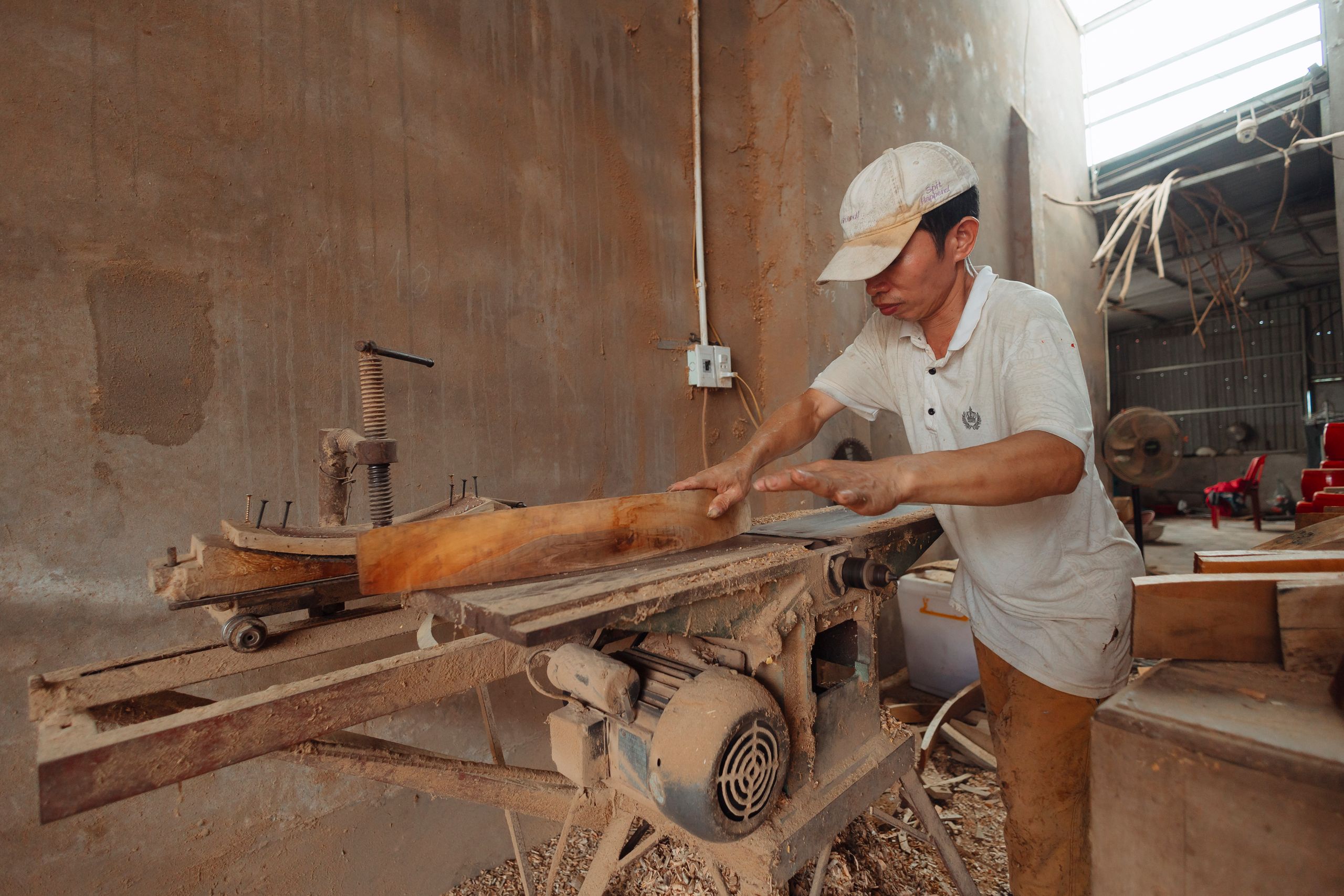
A typical day involves reading blueprints and building plans, measuring and marking materials, cutting and shaping wood with hand tools and power tools, joining pieces together, and checking that everything is level, square, and secure. Carpenters install structures and fixtures such as windows, doors, and moulding, and they often work with other trades — electricians, plumbers, and bricklayers — to keep a project moving. They also repair damaged woodwork, replace rotten framing, and maintain existing structures.
Most carpenters work full time, often outdoors and on construction sites, and the work is physical: lifting heavy materials, standing for long hours, climbing ladders and scaffolding, and working in all kinds of weather. Hours can be long when a project has a deadline, and some jobs involve early starts. It suits people who enjoy practical work, solving problems on the spot, and finishing each day with something visible to show for it.
Types of Carpentry
Not all carpenters do the same work, and choosing a direction early helps you focus your training:
- Rough carpenters build the structural frame of a building — walls, floors, roofs, and scaffolding. This is the biggest part of the trade and the usual starting point.
- Finish carpenters do the detailed work people see every day: trim, moulding, doors, windows, cabinets, and staircases. It demands a very high standard of accuracy.
- Cabinetmakers and joiners build and fit custom furniture, cabinets, and wooden fittings, often in a workshop rather than on a building site.
- Formwork carpenters build the wooden moulds that hold concrete in place for foundations, bridges, and large structures.
- Maintenance and repair carpenters fix and replace damaged woodwork in existing buildings, from rotten window frames to worn floors.
You do not need to choose a specialism on day one. Most apprentices start with general framing and basic finishing work, then discover which type of carpentry they enjoy most and specialise as they gain experience.
Is Carpentry a Good Career?
Carpentry suits people who want a skilled trade with real demand, the chance to earn while they learn, and a career that cannot easily be replaced by a machine or moved offshore. Buildings always need to be built, repaired, and renovated, so skilled carpenters are needed in almost every town and city. The work is varied, the skills are portable, and experienced carpenters can move into supervision, estimating, or running their own business.
It also has honest downsides to weigh before you commit. The work is physically demanding and carries a real risk of injury, which is why safety training is taken so seriously. Pay can be uneven when you are starting out, and work can slow down when construction slows, especially in winter or during an economic downturn. You may work outdoors in heat, cold, and rain, and overtime is common when a project is behind schedule. Before committing, spend time on choosing a career path and ask yourself whether you enjoy practical, physical work, can follow plans carefully, and are happy learning a skill over several years rather than in a few months.
Step 1: Finish High School and Build the Basics
A high school diploma or equivalent is the usual entry requirement for a carpentry apprenticeship and for most trade school programmes. If you are still at school, the subjects that help most are maths, English, and any workshop, design, or technical classes your school offers. Maths matters more than many beginners expect: carpenters measure, calculate angles, work out quantities of materials, and read plans all day, so being comfortable with numbers is a real advantage.
Practical skills you can build before you apply will also help you stand out. If your school has a woodwork or construction class, take it. If not, try simple projects at home — building a shelf, repairing a fence, or helping with a home renovation — and learn the names and safe use of basic tools such as a tape measure, saw, hammer, square, and level. A driving licence is also worth having, because many carpentry jobs are on sites that are hard to reach by public transport, and employers often expect you to get yourself and your tools to work.
Just as important are the personal qualities employers look for: reliability, punctuality, attention to detail, and a willingness to listen and learn. An apprentice who turns up on time, asks good questions, and takes care with measurements will be offered more responsibility far faster than one who rushes and cuts corners. If you are changing careers as an adult, the same applies — your work history, reliability, and attitude count for more than your age.
Step 2: Choose Your Route Into Carpentry
There are three main ways into carpentry, and the right one depends on your situation, your age, and what is available where you live.
The Apprenticeship Route
The apprenticeship is the classic and most common route, and it is the one most employers respect most. As an apprentice carpenter, you are employed full time and paid while you learn. You work on real jobs under the supervision of experienced carpenters, and you also attend classroom lessons — usually at a community college, trade school, or training centre — where you learn the theory: reading blueprints, building codes, materials, maths, and safety.
An apprenticeship usually lasts several years, and your pay generally rises as you progress and take on more responsibility. By the end, you should be able to work independently as a journeyman carpenter. Apprenticeships are offered by construction companies, trade unions, and industry associations, and some are registered with government apprenticeship programmes. Competition for places can be strong, so apply to several programmes and be ready to show that you are reliable and keen to learn.
Trade School or Community College
A trade school or community college programme teaches carpentry in a classroom and workshop setting, usually over a shorter period than an apprenticeship. You learn the core skills — measuring, cutting, joining, blueprint reading, and safety — and you practise on workshop projects before you go out to a real site. Some programmes include a work placement, which gives you site experience and contacts with local employers.
This route suits people who want structured learning before they start work, or who cannot find an apprenticeship place straight away. It does not replace site experience, though: after a trade school programme, you will still need to work as a helper or junior carpenter to build the practical experience employers expect. Check that any programme you consider is recognised by employers in your area and covers the topics a registered apprenticeship would cover.
Starting as a Carpenter’s Helper
The third route is the most direct: get a job as a labourer or carpenter’s helper with a local contractor or construction company and learn on the job. You will start with basic tasks — carrying materials, cleaning up, holding pieces in place, and fetching tools — and as you prove yourself, you will be taught more skilled work. Many experienced carpenters started exactly this way.
This route works best if you already know someone in the trade or can approach small local builders directly. It is the least formal path, so it helps to keep your own record of what you learn and to take short courses — in safety, blueprint reading, or specific skills — alongside the job, so your progress is visible to future employers. If you take this route, ask your employer whether they can support you into a registered apprenticeship later, because the formal qualification opens more doors.
Step 3: Apply for an Apprenticeship
Applying for an apprenticeship is a job application, so treat it like one. Start by searching for openings with local construction companies, trade unions, contractor associations, and your state or national apprenticeship service. Many programmes open applications once or twice a year, so check deadlines early and apply to more than one — do not wait for a single programme to reply before you try others.
A strong application is simple and honest. Your CV should list your education, any practical experience (even a school workshop project or helping with a home repair), any tools you own, and your driving licence if you have one. If the programme asks for a short cover letter, explain in plain language why you want to be a carpenter and what makes you reliable — for example, that you turn up on time, enjoy practical work, and are ready to learn over several years. If you have no work experience yet, our guide to getting a job with no experience explains how to present school projects, volunteering, and part-time work as real evidence of your skills.
Many programmes ask applicants to pass an aptitude test covering basic maths and reading, and some include a short interview or a practical task. Prepare by practising basic measurements and calculations, and be ready to talk about why you chose carpentry and what you understand about the work. In the interview, the things that impress employers most are simple: be on time, be polite, ask a question about the programme, and show that you understand the job is physical, outdoors, and takes years to master. If you are not accepted the first time, ask for feedback, build some experience as a helper or through a short course, and apply again.
Step 4: Complete Your Training and Earn NCCER Certification
Once you are in an apprenticeship or a training programme, the learning comes in two parts: the classroom and the site. In the classroom you will study blueprint reading, building codes and regulations, construction maths, the properties of different woods and materials, and how structures are put together. On site you will put that knowledge into practice, starting with simple tasks and moving on to framing, roofing, finishing, and installation work as your skills grow.
Keep a logbook of the tasks you complete and the hours you work. It is useful evidence of your progress, it helps your supervisor see what you still need to practise, and it can be important if your programme requires a set amount of supervised experience. Ask questions constantly — experienced carpenters expect apprentices to ask, and a question asked early is far cheaper than a mistake made later.
What Is NCCER Certification?
NCCER, the National Center for Construction Education and Research, is a widely recognised body that sets training standards for the construction trades in the United States. Its carpentry curriculum covers the core skills of the trade in a structured sequence, and its credentials are recognised by many employers, contractors, and training providers across the country. Completing NCCER training and assessments gives you a portable record of what you can do, which is especially useful if you move to a new area or apply to a large employer who does not know your previous supervisor.
NCCER certification is not the only route to proving your skills, and it is not a licence — but it is one of the most widely understood credentials in American construction, and it is worth asking your apprenticeship provider or trade school whether their programme includes NCCER modules. If it does not, you can still look for NCCER-aligned courses separately. Verify the current structure, levels, and assessment requirements on the official NCCER website before you enrol, because programme details change over time.
Keep Learning After the Basics
Carpentry changes as materials, tools, and building methods change. Good carpenters keep learning throughout their careers: new fastening systems, engineered wood products, energy-efficient building methods, and digital tools for measuring and planning are all part of modern carpentry. Short courses in a new skill — for example, stair building, cabinet fitting, or reading digital plans — can raise your pay and open up better jobs. Treat your apprenticeship as the foundation, not the finish line.
Step 5: Safety Training, Tools, and the First Site
Safety is not a side topic in carpentry; it is part of the job itself. All carpenters in the United States are expected to complete the Occupational Safety and Health Administration (OSHA) 10-hour safety course, which covers the main hazards on a construction site — falls, electrical risks, scaffolding, ladders, and the safe use of tools — and how to protect yourself and others. Your apprenticeship or employer will usually arrange this, but confirm it is included before you start. Further safety training is needed for specific work such as scaffolding or operating powered equipment, and your employer should provide it.
Your Basic Tool Kit
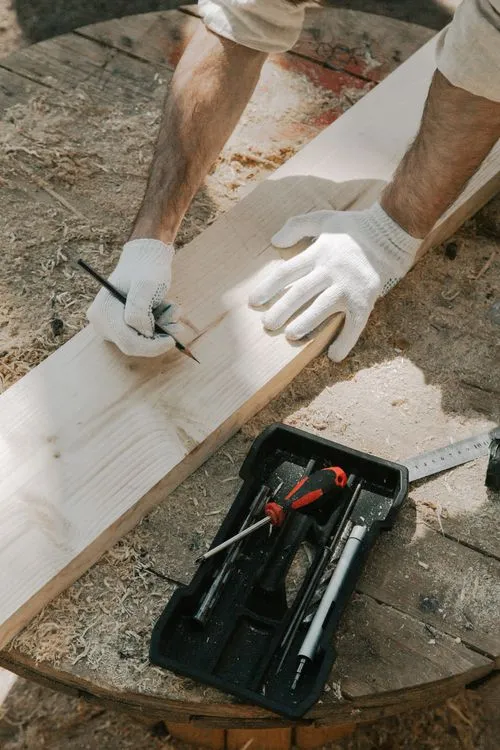
You do not need to buy every tool on your first day, and a good employer or apprenticeship programme will tell you exactly what to bring. The usual starter kit includes a tape measure, a carpenter’s pencil, a speed square, a level, a hammer, a utility knife, a chalk line, and a tool belt or bag to carry them. Power tools such as a circular saw, drill, and nail gun are often provided by the employer or bought later, once you know what you will use most.
Buy quality basics rather than the cheapest set you can find — a tape measure that sticks, a square that is actually square, and a hammer that feels right in your hand will serve you every day for years. Look after your tools: clean them, keep them sharp, and store them properly. Experienced carpenters judge a new worker partly by the state of their tools, and a tidy, well-kept kit tells them you take the work seriously.
Your First Weeks on Site
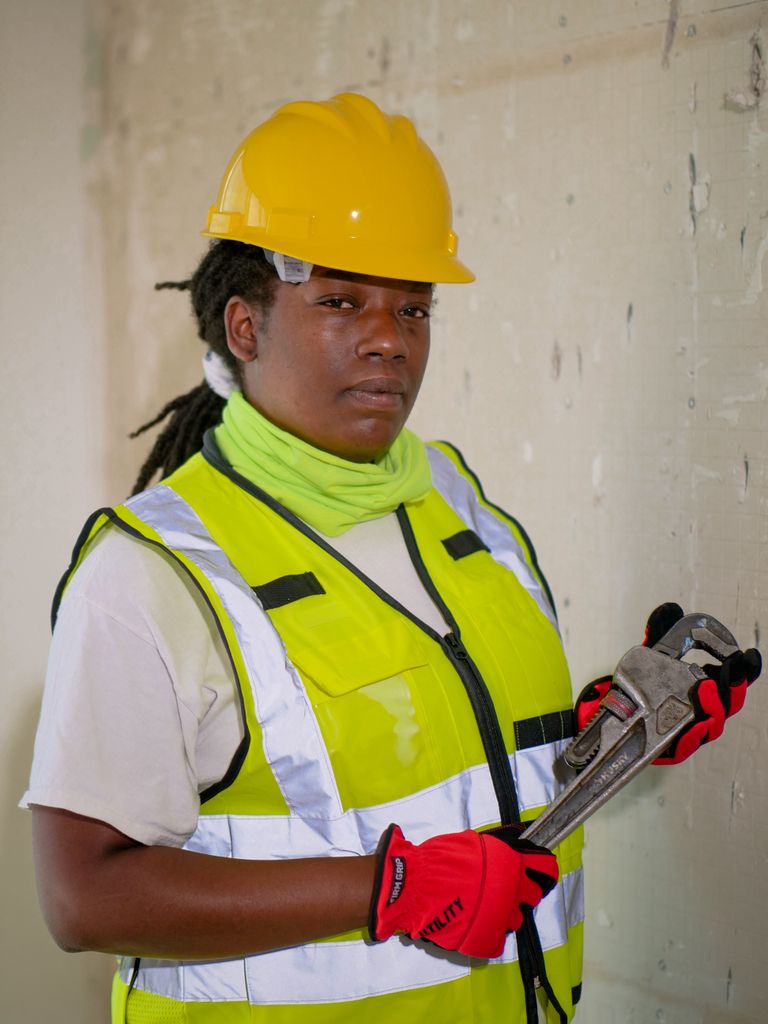
Your first weeks will be mostly watching, listening, and doing the simple jobs well. Learn the names of the materials and tools, learn how the crew works together, and learn where everything is kept. Arrive early, wear the right protective equipment — hard hat, safety boots, eye protection, and gloves where needed — and never use a power tool you have not been trained to use. If you are unsure about a measurement or a cut, ask before you cut: wood can be re-measured, but a wrongly cut board is wasted material and lost time. The apprentices who progress fastest are usually the ones who are careful, curious, and willing to do the unglamorous jobs without complaining.
Step 6: Licensing — Check Your State
Licensing is the step that catches out the most new carpenters, because the rules are not the same everywhere. In the United States, carpentry is regulated state by state and sometimes city by city. Some states require carpenters who work independently or run their own business to hold a contractor’s licence or a trade registration, with conditions such as passing an exam, showing proof of experience, and carrying insurance. Other states have no carpenter-specific licence at all, and instead regulate the business through general contractor licensing or building permits.
Because of this variation, use “check your state” as a rule, not a suggestion. Before you plan to work independently, contact your state licensing board or contractor licensing authority and ask what applies to carpenters in your area: whether a licence or registration is required, what experience or exams it needs, what it costs, and how often it must be renewed. Also check your city or county rules, because local requirements can add to the state rules. Verify every detail on the official source — fees, exam content, and experience requirements change, and a training provider’s website may be out of date.
Even where no licence is required, clients and larger contractors will often ask for proof of insurance, and many will prefer a carpenter with recognised training such as NCCER credentials and a clean safety record. Keep your certificates, logbook, and references in one place so you can show them whenever you are asked.
How Much Do Carpenters Earn?
Pay in carpentry usually follows a clear pattern: it starts modestly and rises steadily with skill and experience. Apprentices earn less than qualified carpenters, because they are learning on the job, and their pay typically increases as they complete each stage of the apprenticeship. A qualified journeyman carpenter earns a solid middle-income wage, and experienced carpenters who specialise — in finish work, cabinet making, or formwork, for example — or who move into supervision, estimating, or running their own business can earn considerably more.
Where you work matters as well. Pay tends to be higher in large cities and in areas with a lot of construction work, and union jobs often come with benefits such as health cover and a pension. Self-employed carpenters can earn more per job, but they also pay their own insurance, tools, transport, and quiet periods with no work. Overtime and weekend work can add to earnings, but they should not be counted on as a regular part of your income.
For current figures, check the official source rather than relying on a single website: the U.S. Bureau of Labor Statistics publishes up-to-date pay and employment data for carpenters, including figures by state, and its Occupational Outlook Handbook page for carpenters is a good starting point. Figures change from year to year, so always look at the most recent data and compare your area with the national picture before you make plans based on pay. You can read the official figures on the BLS carpenters page.
Job Outlook
Demand for carpenters is tied closely to construction activity: when new homes, offices, and infrastructure are being built, carpenters are in demand, and when building slows, work can become harder to find. Over the longer term, the trade is expected to keep needing new workers, because experienced carpenters retire and need replacing, and because repair and renovation work continues even when new building slows. Carpenters who can do a range of work — framing, finishing, and repair — are the most resilient, because they can move between new building and renovation jobs as the market changes.
Step 7: From Journeyman to Master Carpenter and Beyond
Finishing an apprenticeship makes you a journeyman carpenter — a qualified carpenter who can work independently and supervise apprentices. That is a real achievement, but it is also the start of the next stage of the career, not the end of it.
Many journeymen choose to specialise. Finish carpentry, cabinet making, staircase building, and heritage restoration all reward deep skill and can command higher rates. Others move toward supervision: a lead carpenter or foreman runs a crew, plans the day’s work, orders materials, and checks quality. From there, some move into site management, estimating — working out the cost of a job from the plans — or project management, where the work is more about planning and coordination than hands-on building.
A significant number of experienced carpenters eventually start their own business, taking on jobs directly for homeowners or as a subcontractor to larger builders. Running a business needs more than carpentry skill: you must price jobs accurately, manage clients, keep accounts, carry the right insurance, and, in many places, hold the relevant contractor’s licence. Start small — a few jobs alongside your employed work, with the right insurance and licences in place — and grow only when you have steady demand and a reputation for reliable, high-quality work. Many successful carpentry businesses grow by word of mouth, so every job you finish well is also an advertisement for the next one.
Common Mistakes New Carpenters Make
Skipping the Safety Training
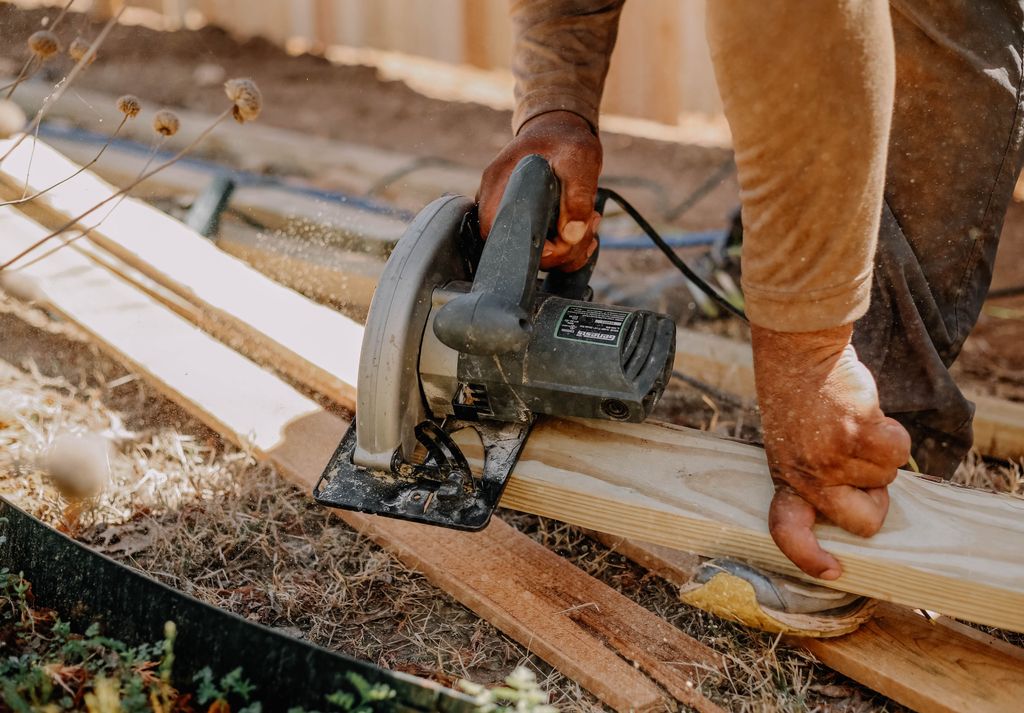
The most dangerous mistake is treating safety as a formality. Falls, cuts, and injuries from power tools are the most common accidents in carpentry, and most of them are preventable. Complete your safety training properly, wear your protective equipment every time, and never take shortcuts with a saw or a ladder.
Rushing Measurements
“Measure twice, cut once” is the oldest rule in carpentry, and it is still the most important. New carpenters who rush their measurements waste material, produce poor work, and lose the trust of their supervisor. Slow down, double-check your numbers, and mark your cuts clearly before you pick up a saw.
Buying Expensive Tools Too Early
A beginner does not need a workshop full of top-of-the-range power tools. Buy the basic hand tools you need, learn to use them well, and add power tools as your work demands them. Expensive tools bought before you understand the work often sit unused, while the money could have gone toward training or transport.
Ignoring Blueprint Reading
Carpenters who cannot read a plan are limited to the simplest jobs. Blueprint reading is a skill that improves with practice, so study the plans on every job, ask your supervisor to explain anything you do not understand, and keep practising until you can look at a drawing and picture the finished structure.
Working Without Checking Local Rules
Starting independent work without checking your state and local licensing rules can lead to fines, cancelled jobs, and legal problems. Always confirm the rules for your area before you take on work as a self-employed carpenter or contractor.
Neglecting the Business Side
Many skilled carpenters struggle when they go self-employed, not because their work is poor but because they underprice jobs, forget to allow for tax and insurance, or fail to follow up with clients. If you plan to run your own business, learn the basics of pricing, quoting, and record-keeping before you take your first solo job — or take on small jobs first while you learn.
Getting Started Checklist: How to Become a Carpenter
- Finish high school or an equivalent qualification, with a focus on maths and practical subjects
- Build basic practical skills through school workshop classes or simple home projects
- Decide your route: apprenticeship, trade school, or starting as a helper
- Research apprenticeship openings with local employers, unions, and apprenticeship services
- Prepare a simple CV and apply to several programmes before their deadlines
- Practise basic maths and measurements for any aptitude test or interview
- Confirm your programme includes safety training, including the OSHA 10-hour course
- Ask whether the programme includes NCCER training or another recognised credential
- Buy a basic tool kit and learn the safe use of each tool
- Keep a logbook of your tasks, hours, and skills learned
- Check your state and local licensing and registration rules for carpenters
- Build experience across framing, finishing, and repair work
- Keep your certificates, logbook, and references in one place
- Plan your next step: specialise, move into supervision, or start your own business
Conclusion
Becoming a carpenter is a realistic, achievable career that rewards practical skill, patience, and pride in good work. The steps are clear: finish your basic education, get into the trade through an apprenticeship, a trade school programme, or a helper job, complete your training and safety courses, consider NCCER certification to prove your skills, check your state and local licensing rules, and keep building your experience one job at a time. None of these steps is difficult on its own — the challenge is staying committed through several years of learning and doing the simple jobs well before you are trusted with the complex ones.
Take the time to do it properly. A carpenter who measures carefully, works safely, and finishes every job to a high standard builds a reputation that brings better work, better pay, and the freedom to choose their own direction — whether that is specialising in fine finish work, leading a crew, or running a business of their own. Verify every fee, licensing rule, and pay figure on the official sources named in this guide before you spend money or make plans, and start building your skills today: pick up a tape measure, practise a cut, and apply for the apprenticeship that will turn a practical interest into a career.
FAQ
How long does it take to become a carpenter?
It usually takes several years, because most carpenters learn through an apprenticeship that combines paid on-the-job work with classroom study. The exact length depends on the programme and on how quickly you complete each stage, and trade school routes followed by site experience can take a similar amount of time overall. You can start earning and learning much sooner than a university degree would allow, but becoming a fully qualified journeyman carpenter is a multi-year commitment, so plan for that from the start.
Do I need a licence to become a carpenter?
It depends on where you work. Some states and local areas require carpenters who work independently or run a contracting business to hold a licence or registration, while others have no carpenter-specific licence. The rules also differ for employees and for self-employed carpenters. Always check with your state licensing board and your local authority for the current requirements before you take on independent work.
What is NCCER certification for carpenters?
NCCER is the National Center for Construction Education and Research, which sets training standards for the construction trades. Its carpentry programme teaches the core skills of the trade in a structured sequence, and its credentials are recognised by many employers and contractors across the United States. It is a widely respected way to prove your skills, especially if you move to a new area. Check the current programme structure and requirements on the official NCCER website before you enrol.
Do I need to go to college to become a carpenter?
No — a four-year university degree is not required. Most carpenters enter the trade with a high school diploma and learn through an apprenticeship or a trade school programme, earning while they learn. Some people do take college courses in construction technology or construction management later in their career, especially if they want to move into estimating, supervision, or running a business, but it is not needed to start.
How much do carpenters earn?
Pay starts modestly during an apprenticeship and rises with experience, skill, and specialisation. Qualified carpenters earn a solid middle-income wage, and those who specialise in finish work or run their own business can earn more. Pay varies by location, employer, and whether you are employed or self-employed, so check the most recent official figures for your state on the U.S. Bureau of Labor Statistics website before making plans based on pay.