
How to Become a Home Inspector: Training, Exam and License
Learning how to become a home inspector is one of the most practical career moves for someone who likes houses, hands-on work, and the freedom of running their own schedule. Home inspectors examine houses before they are bought or sold, checking the roof, foundation, plumbing, electrical system, heating and cooling, and dozens of smaller details, then write a report that helps buyers and sellers make one of the biggest financial decisions of their lives. It is a career that rewards careful observation, clear writing, and honest judgment, and it does not require a four-year university degree.
The path is not the same everywhere, and that is the first thing to understand. Some states require a license with specific training hours and a passing exam score, while others have no licensing law at all and rely on professional standards and certification instead. The good news is that the steps are clear once you know your state’s rules: get the right training, learn the systems of a house, pass the national exam if your state uses it, meet your state’s licensing requirements, and then build experience and clients. This guide walks through every step in order, including the National Home Inspector Examination (NHIE), the roles of InterNACHI and ASHI, the tools and costs involved, and the mistakes that slow new inspectors down.
Table of Contents
Quick Answer
If you are learning how to become a home inspector, first check your state’s licensing rules, then complete an approved home inspection training course, study the major house systems, and pass the National Home Inspector Examination (NHIE) if your state requires it.
In states without a license, earning a respected certification from InterNACHI or ASHI shows clients and agents that you meet professional standards. After that, get field experience by shadowing working inspectors, buy your basic tools and insurance, and start taking clients — often as a self-employed inspector or by joining an established inspection company. Most people can complete the training and exam stage in a few months, though building a steady client base takes longer. Always verify current licensing hours, fees, and exam requirements with your state licensing board and the exam provider before you enroll in any course.
What Does a Home Inspector Do?
A home inspector performs a visual, non-invasive examination of a residential property, usually for a buyer who wants to know the condition of a home before completing a purchase. The inspector walks through the property, checks each major system, notes defects and safety concerns, takes photographs, and writes a detailed report. The report does not say whether the buyer should buy the house — it gives them the facts so they can decide, negotiate repairs, or walk away.
A typical inspection covers the roof, exterior walls and grading, foundation and structure, attic and insulation, electrical panel and wiring, plumbing, water heater, heating and cooling systems, interior rooms, windows and doors, and built-in appliances. The inspector looks for visible problems such as leaks, cracks, worn roofing, faulty wiring, poor drainage, mold signs, and systems that are near the end of their useful life. The inspection is visual: inspectors do not tear open walls, move heavy furniture, or test things that are shut off or inaccessible.
Most inspections take two to four hours on site, depending on the size and age of the home, and the written report usually follows within a day. Inspectors are often self-employed, set their own hours, and work most heavily during the spring and summer buying seasons, with slower periods in winter. It is physical work — climbing ladders, entering attics and crawl spaces, walking roofs when it is safe — so it suits people who are comfortable moving around a property and working outdoors in all kinds of weather.
Is Home Inspection a Good Career?
Home inspection suits people who enjoy variety, independence, and responsibility. Every house is different, every day brings a new property, and the work is never the same twice. The career also offers a relatively low barrier to entry compared with other licensed trades: there is no multi-year apprenticeship, and the training can usually be completed while you keep your current job.
It also has real downsides to weigh honestly. Income depends on the housing market, so slow markets mean fewer inspections. You are responsible for your reports, and a missed defect can lead to complaints or legal claims, which is why insurance matters so much. The work is physical and sometimes uncomfortable, and new inspectors must work hard to win the trust of real estate agents and clients. Before committing, spend time on choosing a career path and ask yourself whether you enjoy detailed, methodical work and dealing directly with clients who are often stressed about a major purchase. Compare the role against the in-demand skills employers are hiring for before you commit.
Step 1: Check Your State’s Licensing Rules
This is the step that shapes everything else, so do it before you pay for any course. Home inspection is regulated differently from state to state. Some states require a license and set exact rules for education hours, exams, and supervised inspections. Others have no licensing law, which means anyone can call themselves a home inspector — but also means that professional certification becomes your main proof of competence.
Find your state’s licensing board or the government department that regulates home inspectors, and read its requirements directly. Note the number of education hours required, whether the NHIE or a state exam is used, whether you need supervised inspections, and what the license fee and renewal rules are. If your state has no license, look at what the leading professional associations recommend, because agents and clients in unlicensed states still expect training and certification.
Also check whether your state requires background checks, continuing education, or errors and omissions insurance. Some states set these as license conditions, and even where they are not required, they are worth having. Write down every requirement in a list, because your training choices should be measured against that list — a course that does not meet your state’s education standard wastes your money.
Step 2: Complete Home Inspector Training
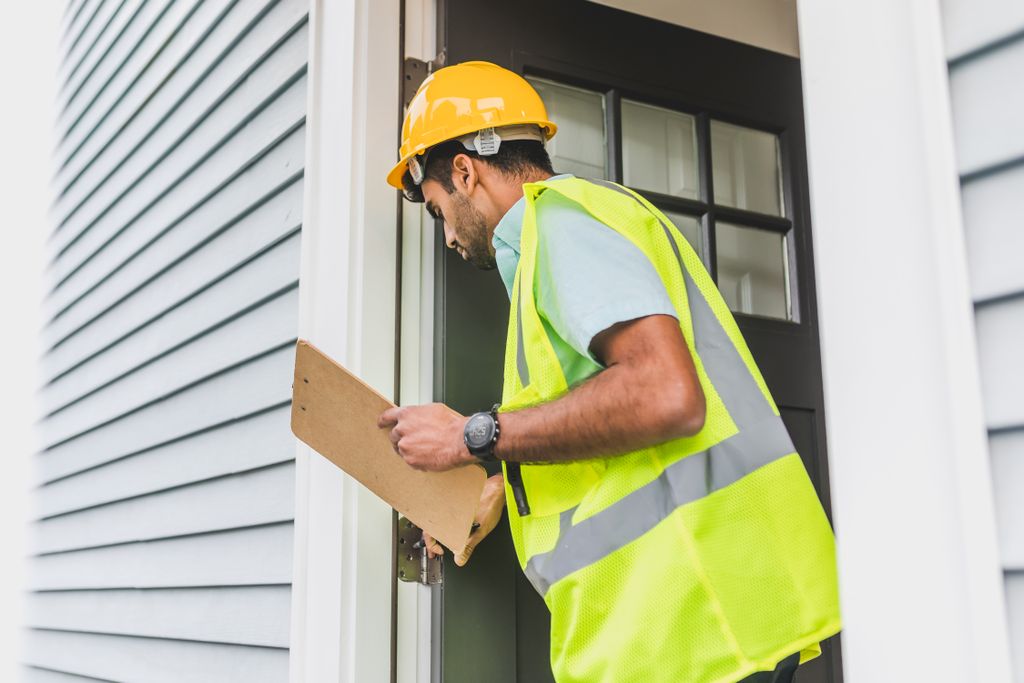
Home inspection training teaches you how each system in a house works, what goes wrong with it, how to spot problems, and how to write a clear report. A good course covers roofing, structure, exterior, insulation and ventilation, electrical, plumbing, heating and cooling, interiors, and appliances, plus the standards of practice and the code of ethics that professional inspectors follow.
Training is available in several formats. Online courses are the most flexible and are popular with career changers who study in the evenings; in-person courses offer hands-on practice with real equipment and direct access to an instructor. Some programs combine online study with a field-training component where you inspect real houses under supervision. Whichever format you choose, make sure the course is approved by your state if your state has an approval list, and check that it covers the NHIE content areas.
A strong course includes photographs and examples of real defects, not just diagrams, and gives you practice writing reports. The best programs also explain the business side: how to price inspections, how to market to agents, and how to handle difficult findings with clients. If you have a background in construction, trades, or property maintenance, you will move through the technical material faster, but do not skip the reporting and standards training — knowing how a roof works and knowing how to write a defensible report about it are two different skills.
Step 3: Pass the National Home Inspector Examination (NHIE)
The National Home Inspector Examination, usually called the NHIE, is the exam most licensed states use. It is a multiple-choice exam that tests your knowledge across the major house systems, inspection standards, and reporting practice. The exam is administered by an independent examination body, and you usually schedule it at a testing center or through an approved online proctoring option, depending on what your state allows.
Preparing for the NHIE is a study project in itself. Start by getting the exam’s official content outline, which lists the topics and their relative weight. Then work through your training material topic by topic, testing yourself with practice questions. Focus extra time on the areas where you are weakest — for many candidates, that is electrical systems, roofing, and heating and cooling. Do not rely only on reading: the exam tests applied judgment, such as recognizing a defect from a description or choosing the correct reporting language, so practice questions matter more than re-reading notes.
On exam day, read each question carefully and watch for wording that changes the answer, such as “most likely” or “best first step.” If a question is unclear, eliminate the answers you know are wrong and choose from what remains. Many candidates pass on the first attempt, but if you do not, treat it as useful information: your score report will show which topics to study, and you can retake the exam after the waiting period your state sets. Confirm the current exam fee, scheduling process, and retake rules on the exam provider’s official website before you book.
NHIE Study Tips That Actually Work
Set a study schedule of several weeks and study a little every day rather than cramming. Study one system at a time and write your own summary of its common defects, because writing forces you to understand rather than just recognize. Use flashcards for terms such as the parts of a roof or the components of an electrical panel. Take full timed practice exams under exam conditions, including the time limit, so you build speed as well as knowledge. And review every wrong answer to understand why it was wrong — that review is where most of the learning happens.
Step 4: Get Certified Through InterNACHI or ASHI
Even in states that require a license, a professional certification strengthens your credibility. The two best-known organizations are InterNACHI, the International Association of Certified Home Inspectors, and ASHI, the American Society of Home Inspectors. Both set standards of practice and codes of ethics, offer education, and provide certifications that agents and clients recognize.
InterNACHI is the larger organization and is known for its extensive online education, its certification program, and its business resources for inspectors. Its training is widely used by people preparing for the NHIE, and membership gives you access to courses, report templates, marketing material, and a community of working inspectors. ASHI is the older association and is known for its rigorous experience and exam requirements for its certified members, including a set number of supervised inspections and a proctored exam.
You do not have to choose one forever, and many inspectors belong to both. The practical approach is to join the organization whose education and certification fit your state’s requirements and your budget, complete its certification, and display it honestly on your website and marketing. Certification is not a one-time event: both organizations require continuing education, so expect to keep learning every year. Verify current membership and certification requirements on each organization’s official website — InterNACHI at nachi.org — before you apply.
Step 5: Gain Field Experience by Shadowing Inspectors
Classroom training teaches you what to look for, but real houses teach you how to look. Before you inspect on your own, spend time shadowing experienced inspectors. Many training programs arrange ride-along inspections, and working inspectors in your area may welcome a trainee, especially if you offer to help with notes, photos, or carrying equipment.
During a ride-along, watch how the inspector moves through a house, how they test systems, how they talk to clients, and how they handle something unexpected — a roof that is too steep to walk, a panel that is unsafe to open, a buyer who asks for advice the inspector cannot give. Notice the pace: a good inspector is thorough without being slow, and explains findings in plain language instead of technical jargon. Ask questions after the inspection, not during the client’s walkthrough, and compare what you noticed with what the inspector reported.
If your state requires supervised inspections for a license, these ride-alongs may count toward that requirement — check the rules and keep records of each inspection you attend, including the date, address, and supervising inspector’s name. Even if they do not count, the experience is worth it: new inspectors who have shadowed ten or twenty inspections are far more confident on their first solo job than those who have only studied online.
Step 6: Tools, Insurance, and Starting Your Business
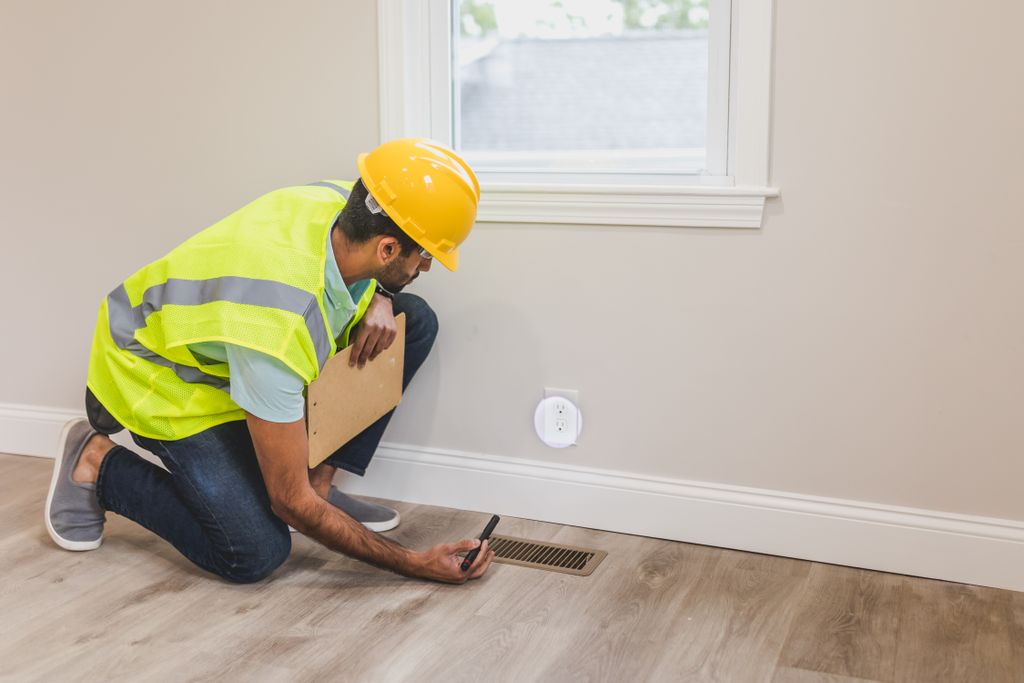
A home inspector needs a modest set of tools. The essentials include a good flashlight, a ladder, a moisture meter, an electrical tester, an infrared thermometer, a screwdriver set, a respirator and gloves for attics and crawl spaces, a camera or a phone with a good camera, and reporting software. Many inspectors also use a drone for roofs they cannot walk safely, but check your local rules about drone use before you buy one. Buy quality basics first and add specialized tools as your income grows, rather than spending heavily before your first client.
Insurance is not optional in practice. Errors and omissions insurance protects you if a client claims you missed a defect, and general liability insurance covers accidents on a property. Some states require one or both, and many real estate agents will only recommend inspectors who carry them. Get quotes from insurers who understand home inspection, and make sure your policy covers the kind of work you will actually do.
Then decide how you will work: as a self-employed inspector, as an employee of an established inspection company, or as a franchise owner. Self-employment offers the most freedom and the highest income ceiling, but you must find your own clients. Joining an established company gives you steady work and mentoring, though you earn less per inspection and follow their systems. Either way, you need a simple business setup — a business name, a website, a way to take bookings and payments, and a report template that looks professional. Marketing to real estate agents is the main source of work for most inspectors, so introduce yourself to agents in your area, offer a clear and honest explanation of your service, and let your reports speak for you.
How Much Does It Cost to Start?
Startup costs vary, and this guide does not quote specific figures because training fees, exam fees, insurance premiums, and tool prices change often and differ by location. In general, expect to pay for a training course, the exam fee, association membership and certification, insurance, basic tools, reporting software, and a simple website. Make a realistic budget before you start, and confirm every current fee on the official websites of your training provider, your state licensing board, the exam provider, and the association you join. Do not borrow heavily to start — many inspectors begin part time while keeping another income, and grow the inspection business as clients arrive.
Common Mistakes New Home Inspectors Make
Skipping the State Rules Check
The most expensive mistake is paying for training that your state does not accept. Always confirm your state’s requirements first, in writing, from the official source, and choose training that matches.
Studying for the Exam Without Practice Questions
Reading alone rarely passes the NHIE. Candidates who fail usually studied passively and never practiced under timed conditions. Use practice exams and review every wrong answer.
Rushing the Inspection
New inspectors sometimes rush because they feel the pressure of a waiting client or agent. A rushed inspection misses defects and damages your reputation. Set a realistic schedule, arrive early, and inspect at your own careful pace.
Writing Vague Reports
A report that says “the roof is old” helps nobody. Write specific, plain-language findings: what you saw, where it is, why it matters, and what should happen next. Photographs should support every important finding.
Inspecting Beyond Your Knowledge
A good inspector knows their limits. If you find something you do not understand — a complex electrical issue, a structural crack, a suspected mold problem — say so in the report and recommend a specialist. Guessing damages your credibility and your client.
Neglecting the Business Side
Many new inspectors are good at inspecting and bad at marketing. They wait for work instead of building agent relationships, following up, and asking satisfied clients for reviews. The inspection is the product, but the business is what feeds you.
Getting Started Checklist
- Check your state’s licensing requirements on the official licensing board website
- Confirm whether your state uses the NHIE and what the education hour requirement is
- Choose a state-approved training course and complete it
- Study the NHIE content outline and take timed practice exams
- Pass the NHIE or your state’s exam, if required
- Join InterNACHI or ASHI and complete its certification
- Shadow experienced inspectors for at least ten inspections
- Record your supervised inspections if your state counts them toward a license
- Buy basic tools, reporting software, and a professional report template
- Get errors and omissions and general liability insurance quotes
- Apply for your state license, if required, and confirm renewal rules
- Set up a business name, website, booking system, and payment method
- Introduce yourself to local real estate agents and start taking clients
- Plan your continuing education for the year ahead
Conclusion
Learning how to become a home inspector is a realistic, achievable career change that rewards careful, honest work. The steps are clear: check your state’s rules, get solid training, pass the NHIE where it applies, earn a respected certification from InterNACHI or ASHI, gain field experience by shadowing working inspectors, and then set up your tools, insurance, and business properly. None of these steps is difficult on its own — the challenge is doing them in the right order and not cutting corners.
Take the time to do it well. A well-trained inspector with a good reputation gets repeat work and referrals, while a rushed one gets complaints. Verify every fee, hour requirement, and exam rule on the official sources listed in this guide before you spend money, and build your knowledge one house system at a time. If you enjoy houses, detail, and independence, home inspection can give you a career you genuinely own.
FAQ
How long does it take to become a home inspector?
Most people learning how to become a home inspector complete the training and exam stage in a few months if they study part time, and faster if they study full time. The exact time depends on your state’s education hour requirement, how quickly you pass the NHIE or state exam, and whether your state requires supervised inspections. Building a steady stream of clients takes longer — usually a year or more of consistent marketing and good reports.
Do I need a license to be a home inspector?
It depends on your state. Some states require a license with specific training hours and an exam, while others have no licensing law at all. In unlicensed states, certification from InterNACHI or ASHI is the main way to show clients and agents that you meet professional standards. Always check your state’s licensing board for the current rules before you start.
What is the NHIE exam?
The National Home Inspector Examination (NHIE) is the multiple-choice exam used by most states that license home inspectors. It tests knowledge of the major house systems, inspection standards, and reporting practice. You can prepare with a good training course, the official content outline, and timed practice exams. Confirm the current fee, format, and scheduling details with the exam provider before you book.
Do I need construction experience to become a home inspector?
Construction or trade experience helps, because you will already understand how houses are built, but it is not required. Many successful inspectors come from unrelated careers and learn the technical material through training and field experience. What matters most is attention to detail, clear writing, and the willingness to keep learning about house systems.
How do home inspectors find clients?
Most work comes through real estate agents, who recommend inspectors to their buyers. New inspectors build these relationships by introducing themselves to agents, delivering clear and honest reports, and following up professionally. A good website, client reviews, and a presence with local agent offices also help. Over time, satisfied clients and agents become your main source of referrals.