How to Learn Digital Marketing for Free: A Beginner’s Guide
Learning how to learn digital marketing for free is one of the smartest career moves you can make right now. Digital marketing is the work of helping businesses reach customers online — through search engines, social media, email, and content — and it is one of the few career fields where you can learn everything you need without paying for a degree or an expensive bootcamp. The skills are practical, the tools have free versions, and employers care far more about what you can do than about where you studied.
The best part is that the biggest names in the industry give their training away for free. Google, Meta, and HubSpot all run free courses that teach the exact skills their own platforms use. That means a complete beginner can go from knowing nothing to having a portfolio of real work in a few months, spending nothing but time and effort. This guide lays out that path step by step: which skills to learn first, which free courses to take, how to practise without a budget, and how to turn your learning into a portfolio that gets you hired.
Table of Contents
Quick Answer
To learn digital marketing for free, start with Google’s free courses on Google Digital Garage and Google Skillshop, then learn SEO, social media marketing, content marketing, email marketing, and analytics one skill at a time. Practise each skill on a free blog or social media account you create yourself, build a small portfolio of real projects, and apply for entry-level jobs, internships, or freelance work after two to three months of steady learning. You do not need a degree, a paid course, or any software budget — free tools and free courses cover everything a beginner needs.
What Digital Marketing Actually Is
Digital marketing is simply marketing done through digital channels. When a business appears at the top of a Google search, posts a video on Instagram, sends you an email about a sale, or shows you an ad while you watch YouTube, that is digital marketing at work. It is a broad field, but for a beginner it breaks down into a handful of core skills.
Search engine optimisation, or SEO, is the work of helping a website rank higher in Google’s free search results. Social media marketing is building an audience and engaging customers on platforms such as Instagram, Facebook, LinkedIn, and TikTok. Content marketing is creating useful articles, videos, and guides that attract people to a business. Email marketing is sending helpful, well-timed messages to people who have chosen to hear from a business. Paid advertising is running ads on Google and social media, and analytics is measuring what works and what does not.
You do not need to master all of these at once. Most digital marketers start as generalists who understand the basics of each area, then specialise in one or two over time. A beginner’s goal is breadth first: understand how each channel works, know the basic tools, and be able to do simple, real tasks in each one. Depth comes later, once you know which area you enjoy most.
It is also worth knowing what digital marketing is not. It is not posting random content and hoping for likes. It is not buying followers or tricking Google with shortcuts. Real digital marketing is a measured, repeatable process: understand the audience, create something useful for them, put it where they will find it, and measure the result. The free learning path in this guide teaches exactly that process.
Why Free Learning Works for Digital Marketing
Digital marketing is unusual among career fields because free learning genuinely works. There are four reasons for this, and understanding them will give you confidence to start without spending money.
First, the platforms themselves teach the skills. Google wants more people to understand Google Ads and Google Analytics, because skilled users spend more on their products. Meta wants people to understand Facebook and Instagram advertising for the same reason.
So both companies publish high-quality free training — Google Skillshop, Google Digital Garage, and Meta Blueprint — that is often better than paid courses teaching the same topics. Learning from the source also means you learn the correct, up-to-date way of doing things.
Second, the tools are free at beginner level. Google Analytics, Google Search Console, Canva, Mailchimp’s free plan, and WordPress.com all cost nothing to start with. You can build a website, run an email list, design graphics, and track results without paying a single penny. Paid tools become useful later, when you work for a business that pays for them, but they are not needed to learn.
Third, employers in this field hire on proof, not paper. A hiring manager for a junior digital marketing role will usually ask to see what you have done: a blog you grew, a social media account you managed, a campaign you ran, even a small one. A certificate helps, but a portfolio of real work helps far more. Free learning gives you the chance to build that portfolio from day one, which is something a purely theoretical paid course cannot do.
Fourth, the field changes fast, so even experienced marketers are always learning. Google updates its search algorithm, social platforms change their rules, and new formats appear every year. That means nobody’s knowledge is ever finished, and a beginner who learns how to keep learning is on equal footing with everyone else within a year or two. The habit of learning matters more than any single course.
Your Free Learning Roadmap: 12 Weeks From Zero to Job-Ready
Learning without a plan is the main reason free learners give up. A clear roadmap keeps you moving and stops you from jumping between random YouTube videos. Here is a realistic twelve-week plan that takes about one to two hours a day. If you have more time, you can move faster; if you have less, stretch it out — the order matters more than the speed. If you are working out how to learn digital marketing for free, this twelve-week roadmap is the plan to follow.
Weeks 1 to 2 cover the foundations: what digital marketing is, how the internet and search engines work, and who your audience is. Take Google’s free “Fundamentals of Digital Marketing” course on Google Digital Garage during these weeks. It gives you the big picture and a certificate at the end. If you are comparing free learning options more broadly, our guide to free online courses with certificates (https://careerschooled.com/free-online-courses-with-certificates/) lists other respected free courses you can add to your plan.
Weeks 3 to 4 focus on SEO. Learn how search engines rank pages, how keywords work, and how to write a page that answers a real question. Practise by writing and optimising a few blog posts on a free site of your own.
Weeks 5 to 6 cover social media and content marketing. Pick one platform, learn how its algorithm and audience work, and start posting regularly. Create a simple content calendar and stick to it for two weeks.
Weeks 7 to 8 cover email marketing and analytics. Set up a free email list, send a short newsletter, and learn Google Analytics and Google Search Console by watching the data from your own small site.
Weeks 9 to 10 introduce paid advertising — learning it, not spending on it. Take the free Google Ads training on Skillshop and the free Meta Blueprint courses. You can learn the whole system without running a single paid ad.
Weeks 11 to 12 are for your portfolio and job search. Gather your best work, write short case studies explaining what you did and what happened, tidy up your CV and LinkedIn profile, and start applying for junior roles, internships, and freelance projects.
Digital marketing is also one of the most in-demand skills (https://careerschooled.com/most-in-demand-skills/) in today’s job market, which is why this roadmap is worth finishing. Employers are hiring for these skills across almost every industry, from small local businesses to large international companies.
Step 1: Learn the Foundations First
Many beginners skip the foundations and jump straight into a specific skill, such as Instagram marketing or SEO tricks. That is a mistake. Without the foundations, you will not understand why a tactic works, which means you cannot adapt it when platforms change. Spend your first two weeks on the basics. If you are figuring out how to learn digital marketing for free, these foundations are the right place to start.
Start by understanding how the internet fits together. Learn what a website is, how search engines find and rank pages, how social media platforms make money, and how businesses measure success online. You do not need technical depth here — a clear, plain understanding is enough.
Next, learn about audiences and customer journeys. Every piece of marketing starts with a simple question: who is this for, and what do they need? A person searching Google for “best budget laptop” is at a different stage from someone who has already decided to buy. Good marketers create different content for each stage. The Google Digital Garage course covers this well, and it is free.
Then learn the basic vocabulary. Words such as traffic, conversion, click-through rate, engagement, impressions, and return on investment will appear in every course and job description. Keep a small glossary of your own as you learn, and add to it each week. It will make later courses far easier to follow.
Finally, set up your learning environment. Create a dedicated email address for your marketing learning, a free WordPress.com or Blogger site for practice, and accounts on the platforms you plan to study. This takes an afternoon, and it gives you a place to practise everything you learn from the very first week.
Step 2: Learn SEO — the Skill That Opens Doors
SEO is the best first specialism for most beginners. It is in constant demand, it is easy to practise for free, and the results are measurable — you can see a page you optimised climb in Google’s results, which is powerful proof for employers. It is also the skill that makes your other skills more effective, because good content and good social media both benefit from search visibility.

How Search Engines Work
Search engines such as Google crawl the web, index pages, and rank them when someone searches. Ranking depends on many factors, but the most important are relevance — does this page answer the searcher’s question? — and authority — do other trusted sites link to it? Your job as an SEO learner is to make pages relevant, clear, and useful, and to earn links by creating content worth linking to.
Keyword Research, the Free Way
Keywords are the words and phrases people type into Google. Good keyword research means finding phrases that real people search for, that match what you can write about, and that are not so competitive that a new site cannot rank for them. You can do this for free with Google’s own tools. Type a phrase into Google and look at the autocomplete suggestions and the “People also ask” box — those are real searches from real users.
Google Search Console, once your site is running, shows you the exact phrases people used to find you. AnswerThePublic has a free tier that turns a topic into dozens of question-based keywords. Keep a list of keywords you find, and use it when you plan content.
On-Page SEO Basics
On-page SEO is everything you do on the page itself. Write a clear title that includes the main keyword near the beginning. Write a short description that tells the searcher what the page offers. Use headings to structure your content so a reader can scan it in seconds. Answer the question early, then go deeper. Link to other relevant pages on your site, and to authoritative external sources when they add value. Use images with descriptive file names and alt text. Keep paragraphs short and sentences simple. None of this costs money — it costs attention.
Practise SEO on Your Own Site
The fastest way to learn SEO is to do it. Publish a short article on your free practice site each week, optimise it using the basics above, and watch Google Search Console to see whether it gets impressions and clicks. Even a handful of visits is a real result, and you can describe exactly what you did in a job interview. A blog that grows from zero to a few hundred visitors a month is a stronger credential than a certificate alone.
A common beginner mistake is chasing secret tricks. There are no secret tricks in SEO. The sites that rank well over time are the ones that answer questions better than their competitors. Focus on being genuinely useful, and the rankings follow.
Step 3: Learn Social Media Marketing
Social media marketing looks easy because everyone uses social media. Doing it well for a business is a different skill. It is not about posting often; it is about posting the right thing, for the right audience, at the right time, and measuring what happens next.
Pick One Platform to Start
Beginners often try to learn every platform at once and end up learning none of them well. Pick one platform where your target audience actually spends time. For most beginners, Instagram or LinkedIn are good choices: Instagram for visual, consumer-facing topics, and LinkedIn for professional and business-to-business topics. TikTok is powerful for short video, and Facebook still matters for local businesses and older audiences. Learn one platform deeply before adding a second.
Learn How the Platform Works
Each platform has its own rules. Learn what kind of content it favours, how its feed or algorithm decides what people see, and what formats perform best — short video, images, carousels, text posts, or live streams. Meta offers free training through Meta Blueprint that explains how Facebook and Instagram work for businesses, including advertising. The platform’s own help pages and creator guides are also free and are usually the most up-to-date source available, so check them before trusting a third-party tutorial.
Practise With a Real Account
Create a practice account around a topic you enjoy — cooking, fitness, books, a local hobby — and post three to five times a week for a month. Write captions that ask a question or start a conversation. Reply to every comment. Try different formats and note which ones get the most saves, shares, and comments. Track your follower growth each week in a simple spreadsheet. After a month you will have real data, real posts to show, and a genuine understanding of what the work feels like day to day. That is a portfolio piece in itself.
What Good Social Media Work Looks Like
Good social media marketing is consistent, not viral. A business that posts useful content three times a week for six months will outperform one that posts twice and gives up. The best accounts mix content types: some posts that teach, some that entertain, some that show behind the scenes, and only occasionally a post that sells. If every post is a sales pitch, people stop following. If every post is useful, people stay — and eventually they buy.
Step 4: Learn Content Marketing
Content marketing is the skill behind almost everything else in digital marketing. The blog posts that rank on Google, the videos that get shared, the emails people actually open — all of them are content. Learning to create good content is learning to think clearly about an audience’s problems and to explain solutions in plain language.
Start With Writing
Writing is the core content skill, and it improves fastest through practice. Write one short article a week on your practice site about a topic you are learning. Keep it simple: one clear question, a direct answer at the top, then the detail. Short paragraphs, simple words, and honest examples beat long, complicated writing every time. Read your draft out loud before publishing — if a sentence sounds awkward spoken, rewrite it.
Learn the Basics of Video and Design
You do not need to become a video editor or a graphic designer, but you do need the basics. Learn to record a clear short video on your phone, with good light and clear sound. Learn to make a simple graphic in Canva’s free version — a quote card, a checklist image, or a social media post. These two skills make you far more useful to an employer, because most junior marketing roles ask for a mix of writing, basic design, and basic video.
Plan Content Around Questions, Not Products
The biggest content mistake beginners make is writing about a product instead of writing about a problem. People search for solutions, not product names. A guide called “How to choose your first running shoes” will reach far more people than a post called “Our new running shoe range.” Make a list of the questions your audience asks, and answer one question per piece of content. Your keyword research from the SEO step gives you this list for free.
Reuse Everything You Create
One good piece of content can become many. A blog post can become three social media posts, a short video, an email, and a checklist graphic. This is called repurposing, and it is how small marketing teams produce a lot of content without burning out. Practise it from the start: every time you write an article, turn it into at least two other formats. Employers love this skill because it saves time and money.
Step 5: Learn Email Marketing
Email marketing is one of the highest-return skills in digital marketing, and it is often overlooked by beginners because it sounds old-fashioned. In practice, email is where many businesses make most of their sales, because it reaches people who have already shown interest. It is also a skill you can learn completely free.
The Basics of How Email Works
Email marketing starts with a list of people who have agreed to hear from you. You send them useful messages on a regular schedule, and you measure how many people open them, click the links, and take action. The key rule is permission: never add people to a list without their agreement, and always include a way to unsubscribe. This is not just good manners — in many countries it is the law.
Practise With a Free Tool
Mailchimp, Brevo, and MailerLite all offer free plans for small lists, and each one has free tutorials that teach the basics. Set up a free account, create a simple signup form, and place it on your practice site. Then write a short weekly email — a tip, a link to your newest article, and one useful resource. Send it to yourself and a few friends who agree to receive it, and watch the open and click numbers. After a month, you will understand subject lines, timing, and what makes people open an email — which is exactly what an employer wants you to know.
What Makes a Good Marketing Email
A good marketing email does one thing: it helps the reader. It might teach something small, share a useful link, or offer a genuine discount on something the reader already wants. Keep it short, write like a person rather than a company, and have one clear action for the reader to take. Test different subject lines and see which ones get opened more. Small improvements in open rates and click rates are the measurable results you can put in your portfolio.
Step 6: Learn Analytics — Measuring What Works
Analytics is the skill that separates a hobbyist from a professional. Anyone can post content; a marketer can tell you whether it worked. Learning analytics early also makes your other skills better, because you start making decisions based on evidence instead of guesses.
Google Analytics and Search Console
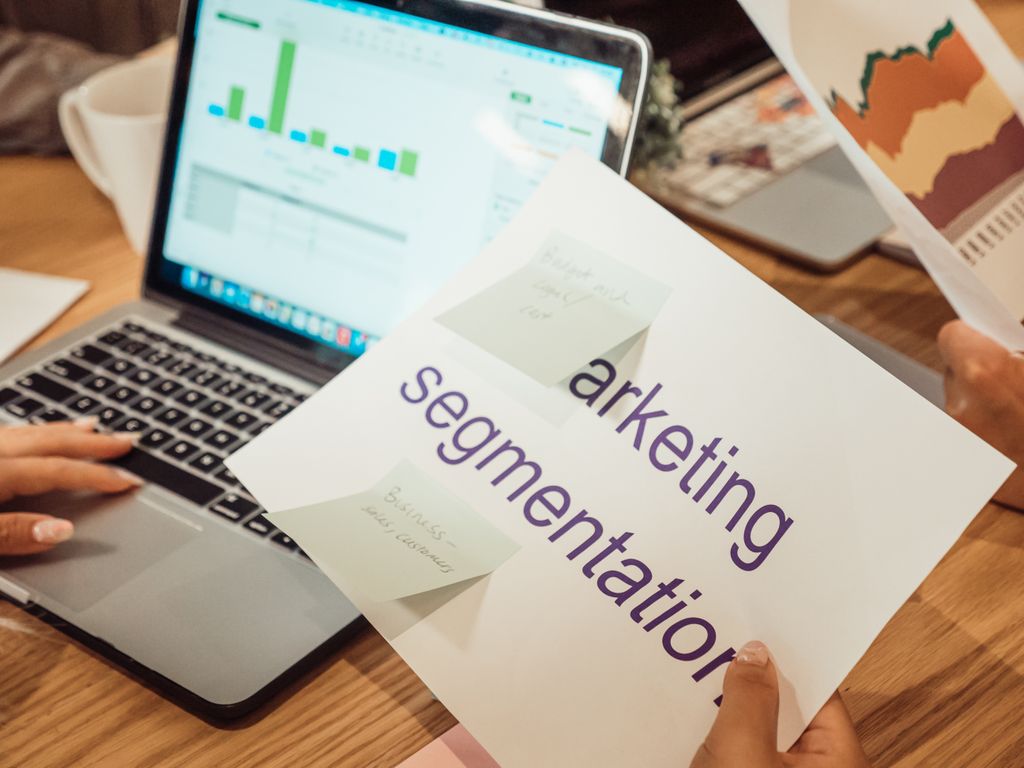
Google Analytics shows you what happens on a website: how many people visit, where they come from, which pages they read, and how long they stay. Google Search Console shows you how a site performs in Google search: which search phrases bring visitors, how often your pages appear, and whether Google has found any problems. Both are free, and both are essential tools in almost every digital marketing job. Set them up on your practice site as soon as you create it, even before you have any visitors, so the data starts collecting from day one.
The Numbers That Matter
Beginners often drown in data. Focus on a few numbers first. Traffic tells you how many people arrived. Bounce rate and time on page tell you whether they found what they wanted. Conversion rate tells you how many visitors did the thing you wanted — signed up, bought, or filled in a form. Click-through rate tells you how often people who saw something clicked it. Learn what each of these means, check them weekly on your own site, and note what changes when you try something new. That habit — try, measure, adjust — is the heart of digital marketing.
Free Analytics Training
Google offers free analytics training through Google Skillshop (https://skillshop.withgoogle.com/), including courses on Google Analytics. These courses are made by the people who built the tool, they are free, and they include a certificate. Work through them slowly, with your own site’s data open alongside the lessons, so you are learning on real numbers rather than examples.
Step 7: Learn Paid Advertising Without Spending Money
Paid advertising, often called PPC or pay-per-click, is the one area where learning feels expensive — because the ads themselves cost money. But you do not need to spend anything to learn how it works. The knowledge is free; only the practice campaigns cost money, and you can delay those until an employer pays for them.
Take the free Google Ads courses on Skillshop and the free Meta Blueprint courses on Facebook and Instagram advertising. Learn how campaigns are structured, how targeting works, how bidding and budgets work, and how to read the results. Many courses include demo accounts or walkthroughs so you can see a real advertising dashboard without spending anything.
Understand the key ideas: a campaign has a goal, such as sales or signups; an ad group targets a specific audience or keyword; and an ad is the message that audience sees. Learn what a good ad looks like — clear, honest, and focused on one benefit — and learn the numbers advertisers watch, such as cost per click and cost per conversion. When you do get a chance to run a small campaign, start with a tiny daily budget, test one change at a time, and stop anything that is clearly not working.
A word of caution: be careful with any course or advert that promises to teach you paid ads for a large fee. The official free training from Google and Meta covers everything a beginner needs, and it is always up to date. Pay for advanced training only when you know exactly what gap it fills.
The Best Free Courses and Resources
You do not need a long list of courses. A short list of trusted, free sources is better than a hundred random videos. The courses below are the ones most beginners use, and they are all free at the time of writing — always check the official page to confirm what is currently free and what any certificate covers, because providers change their offers. If you are learning how to learn digital marketing for free, start with the courses below and practise as you go.
Google Digital Garage offers “Fundamentals of Digital Marketing,” a beginner course of around forty hours that covers the whole field and includes a certificate. It is the best single starting point for a complete beginner. Google Skillshop is Google’s official training hub, with free courses on Google Ads, Google Analytics, and more, including certificates. Both are made by Google and are free.
Meta Blueprint is Meta’s official training platform for Facebook, Instagram, and WhatsApp marketing. It covers organic posting, advertising, and measurement, with free courses and paid certification exams for those who want them later. HubSpot Academy offers free courses on content marketing, email marketing, SEO, and inbound marketing, with certificates. HubSpot’s courses are particularly good at explaining the thinking behind the tactics.
Semrush Academy and Ahrefs Academy both offer free courses on SEO and content marketing. They are made by companies that sell SEO software, so their courses naturally mention their own tools, but the teaching itself is solid and free. YouTube channels run by Google, HubSpot, and other established names can also help, but be selective — choose creators who show real examples and explain the reasoning, not those who promise overnight results.
Beyond courses, build a habit of reading two or three trusted sources regularly. Google’s own blogs, the HubSpot blog, and the official help centres for the platforms you use will keep you current. A few hours a week spent reading and practising beats a weekend spent watching course after course without doing anything.
Building a Portfolio Without Spending Money
A portfolio is a collection of your best work, and it is what turns learning into a job. You do not need client work to build one. Everything you practise on your own sites and accounts counts, as long as you present it honestly and clearly.
Five Portfolio Projects You Can Build for Free
First, a blog that ranks. Grow a small blog on a free platform, write ten optimised articles, and track its traffic in Google Search Console. Even modest growth is a real result. Second, a social media account you grew. Pick a topic, post consistently for a month or two, and record the growth in followers, reach, and engagement. Third, an email newsletter. Build a small list and send a weekly email, then record your open and click rates.
Fourth, a content plan. Write a one-month content calendar for a made-up small business, including post ideas, keywords, and the goal of each piece. Fifth, a mock campaign. Choose a real small business in your area, and write a short plan for how you would help them — which channels, what content, and how you would measure success. Label it clearly as a practice project, and it still shows your thinking.
How to Present Your Work
Keep your portfolio simple. A free website or a single well-organised document is enough. For each project, include four things: what the goal was, what you did, what happened, and what you learned. Numbers matter — “grew a blog from 0 to 200 visitors a month in eight weeks” is far more convincing than “I know SEO.” Be honest about the scale. Hiring managers can tell the difference between a small real result and an exaggerated claim, and honesty builds trust.
Getting Your First Real Experience
Once you have a small portfolio, look for real experience. Offer to help a local shop, a charity, or a community group with their social media or website for a few hours a week. Many small organisations have no marketing help at all and will welcome a volunteer. This gives you real clients, real results, and a reference. Freelance platforms also have entry-level tasks, and some businesses hire beginners for simple work such as scheduling posts or writing short product descriptions. Each small job adds to your portfolio and your confidence.
Common Mistakes to Avoid
Trying to Learn Everything at Once
Digital marketing is a wide field, and trying to learn SEO, social media, paid ads, email, and analytics in the same week leads to confusion and burnout. Learn one skill at a time, practise it, then move on. The roadmap in this guide exists for exactly this reason.
Collecting Certificates Instead of Skills
Certificates feel like progress, but they are not the same as ability. Watching a course without practising teaches you very little. For every hour you spend on a course, spend at least an hour doing the work — writing, posting, measuring. Employers hire people who can do the job, not people who have watched the most videos.
Copying Other People’s Content
It is tempting to copy a successful post or article and change a few words. Do not do it. Copied content does not rank on Google, it can get a social media account penalised, and it teaches you nothing. Worse, it damages your reputation if a future employer finds it. Create original work, even if it is imperfect. Original work that is honest always beats copied work that looks polished.
Ignoring the Numbers
Many beginners love creating content but never check whether it worked. That is only half the job. Check your analytics every week. Look at what got views, what got clicks, and what got ignored. Then do more of what worked and less of what did not. A marketer who measures is a marketer who improves.
Paying for Courses Too Early
The internet is full of expensive courses that promise fast results. Most of what they teach is available free from Google, Meta, and HubSpot. Do not pay for a course until you have finished the free training and can say exactly what the paid course would teach you that the free ones did not. By that point, you may find you do not need it at all.
Giving Up in the First Month
The first month is the hardest, because you are learning and nothing has grown yet. A new blog has no visitors, a new social account has few followers, and it feels like the work is going nowhere. This is normal. Almost every successful marketer went through the same slow start. Judge your progress after three months of steady work, not after three weeks.
Getting Started Checklist
- Create a free practice website on WordPress.com or Blogger
- Set up Google Analytics and Google Search Console on your practice site
- Enrol in Google’s free “Fundamentals of Digital Marketing” course on Google Digital Garage
- Complete the Google Skillshop courses on Google Ads and Google Analytics
- Take at least one free Meta Blueprint course on Facebook or Instagram marketing
- Choose one social media platform and post on it three to five times a week
- Write and publish one optimised blog post every week
- Build a simple keyword list using Google autocomplete and Search Console data
- Set up a free email tool and send a short weekly email to a small list
- Track your numbers every week in a simple spreadsheet
- Build five portfolio projects: a blog, a social account, a newsletter, a content plan, and a mock campaign
- Write a short case study for each project with the goal, the work, the result, and what you learned
- Volunteer for a local business or charity to gain real experience
- Tidy up your CV and LinkedIn profile to highlight your portfolio and certificates
- Apply for junior roles, internships, and freelance work after two to three months of steady learning
Conclusion
Learning digital marketing for free is not a shortcut or a compromise — it is the normal path into the field. The best training comes free from the platforms themselves, the tools have free versions that cover everything a beginner needs, and employers hire on proof of work rather than expensive credentials. What the free path demands is time, consistency, and a willingness to practise in public on your own small projects.
Follow the roadmap: learn the foundations first, then SEO, social media, content, email, and analytics, one skill at a time. Build a portfolio as you go, so that by the time you start applying for jobs you can show real results instead of just listing courses. Measure everything, learn from what the numbers tell you, and keep going through the slow first month when nothing seems to be growing.
Three months of steady, focused learning can take you from complete beginner to a credible junior candidate with a portfolio, certificates, and real experience. The courses are free, the tools are free, and the opportunity is real. Start today with the first course, publish your first post this week, and build from there.
FAQ
Can I really learn digital marketing for free?
Yes. Google, Meta, and HubSpot all offer free, high-quality courses that cover the whole field, and the main tools — Google Analytics, Google Search Console, Canva, and free email tools — cost nothing at beginner level. You can learn every core skill, practise on your own free website and social accounts, and build a portfolio without spending money. The only cost is your time.
How long does it take to learn digital marketing for free?
A complete beginner can learn the basics in about two to three months of steady study, at one to two hours a day, following a structured plan. You can start applying for junior roles, internships, or freelance work at that point. Reaching an intermediate level usually takes six to twelve months of continued learning and practice. Digital marketing changes constantly, so even experienced marketers keep learning throughout their careers.
Do I need a degree to get a digital marketing job?
No. Most employers hiring for junior digital marketing roles care more about what you can do than about a degree. A portfolio showing real work — a blog you grew, a social account you managed, an email list you built — is usually more convincing than a qualification. Certificates from free courses help, but they support your portfolio rather than replacing it. A degree can help in some larger companies, but it is not a requirement for most roles.
Which free digital marketing course should I start with?
Start with Google’s “Fundamentals of Digital Marketing” on Google Digital Garage. It is free, it covers the whole field in plain language, and it includes a certificate. After that, move on to the free courses on Google Skillshop for Google Ads and Google Analytics, and Meta Blueprint for social media marketing. This order gives you the big picture first, then the specialist skills.
How do I get a job in digital marketing with no experience?
Build a portfolio of practice projects first: a small blog with traffic data, a social media account you grew, and a short email newsletter with real open rates. Then offer to help a local business or charity for a few hours a week to gain a real client and a reference. Add these projects to your CV and LinkedIn profile, and apply for junior roles, internships, and freelance work, explaining clearly what you did and what results you achieved.