Babysitting Jobs Without a Degree: How to Start, Qualify and Earn Trust
Quick Answer
You can get babysitting jobs without a degree because private babysitting is not a degree occupation. Families hire trust, not certificates on a wall: they check your age and legal position, your experience with children, current first aid training, references they can contact, and how clearly and reliably you communicate. The Bureau of Labor Statistics describes the wider childcare workers occupation in the United States as typically entered without a college degree, with requirements set by employers and state rules for formal settings, which matches what private families do in practice.
This guide to babysitting jobs without a degree shows exactly what replaces a degree in a parent’s decision, which short training is worth taking first, how to turn unpaid family experience into credible proof, and how to find first sits in the US, UK and Europe without inventing qualifications you do not hold.
A degree still matters in one place, and honesty about it protects you. Nursery management, early years teaching and some registered childminder routes do require set qualifications under local rules. Private evening and weekend sitting for a family in their own home is a different job. Keep the two apart, claim only what you can prove, and you will never be caught out by a careful parent.
Table of Contents
Babysitting Jobs Without a Degree: What Families Actually Check
Age, identity and legal position
Most families want a sitter who is at least in their mid-teens for short daytime sits and older for babies, evenings and sole charge of several children. There is no single babysitting age law across the US or Europe, so check your own state, council or national guidance. Be ready to show photo ID, confirm your address, and explain your right to work if a family or agency asks. Organised, prompt answers on these basics do more for trust than any long claim about loving children.
Experience a parent can picture
Parents picture risk. Experience calms it only when it is specific: ages you have cared for, for how long, in what setting, and what you actually did. Younger siblings, cousins, neighbours’ children, volunteering in a nursery, sports coaching and church or community youth groups all count when you describe them concretely. Vague lines such as “great with kids” count for almost nothing. Two or three specific examples with ages and duties are the proof that replaces a degree at this level.
Training that is short, current and checkable
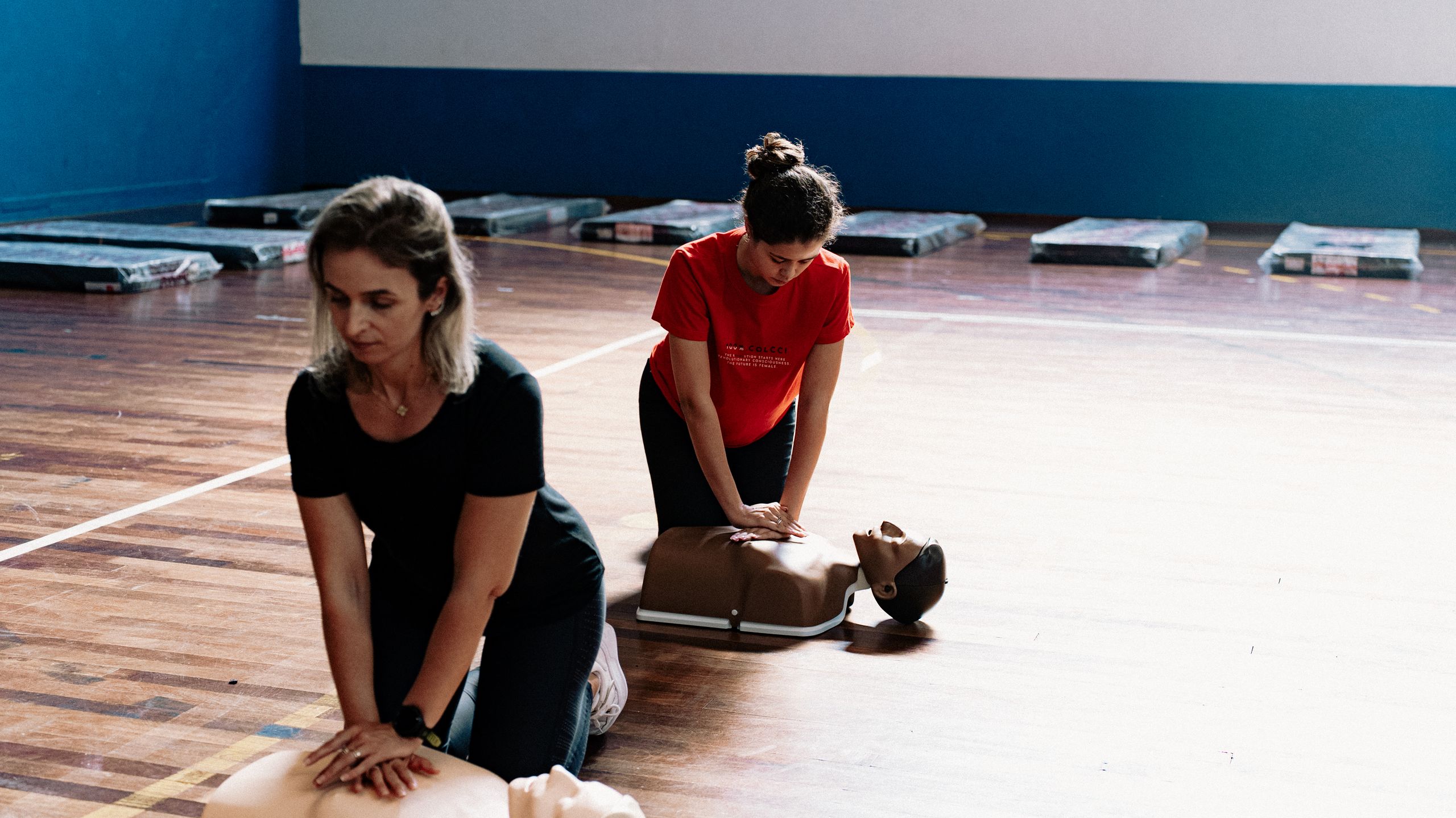
Current CPR and first aid training is the single strongest non-degree qualification for a sitter. A recognised babysitter basics course, food hygiene basics if you will cook, and safe sleep knowledge for infant sits all add weight. Keep certificates dated and renewable, and carry copies or photos of them. An expired certificate is worse than none, because it tells a parent you stopped keeping proof current.
References and background checks
Two contactable references beat ten written compliments. Ask a family you have helped, a teacher, a coach or a volunteer leader, and warn them a parent may call. Where a background check is available and normal in your area, offering to complete one removes the last hesitation for many families. In the UK this may involve DBS-related routes through an agency or organisation; in the US, platform and state checks vary. Never promise a check you cannot actually obtain.
Building Your Proof in the Right Order
Step 1: Take first aid and CPR first. Book a recognised course that covers child and infant CPR, choking, bleeding and allergic reaction. This is the fastest trust purchase in babysitting. It also protects a real child in a real emergency, which is the point. Record the provider, the date and the renewal date, and put renewal in your calendar before the certificate lapses.
Step 2: Write your experience honestly and specifically. List every child-related experience with ages, frequency and duties. Include unpaid experience and label it unpaid. Parents respect honesty and detect inflation quickly in conversation. Our babysitting jobs for beginners guide shows the profile structure families respond to, and our babysitting jobs requirements guide lists the documents and checks to gather before you apply anywhere.
Step 3: Start with short, low-risk sits. Your first paid sits should be short, local and with older children, ideally while a parent is nearby or returning soon. Do them well, arrive early, leave the house tidy, and send a short update during the sit. Ask at the end whether the family would be willing to be a reference and to book you again. Early reliability creates the reviews that unlock longer and better paid work.
Step 4: Collect written reviews with permission. After two or three good sits, ask for a few written sentences you may show to other families, with the writer’s first name and area. Specific reviews mention ages, reliability and a concrete moment. Generic praise helps less. Store reviews with your certificates so a new family sees training and track record together.
Step 5: Add one skill at a time. Infant care, homework support, cooking simple meals, school collection with a clean driving record where relevant, or experience with additional needs — each verified skill widens the jobs you can take and supports your rate. Add skills through real courses or supervised experience, never by claim alone. A parent who discovers an invented skill will not book you again, and will say why to other parents.
Where to Find Babysitting Jobs Without a Degree
Word of mouth and local networks
Most private sitting still travels by recommendation: school gates, parent groups, sports clubs, faith communities and neighbours. Tell people clearly that you are available, for which ages, on which days, and that you hold current first aid. A specific offer gets passed on. A vague hope does not. Keep a simple profile message you can forward in seconds when someone asks. A clear offer like that is often how people find babysitting jobs without a degree in their own neighbourhood.
Sitter platforms and agencies
Sitter platforms let families filter by training, checks and reviews, which suits a qualified-without-a-degree sitter well. Complete every verification step the platform offers, keep your calendar current, and reply fast. Local agencies place sitters with families after their own checks; their standards vary, so ask what they verify and what they charge before you sign anything. Never pay a large upfront fee to an unknown agency promising work.
Community boards and family networks
Library boards, community centres, university family services and employer parent networks all carry sitting requests in many towns. Students in the US and Europe often find first families through university childcare lists. Wherever you find a family, meet in a safe way first, confirm the booking in writing, and tell someone where you will be. Our weekend jobs guide covers the same safety and written-booking habits for flexible weekend earners generally.
Pay Without a Degree: Honest Framing
You will usually start toward the lower part of your local range and rise as reviews accumulate. That is not a penalty for lacking a degree; it is how trust pricing works for every new sitter. Use the Bureau of Labor Statistics childcare workers page only as a general frame for the wider employed childcare occupation, not as a promised private family rate. Private rates are set locally by city, ages and number of children, duties and hours. Agree your rate, a minimum booking and payment timing in writing before the first sit. Review your rate after your first regular families and each new certificate. Documented reliability, not a degree, is what moves a sitter up the local range.
Be careful with two pay traps. The first is accepting regular, set hours for one family while being treated as casual help with no written terms — regular patterns deserve a written agreement covering hours, pay and notice. The second is letting duties grow for free: cooking, laundry, driving and tutoring added quietly are a pay cut. Name each added duty when it appears and agree the adjustment then. Naming each duty as it appears keeps babysitting jobs without a degree fairly paid as the work grows.
Staying Legal and Safe
Regular paid sitting is taxable income in most countries, even when families pay you directly. Keep a simple record of dates, hours, families and amounts from your first paid sit, and take brief local advice if your income grows.
Check whether your area treats frequent sitting in your own home as registered childminding, which can carry its own rules and qualifications — sitting in the family’s home and minding in yours are different legal arrangements in many places, including parts of the UK and EU. Follow food, transport and safe sleep guidance carefully, never administer medicine without written parent instruction, and keep emergency contacts visible during every sit. Careful habits are qualifications parents can see. Those simple records also show families that babysitting jobs without a degree can still be run professionally.
Mistakes That Cost Sitters Without a Degree
Claiming qualifications you do not hold. A single invented certificate, once discovered, ends your local reputation. Claim training, checks and experience exactly as they are. The honest file in this guide is strong enough to start.
Skipping first aid to save money. It is the one course families ask about most and the one that matters in an emergency. If money is tight, take first aid first and postpone everything else.
Accepting any sit at any hour. Babies at short notice, long travel for a one-hour sit, and families who refuse written confirmation are poor starts. Early boundaries protect your safety and your reviews.
Staying silent during sits. A short update message — fed, played, asleep — reassures parents and is remembered at rebooking. Silence makes even a good sit feel uncertain to a first-time family.
Frequently Asked Questions About Babysitting Jobs Without a Degree
Can I really babysit professionally without any degree?
Yes. Private babysitting for a family in their home is not a degree occupation in the US, UK or Europe. Families hire on age and legal position, specific experience, current first aid and CPR, contactable references and reliable communication. Formal nursery and teaching roles can require set qualifications under local rules, so check the rules for the exact setting you want, and do not claim a private sitting record qualifies you for a regulated role it does not cover.
What training should I take first if I have no qualifications?
Take recognised child and infant CPR and first aid first, including choking and allergic reaction. Add a babysitter basics course if one runs locally or online from a reputable provider. Keep certificates current and carry copies. Safe sleep training matters before you take infant sits. Each course should be real, dated and renewable — parents check dates, and an expired certificate undermines trust.
How do I get my first sits with no track record?
Start from experience you already have — siblings, relatives, neighbours, volunteering — described specifically with ages and duties. Take first aid, prepare two contactable references, and offer short local sits with older children first. Do them exceptionally well, then ask for a written review and permission to be contacted as a reference. Recommendation through school, club and community networks remains the strongest route to regular families.
Do I need a background check to babysit?
Rules vary by place and setting. Private families often ask whether a check is available, and platforms and agencies may require one. Where a recognised check exists for your situation, offering it increases trust and bookings. Never state you are checked if you are not, and never pay an unknown website for a certificate families will not recognise. Ask a local agency or platform what they accept.
How much can I earn without a degree?
There is no single figure. Private rates are local and rise with reviews, infant skills and regular families rather than with degrees. Use the Bureau of Labor Statistics childcare frame only as background for employed childcare, check current local listings for your real range, start where your proof places you, and review your rate as certificates and regular families grow. Written terms on minimum bookings and payment timing protect what you earn.
When would I need a qualification after all?
If you move into employed nursery work, registered childminding in your own home, nanny roles placed by strict agencies, or early years education, set qualifications and registrations can become mandatory under local law. Those routes can be a good second step once sitting income and experience grow. Research your own national or state rules before you commit money to a course, and choose accredited providers.
Conclusion
Babysitting jobs without a degree are won with a visible trust file: legal position, specific experience, current first aid, contactable references and written bookings, built in that order. Start short and local, collect real reviews, add one verified skill at a time, and keep every record current. Parents are not looking for a degree. They are looking for proof their children will be safe, and that proof is entirely within your reach.