Figuring out how to get a job with no experience can feel like a puzzle with a missing piece: every job advert seems to ask for experience, yet you need a job to gain experience in the first place. If that circle feels frustrating, you are not alone, and it is not impossible to break. Employers hire beginners every day, especially for roles where attitude, reliability, and a willingness to learn matter more than a long work history.
In this guide, you will learn how to get a job with no experience through nine practical steps that actually work. You will see which roles welcome beginners, how to build proof of your skills without a previous job, how to write a resume that highlights what you can do, and how to handle interviews honestly when your experience is thin. Each step is something you can start this week, wherever you live.
One honest note before we begin: no method guarantees a job, and hiring practices differ between countries, industries, and employers. Treat this guide as a practical plan, not a promise, and always check the details of any role, employer, or training provider before you commit time or money.
In This Guide
Why Employers Hire People With No Experience
It helps to understand the employer’s side. Hiring an experienced person is not always the employer’s first choice. Experienced candidates can be expensive, hard to find, or set in habits from a previous workplace. A beginner, by contrast, can be trained in the employer’s own way of working, and often brings fresh energy and a genuine wish to prove themselves.
Employers also look for signs that go beyond a job history. Turning up on time, communicating clearly, solving small problems without panic, and treating customers or colleagues with respect are skills that show up in school, volunteering, sport, family responsibilities, and everyday life. When you apply, your task is to make those signs visible, so the employer can picture you doing the job well.
This is why the steps below focus on proof rather than claims. Instead of simply saying you are hardworking, you will show it: a small project, a volunteer role, a short course, or a clear example from your own life. Proof is what turns an application from a stranger into a candidate worth interviewing.

How to Get a Job With No Experience: 9 Practical Steps That Work
Use these nine steps in order, but do not wait until every step is perfect before you start applying. Many job seekers learn most by applying, getting feedback, and improving as they go. This is how to get a job with no experience in practice: a clear plan, followed step by step, with each application making the next one stronger.
1. Start With Roles That Welcome Beginners
Some roles are designed for people at the start of their working life. Retail assistants, customer service representatives, warehouse operatives, delivery drivers, hospitality staff, care assistants, data entry clerks, and junior administrative roles often train new starters from scratch. Apprenticeships, traineeships, and graduate schemes exist for the same reason: the employer expects to teach you.
Look at adverts with fresh eyes. If an advert asks for two or three years of experience for a basic role, it may still be worth applying if you meet most of the other requirements, because adverts often describe an ideal candidate rather than a strict minimum. But when you are learning how to get a job with no experience, focus most of your energy on roles where the advert talks about training, attitude, and willingness to learn. Those employers are already open to beginners, and your application will land on friendlier ground.
2. Build Proof With Small Projects
Proof beats promises. If you want office work, create a tidy spreadsheet that tracks a small budget, or write a short report on a topic in the field. If you want design work, redesign a poster for a local club. If you want a trade, document a repair or building project with photos and a short explanation of what you did. These small projects take days, not months, and they give you something real to show.
Building proof is central to how to get a job with no experience, because it replaces a missing work history with visible results. Keep your projects simple and finished. One completed project is worth more than five half-finished ideas. Write a short note for each project: what the task was, what you did, and what the result was. You can mention these projects on your resume, talk about them in interviews, and link to them if you apply online.
3. Volunteer or Take Short Work Trials
Volunteering is one of the fastest ways to gain real experience and references. Charities, community groups, schools, and local events usually welcome volunteers, and the work often resembles paid work: serving the public, organising activities, handling money, or keeping records. A few weeks of regular volunteering gives you examples to use in applications and someone who can vouch for your reliability.
Short work trials, internships, and temporary shifts work the same way. Even a single week of work experience can teach you how a workplace runs and give you a referee. Be clear about what you hope to learn, turn up reliably, and ask for feedback at the end. A short trial that ends with a good reference is a strong asset for your next application.
4. Write a Skills-First Resume
When you have no job history, your resume should lead with skills, not a timeline. Start with a short profile that states the kind of role you want and two or three strengths. Then list your education, followed by projects, volunteering, and practical skills. Keep it to one page if you can, and use clear headings so a busy recruiter can scan it in seconds.
A skills-first resume is essential when learning how to get a job with no experience, because it puts what you can do ahead of what you have not done yet. Our guide on writing a resume with no experience explains this structure section by section, with a simple example outline you can copy and adapt. Use it as a template, then adjust the wording for each role you apply for, so the skills you highlight match the advert.
5. Learn the Basics Employers Actually Ask For
You do not need a degree for most beginner roles, but a short, relevant course can make your application stand out. Learn the basics that appear again and again in adverts for your target roles: basic computer skills, customer service, health and safety awareness, or an introduction to the tools of the trade. Short courses also show initiative, which employers value.
Free online courses with certificates can be a low-cost way to build these basics, as long as you choose trusted platforms and check what the certificate really covers. Pick one course that matches a real job requirement, finish it, and add it to your resume with a note about what you can now do.
6. Apply Widely, But Tailor Each Application
Getting a job is partly a numbers game, especially at the start. Applying for ten roles gives you a better chance than applying for two, but only if each application is genuinely tailored. Read the advert carefully, match your skills to the requirements it lists, and write a short cover note that explains why you want that particular role, not just any role.
Keep a simple tracker: the role, the employer, the date you applied, and any reply. This stops you from applying twice to the same employer and helps you notice patterns, such as which kinds of roles reply most often. If you learn how to get a job with no experience by testing and adjusting your approach, each application makes the next one stronger.
7. Use Your Network, Even a Small One
Many jobs are filled through people, not just adverts. Tell friends, family, teachers, former classmates, and community contacts that you are looking for work and what kind of work you want. You do not need a large professional network: one person who knows a hiring manager, or who hears about a vacancy before it is advertised, can change your search.
Be specific when you ask. Instead of saying you want any job, say you are looking for entry-level retail or warehouse work in your town, and that you are available to start soon. People can only help if they know what to look for. And when someone helps you, thank them and let them know how it went.
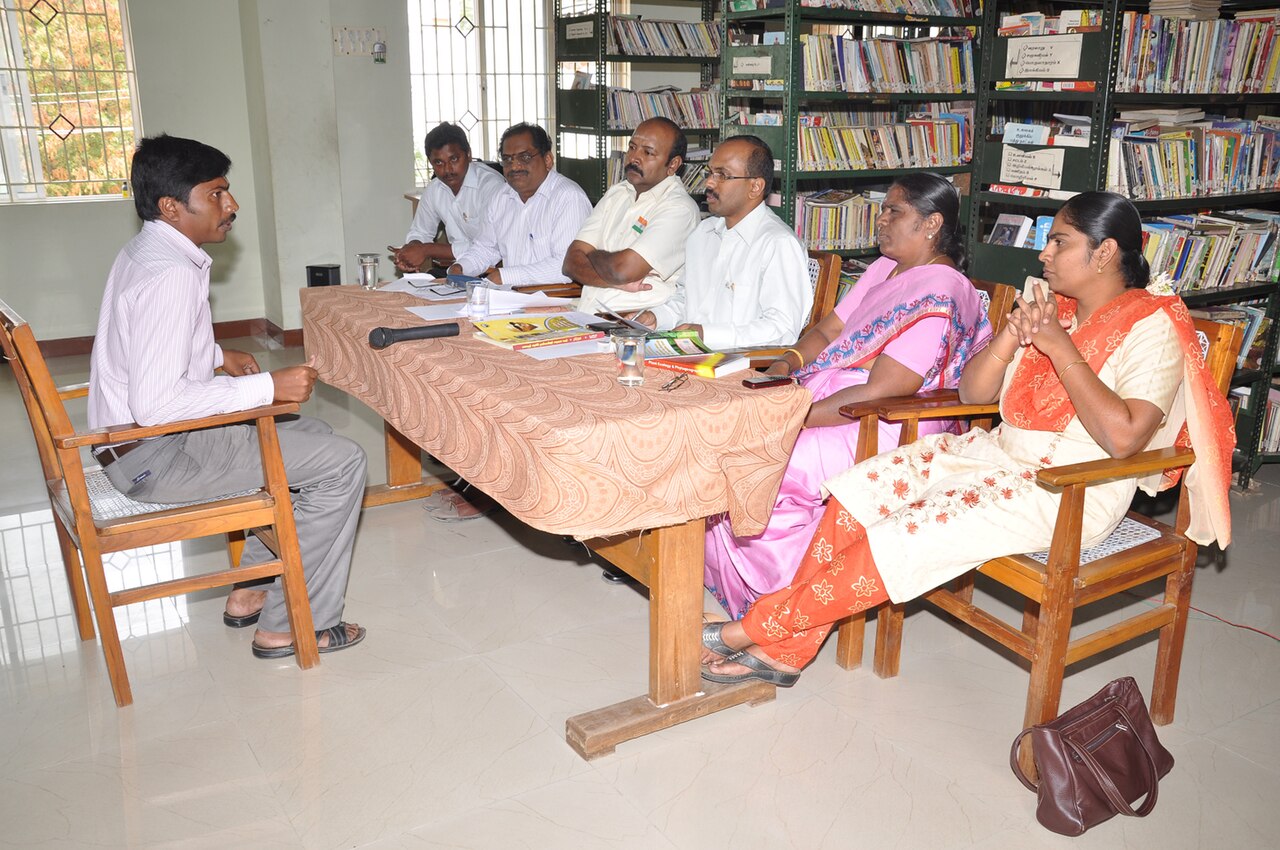
8. Prepare Honest, Confident Interview Answers
Interviews worry beginners most, but honesty works better than pretending. When asked about experience, do not invent jobs you never had. Instead, give a short, honest answer that points to real proof: a project, volunteer work, a course, or a responsibility at school or home. Employers respect candidates who are straightforward about what they know and eager to learn the rest, and honesty is a real strength when you are working out how to get a job with no experience.
Practise the most common questions out loud before the interview: why you want the role, what you are good at, a time you solved a problem, and a time you worked in a team. A mock interview with a friend or family member is excellent practice, because it shows you which answers sound confident and which need more detail.
9. Follow Up and Keep Improving
After you apply or interview, a short, polite follow-up can help you stand out. A brief email thanking the interviewer and repeating your interest in the role is enough. Do not send repeated messages or demand an answer: one polite follow-up shows professionalism, while several can annoy the employer.
If you are rejected, ask for brief feedback when the employer offers that option. Even a single sentence about what was missing helps you improve. Update your resume, practise the weak answer, or add a missing skill, and apply again. Learning how to get a job with no experience is a process, and persistence is part of the skill.
What to Do When Applications Get No Reply
Silence is normal, especially at the start, and it is rarely personal. Employers can receive hundreds of applications for one role, and many only contact shortlisted candidates. If you are wondering how to get a job with no experience and hearing nothing back, review your approach before assuming the problem is you: is your resume clear and free of errors? Are you applying for roles that match your current skills? Is your cover note specific to each employer?
Consider widening your search: nearby towns, different shifts, temporary roles, or a related field with more openings. Temporary and part-time work can lead to permanent roles and gives you the experience that makes the next application stronger. For structured job-search help, CareerOneStop, run by the U.S. Department of Labor, offers free guidance on resumes, interviews, and training options. Use official resources like this to check advice, rather than trusting anyone who charges a fee for a guaranteed job.
Common Mistakes to Avoid
When you are learning how to get a job with no experience, avoid these common mistakes:
- Applying for every role with the same generic resume and cover note.
- Claiming experience you do not have. Employers check, and being caught ends your chances.
- Waiting until you feel fully ready before applying. You will learn faster by applying and improving.
- Ignoring entry-level, temporary, or part-time roles because they seem too small. They are often the first step in.
- Skipping the advert’s instructions, such as a requested document or application method.
- Giving up after a few rejections. Most job searches take time, and each attempt teaches you something.
Quick Checklist Before You Apply
Run through this checklist before you send each application:
- I have read the full advert and understand what the role involves.
- My resume highlights skills that match this role, with real examples.
- My cover note is specific to this employer and this role.
- I have checked spelling, dates, and contact details.
- I know what I will say if asked about my lack of experience.
- I have recorded the application in my tracker so I can follow up.
Conclusion
Learning how to get a job with no experience is a challenge, but it is a challenge thousands of people overcome every year. The pattern is simple: choose roles that welcome beginners, build small pieces of proof, present your skills clearly, and keep applying and improving. You do not need a perfect background to start; you need a clear plan and the patience to follow it.
If you are still deciding which direction to take, our guide on how to choose a career path can help you pick a field worth pursuing. And if your resume needs work first, our guide to writing a resume with no experience will help you present your skills with confidence. Start with one step today: pick a role, prepare your proof, and send your first tailored application.
Frequently Asked Questions
Can I get a job with no experience at all?
Yes. Many entry-level roles are designed for beginners and include training. Employers in retail, hospitality, customer service, warehousing, and care often hire people with no previous job, as long as you show reliability, a willingness to learn, and basic skills. When people ask how to get a job with no experience, the honest answer is that volunteering, short courses, and small projects can strengthen your application further.
How many jobs should I apply for?
There is no magic number, but applying widely improves your chances, especially at the start. Aim for a steady rhythm, such as several tailored applications each week, rather than a single burst of generic ones. Quality still matters: a tailored application to a suitable role is worth more than ten identical ones.
Should I lie about experience on my resume?
No. Invented jobs, dates, or qualifications can be discovered through references or background checks, and being caught usually ends your application immediately. It is far better to be honest about your level and to show what you can do through projects, volunteering, and courses.
Do I need a degree to get my first job?
Not for most entry-level roles. Many employers value practical skills, reliability, and a good attitude over formal qualifications. Some fields, such as healthcare or engineering, do require specific qualifications, so check the requirements of your target field before you choose a training route.
How long does it usually take to find a first job?
It varies widely. Some people find work within weeks, while others search for months, depending on the local job market, the roles they target, and how many applications they send. If you are learning how to get a job with no experience and your search is slow, review your resume, widen the roles you consider, and ask employers or advisers for feedback.