Best Trade Jobs Without a Degree: Pay and Training
The best trade jobs without a degree offer something a university degree often does not: a clear, paid route into skilled work. Instead of spending four years in lectures and taking on student debt, you learn a trade through an apprenticeship, a certificate course, or on-the-job training — and in many trades you earn a wage while you learn. Electricians, plumbers, welders, HVAC technicians, carpenters, and other skilled tradespeople keep homes, factories, hospitals, and whole cities running, and employers across the United States and Europe are actively looking for them.
This guide is a trades-only list. It does not mix in office jobs or other roles that happen not to need a degree. Every job below is a hands-on skilled trade, and for each one you will find the same three facts that matter most when you are choosing: the median pay from the U.S. Bureau of Labor Statistics (BLS), how long training usually takes, and whether you need a license or certificate to work. Pay figures are national medians from the Bureau of Labor Statistics Occupational Outlook Handbook, May 2025 data, with growth projections for 2025 to 2035. Pay changes every year, and it varies by state, city, and employer, so always check the current figure on the official BLS page for the trade before you make a decision. The point of the numbers here is comparison: they show you, honestly, which trades pay the most, which ones you can enter fastest, and which ones are growing.
Table of Contents
Quick Answer
The best trade jobs without a degree are elevator installer and repairer (median pay $109,910 a year), electrical power-line installer ($95,320), boilermaker ($76,410), wind turbine technician ($64,120), electrician ($63,190), plumber ($63,800), and HVAC technician ($61,010).
If you want the fastest entry, solar panel installer and welder can be started after a course of a few months. If you want the highest pay, elevator installation and power-line work lead the list but need a long apprenticeship. If you want the most job openings, electricians, plumbers, carpenters, and HVAC technicians have tens of thousands of openings every year. Most trades are learned through a paid apprenticeship lasting three to five years, or a certificate course lasting six months to two years, and many require a state license or an industry certificate such as the EPA 608 for HVAC work. Check the current pay and licensing rules on the BLS Occupational Outlook Handbook before you commit.
Best Trade Jobs Without a Degree at a Glance
| Trade | Median Pay (BLS, May 2025) | Typical Training | License or Certificate | Job Growth 2025–2035 |
|---|---|---|---|---|
| Elevator installer and repairer | $109,910 | 4-year apprenticeship | State license in most states | +6% |
| Electrical power-line installer | $95,320 | 3–4 year apprenticeship | Journeyman credential | +10% |
| Boilermaker | $76,410 | About 4-year apprenticeship | None generally; union apprenticeship | −2% |
| Wind turbine technician | $64,120 | Certificate, 6–18 months | Safety certifications | +30% |
| Plumber, pipefitter, steamfitter | $63,800 | 4–5 year apprenticeship | State license | +7% |
| Electrician | $63,190 | 4–5 year apprenticeship | State license | +9% |
| Sheet metal worker | $61,800 | 4–5 year apprenticeship | None generally | +3% |
| Ironworker | $61,910 | 3–4 year apprenticeship | None generally; certifications help | +1% |
| HVAC technician | $61,010 | Certificate 6 months–2 years | EPA 608 certificate | +11% |
| Diesel mechanic | $61,770 | 1–2 year program or apprenticeship | ASE certification preferred | +4% |
| Carpenter | $60,580 | Apprenticeship or on-the-job training | None generally | +4% |
| Solar photovoltaic installer | $53,140 | Course of a few months | NABCEP certification helps | +37% |
| Welder | $53,750 | 6–18 month program plus certifications | Welding certifications | +2% |
| Automotive technician | $50,620 | 6–18 month program or apprenticeship | ASE certification preferred | +5% |
All pay figures are national medians from the BLS Occupational Outlook Handbook, May 2025. Growth figures are BLS projections for 2025 to 2035. Verify the current figures on the official BLS page for each trade, because BLS updates them every year.
How to Choose the Right Trade for You
Before you look at the list trade by trade, it helps to know how to compare them. Pay is only one part of the decision, and the highest-paying trade is not automatically the best choice for you. The best trade jobs without a degree reward hands-on skill more than formal credentials, so compare training time and licensing as well as pay.
First, think about how long you can afford to train. A four-year apprenticeship pays you while you learn, so it suits people who need an income from day one. A six-month certificate course gets you working faster, but you may need to pay tuition and live without a full wage while you study. Ask yourself which trade-off fits your life right now.
Second, think about the work itself. Some trades are mostly outdoors and physical, such as ironwork, roofing, and power-line work. Others are mostly indoors, such as sheet metal work in a fabrication shop or HVAC service calls inside buildings. Some trades involve heights, confined spaces, heat, or heavy lifting. Try to spend a day shadowing a worker or watching honest day-in-the-life videos before you commit, because the daily reality matters more than the salary figure.
Third, check licensing where you live. In the United States, electricians and plumbers need a state license almost everywhere, and the license usually comes in stages: apprentice, then journeyman, then master. Other trades, such as carpentry and welding, are mostly governed by employer standards and industry certifications rather than a state license. If you live outside the United States, the names and rules will differ, but the pattern is the same: some trades are licensed, some are certified, and some rely on your employer. Always check your state or country’s official rules first.
Fourth, look at demand near you. National growth figures are a useful guide, but construction, energy, and repair work are local. A trade that is booming in Texas may be quiet in a small town elsewhere. Check job boards for your area and count the real openings before you choose.
Finally, think about the long term. The trades that reward experience most are the ones where you can become a journeyman, then a master, then a supervisor, and eventually run your own business. Almost every trade on this list has that path. The most in-demand skills in the wider job market also overlap with trade skills — problem solving, working with tools and technology, and dealing with customers — so the skills you build in a trade stay useful even if you change direction later. The best trade jobs without a degree reward hands-on skill more than formal credentials, so compare training time and licensing as well as pay.
1. Electrician

Electricians install, maintain, and repair the electrical systems that power homes, businesses, and factories. The work ranges from wiring a new house, to fitting lighting and sockets, to fault-finding in a factory, to installing electric vehicle chargers and solar connections. It is one of the largest trades, with tens of thousands of openings every year, and it is one of the most reliable career choices on this list.
Pay: The BLS median annual wage for electricians was $63,190 in May 2025, and the top 10 percent earned more than $100,000. Employment is projected to grow about 9 percent from 2025 to 2035, much faster than the average for all occupations, with roughly 72,700 openings a year. Check the current figure on the BLS electricians page before you decide, because it is updated annually.
Training: Most electricians learn through a four- to five-year paid apprenticeship, which combines classroom teaching with supervised work on real jobs. You can also start with a technical school certificate and then enter an apprenticeship. Apprentices are paid from the start, and their pay rises as they gain skills.
Licensing: Almost every U.S. state requires electricians to be licensed. The usual path is apprentice, then journeyman after passing an exam, then master electrician after more experience and another exam. A license is also what lets you work independently or run your own contracting business. Rules vary by state, so check your state licensing board for the exact requirements.
Who it suits: People who like solving problems, working with their hands, and doing varied work in different places. The job involves some physical work and working at heights, but less heavy lifting than some other trades. If you enjoy understanding how things work and fixing them when they do not, electrical work is a strong fit.
2. Plumber, Pipefitter, and Steamfitter
Plumbers install and repair the water, drainage, and gas systems in homes and commercial buildings. Pipefitters and steamfitters do similar work on larger industrial systems, moving water, steam, and chemicals through factories and power plants. The BLS groups these three together because their training and pay are closely linked.
Pay: The BLS median annual wage for plumbers, pipefitters, and steamfitters was $63,800 in May 2025, with the top 10 percent earning well above $100,000. Employment is projected to grow about 7 percent from 2025 to 2035. Plumbing also has one of the clearest routes to self-employment: experienced plumbers commonly run their own service business.
Training: The standard route is a four- to five-year paid apprenticeship, combining classroom instruction with on-the-job training under a licensed plumber. Some people start with a short trade school course and then enter an apprenticeship. Apprentices earn a wage from the beginning, which rises as they progress.
Licensing: Most U.S. states require plumbers to hold a license, again in stages from apprentice to journeyman to master plumber. The exam covers plumbing codes, which vary by state and city, so you must learn the code where you plan to work. Check your state licensing board for the current rules.
Who it suits: People who are comfortable with physical, sometimes messy work and who like solving practical problems in people’s homes and workplaces. Plumbers deal directly with customers, so clear communication and reliability matter as much as technical skill. Emergency callouts are common, and they often pay extra.
3. HVAC Technician
HVAC technicians — heating, ventilation, air conditioning, and refrigeration mechanics and installers — install and service the systems that heat and cool homes, offices, hospitals, and shops. As buildings become more energy efficient and heat pumps and smart controls spread, demand for this trade is rising fast.
Pay: The BLS median annual wage for HVAC mechanics and installers was $61,010 in May 2025. Employment is projected to grow about 11 percent from 2025 to 2035, much faster than average, with roughly 40,600 openings a year. Experienced technicians who specialize in commercial systems or refrigeration can earn considerably more than the median.
Training: Most HVAC technicians complete a certificate or diploma program lasting six months to two years at a trade school or community college, followed by on-the-job training. Apprenticeships are also available. This is one of the quicker routes into a well-paid trade, and it is a good choice if you want to start earning within a year or two.
Licensing: The key certificate is the EPA 608 certification, which is legally required in the United States for anyone who handles refrigerants. Many states and employers also require additional licenses, and some employers prefer technicians with NATE certification. Check your state’s rules before you enroll in a course.
Who it suits: People who like variety — every service call is a different building and a different fault — and who are comfortable working in attics, on rooftops, and in plant rooms. The work is seasonal in many places, with summer cooling and winter heating peaks, so expect busy periods and overtime.
4. Welder
Welders join and cut metal parts for everything from structural steel and pipelines to ships, cars, and heavy equipment. Welding is a skill that appears in many industries, so welders can move between construction, manufacturing, shipbuilding, and energy work.
Pay: The BLS median annual wage for welders, cutters, solderers, and brazers was $53,750 in May 2025. Employment is projected to grow about 2 percent from 2025 to 2035, which is slower than average for general welding — but the headline figure hides the real story. Welders who specialize in pipeline work, underwater welding, or high-pressure work earn far more than the median, and the top 10 percent earned more than $77,000.
Training: Most welders complete a technical training program lasting six to eighteen months, then build experience on the job. Apprenticeships are also available. Training teaches the main welding processes — MIG, TIG, and stick welding — and practice on real joints matters more than classroom time.
Licensing: Welders are not usually licensed by the state, but they are certified for specific processes and materials by organizations such as the American Welding Society. Employers often require a welding test before they hire you, and keeping your certifications current is how you move into the better-paid specialist work.
Who it suits: People with steady hands, good eyesight, and patience for precise, focused work. Welding involves heat, sparks, and fumes, so safety discipline is essential. If you enjoy making things and seeing a finished, physical result at the end of the day, welding is deeply satisfying work.
5. Carpenter
Carpenters build, repair, and install building frameworks and structures made from wood and other materials — framing houses, fitting doors and stairs, building cabinets, and finishing interiors. It is the largest construction trade, with hundreds of thousands of workers, which means there are entry points almost everywhere.
Pay: The BLS median annual wage for carpenters was $60,580 in May 2025. Employment is projected to grow about 4 percent from 2025 to 2035, with roughly 62,800 openings a year, most of them replacing workers who retire or change jobs. Finish carpenters who do high-quality interior work often earn more than framing carpenters.
Training: Carpenters usually learn through a three- to four-year apprenticeship or through on-the-job training with an experienced carpenter. Some start with a short trade school course. Because the trade is so large, it is often possible to start as a carpenter’s helper with no formal training and learn while you earn.
Licensing: Carpenters are not generally licensed by the state, although some states and cities require a contractor’s license if you run your own business. Employers judge you mainly by your skill, your tools, and your work record.
Who it suits: People who like building things they can see and touch, and who enjoy working on different sites rather than in one fixed place. Carpentry is physical work and mostly outdoors in the early stages of a building, so it suits people who do not mind weather and heavy materials.
6. Elevator Installer and Repairer
Elevator and escalator installers and repairers install, maintain, and fix elevators, escalators, moving walkways, and other lifts. It is the highest-paying trade on this list, and one of the smallest — which is part of why the pay is high.
Pay: The BLS median annual wage was $109,910 in May 2025, and the top 10 percent earned more than $158,000. Employment is projected to grow about 6 percent from 2025 to 2035, with around 1,900 openings a year. The small number of openings means competition for apprenticeships is strong, but the pay reflects that.
Training: Elevator installers typically learn through a four-year apprenticeship run by an employer or a union, combining classroom teaching with paid work. The work involves electrical, mechanical, and hydraulic systems, so the training is broad and demanding.
Licensing: Most U.S. states require elevator installers to be licensed, and the rules vary widely by state. Check your state licensing board before you apply for an apprenticeship.
Who it suits: People who are comfortable with heights, confined spaces, and complex machinery, and who can work carefully under pressure — a lift that stops working in a hospital or a tower block needs to be fixed safely and quickly. This trade suits patient, methodical people who like mechanical and electrical systems together.
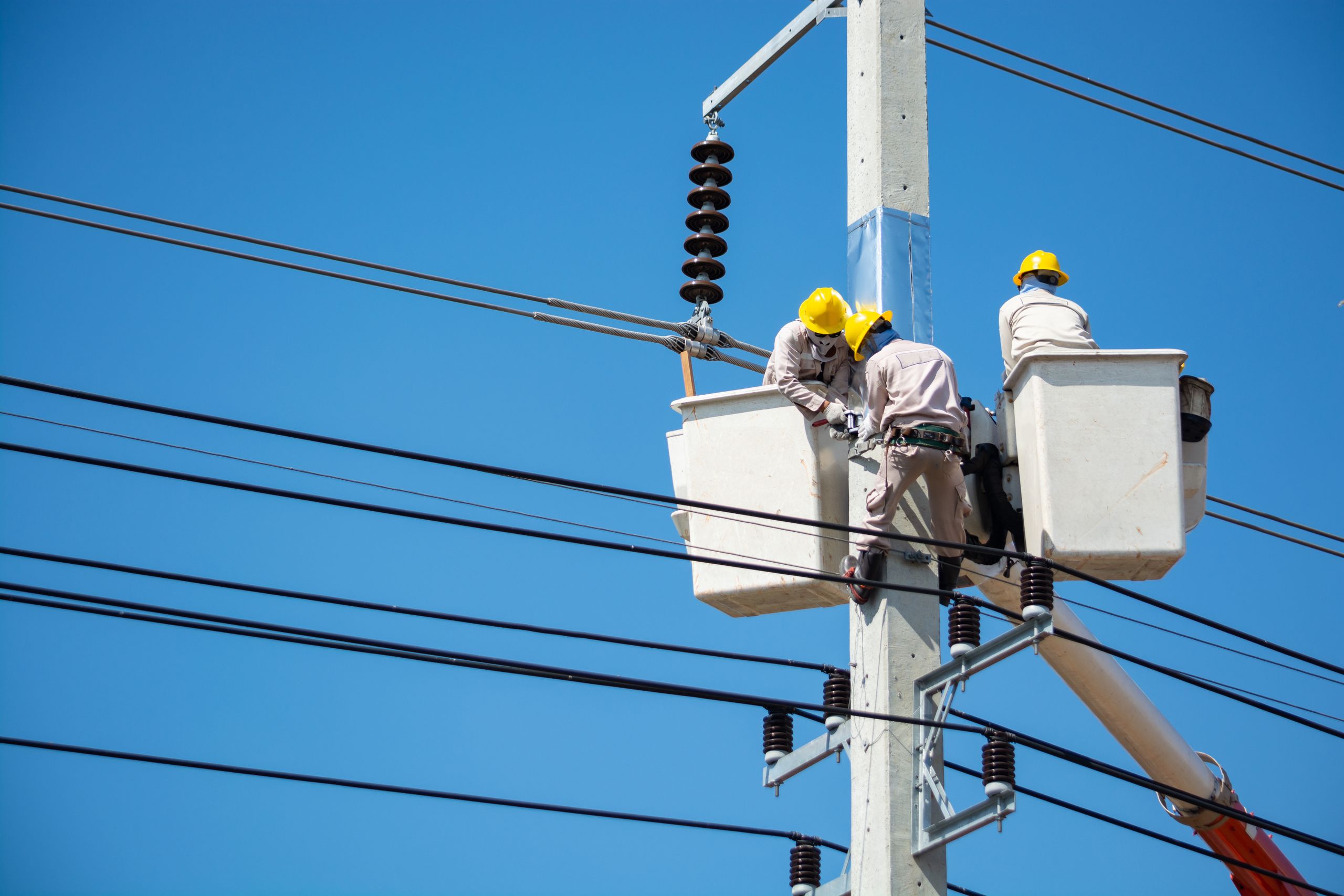
7. Electrical Power-Line Installer and Repairer
Power-line installers, often called lineworkers, install and repair the overhead and underground lines that carry electricity from power stations to homes and businesses. They also work on the poles, towers, and substations that support those lines.
Pay: The BLS median annual wage was $95,320 in May 2025, and the top 10 percent earned more than $128,000. Employment is projected to grow about 10 percent from 2025 to 2035, with around 10,900 openings a year. Storm work and overtime can push earnings well above the median, and the work is in demand as grids are upgraded and extended.
Training: Lineworkers usually complete a three- to four-year apprenticeship, often run by a utility company or a union, after a short technical program. Training covers climbing, safety procedures, and working with high-voltage equipment. It is physically demanding work with a strong safety culture.
Licensing: Lineworkers are not licensed in the same way as electricians, but they earn a journeyman lineworker credential after completing their apprenticeship, and employers require safety certifications. A commercial driving license is often needed as well.
Who it suits: People who are fit, comfortable working at height and outdoors in all weather, and able to follow safety rules exactly. Lineworkers are often called out in storms and emergencies, so the hours can be irregular — but the pay and the sense of doing essential work reflect that.
8. Boilermaker
Boilermakers assemble, install, maintain, and repair boilers, closed vats, and other large vessels that hold liquids and gases, mostly in power plants, factories, and shipyards. It is heavy, specialist work, and the trade is small.
Pay: The BLS median annual wage was $76,410 in May 2025. Employment is projected to decline about 2 percent from 2025 to 2035, with only around 700 openings a year, so this is a trade to enter with your eyes open: the pay is high, but the number of jobs is small and shrinking slightly. Workers who are willing to travel to where the work is — power plants and industrial sites across the country — do best.
Training: Boilermakers usually learn through an apprenticeship of about four years, often run by a union, which combines classroom teaching with work on industrial sites. A high school diploma or equivalent is the usual entry requirement.
Licensing: Boilermakers are not generally licensed by the state, but the work is heavily regulated by safety rules, and employers require safety training and certifications for the specific equipment involved.
Who it suits: People who are strong, comfortable with heavy industrial work, and willing to travel. The work often involves working in confined spaces inside boilers and tanks, and in hot, noisy environments. If you like big industrial projects and do not mind being away from home, boilermaking pays well.
9. Sheet Metal Worker
Sheet metal workers fabricate or install products made from thin metal sheets: ductwork for heating and cooling systems, roofing, gutters, and metal parts for buildings and factories. Some work in workshops, others on construction sites installing what the workshop made.
Pay: The BLS median annual wage was $61,800 in May 2025. Employment is projected to grow about 3 percent from 2025 to 2035, with around 9,800 openings a year. Workers who specialize in architectural sheet metal or in HVAC ductwork often earn more.
Training: Most sheet metal workers learn through an apprenticeship, typically four to five years for construction work, or through a shorter program for manufacturing work. Training covers measuring, cutting, bending, and joining sheet metal, reading drawings, and installing finished products.
Licensing: Sheet metal workers are not generally licensed by the state. Employers judge you by your apprenticeship record and your ability to read drawings and produce accurate work.
Who it suits: People who like precise, measured work and who enjoy seeing a flat sheet of metal become a finished duct, roof, or fitting. It suits people who are comfortable with both workshop work and site installation, and who have good spatial awareness.
10. Ironworker
Ironworkers install structural and reinforcing iron and steel to form and support buildings, bridges, and roads. Structural ironworkers put up the steel frames of buildings; reinforcing ironworkers, often called rod busters, place the steel bars inside concrete.
Pay: The BLS median annual wage for ironworkers was $61,910 in May 2025. Employment is projected to grow about 1 percent from 2025 to 2035, with around 6,800 openings a year. Structural ironworkers earn slightly more than the group median. The work is often paid by the hour with overtime on large projects.
Training: Most ironworkers learn through a three- to four-year apprenticeship, often run by a union, or through on-the-job training. Apprentices learn rigging, welding, reading drawings, and working safely at height.
Licensing: Ironworkers are not generally licensed by the state, but certifications in welding and rigging help you get hired and earn more. Safety training is essential, because the work is done at height with heavy materials.
Who it suits: People who are fit, not afraid of heights, and comfortable working outdoors on large construction projects. Ironwork is one of the most physically demanding and most visible trades — you can point at a building and say you helped put it up — and it suits people who like that kind of pride in their work.
11. Solar Photovoltaic Installer

Solar photovoltaic installers, often called solar installers, assemble, install, and maintain solar panel systems on roofs and in solar farms. This is the fastest-growing trade on this list, driven by the spread of solar power in homes, businesses, and large energy projects.
Pay: The BLS median annual wage was $53,140 in May 2025. Employment is projected to grow about 37 percent from 2025 to 2035 — the fastest growth of any trade here — although the occupation is still small, with around 31,000 jobs. Pay is lower than in the licensed trades, but it rises quickly with experience, and installers who move into design, sales, or project management earn more.
Training: Most solar installers learn through a short course lasting a few months, followed by on-the-job training, or through an apprenticeship. Some community colleges and trade schools offer certificate programs. This is one of the fastest routes into a trade, and it is a good first step for people who want to work in renewable energy.
Licensing: Solar installers are not generally licensed by the state, but the NABCEP certification — from the North American Board of Certified Energy Practitioners — is widely respected and helps you get hired and earn more. In some states, electrical work on a solar system must be done or supervised by a licensed electrician, so check your state rules.
Who it suits: People who care about renewable energy, are comfortable working on roofs and outdoors, and want to enter a growing industry quickly. Solar installation is also a good stepping stone: many installers later train as electricians, which opens up higher pay.
12. Wind Turbine Technician
Wind turbine technicians, also called wind techs, inspect, maintain, and repair wind turbines. They climb towers that are often more than 80 metres tall, work on the electrical and mechanical systems inside, and keep the turbines running safely.
Pay: The BLS median annual wage was $64,120 in May 2025, and the top 10 percent earned more than $92,000. Employment is projected to grow about 30 percent from 2025 to 2035, one of the fastest growth rates of any occupation, although the occupation is small, with around 1,500 openings a year. Much of the work is in rural areas where wind farms are built, so be prepared to live or travel there.
Training: Most wind turbine technicians complete a certificate program lasting six to eighteen months at a technical school, followed by on-the-job training. Some complete an associate degree. Training covers electrical systems, hydraulics, and safety, including climbing and rescue procedures.
Licensing: Wind turbine technicians are not generally licensed by the state, but employers require safety certifications, including tower climbing and rescue training, and often first aid and CPR. Check what your target employer requires before you enroll in a course.
Who it suits: People who are fit, comfortable with extreme heights, and happy working outdoors in remote places. Wind techs often work in small teams and travel between sites, so independence and reliability matter. If you like renewable energy and do not mind heights, this is one of the most exciting trades on the list.
13. Diesel Mechanic
Diesel service technicians and mechanics inspect, repair, and maintain diesel engines in trucks, buses, construction equipment, and farm machinery. As trucks and heavy equipment keep running on diesel and, increasingly, on hybrid systems, skilled diesel mechanics stay in demand.
Pay: The BLS median annual wage was $61,770 in May 2025. Employment is projected to grow about 4 percent from 2025 to 2035, with around 24,400 openings a year. Mechanics who work for dealerships or on large fleets, and those with specialist certifications, often earn more than the median.
Training: Most diesel mechanics complete a one- to two-year certificate or associate program at a trade school or community college, or learn through an apprenticeship. Training covers diesel engines, brakes, steering, electronics, and diagnostic equipment, which is increasingly computer-based.
Licensing: Diesel mechanics are not generally licensed by the state, but ASE certification — from the National Institute for Automotive Service Excellence — is widely preferred by employers and is the main way to prove your skill and raise your pay.
Who it suits: People who like big machines, diagnostics, and problem solving. Diesel work is physical and often greasy, but it is also increasingly technical, with electronic diagnostics playing a bigger role every year. If you enjoy taking things apart and working out why they stopped working, this trade fits.
14. Automotive Technician
Automotive service technicians and mechanics inspect, maintain, and repair cars and light trucks — everything from routine servicing and brakes to engine diagnostics and, increasingly, electric and hybrid vehicles.
Pay: The BLS median annual wage was $50,620 in May 2025. Employment is projected to grow about 5 percent from 2025 to 2035, with around 66,200 openings a year. The median is lower than in most trades on this list, but experienced technicians, especially those who specialize in diagnostics or electric vehicles, earn considerably more, and the top 10 percent earned more than $81,000.
Training: Most automotive technicians complete a certificate or diploma program lasting six to eighteen months at a trade school, followed by on-the-job training, or learn through an apprenticeship. As cars become more electronic, training in diagnostics and electric vehicle systems matters more every year.
Licensing: Automotive technicians are not generally licensed by the state, but ASE certification is the industry standard and is preferred by most employers. Master technician status, earned by passing a series of ASE exams, is the route to higher pay.
Who it suits: People who love cars, enjoy diagnostic puzzles, and are comfortable learning new technology as vehicles change. This is also one of the easiest trades to enter with no experience: many garages hire trainee technicians and train them on the job. If you are starting from scratch, read how to get a job with no experience alongside this guide, because the advice on getting a first foot in the door applies directly to trainee garage roles.
How to Start a Trade Career Step by Step
Knowing the list is not enough. Here is the practical sequence that works for almost every trade on this list. The best trade jobs without a degree follow a similar entry route, so these steps work for almost every trade on this list.
Step 1: Pick two or three trades, not fourteen. Use the table above to narrow the list to two or three trades that fit your pay hopes, your training time, and the work you actually want to do every day. Then research only those in depth.
Step 2: Check the rules where you live. Look up licensing, certification, and apprenticeship rules on your state or country’s official website. This step is free and it prevents the most expensive mistake in trade careers: training for a trade and then finding out you cannot legally work in it where you live.
Step 3: Talk to people doing the job. Ask a working electrician, plumber, or welder what a normal week looks like, what the worst part of the job is, and what they wish they had known before they started. A ten-minute honest conversation is worth more than ten hours of reading. Local trade unions and colleges often run open days where you can ask these questions.
Step 4: Apply for apprenticeships first. Apprenticeships are the best deal in trade training: you are paid while you learn, and you finish with experience that employers value. Applications are competitive, especially for elevator installation and power-line work, so apply to several employers and unions, and apply early. Trade schools are a good second route if apprenticeships are full.
Step 5: Get the certificate that employers ask for. For HVAC it is the EPA 608. For welding it is a process certification. For automotive and diesel work it is ASE. Do not collect certificates at random — find out which one employers in your area actually ask for in job adverts, and get that one first.
Step 6: Build a simple work record. Keep a log of the jobs you complete, the skills you practise, and the certificates you earn. When you apply for a journeyman role or a better-paid job, this record is your proof. Take photos of finished work where your employer allows it, and ask supervisors for written references.
Step 7: Keep learning after you qualify. The trades change. Electricians now install vehicle chargers and solar connections. Automotive technicians now work on electric vehicles. HVAC technicians now work with heat pumps and smart controls. The workers who earn the most are usually the ones who kept learning after their apprenticeship ended.
Common Mistakes to Avoid When Choosing a Trade
Choosing Only by the Highest Salary
The highest-paying trade is not the best trade for everyone. Elevator installation pays more than $100,000 a year, but it has very few openings and a competitive apprenticeship. A trade you enjoy, with many local openings, will earn you more over a career than a trade you dislike and leave after two years.
Skipping the Licensing Check
Some people pay for a training course and only then discover that their state requires a license with different training. Check the rules first, in writing, from the official source, and choose training that matches those rules. This is the single most expensive mistake you can make, and it is entirely avoidable.
Paying for an Expensive Course Before Trying the Work
A costly private course is not always better than a paid apprenticeship or a community college program. Compare the price, the hands-on time, the certificate you receive, and what past students say about finding work. Never pay a large fee upfront without checking whether the same training is available cheaper through a public college or an employer.
Ignoring Your Body
Trades are physical. Knees, backs, shoulders, and hearing all take wear over a career. Learn safe lifting, use protective equipment every time, and take the safety training seriously from day one. The workers who last thirty years in a trade are usually the ones who protected their bodies early.
Stopping Learning After the First Certificate
A first certificate gets you hired. The second and third certificates — master license, specialist welding certification, NATE for HVAC, ASE master status — are what raise your pay. Plan your next qualification before you finish the first one.
Underestimating the Business Side
Many tradespeople eventually work for themselves, and self-employment brings paperwork: quoting, invoicing, tax, insurance, and finding customers. If you plan to go self-employed one day, learn the basics of running a small business while you are still employed, when the risk is low.
Getting Started Checklist
- Narrow the list to two or three trades that fit your pay hopes, training time, and preferred work
- Check the current BLS median pay for those trades on the official BLS Occupational Outlook Handbook pages
- Check your state or country’s licensing and certification rules from the official source
- Talk to at least one person working in each trade you are considering
- Apply for paid apprenticeships with several employers or unions
- Compare trade school courses on price, hands-on time, and the certificate they award
- Get the certificate employers in your area actually ask for, such as EPA 608 for HVAC or ASE for automotive work
- Keep a written log of jobs, skills, and certificates from your first day
- Plan your next qualification — journeyman license, master license, or specialist certification — before you finish the first one
- Learn safe lifting and protective equipment habits from day one
- Check job openings for your chosen trade in your local area before you commit
- Set a start date and apply, rather than researching for months without acting
Conclusion
The best trade jobs without a degree are not a consolation prize for people who skipped university. They are skilled, respected careers with clear training routes, real pay, and a path to running your own business. Elevator installers and power-line workers earn more than many university graduates. Electricians, plumbers, and HVAC technicians have tens of thousands of openings every year and skills that are needed in every town. Solar and wind technicians are entering the fastest-growing energy industries of the next decade. And welders, carpenters, sheet metal workers, and ironworkers build the world around us.
The right trade for you is the one that fits your life: the training time you can afford, the work you enjoy doing, the licensing rules where you live, and the demand in your area. Pick two or three from this list, check the current BLS figures and your local licensing rules, talk to someone doing the job, and apply for an apprenticeship. You do not need a degree to start — you need a decision, a plan, and the willingness to learn a skill properly. That is exactly what the trades reward. Choosing among the best trade jobs without a degree is easier once you have checked pay, training, and licensing in your area.
FAQ
What is the highest-paying trade job without a degree?
Elevator installer and repairer is the highest-paying trade on this list, with a BLS median annual wage of $109,910 in May 2025, followed by electrical power-line installer at $95,320. Both need a long apprenticeship, and elevator installation has very few openings each year, so competition for places is strong. Check the current figures on the BLS Occupational Outlook Handbook, because BLS updates them every year.
How long does it take to train for a trade without a degree?
It depends on the trade. Solar installation and some welding courses take a few months, and HVAC and automotive certificate programs usually take six months to two years. The licensed trades — electrician, plumber, sheet metal worker, and ironworker — usually take three to five years through a paid apprenticeship. Apprentices earn a wage while they train, so the longer route is not unpaid time.
Do I need a license to work in a trade?
It depends on the trade and where you live. In the United States, electricians and plumbers almost always need a state license, and elevator installers need one in most states. Other trades are governed by industry certificates rather than a state license: the EPA 608 certificate for HVAC work, welding certifications for welders, and ASE certification for automotive and diesel mechanics. Always check your state or country’s official rules before you start training.
Which trade job is easiest to get into without experience?
Solar photovoltaic installation and carpentry are among the easiest to enter, because employers often hire helpers with no formal training and teach them on the job, and the courses are short. Automotive technician trainee roles are also common for beginners. Whichever trade you choose, a paid apprenticeship is the best first step, because you learn and earn at the same time.
Are trade jobs in demand in 2026?
Yes. The BLS projects faster-than-average growth from 2025 to 2035 for electricians (about 9 percent), HVAC technicians (about 11 percent), power-line installers (about 10 percent), solar installers (about 37 percent), and wind turbine technicians (about 30 percent). Electricians, plumbers, carpenters, HVAC technicians, and automotive technicians also have tens of thousands of openings every year. Demand varies by area, so check job openings near you, and verify the current projections on the BLS Occupational Outlook Handbook.