Best Jobs for 18 Year Olds: Pay and How to Start
The best jobs for 18 year olds are the ones that actually hire at 18, pay a fair wage for the work, fit around school or college, and teach skills that help with the next job. Turning 18 opens doors that stay shut for younger teenagers: most employers can hire you for evening and weekend shifts without the strict hour limits that apply to 16- and 17-year-olds, you can work in warehouses and kitchens, drive for some delivery jobs, and take roles that involve operating basic machinery or handling alcohol in some states. This guide ranks the best jobs for 18 year olds by those measures — real hiring at 18, pay, hours, and what the job teaches you — with pay figures from the U.S. Bureau of Labor Statistics (BLS), and practical advice on how to apply and get hired with little or no experience.
Your first job at 18 is not just about the paycheque. It is where you learn how work actually functions: showing up on time, dealing with customers, handling a manager, working as part of a team, and managing your own money for the first time. The jobs in this guide are chosen because they hire 18-year-olds in large numbers across the United States, they are open to applicants with no experience, and they lead somewhere — either to better pay in the same field or to skills that transfer to the career you want next. A good first job at 18 is a foundation, not a destination.
Table of Contents
Quick Answer
The best jobs for 18 year olds include retail sales associate, cashier, fast food team member, barista, customer service representative, warehouse associate, stock clerk, delivery driver, hotel front desk agent, childcare assistant, and lifeguard. Most of these pay roughly $13 to $20 an hour to start, depending on the role, the employer, and the state, with customer service and warehouse roles usually at the higher end. The fastest route in is a short, simple application, a one-page resume that lists school, any part-time work, volunteering, or projects, and applying to several employers at once rather than waiting on one.
At 18 you can work unlimited hours in most jobs, work late shifts, and take roles that are closed to younger teens, but you still cannot work in the small number of hazardous occupations the law reserves for workers aged 21 and over in some states. Check current pay figures for any role on the U.S. Bureau of Labor Statistics site before you decide.
What Changes When You Turn 18
Turning 18 changes the rules of work in ways that matter a lot for your job search. Understanding them helps you apply for the right roles and avoid wasting time on jobs you still cannot take.
Federal Rules Loosen — Mostly
In the United States, the Fair Labor Standards Act limits the hours and the types of work for workers under 18. For 16- and 17-year-olds, the federal rules restrict work during school hours and cap the number of hours per week, and they ban a list of hazardous jobs. At 18, those federal hour limits disappear: you can work as many hours as you want, including late nights and early mornings, and you can work during school hours if your schedule allows. That is why employers prefer hiring 18-year-olds for closing shifts, weekend work, and full-time summer roles — you are simply available in a way a 17-year-old is not.
Hazardous Work Still Has Limits
Turning 18 does not remove every restriction. Federal law still bans workers under 18 from the most dangerous occupations — operating certain heavy machinery, roofing, mining, driving a motor vehicle as part of the job in most cases, and working with explosives, among others. A few jobs have higher age limits set by the employer or by state law rather than federal law: serving alcohol usually requires you to be 18 or 21 depending on the state, driving a commercial vehicle across state lines requires you to be 21, and some security and casino roles set their own minimum age at 21.
Always check the job advert and your state’s rules before you apply. In Europe, the rules differ by country: in the United Kingdom, for example, 18-year-olds are treated as adults for most employment purposes, with a higher minimum wage rate than younger workers, while in Germany and France young workers have their own protections that ease at 18. Wherever you are, check the rules in your own country or state rather than assuming they match the American ones.
Pay: The Minimum Wage Steps Up
In the United States there is no separate federal minimum wage for 18-year-olds — the standard federal minimum applies, and many states and cities set a higher minimum of their own. But many employers pay more than the minimum for roles that are hard to fill, and some states let employers pay a lower “youth wage” to workers under 20 for their first 90 days, which no longer applies once you have been on the job for three months. In the United Kingdom, the National Minimum Wage has separate rates by age, and the rate for 18- to 20-year-olds is higher than the rate for 16- and 17-year-olds. The practical point is the same on both sides of the Atlantic: turning 18 usually means a higher legal pay floor, and employers who advertise “must be 18+” are often the ones paying above the minimum. Always check the current minimum wage in your state or country before accepting a job, because the figures change regularly.
Documents and Checks You May Need
At 18 you can sign your own employment contracts, open a bank account in your own name without a parent, and be paid directly. Most employers will ask for proof that you are legally allowed to work — in the United States that means an I-9 form with documents such as a passport or a driving licence plus a Social Security card, and in Europe it usually means a national ID or passport plus a work permit if you are not a citizen. Some jobs also need a background check, especially childcare, healthcare support, and school roles, and some need a driving licence or a food-handler certificate, which are short and cheap to get. Gather your documents before you start applying so a job offer is not delayed by paperwork.
How This List Was Chosen
This guide does not rank jobs by pay alone. A job makes this list only if it meets five tests. First, it must genuinely hire 18-year-olds — not a role that lists 18 as a minimum and then only hires older workers in practice. Second, it must hire in meaningful numbers, so an 18-year-old who applies seriously has a realistic chance. Third, it must pay a fair starting wage, at or above the local minimum, with a path to higher pay. Fourth, it must fit around school or college, or be a sensible full-time first job for someone not in education. Fifth, it must teach skills that stay useful — customer service, reliability, teamwork, cash handling, or a trade skill that leads to better work later. Every role below is judged against those tests, and the downsides of each role are stated honestly alongside the strengths. Pay figures are BLS national medians or typical starting ranges, and they vary by state, employer, and experience — always check the current figures on the BLS site before you plan around them. That is how this guide to the best jobs for 18 year olds was built.

Retail and Food Service: The Classic First Jobs
Retail and food service hire more 18-year-olds than any other sector. The work is not glamorous, but it is available everywhere, it teaches the skills every employer wants, and it is the fastest route to a first paycheque.
Retail Sales Associate
Retail sales associates work in shops, helping customers find products, answering questions, working the till, and keeping shelves stocked. The BLS reports a median hourly wage for retail salespersons of around $15 an hour, with new starters usually earning near the local minimum and experienced staff earning more. The work suits people who are friendly, patient, and comfortable on their feet all day. The hours are flexible — evenings, weekends, and holidays are when shops are busiest, which fits around classes. The main downside is the pay: retail is rarely the best-paid first job, and the work can be repetitive. The upside is real: you learn customer service, cash handling, and how to deal with difficult people, and retail managers are often promoted from the shop floor, so a good sales associate can become a supervisor within a year or two. Large chains such as supermarkets, clothing stores, and home improvement stores hire constantly and train on the job, so no experience is expected.
How to get hired: apply online through the store’s careers page and also walk in and ask whether they are hiring — many stores still keep a list of walk-in applicants. Mention any experience with people, even school or volunteering, and be available for evenings and weekends, because that is when they need staff most.
Cashier
Cashiers scan items, take payments, handle returns, and help customers at the till. The BLS median hourly wage for cashiers is around $14 an hour, with starting pay usually at or near the local minimum. The job is straightforward, the training takes a day or two, and almost every shop, supermarket, and petrol station needs cashiers. The work is repetitive and you spend the whole shift on your feet, but it teaches accuracy with money, patience with customers, and the habit of showing up on time — all of which employers value. Cashier roles are also one of the easiest first jobs to get: employers expect no experience and hire quickly, often within days of an application.
How to get hired: apply to supermarkets and large retailers, which hire in the biggest numbers. Be honest about your availability and reliable about your shifts — managers remember the cashier who never misses a shift.
Fast Food Team Member
Fast food restaurants are one of the largest employers of 18-year-olds in the United States. Team members take orders, prepare food, work the drive-through, and clean the restaurant. The BLS groups fast food and counter workers together with a median hourly wage of around $14 an hour, though many chains now pay above that to attract staff. The work is fast, loud, and physical, with evening and weekend shifts and a team that depends on everyone pulling their weight. The benefits are real: free or discounted meals, flexible scheduling, and promotion paths — many fast food managers started as team members, and the training in speed, teamwork, and working under pressure is genuinely useful. The downsides are the pay, the heat and noise of a kitchen, and the fact that the work can be tiring. But as a first job, fast food teaches more about real work in three months than most other roles teach in a year.
How to get hired: apply online and in person, and be ready to start quickly — fast food managers often interview and hire within the same week. Say you are happy to work evenings and weekends, because those are the shifts they struggle to fill.
Barista
Baristas make coffee and other drinks, serve customers, take payments, and keep the café clean. Starting pay is usually around $14 to $16 an hour, with tips on top in many cafés — tips can add a meaningful amount, especially in busy city locations. The work suits people who enjoy a sociable atmosphere and take pride in doing something well: a good barista is fast, friendly, and consistent. Coffee chains hire in large numbers and train on the job, and independent cafés often hire through a short trial shift. The main downside is the early starts — many cafés open before 7 a.m. — and the pay, which is modest without tips. But barista work is one of the more pleasant first jobs, it teaches customer service and cash handling, and the skills transfer to any hospitality role.
How to get hired: visit cafés in person with a short resume, and be ready for a trial shift. Coffee knowledge helps but is not required — enthusiasm and reliability matter more.
Customer Service and Office Work
If you prefer to work with a headset rather than on a shop floor, customer service and office roles pay better than retail and teach skills that lead to higher-paid work, making them strong contenders among the best jobs for 18 year olds.
Customer Service Representative
Customer service representatives answer calls, emails, and messages from customers, solve problems, take orders, and handle complaints. The BLS median hourly wage for customer service representatives is around $19 an hour, making this one of the best-paid jobs open to 18-year-olds with no experience. Many roles are now remote or hybrid, which suits students, and employers provide full training — usually two to four weeks of paid training before you take your first call. The work suits people who are patient, clear communicators, and comfortable with a computer. The downsides are real: dealing with unhappy customers is stressful, the work is closely monitored, and some roles involve evening or weekend shifts. But the pay is better than most first jobs, the training is thorough, and the experience leads directly to better-paid roles in sales, support, and administration.
How to get hired: apply through company careers pages and job boards. A clear phone voice and a calm manner matter more than experience. Many employers run a short online assessment and a phone interview rather than a formal in-person process.
Data Entry Clerk
Data entry clerks type information into databases, check records for errors, and keep files organised. Starting pay is usually around $16 to $18 an hour. The work is quiet and detail-focused, and it suits people who are accurate and comfortable working on a computer for hours at a time. Employers in healthcare, logistics, local government, and large companies hire data entry staff regularly, often on temporary contracts that can become permanent. The main downside is the repetition, and the fact that the role teaches narrow skills. But it is a genuine office job, it looks good on a resume, and it is a good first step into administration.
How to get hired: register with a temporary staffing agency as well as applying directly — agencies place data entry staff quickly and the work often leads to a permanent offer.
Receptionist
Receptionists greet visitors, answer phones, book appointments, and handle basic administration for offices, clinics, hotels, and salons. Starting pay is usually around $15 to $18 an hour. The role suits friendly, organised people who enjoy variety, because no two days are the same. It teaches phone skills, scheduling, and professional behaviour, and it is one of the best first jobs for someone who wants office experience. The main downside is that receptionist roles are less common than retail or food service, so you may need to apply to more employers to find one.
How to get hired: apply to clinics, salons, small offices, and hotels, which hire receptionists most often. A neat appearance, a clear phone manner, and reliability matter more than qualifications.

Warehouse and Logistics
Warehouses and delivery companies hire 18-year-olds in huge numbers, pay better than most first jobs, and offer full-time hours for anyone not in education.
Warehouse Associate
Warehouse associates pick and pack orders, load and unload trucks, sort goods, and keep the warehouse organised. The BLS median hourly wage for labourers and freight, stock, and material movers is around $18 an hour, with large employers such as Amazon and major retailers often paying above that, plus overtime and bonuses during busy periods. The work is physical — you are on your feet, lifting boxes, and moving quickly — and shifts often start early or run late. The benefits are the pay, the full-time hours, and the fact that warehouses hire constantly and train on the job. The downsides are the physical demands and the repetitive nature of the work. But for an 18-year-old who wants to earn well and does not mind physical work, a warehouse job is one of the best-paid first jobs available. Many warehouses also promote from within, so a good associate can become a team leader or forklift operator within a year.
How to get hired: apply through the employer’s careers page or a staffing agency. Warehouses often hire in groups and start new workers within days. Be ready for a physical job and a drug test in some cases.
Stock Clerk and Order Filler
Stock clerks fill shelves in shops and supermarkets, and order fillers prepare orders in warehouses. The BLS median hourly wage for stockers and order fillers is around $16 an hour. The work is similar to warehouse work but usually lighter and in a shop rather than a warehouse. It suits people who are reliable and comfortable with physical work, and it is a good first job because employers expect no experience. Many stock clerks work overnight shifts, which pay a premium in some stores and suit night owls.
How to get hired: apply to supermarkets and large retailers. Overnight and early-morning shifts are often the easiest to get, because fewer people want them.
Delivery Driver
If you have a driving licence and a clean record, delivery work is one of the highest-paying options at 18. Local courier, pizza delivery, and parcel delivery roles usually require you to be 18, and they pay roughly $15 to $22 an hour including tips and mileage in many areas, with evening and weekend work paying best. Food delivery apps are a flexible alternative: you choose your own hours, but you need your own car, insurance that covers delivery work, and patience with slow periods. Check the age minimum of each app before you sign up, because some require drivers to be 19 or 21. Keep your car reliable and your phone charged, and treat every delivery as a small test of your reliability — regular customers and good ratings lead to better shifts.
How to get hired: apply to pizza chains, local couriers, and parcel companies, which hire drivers directly. For app-based delivery, sign up on the platform, complete the background check, and start with short shifts to learn the busy times in your area.
Hospitality, Childcare, and Outdoor Work
Not every good first job happens in a shop or a warehouse. Hospitality, childcare, and outdoor roles suit 18-year-olds who enjoy people, children, or being outside — and some of them pay surprisingly well.
Hotel Front Desk Agent
Hotel front desk agents check guests in and out, answer phones, handle bookings, and deal with guest requests. Starting pay is usually around $15 to $18 an hour, with evening and night shifts often paying a little more. The work suits friendly, calm people who enjoy variety, and it teaches customer service, booking systems, and professional behaviour. Hotels hire constantly, train on the job, and often offer staff discounts on rooms and meals. The main downside is the shift pattern: hotels need staff at night, at weekends, and on holidays. But for an 18-year-old who wants a more professional first job than retail, the front desk is a strong choice, and it can lead to supervisory roles in hospitality.
How to get hired: apply to hotels directly and through job boards. A smart appearance, a clear phone manner, and willingness to work evenings matter more than experience.
Childcare Assistant
Childcare assistants help in nurseries, after-school clubs, and summer camps, supervising children, organising activities, and supporting the lead carer or teacher. Starting pay is usually around $14 to $16 an hour. The work suits patient, energetic people who genuinely enjoy being around children. Most roles need a background check, and some need a first aid certificate, which is quick and cheap to complete. The experience is valuable if you want to work in education, healthcare, or social care later, because it is direct evidence of responsibility. The main downside is the pay, which is modest, and the fact that the work is tiring. But it is one of the most rewarding first jobs, and the references you earn from it are strong.
How to get hired: apply to nurseries, after-school clubs, and summer camps, and mention any experience with children — babysitting, coaching, or volunteering all count. Be ready for a background check.
Lifeguard
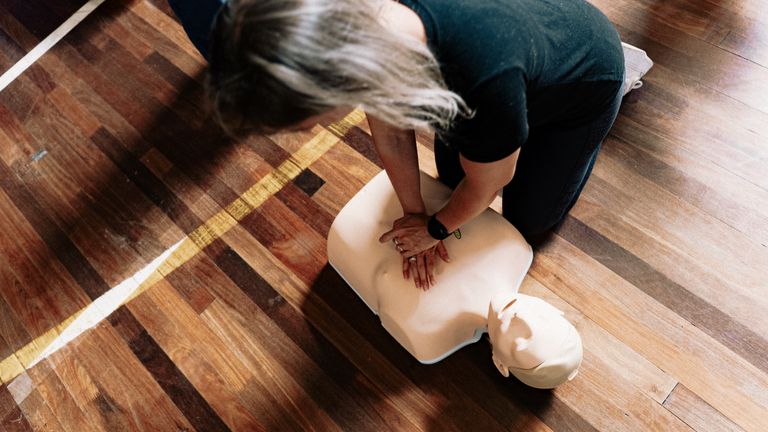
If you are a strong swimmer, lifeguarding is one of the best-paid jobs open to 18-year-olds. Lifeguards watch pools and beaches, enforce safety rules, and respond to emergencies. Pay is usually around $15 to $20 an hour, with beach and waterpark roles sometimes paying more. You need a lifeguard certificate from an organisation such as the American Red Cross, which involves a swimming test, a first aid course, and a CPR course, and takes a few days to a few weekends to complete. Pools, hotels, summer camps, and local councils hire every spring for the summer season, so apply in March or April for the best choice of shifts. The work carries real responsibility, which employers respect, and it teaches first aid, vigilance, and calm under pressure.
How to get hired: get certified first, then apply to pools, hotels, and camps in spring. Mention your certification prominently — it is what separates you from other applicants.
Tutor
Tutoring pays well for an 18-year-old because you are selling knowledge, not just time. If you did well in a school subject — maths, English, science, a language, or music — you can tutor younger students online or in person for roughly $20 to $40 an hour in many areas, which is well above most entry-level jobs. Online tutoring platforms usually require tutors to be 18, so your birthday is what makes this option available to you. Start with subjects you know deeply, prepare a short plan for each session, and ask your first students for reviews you can show to the next ones. Tutoring also strengthens your own understanding of the subject, which helps if you are heading to college, and it looks excellent on any future application.
How to get hired: sign up on an online tutoring platform, or advertise locally through school noticeboards and community groups. Start with a low rate to win your first students, then raise it once you have reviews.
Online Work and the Gig Economy
Some of the best jobs for 18 year olds are not traditional jobs at all. Online and gig work offers flexibility that a fixed shift cannot, but it also has traps that a first-time worker should understand.
Freelance and Online Gigs
At 18 you can sign up for freelance platforms and take on small jobs: writing, graphic design, video editing, social media help, virtual assistance, or data entry for small businesses. Pay varies widely — from a few dollars for a small task to $20 or more an hour for skilled work — and the flexibility is the main attraction. You choose your hours, you work from home, and you build a portfolio of real work. The downside is that income is irregular, especially at first, and you must manage your own taxes, because freelance platforms do not deduct them for you. Treat freelance work as a side income while you hold a steadier job, at least until you have regular clients.
How to start: create a profile on a reputable freelance platform, list one or two skills you can genuinely deliver, and take small jobs to build reviews. Never pay a fee to join a platform that promises work — legitimate platforms are free to join.
Dog Walking and Pet Sitting
If you like animals and being outdoors, dog walking and pet sitting are flexible, enjoyable ways to earn at 18. Dog walkers typically charge roughly $15 to $25 per walk in many areas, and pet sitters earn a daily rate for looking after animals while owners are away, with overnight stays paying more. You can find work through pet care platforms, local vet noticeboards, and word of mouth, and you can build a regular round of clients in a few weeks. The work is physical and weather-dependent, and it requires reliability above all — a dog’s owner needs to know you will turn up in the rain. A basic pet first aid course and good references from your first few clients will help you charge more and win regular work.
Avoiding Scams
The gig economy has a dark side that targets 18-year-olds specifically: fake job adverts that ask you to pay for training, equipment, or a “starter kit” before your first shift. No legitimate employer charges you to be hired. Other warning signs include adverts promising very high pay for no experience and no qualifications, employers who only communicate by messaging apps and refuse a phone call, and roles that ask you to use your own bank account to move money for the company — that last one is money laundering, and it is illegal. If a job feels wrong, walk away and tell your local labour department or a trusted adult. A real employer pays for your training, gives you a written contract, and pays you through payroll with proper pay slips.
How Much Can You Earn at 18?
Your pay at 18 depends on your state, your employer, and the job you choose, and the differences are large. The federal minimum wage is $7.25 an hour, but most states and many cities set a higher minimum, and most employers hiring 18-year-olds pay well above it to attract staff. As a rough guide, retail, food service, and grocery roles typically pay around $13 to $18 an hour, customer service and office roles around $15 to $20, warehouse and delivery roles around $16 to $22, and tutoring $20 to $40. Tips, overtime, and shift differentials can add a meaningful amount on top of the base rate. These ranges are a useful starting point when you compare the best jobs for 18 year olds.
For authoritative pay figures, the U.S. Bureau of Labor Statistics publishes employment and wage data for every occupation, and it is the best source for checking what a job pays in your state before you apply. Use it to compare roles rather than relying on a single number from a job advert. Remember too that hours matter as much as the hourly rate: a job paying $18 an hour for 12 hours a week earns you less than a job paying $15 an hour for 30 hours a week. When you compare offers, multiply the hourly rate by the hours you will actually work, and subtract your travel costs.
Students who need flexible work while they study should also look at our guide to best jobs for students for roles that fit around classes, and the wider list of part-time jobs for more options.
How to Get Hired at 18: Step-by-Step Plan
Getting hired quickly is a process, not a single application. Follow these steps in order.
Step 1: Get Your Documents Ready
Before you apply anywhere, make sure you have a government-issued photo ID, your Social Security number, and a bank account for your pay. Most employers will ask for these on your first day, and having them ready stops delays. Set up a simple, professional email address if you do not already have one, and check that your phone voicemail is set up and polite — employers do call, and a full inbox loses jobs.
Step 2: Write a Short, Honest Resume
A first-job resume is one page. Put your name and contact details at the top, then a short line about what you are looking for, then your education, then any experience — school projects, volunteering, sport, babysitting, helping in a family business — described with concrete details. You do not need to invent experience; employers hiring 18-year-olds expect a short resume and read it for signs of reliability, not for a long work history.
Step 3: Apply to at Least Five Employers in One Week
Apply widely and quickly. Five applications in a week is a sensible minimum, and ten is better if you can manage it. Apply online through employer websites and job boards, and then follow up in person where the business has a public counter — a short visit to a shop or restaurant to ask about your application is normal and welcome. Keep a list of where you applied and when, so you can follow up once and only once.
Step 4: Prepare for the Interview
Most first-job interviews are short and friendly. Expect questions such as: “Why do you want to work here?”, “What hours can you work?”, “Tell me about a time you worked in a team”, and “What would you do if a customer was unhappy?” Prepare a real example for each one from school, sport, volunteering, or family life. Dress neatly, arrive ten minutes early, and bring a copy of your resume. Ask one question of your own at the end, such as what training is provided or what a typical shift looks like — it shows you are serious.
Step 5: Follow Up Once, Then Move On
If you have not heard back in a week, one polite follow-up call or visit is appropriate. After that, move on to the next application. Do not wait for one employer while other jobs fill up. Hiring at this level moves fast, and the people who get hired are usually the people who applied most recently and followed up promptly.
Step 6: Start Well
Once you are hired, your first two weeks matter more than your interview. Turn up on time every shift, ask questions when you are unsure, learn your colleagues’ names, and volunteer for the tasks nobody else wants. Managers notice reliability fast, and reliable new starters are the first to be offered more hours, better shifts, and promotion.
Writing a Resume With No Experience
A resume with no formal work experience can still be strong if you translate your life into evidence. School counts: a project you led, a team you played for, a subject you excelled in. Volunteering counts: helping at a food bank, coaching younger children, or organising a school event all show reliability and teamwork. Family responsibilities count too: regular babysitting for siblings, helping in a family shop, or caring for a relative show responsibility and time management. Describe each one with a concrete detail — “supervised a group of 10 children aged 7 to 9 at a summer club for four weeks” is far more convincing than “good with children”. Keep the resume to one page, use a clean layout, and check it twice for spelling mistakes, because a careful resume tells an employer you will be careful at work.
Common Mistakes to Avoid
Applying to Only One Job
The most common mistake at 18 is applying to one job and waiting. Employers receive many applications and hire quickly, so a single application is a lottery ticket. Apply to several employers in the same week and treat it as a numbers game with follow-up.
Ignoring the Age Rules for a Role
Some jobs look open to 18-year-olds but are not: serving alcohol in some states, driving for certain platforms, and casino or security work may require you to be 21. Read the age requirement in the advert before you apply, and check your state’s rules if you are unsure.
Taking a Job That Charges You to Start
No legitimate employer charges you a fee to be hired, asks you to buy a starter kit before your first shift, or asks you to pay for your own training as a condition of employment. These are signs of a scam or a bad employer. Real employers pay for your training, provide your uniform or charge a reasonable amount that is clearly explained, and pay you from your first hour.
Quitting in the First Two Weeks
The first two weeks of any job are the hardest: everything is new, you are slow, and you make mistakes. Many 18-year-olds quit in this period and conclude the job was wrong, when the job was simply new. Give any job at least a month unless the workplace is unsafe or the employer is breaking the law. The learning curve flattens fast, and the second month is usually far easier than the first.
Saying Yes to Every Shift
At 18, with no federal limit on your hours, it is tempting to accept every shift offered. Do not. Overtired workers make mistakes, get ill, and quit. Decide how many hours you can work each week without damaging your studies, your sleep, or your health, tell your manager clearly, and keep one full day off each week. A sustainable schedule is what lets you keep earning month after month.
Working for Cash With No Records
Cash-in-hand work with no pay slips, no contract, and no record of your hours leaves you with no proof of your earnings and no protection if you are underpaid or injured. Always work for an employer who pays through payroll, gives you pay slips, and records your hours. It also builds your employment history, which future employers will ask about.
Jobs for 18 Year Olds in Europe
The same kinds of jobs exist across Europe, with different rules. In the United Kingdom, 18-year-olds can work unlimited hours, and common first jobs include retail, hospitality, warehouse work, and customer service, with pay set by the National Minimum Wage for your age group. In Ireland, similar roles exist with pay set by the national minimum wage. In Germany, 18-year-olds can take full-time work without the youth protection limits that apply to under-18s, and apprenticeships — the Ausbildung system — are a strong route into skilled trades. In France, 18-year-olds can work full time, and the SMIC minimum wage applies. Wherever you are in Europe, check your country’s labour rules and minimum wage before you apply, because the age thresholds, the minimum rates, and the rules on night work differ from the United States — but the core advice is the same: pick a job that fits your schedule, apply widely, and start building your employment history now.
Best Jobs for 18 Year Olds Checklist
- Check your state’s rules for the roles you want, especially alcohol service and driving jobs
- Get your ID, Social Security number, and bank account ready before you apply
- Write a one-page resume with concrete examples from school, volunteering, and family life
- Choose two or three jobs from this list that fit your schedule and your strengths
- Apply to at least five employers in the same week and keep a list of where you applied
- Follow up once in person or by phone if you have not heard back in a week
- Prepare real examples for common interview questions and arrive ten minutes early
- Ask about training, hours, and pay in the interview, and get the offer in writing
- Keep copies of your pay slips and your schedule from your first day
- Give any new job at least a month before deciding it is not for you
- Keep one full day off each week and protect your sleep and your studies
- Ask for a reference before you leave any job, and keep it for the next one
Conclusion
The best jobs for 18 year olds are not hard to find — they are the jobs that hire every week, train you on the job, and pay you fairly for reliable work. Retail, food service, warehouse, delivery, customer service, tutoring, lifeguarding, and childcare all offer a real start, and each one teaches you something you will use in your next job. Turning 18 removes the legal limits that held you back as a minor, so this is the moment to use that freedom well: pick a role that fits your schedule, apply to several employers at once, prepare properly for the interview, and give the job a fair month once you start. Your first job will not be your last job, but the habits you build in it — turning up on time, working hard, asking questions, and treating people well — will shape every job that follows. Start this week, and your future self will thank you for it.
FAQ
What is the best first job for an 18-year-old with no experience?
Retail sales associate, fast food team member, and cashier are the strongest first jobs for an 18-year-old with no experience, because they hire in large numbers, train you on the job, and expect no prior work history. Warehouse associate roles are also excellent if you want higher pay and do not mind physical work. Apply to several employers in the same week and say yes to weekend and evening shifts to get hired fastest.
How much can an 18-year-old earn per hour?
Most entry-level jobs for 18-year-olds in the United States pay roughly $13 to $20 an hour, depending on the state, the employer, and the role. Warehouse and delivery roles often pay $16 to $22, and tutoring can pay $20 to $40 an hour. Tips, overtime, and night shift differentials can add more. Check the U.S. Bureau of Labor Statistics for authoritative pay figures in your state, and remember that the number of hours you work matters as much as the hourly rate.
Can an 18-year-old work full time?
Yes. Once you reach 18, the federal child labour rules no longer limit your hours, so you can work full time, overnight, and at weekends under federal law. Some states still have their own rules for specific roles, such as alcohol service, and some employers set their own limits, so check your state’s rules and the job advert. If you are studying, it is still wise to cap your hours so your studies and your health do not suffer.
Do I need a work permit at 18?
In most US states you no longer need a work permit or employment certificate once you turn 18, because those requirements apply to minors. A few states have their own paperwork rules, so confirm with your employer or your state department of labour if you are unsure. You will still need a government-issued photo ID and your Social Security number when you start work, and most employers will ask for them on your first day.
What jobs can an 18-year-old not do?
Very few jobs are closed to 18-year-olds under federal law, because the federal child labour restrictions end at 18. Some roles still have higher minimums set by state law or by the employer: serving alcohol often requires you to be 21 depending on the state, rideshare driving usually requires 21, and some delivery apps require 19 or 21. Security, casino, and some healthcare roles may require a background check and a minimum age above 18. Always read the age requirement in the job advert and check your state’s rules before applying.