Best Construction Jobs: Pay, Training and Roles That Build a Real Career
Quick Answer
The best construction jobs are roles where pay is clear, training is real, safety is taken seriously, and there is a path beyond the first week. They are not always the highest rate in the advert. A steady trade role with proper tools, protective equipment, and a good crew is often worth far more than a short burst of higher pay on a chaotic site.
For most beginners, labouring and apprenticeships are the easiest places to start. You need no degree for many roles. You do need reliability, stamina, and respect for safety rules. Skilled trades, plant operation, and supervision take longer to reach, but they offer stronger pay and a career you can build on for decades.
Use this guide to compare roles, judge employers, and apply step by step.
Table of Contents
What “Best” Means in Construction Work
Best means different things to different people. For a school leaver, best may mean a paid apprenticeship and a recognised qualification. For someone changing careers, best may mean steady hours and local work. For an experienced tradesperson, best may mean autonomy, good rates, and sites run properly.
Write down four priorities before you search. The trade you want for years, not weeks. The travel and start times you can sustain. The training you need to progress. And the minimum pay you need after travel, tools, and tax. That list becomes your filter for every advert.
Construction is skilled work at every level, even when a role is called unskilled. A job is only one of the best construction jobs for you if it fits your body, your life, and your long-term plan, as well as your budget.
What Makes the Best Construction Jobs Worth Taking
Good employers share clear habits. Look for them in every advert and interview.
Pay and hours are stated in writing. You know the rate, pay date, and overtime rules. Training is real. Someone explains the task and safety rules before you are left alone, and a competent person checks your early work.
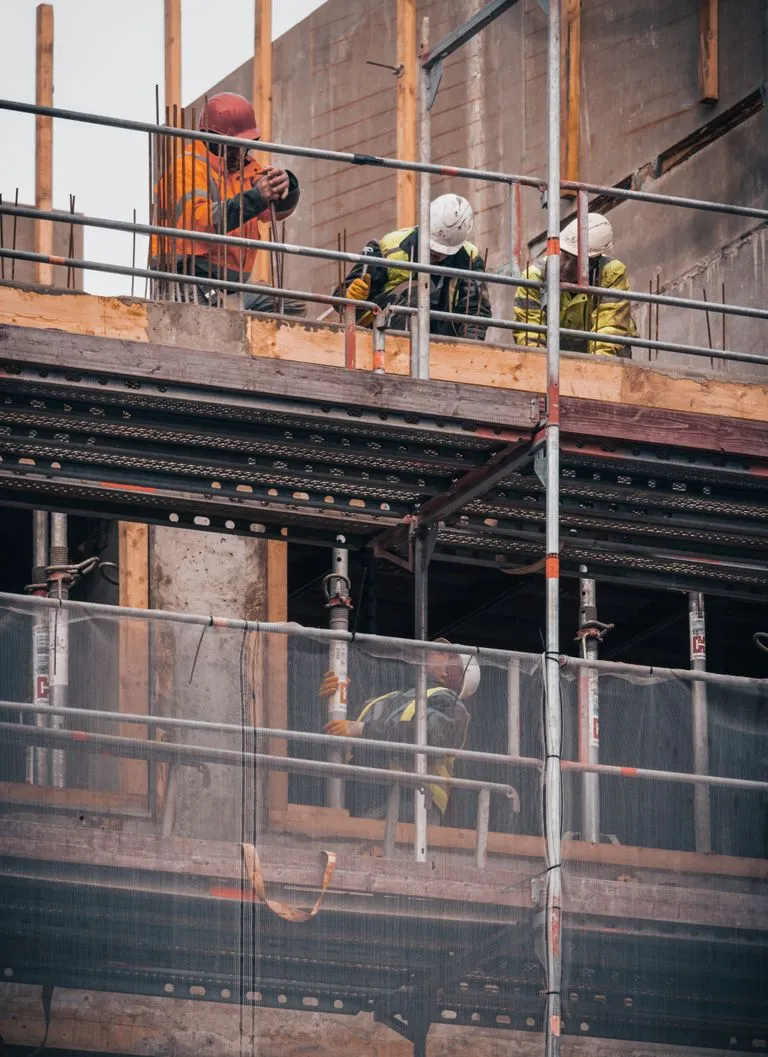
Safety is visible, not just promised. You see guardrails, tidy access routes, proper lifting equipment, and workers wearing protective equipment without being chased.
Respect and progression matter too. Breaks happen, instructions are clear, and bullying is not treated as normal. Good firms talk early about the next step: a ticket, a qualification, or a permanent contract. If none of that is mentioned, the job may be a dead end.
Labouring and General Operative Roles
Labouring, often called general operative work in the UK and Ireland, is the most common entry point. Labourers and helpers move materials, prepare and clean work areas, load deliveries, and support skilled tradespeople so their work keeps moving.
Strengths are clear. Entry is fast, demand is widespread, and you see many trades up close, which helps you choose a direction. A good labourer is noticed, because every trade depends on reliable support.
Challenges are honest too. The work is physically hard, often outdoors. Tasks can feel repetitive, and entry pay is lower than in skilled roles. It suits punctual, energetic people who work safely when tired.
Treat labouring as a starting point, not a trap. Ask about training for telehandler or dumper duties, keep safety certificates current, and talk to tradespeople about apprenticeships. Many openings are genuine entry level jobs where attitude matters more than a long CV, but the best employers help you move up. For many starters, the best construction jobs begin in labouring, where a good reputation opens trade training.
Skilled Trades: Carpentry, Electrical and Plumbing
Skilled trades are the backbone of construction and the clearest route to a lasting career. They take years to learn properly, and that training is why qualified tradespeople stay in demand.
Carpenters and joiners measure, cut, and install timber and other materials, from framing and roofing to doors, kitchens, and finish work. Carpentry suits people who like precision and visible results. You need strong maths and real respect for sharp tools and working at height.
Electricians install, test, and maintain wiring, lighting, power, and controls. The work is technical, regulated, and unforgiving of shortcuts. In the US, licensing is at state or local level. In the UK, recognised qualifications and scheme registration matter. In much of Europe, formal vocational training is the standard. It suits methodical people who understand that mistakes can kill.
Plumbers and heating engineers install and repair water, drainage, and heating systems, from pipework and bathrooms to emergency repairs. Gas work requires separate, specific certification everywhere — never touch work you are not certified for.
Other trades follow the same pattern: bricklaying, plastering, roofing, tiling, and painting. Choose by aptitude, not just by the highest rate online. A trade you enjoy will out-earn a fashionable trade you struggle through, and qualified trades offer a realistic path to self-employment later.

Plant Operation and Machine Roles
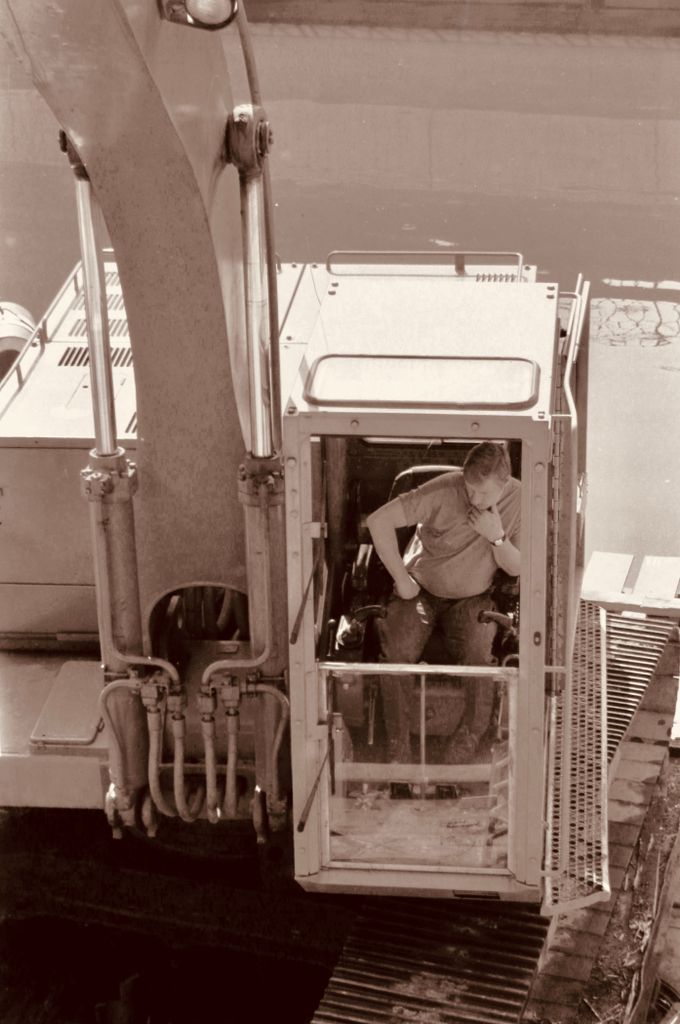
Plant operators run the machines that move construction forward: excavators, dumpers, telehandlers, cranes, dozers, and loaders. In US terms, these are operating engineers. The work looks less physical than labouring, but it demands concentration and calm judgement.
A small error with a large machine can cause catastrophic harm, so certification is central. In the US, employers may require specific licences per machine. In the UK, CPCS or NPORS cards are common proof of competence. Across Europe, national licences apply. Never claim a ticket you do not hold, and never operate a machine you have not been assessed on.
Strengths include strong demand and often better pay than labouring once you are experienced. Operators who read plans, work accurately, and communicate clearly with ground crews are highly valued. Challenges include long hours in the cab, vibration, noise, and the mental load of working around people on foot. Good operators do daily checks, report defects, and stop if conditions become unsafe. Experienced operators often find the best construction jobs through steady work, accurate machine handling and clear communication.
The Site Supervision and Management Path
Not every good career stays on the tools forever. Supervision offers progression for experienced workers who organise well and communicate clearly.
Steps run from leading hand, to foreman or supervisor, to site manager, then to project management. Supervisors allocate work, check quality, run toolbox talks, and make sure safety rules are followed. Site managers coordinate trades, deliveries, inspections, and clients.
Pay and responsibility rise with each step, and these roles often appear among high paying jobs in construction listings, but pressure changes too. You trade physical strain for paperwork, deadlines, and legal responsibility for safety and quality.
Prepare by mastering your trade first, coordinating small tasks, learning to read programmes and drawings, and taking supervisor safety training. In the UK, SSSTS and SMSTS are common steps. In the US, OSHA supervisor training plays a similar role.
Apprenticeships and No-Experience Routes
Apprenticeships are the strongest no-experience route because they combine paid work, structured learning, and a recognised qualification. In the US, registered apprenticeships, often through unions or employers, pay you while you train. In the UK, apprenticeships combine site work with college. In Germany and several other European countries, dual vocational training is the respected standard route.
Competition is real, so apply early and widely, and show readiness: punctuality, maths, a driving licence where possible, and any hands-on experience.
If an apprenticeship does not come first, other routes still work. Labouring with an employer who trains, pre-apprenticeship courses, and short safety tickets can make you employable while you keep applying. Many advertised no experience jobs in construction are genuine, provided the employer trains and supervises you properly.
Be wary of anyone charging large upfront fees for a guaranteed job, or offering a fast certificate with no practical assessment. Legitimate qualifications take time and observed work.
Agency Work vs Direct Employment vs Self-Employment
How you are engaged changes pay, rights, security, and risk. The same hourly figure means very different things under each model.
Agency work means an agency assigns you to sites, often at short notice. It offers fast entry and variety. Trade-offs are gaps between assignments, travel to unfamiliar sites, and sometimes weaker training. Check whether you are employed by the agency, a casual worker, or expected to work through an umbrella or as self-employed, because holiday pay, sick pay, and tax differ. Get the rate and deductions in writing.
Direct employment means a firm hires you as its own staff. You usually gain steadier work, employer-provided tools and protective equipment, paid holiday, and clearer training routes. Rates can look lower than agency rates, but the full package is often better once gaps and benefits are counted.
Self-employment, including subcontracting, means you find work, negotiate rates, and handle your own tax, insurance, tools, transport, and downtime. Experienced tradespeople can do well and gain control. But income stops when work stops, late payment is a real risk, and records must be kept from day one. Never drift into self-employment because an employer wants to avoid its responsibilities.
Many workers use all three across a career: agency to start, direct employment to qualify, self-employment later. That sequence is often safest.
Safety: The Part That Matters Most
Construction remains one of the most dangerous industries in the US, the UK, and Europe. Falls, moving plant, falling materials, electricity, and collapsing excavations cause the most serious injuries and deaths. No rate, deadline, or bonus is worth a life-changing injury.
Wear the protective equipment provided, correctly, every time: helmet, eye and ear protection, gloves, high-visibility clothing, and safety footwear. Use harnesses and guardrails as trained, and never remove safety devices to save minutes. Keep access routes clear.
Follow lifting training. Use mechanical aids and team lifts rather than proving strength. Report damaged tools, unsafe scaffolding, and exposed cables immediately, and do not use equipment you have not been trained on.
Most importantly, you have the right and duty to stop unsafe work. If you are ordered to work on an unguarded edge, in an unsupported trench, or around plant with no safe system, refuse and escalate to a supervisor, safety representative, or regulator. In the US, OSHA rules protect that right. In the UK, the Health and Safety Executive plays that role. Across Europe, national labour inspectorates do the same. Good crews watch out for each other.
Pay: What General Ranges Really Mean
This guide does not invent salaries for named employers. Pay varies too much by trade, city, country, experience, and contract type for one figure to be honest. Use official data as your anchor, then compare live local adverts.
For the US, the U.S. Bureau of Labor Statistics – Construction Laborers and Helpers page publishes national pay and outlook from official survey data. In recent BLS data, the national median for construction labourers and helpers sits in the low-to-mid $40,000s per year, with the lowest-paid 10 percent earning notably less and the highest-paid 10 percent earning notably more. Treat that only as a clearly labelled general range from a citable source, and check the BLS page for current figures.
Skilled trades and operators are covered separately by the BLS, and their medians are generally higher, reflecting training, licensing, and responsibility. Supervisors generally earn more again. Overtime, travel allowances, and union rates can raise total pay, while unpaid gaps between agency assignments can lower real annual income.
In the UK, compare offers against the National Minimum Wage and National Living Wage, and check whether a rate is employed, umbrella, or self-employed before comparing it. In Europe, sector collective agreements set pay in many countries. Always calculate the full picture: rate multiplied by guaranteed hours, minus travel and tools, plus holiday and pension value. That final figure, not the headline rate, tells you which of the best construction jobs actually pays best for you.
How to Judge an Employer Before You Accept
A short check before you accept can prevent months in a bad job and keep you safe.
Safety first. Visit the site if you can. Is it tidy, with clear walkways and welfare facilities such as toilets, drinking water, and a dry rest area? Do workers wear protective equipment as routine? Ask who the safety lead is. Vague answers are a warning.
Pay clarity second. Get the rate, overtime, pay date, and employment status in writing. Ask whether travel, mileage, and accommodation for away work are covered. Unpaid long-distance travel can quietly cut your real rate.
Training and tools third. Ask who provides tools and protective equipment, and what training the firm will fund in your first year. A firm that invests in you plans to keep you. Stability fourth. Ask how long the project runs and what work follows. Finally, look at retention. Crews who stay and apprentices who qualify and remain are strong signs of a good employer.
How to Apply: Step by Step
Step one: choose your direction. Pick one main target, such as labouring while applying for apprenticeships, or one trade if you are retraining. Focus produces better applications than scattering the same CV everywhere.
Step two: get basics in order. You will usually need ID, proof of your right to work, a bank account, and a safety card where required. In the UK that is often a CSCS card. In the US, an OSHA 10 card is a common entry credential.
Step three: prepare a short, honest CV. Lead with reliability, practical experience, machines you are genuinely trained on, safety training, and availability. Keep it to one or two pages and never claim tickets you do not hold. Employers check, and sites are dangerous places to be found out.
Step four: apply through verifiable channels. The employer’s own site, a union or trade body board, a college apprenticeship service, or an established job board is safest. Be cautious with adverts that ask you to pay upfront for a card or kit, or offer a job with no interview.
Step five: prepare for interview and trial. Expect questions about safety, working at height, and what you would do if you saw an unsafe act. Honest, safety-first answers win trust. Arrive early, because on sites, late is remembered.
Step six: check the offer in writing. Confirm rate, hours, start place, pay date, and employment status. Then start well: follow instructions exactly, ask before improvising, and keep your area tidy.
Common Mistakes That Cost People Good Jobs
The first mistake is judging only by the hourly rate. Unpaid travel, cancelled shifts, buying your own tools, and gaps between projects can turn a high rate into low real income. Compare the full package over a typical month.
The second mistake is claiming skills you do not have. Saying you can operate a machine or work on electrics when you cannot is dangerous and usually discovered within hours. Honest beginners get trained. Dishonest claims get removed from site.
The third mistake is skipping safety to save time. Removing a guard, standing in a plant blind spot, or rushing a lift risks injuries that end careers.
The fourth mistake is poor reliability. Repeated lateness or unexplained absence loses agency assignments and permanent offers faster than almost anything else. Communicate early if transport fails or you are ill.
The fifth mistake is staying in general labouring with no plan. Without tickets, a trade, or supervisory skills, pay and choices plateau. Set a training goal in your first months.
Frequently Asked Questions About the Best Construction Jobs
What are the best construction jobs for beginners with no experience?
Labouring and general operative roles are the most accessible, followed by apprenticeships, which are better long-term because they lead to a qualification. Look for employers who train and supervise closely at first. Avoid any beginner role that leaves you working alone at height or around plant without training.
Which construction trade pays best?
It varies by country, city, and demand. Licensed electricians, experienced plant operators, and supervisors often sit toward the higher end, but a skilled carpenter or plumber running good self-employed work can out-earn employed roles in other trades. Compare official data and local rates, and weigh training time, not just the top figure.
How long does it take to qualify in a skilled trade?
Most full trade qualifications take two to four years through an apprenticeship, combining paid work with study and assessment. Short courses can get you onto site in support roles sooner, but they do not make you a qualified tradesperson. Be suspicious of any provider promising full trade status in a few weeks.
Is construction work safe enough to build a career on?
It can be, on well-run sites with trained crews, proper equipment, and a culture where anyone can stop unsafe work. The risks are real and higher than in most industries, which is why employer choice matters so much. Choose firms with visible safety systems, follow every rule even when rushed, and leave employers who treat safety as optional.
Do I need a driving licence for construction work?
Not for every role. City site jobs with good transport often do not require one. It helps a great deal for work across multiple sites, domestic trade work, and self-employment. If you do not drive, target large, long-running local sites and be upfront about how you will arrive for early starts.
Can construction lead to work abroad or a management career?
Yes. Qualified trades and plant skills are recognised widely, though licences may need converting country by country. Many site managers started on the tools, and that practical background is a real advantage.
Conclusion
The best construction jobs respect your safety, train you properly, pay clearly, and lead somewhere. Labouring can be a strong start, skilled trades offer a craft for life, and supervision turns experience into leadership. None requires a degree, but all reward reliability and skill-building.
Start where entry is realistic, choose employers who run safe sites, and set your next qualification goal early. Judge every offer on its full reality, not its headline rate. Do that, and construction can give you a trade, a reputation, and a career you built with your own hands. That steady approach is how the best construction jobs turn into a career you can build on for decades.