
How to Write a Resume Summary for Freshers (17 Examples by Field)
Learning how to write a resume summary for freshers can feel hard when you have little or no paid work experience. You may worry that you have nothing to say, or that employers will skip your resume in a few seconds. The good news is that a strong summary does not require years of jobs. It requires a clear, honest picture of your education, your skills, your projects, and the kind of work you are ready to do. This guide shows you a simple formula, clear steps, and 17 examples by field so you can write a summary that sounds confident without making anything up. This guide explains how to write a resume summary for freshers in plain language, with examples you can adapt to your own background.
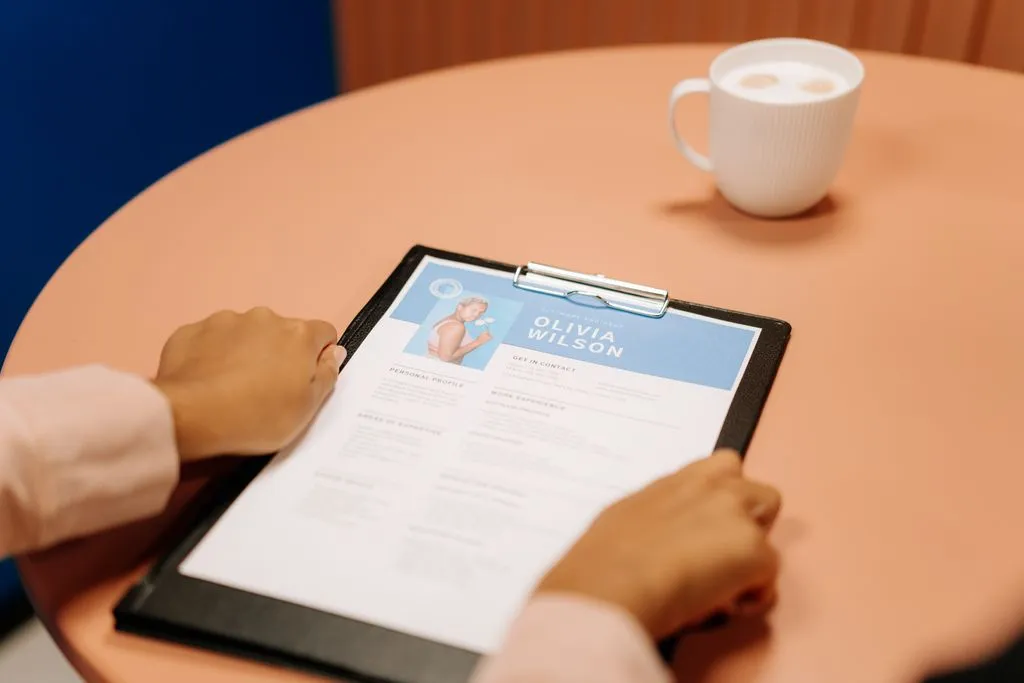
A fresher resume summary sits near the top of your resume, just below your name and contact details. In three to four short lines, it tells the reader who you are, what you can do, and what you bring to the role. Recruiters and hiring managers read many resumes, so they look for a fast reason to keep reading. A good summary gives them that reason. A weak summary, or no summary at all, makes them work harder to understand you — and many will simply move on.
You do not need perfect grades, a famous college, or a long internship list to write a good one. Internships help, but so do class projects, volunteer work, part-time jobs, family business help, freelance tasks, online courses, and personal projects. What matters is choosing the right details for the job you want and writing them in plain, specific language.
Quick Answer
To learn how to write a resume summary for freshers, use this formula: who you are + your strongest skills + proof from education, projects, or experience + the value you want to bring to this role.
For example: “Recent marketing graduate with hands-on experience in social media content and email campaigns from internships and college projects. Skilled in Canva, basic analytics, and writing clear copy. Looking to support a marketing team with content planning, research, and day-to-day campaign work.”
Keep your summary to 3–4 lines, tailor it for each job, use keywords from the job posting, and never copy a generic summary from the internet without rewriting it in your own words and facts.
Table of Contents
What Is a Resume Summary for Freshers?
A resume summary is a short opening paragraph that highlights your most relevant strengths for a specific job. For experienced workers, it usually focuses on years of experience and results. For freshers, it focuses on potential: your field of study, your practical skills, the tools you know, and the real work you have already done in any setting.
It is different from a resume objective. An objective mainly says what you want, such as “Looking for a growth opportunity in a reputed company.” A summary says what you offer, such as your skills, training, and project experience. Modern resumes favour the summary because employers care more about what you can do for them than about what you hope to get.
If you are building your first resume from scratch, it helps to first understand the full structure. Our guide on how to write a resume walks through every section in order, so you can place your summary correctly and keep the rest of your resume consistent with it.
Who Should Use a Resume Summary?
Almost every fresher can benefit from a summary, especially if:
- You are applying for your first full-time job after school or college.
- You are changing fields and need to explain your new direction.
- You have internships, projects, or volunteer work that deserve attention at the top.
- Your education is your strongest asset and you want to highlight it early.
- You are applying online, where a clear opening helps both human readers and applicant tracking systems understand your fit.
The only time you might skip a summary is when a job posting or application form gives you a different format to follow exactly. In that case, follow their instructions first.
The Simple 3-Part Formula That Works
Most strong fresher summaries follow the same pattern, even across very different fields. Once you learn the pattern, you can adapt it to any job.
Part 1: Who You Are
Start with your current identity in one short phrase. Use your degree, your field, or your training — not vague words like “hardworking individual” or “seeking a challenging position.”
Good starters include:
- “Recent computer science graduate…”
- “Business administration graduate with internship experience in…”
- “Certified medical assistant trainee…”
- “Self-taught graphic designer with freelance project experience…”
Avoid starting every sentence with “I am.” Most resume summaries drop the pronoun and start directly, which sounds more professional and saves space.
Part 2: Your Skills and Proof
Next, name two to three skills that match the job posting, and back them up with proof. Proof for a fresher can be a project, an internship task, a course, a certification, volunteer work, or a part-time role.
Weak: “Good communication and computer skills.”
Strong: “Skilled in Microsoft Excel, data entry, and preparing weekly reports, developed through a three-month administrative internship and college project work.”
The strong version is specific. It names tools, names tasks, and says where the skill came from. That is what builds trust.
Part 3: What You Will Bring to This Role
End with the job or team you want to support and the kind of value you are ready to offer. Keep it practical and honest. Do not promise expert-level results you cannot yet deliver. Do promise reliability, relevant skills, and a willingness to learn the employer’s systems.
For example: “…looking to support a customer support team with clear communication, accurate record-keeping, and a calm, helpful approach with customers.”
How to Write a Resume Summary for Freshers: Step by Step
Follow these seven steps each time you apply for a new role. The first time will take longer. After that, tailoring becomes much faster.

Step 1: Read the Job Posting Carefully
Before you write a word, read the job description twice. Highlight the skills, tools, duties, and qualities the employer mentions most often. Note the exact words they use. If they say “customer service,” “data entry,” or “social media scheduling,” use those same phrases in your summary when they honestly describe you.
Also check the required education and any preferred qualifications. If you meet the main requirements, your summary should make that obvious in the first two lines.
If you are unsure what duties are normal in a field you are entering, the US Bureau of Labor Statistics Occupational Outlook Handbook is a useful, trusted place to read about what workers in an occupation actually do, what training they need, and what skills matter. Use it for research — not to copy text into your resume.
Step 2: List Your Strongest Evidence
Make a short master list for yourself, separate from your resume. Include:
- Your degree, diploma, or certification and field of study
- Relevant subjects or areas where you did well
- Internships and what you actually did there
- Class projects, final-year projects, and practical assignments
- Part-time jobs, freelance work, and family business help
- Volunteer roles and student society or club roles
- Tools and software you can use with confidence
- Languages you speak, if relevant to the job
- Online courses or training you completed
Be specific about tasks. “Helped in a shop” is weak. “Handled billing, answered customer questions, and kept daily sales records in Excel” is strong, because an employer can picture you doing similar work for them.
If your list feels very short, do not panic and do not invent experience. Many freshers are in the same position. Our detailed guide to building a resume with no experience shows how to present education, projects, and transferable skills in a way that still looks complete and professional.
Step 3: Pick Only What Matches This Job
This is the step most freshers miss. A summary is not a list of everything you have ever done. It is a selection of the best three or four points for this job. Knowing how to write a resume summary for freshers for one specific job, rather than for every job, makes your application much stronger.
For a sales role, lead with communication, persuasion, and any experience talking to customers. For an IT support role, lead with troubleshooting, operating systems, and patience with users. For an accounting assistant role, lead with accuracy, Excel, and basic bookkeeping training.
If a point does not help you get this job, leave it out of the summary — even if you are proud of it. You can include it later in your resume if there is space and it adds value.
Step 4: Write a First Draft Without Worrying About Perfection
Use the formula and write three to four lines. Do not stop to fix every word. Get your identity, skills, proof, and goal on the page.
A useful drafting method is to write one sentence for each part:
- Sentence one: who you are and your education or training.
- Sentence two: your top skills and where you used them.
- Sentence three: what role you are seeking and what you will bring.
Later, you can combine or split sentences to improve the flow.
Step 5: Add Keywords Naturally
Many employers use software to sort applications. That software often looks for keywords from the job posting. You do not need to stuff keywords in unnaturally. Simply use the employer’s own words for skills and tools when they are true for you.
For example, if the posting says “knowledge of Microsoft Office, email handling, and scheduling,” and you have those skills, write exactly that — “skilled in Microsoft Office, email handling, and scheduling” — rather than a vague phrase like “good with computers.”
Never add a keyword for a tool or skill you cannot discuss in an interview. You may pass the software, but you will lose trust in person.
Step 6: Make Every Word Earn Its Place
Read your draft and cut filler. Remove or replace these common weak phrases:
- “Seeking a challenging position in a reputed organisation” — says nothing specific.
- “Hardworking and sincere” — almost everyone claims this; show it through proof instead.
- “Excellent communication skills” on its own — say how you used communication: presentations, customer help, group projects, or writing.
- “Quick learner” on its own — if you use it, add an example, such as learning a new tool for a project.
Replace general claims with specific facts wherever you can, without inventing numbers or results.
Step 7: Read It Aloud and Check the Length
Read your summary out loud. If you run out of breath, stumble, or hear the same word repeated, rewrite that part. Check that the whole summary is three to four lines on your actual resume page — not a long paragraph that pushes everything else down.
Finally, check spelling, grammar, and consistency. Your summary makes the first impression, so a spelling mistake here is especially damaging.
What to Include — and What to Leave Out
Include
- Your degree, field, or relevant training
- Two to three job-specific skills and tools
- Internships, projects, volunteer work, or part-time experience as proof
- A clear link to the role or team you are applying to
- Keywords from the job posting, used honestly
Leave Out
- Your full address, age, marital status, or a photo, unless local practice for that specific employer clearly requires it
- Personal hobbies that have no link to the job
- Every subject you ever studied
- Lies or exaggerated titles — never call yourself an “expert” or “specialist” as a fresher unless you truly have the evidence
- Salary expectations or notice period details — those belong in a cover letter or later discussion, not in a summary
- Negative language, such as “no experience but willing to try”
17 Resume Summary Examples for Freshers by Field
Use these examples as models, not as copy-paste text. Change every detail to match your own education, skills, and experience. The best summary is always the one that sounds like you and fits the job in front of you.
1. Information Technology — Software Development
“Recent computer science graduate with strong foundations in Python, Java, and SQL. Built academic and personal projects including a library management system and a task-tracking web app. Comfortable with Git, basic debugging, and writing clean, documented code. Looking to join a development team as a junior software developer and grow through code reviews and real project work.”
Why it works: It names languages, gives project proof, and shows the candidate understands how junior developers learn on the job.
2. IT Support and Help Desk
“IT diploma graduate with practical training in Windows installation, hardware troubleshooting, and basic networking. Provided informal tech support for students and staff during college lab sessions. Patient, clear communicator who explains technical steps in simple language. Seeking a help desk role where I can resolve user issues quickly and keep accurate support records.”
Why it works: It focuses on user support and communication, not only on technical knowledge — which is exactly what help desk work needs.
3. Data Entry and Junior Data Analysis
“Commerce graduate with strong skills in Microsoft Excel, Google Sheets, and accurate data entry. Completed coursework in statistics and a project analysing survey data with pivot tables and basic charts. Detail-focused with a habit of double-checking work before submission. Looking to support a data or operations team with clean records, timely reports, and reliable analysis support.”
Why it works: Accuracy and checking habits are the core of data work, and the project gives real proof of spreadsheet skills.
4. Digital Marketing
“Marketing graduate with internship experience in social media content, email campaigns, and basic website updates. Skilled in Canva, Meta Business Suite, and introductory Google Analytics. Created content calendars and tracked campaign results during a local business internship. Eager to support a marketing team with research, content, and day-to-day campaign coordination.”
Why it works: It lists current tools, names real marketing tasks, and connects internship work to the target role.
5. Social Media Marketing
“Mass communication graduate and active content creator with experience planning posts, writing captions, and editing short videos for college and freelance accounts. Skilled in Instagram, TikTok, YouTube Shorts, and basic video editing tools. Understands trends, audience comments, and consistent posting schedules. Seeking a social media assistant role to help a brand grow through regular, engaging content.”
Why it works: It treats personal and college content work as relevant proof, which is fair for social media roles when it is described honestly.
6. Content Writing
“English graduate with strong writing, editing, and research skills developed through college publications and freelance blog assignments. Able to write clear articles, product descriptions, and social media copy to a brief and deadline. Familiar with basic SEO practices, keyword use, and WordPress. Looking for a junior content writer role where I can produce accurate, reader-friendly content.”
Why it works: It shows range, names a publishing tool, and mentions deadlines — a key concern for employers hiring writers.
7. Graphic Design
“Graphic design graduate with a portfolio of branding, social media, and layout projects created in Adobe Illustrator, Photoshop, and Canva. Completed freelance logo and poster work for small local businesses. Strong eye for colour, spacing, and clean typography, with careful attention to client briefs. Seeking a junior designer role to support a creative team with practical, on-brand design work.”
Why it works: It names tools, points to a portfolio and real clients, and describes design judgement in simple terms.
8. Sales
“Business graduate with part-time retail and promotion experience involving direct customer interaction and product explanation. Confident communicator who enjoys understanding customer needs and presenting clear options. Comfortable working to targets, following up with leads, and keeping simple sales records. Looking to start a career in sales with a team that values honest advice and long-term customer relationships.”
Why it works: It avoids pushy language and frames sales as helping customers — an approach most good employers want.
9. Customer Service
“Recent graduate with customer-facing experience from part-time service roles, handling questions, complaints, and billing queries in person and by phone. Calm under pressure, a careful listener, and clear in both spoken and written communication. Familiar with basic CRM data entry and keeping customer records updated. Seeking a customer service role where I can help customers quickly and professionally.”
Why it works: It highlights temperament and listening, which matter as much as systems knowledge in service work.
10. Retail Sales Associate
“High school graduate with experience in a clothing store assisting customers with sizes, styles, billing, and returns. Reliable team member comfortable with stock arrangement, display upkeep, and busy weekend shifts. Friendly, well-presented, and quick to learn new product ranges. Looking for a retail associate role with a store that values good service and teamwork.”
Why it works: It covers the real daily tasks of retail and signals reliability for shifts — a top hiring concern in this field.
11. Healthcare Support
“Healthcare assistant trainee with certification in basic patient care, first aid, and infection control practices. Completed practical placement supporting nurses with patient mobility, vital signs recording, and maintaining clean, safe care areas. Compassionate, observant, and careful about following procedures exactly. Seeking a healthcare support role where patient comfort and safety come first.”
Why it works: It is specific about training and placement tasks, and it puts safety and following procedures at the centre.
12. Administrative Assistant and Office Support
“Business administration graduate with internship experience in filing, scheduling, email handling, and preparing meeting documents. Proficient in Microsoft Word, Excel, and Outlook, with fast and accurate typing. Organised, discreet with confidential papers, and comfortable handling front-desk queries. Looking to support an office team with dependable day-to-day administration.”
Why it works: Organisation, discretion, and named office tools are exactly what employers screen for in admin roles.
13. Accounting and Finance Assistant
“Accounting graduate with solid training in double-entry bookkeeping, invoicing, and bank reconciliation exercises. Skilled in Microsoft Excel and introductory accounting software, with strong attention to detail and numbers. Completed a final-year project preparing full financial statements for a small business case. Seeking a junior accounting role to support accurate records and timely reporting.”
Why it works: It names core accounting tasks, shows software readiness, and uses a project as proof instead of claiming job experience.
14. Human Resources Assistant
“Psychology and human resources graduate with internship experience supporting recruitment scheduling, candidate communication, and employee record filing. Professional and discreet communicator with good skills in Microsoft Office and online meeting tools. Interested in onboarding, training coordination, and fair workplace practices. Looking for an HR assistant role where I can support a people-focused team.”
Why it works: It shows understanding that HR work requires discretion and careful communication, not only paperwork.
15. Teaching and Tutoring
“Education graduate with classroom placement experience and private tutoring experience for school students in mathematics and English. Skilled at explaining concepts in simple steps, preparing practice exercises, and giving encouraging, clear feedback. Patient, punctual, and well-prepared for every session. Seeking a teaching or tutoring role where I can help students build confidence as well as knowledge.”
Why it works: It combines formal placement with tutoring and focuses on how the teacher helps students learn.
16. Hospitality and Hotel Front Desk
“Hospitality management graduate with internship experience at a hotel front desk, handling check-ins, guest requests, and billing queries. Well-presented, polite under pressure, and comfortable working in shifts including weekends. Skilled in basic reservation systems and clear guest communication in more than one language. Looking to join a front office team known for warm, efficient guest service.”
Why it works: Shift readiness, presentation, and guest handling are the deciding factors for front desk hiring, and all three appear here.
17. Engineering Graduate
“Recent mechanical engineering graduate with strong training in CAD design, thermodynamics, and manufacturing processes. Completed a final-year project designing and testing a small mechanical assembly, including technical drawings and a written report. Comfortable with AutoCAD, SolidWorks basics, and reading engineering drawings. Seeking a graduate engineer role where I can apply design knowledge and learn production standards on site.”
Why it works: It links subjects to a real project, names design tools, and shows readiness to learn industry standards — the right tone for a graduate engineer.
How to Tailor Your Summary for Each Application
Sending the same summary to every employer is the most common fresher mistake. Tailoring does not mean rewriting your whole resume each time. It means making small, smart changes.
First, change the opening phrase if needed so it matches the job title or field in the posting. Second, swap in the two or three skills that posting emphasises most. Third, choose the project or experience example that is closest to that job’s daily work. Fourth, adjust your closing line so it names the right team or role.
A good test: cover the company name and read your summary. If it could describe any fresher applying for any job, it is too general. Add specifics until it clearly fits only someone with your background applying for this kind of role.
Also keep your summary consistent with the rest of your resume. If your summary claims Excel skills, your skills section and project descriptions should support that claim. Employers notice contradictions, and contradictions damage trust.
Common Mistakes Freshers Make in Resume Summaries
Mistake 1: Writing a Generic Objective Instead of a Summary
“I want a challenging job in a reputed company where I can grow.” This tells the employer nothing about you. Replace it with skills, proof, and a role-specific closing line.
Mistake 2: Making It Too Long
A summary is not your life story. If it grows beyond four or five lines, cut it. Move extra detail into your experience, projects, or skills sections where it belongs.
Mistake 3: Listing Soft Skills With No Proof
Words like “team player,” “leader,” and “perfectionist” mean little on their own. Either add proof — a group project, a sports team role, organising an event — or leave the claim out.
Mistake 4: Copying an Example Word for Word
Recruiters read the same popular templates again and again. A copied summary also risks describing skills or experience you do not have. Use examples for structure and ideas, then write your own version with your own facts.
Mistake 5: Exaggerating or Lying
Never invent an internship, a certification, a tool, or a result. Background checks, skill tests, and interview questions expose exaggeration quickly. Honest, specific writing about small real experience beats impressive-sounding fiction every time.
Mistake 6: Using One Summary for Every Job
An operations employer and a design studio want different things from you. A summary that ignores the posting looks lazy, even if it is well written. Tailor it — every time.
Mistake 7: Forgetting Keywords and the Job Title Link
If the posting repeats a tool or skill, and you have it, include it in their words. Also make sure your closing line connects to the actual role. A mismatch here can make even a qualified fresher look like a poor fit.
Mistake 8: Starting With Weak, Empty Phrases
Avoid openings like “My name is…” or “I am a fresher seeking…” Your name is already at the top of the resume, and “fresher” alone says nothing about your value. Start with your field, degree, or training instead.
Resume Summary Checklist for Freshers
Before you send any application, go through this checklist:
- My summary is 3–4 lines long on the actual resume page.
- It starts with my degree, field, or training — not with “I am seeking.”
- It names 2–3 skills that appear in the job posting.
- It includes proof: a project, internship, course, volunteer role, or part-time job.
- It ends with the specific role or team I want to support.
- Every claim in it is true and I can discuss it in an interview.
- It uses keywords from the posting naturally, without stuffing.
- It contains no spelling or grammar mistakes.
- It matches the skills and experience sections of my resume.
- I tailored this version for this employer, not for a generic job.
If you can tick every box, your summary is ready. If two or more boxes are empty, revise before you apply — those few minutes often decide whether the rest of your resume gets read at all.
Conclusion
A fresher resume summary is not about pretending to have years of experience. It is about presenting the experience and training you do have in a clear, focused, and honest way. Use the formula — who you are, your skills with proof, and the value you will bring — tailor it to every job posting, and support every claim with something real from your education, projects, internships, or part-time work.
Once you understand how to write a resume summary for freshers, you can reuse the same formula for every new application.
Start with one strong general version based on your field, then adjust it for each application. With practice, writing a summary will take you only a few minutes, and those few lines at the top of your resume will work hard for you — giving every employer a clear reason to keep reading.
Frequently Asked Questions
How long should a fresher resume summary be?
Three to four lines, or roughly 50 to 80 words, is ideal for most freshers. That is long enough to include your field, top skills, and proof, but short enough that a busy recruiter will read all of it. If you have very little to include, three focused lines are better than five vague ones.
Should freshers use a resume summary or an objective?
Use a summary in most cases. An objective talks about what you want, while a summary talks about what you offer an employer — your skills, training, and project experience. Employers respond better to a summary because it helps them judge your fit quickly. An objective can still work if you are making a clear career change and need one line to explain the switch.
What if I have no experience at all to put in my summary?
Focus on education, relevant coursework, class projects, volunteer work, student activities, and personal projects. Almost everyone has some proof of skills — a group project shows teamwork and presentation, volunteer work shows reliability, and a personal project shows initiative. Be specific about what you did and what tools you used, and keep every claim honest.
Can I use the same summary for every job application?
No. You can keep the same basic structure and opening identity, but you should always adjust the skills, the proof you highlight, and the closing line to match each job posting. Employers can tell when a summary is generic, and applicant tracking systems look for posting-specific keywords. Tailoring takes only a few minutes and greatly improves your chances.
Where does the summary go on a fresher resume?
Place it at the top, directly below your name, phone number, professional email address, and location (city and country are enough). It should be the first substantial text a reader sees, before your education and experience sections. Give it a simple heading such as “Professional Summary” or “Profile” so it is easy to find.