A job interview can feel like the hardest part of getting hired. You have already written your CV and sent your application, and now a stranger will judge whether you are right for the role. The best way to calm those nerves is preparation, and that starts with studying common interview questions and answers before the day arrives.
In this guide, you will find the common interview questions and answers that come up again and again, with honest example answers you can adapt to your own experience. You will also learn a simple method for building your own answers, a 7-day preparation plan, and the mistakes that cost good candidates the job.
You do not need perfect answers or years of experience. Interviewers want to see that you understand the role, that you can explain your strengths with examples, and that you are genuinely interested. With a little practice, you can walk in calm, clear and ready.
In This Guide
Why Interviewers Ask These Questions
The common interview questions and answers in this guide are rarely asked at random. Each question is designed to check something specific: can you do the job, will you fit the team, and will you stay and grow? When you know what sits behind a question, your answer becomes much easier to shape.
For example, “Tell me about yourself” is not an invitation to recite your life story. It is a check on whether you can summarise your background in a way that fits the role. “What is your greatest weakness?” tests honesty and self-awareness, not perfection. Keep this in mind as you read the common interview questions and answers below, and shape every answer around what the employer actually needs to hear.
Common Interview Questions and Answers: The Core Set
The eight questions below appear in interviews across industries and countries. Read each one, note what the interviewer is really asking, and then adapt the example answer to your own experience. Short, specific answers always beat long, general ones.
1. Tell me about yourself
What they really ask: can you summarise your background in a way that fits this role? Keep your answer to about one minute: your present role or study, one or two relevant strengths, and why this job is the next step.
Example answer: “I recently finished a business degree, where I led a team project for a local charity and learned how to plan work to a deadline. I am now looking for a first full-time role where I can use those planning and teamwork skills, which is why this position stood out to me.”
2. Why do you want this job?
What they really ask: have you researched us, and do you actually want this role or just any job? Mention something specific about the company or the work itself, then connect it to your skills.
Example answer: “I want this job because your team works directly with customers, and that is where I do my best work. In my part-time retail role I learned to stay calm under pressure and solve problems quickly, and I would like to build on that here.”
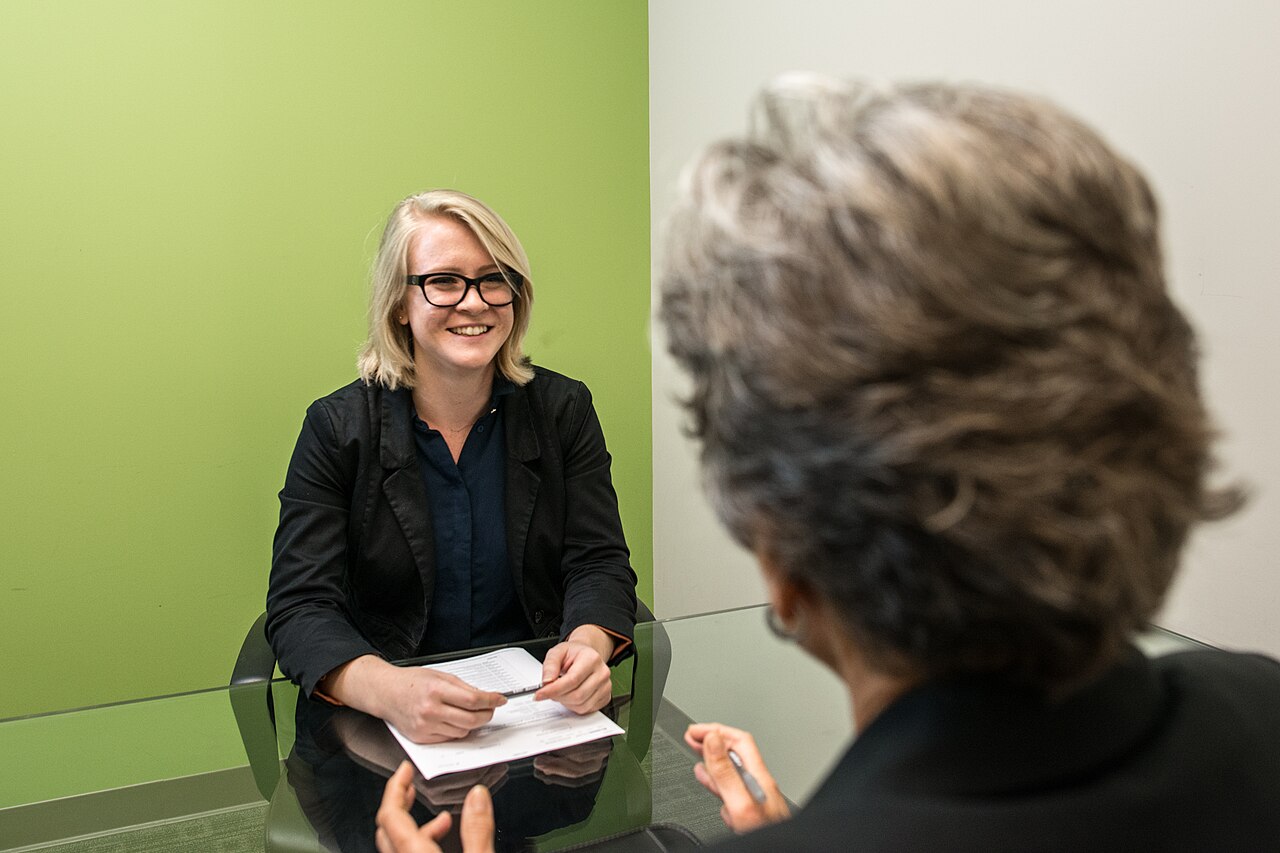
3. What are your strengths and weaknesses?
What they really ask: do you know yourself, and are you honest about areas you are improving? Name two strengths with a short example each. For a weakness, choose something real but not central to the role, and explain what you are doing about it.
Example answer: “One strength is organisation — I planned my study schedule around a part-time job and still met every deadline. A weakness is that I used to avoid speaking up in groups, so I joined a presentation club and now volunteer to present first.”
4. Where do you see yourself in five years?
What they really ask: are you likely to stay, and do you have realistic ambitions? Show that you want to grow with the company rather than naming a completely different career.
Example answer: “In five years I hope to be a trusted member of this team, handling bigger projects and helping new starters. I am looking for a place where I can grow steadily rather than move on quickly.”
5. Why should we hire you?
What they really ask: can you connect your skills to our problems? Pick three strengths that match the job description and back each one with a brief example.
Example answer: “You need someone organised, good with people and quick to learn. I organised a charity event for 200 people, worked in a busy customer-facing job, and learned a new booking system in my first week. I can bring all three to this role.”
6. Tell me about a challenge you overcame
What they really ask: how do you handle difficulty? Use the STAR method: Situation, Task, Action, Result. Describe the situation briefly, explain what you had to do, what you did, and what happened as a result.
Example answer: “During a group project, two members stopped replying a week before the deadline. I reorganised the remaining work, took on the missing sections, and we still submitted on time. Our tutor praised the final report, and I learned to check progress early rather than assume it.”
7. What is your greatest achievement?
What they really ask: what do you value, and can you show results? Choose an achievement that shows a skill the employer wants, even if it comes from study, volunteering or sport rather than a job.
Example answer: “My greatest achievement is raising funds for a school project by organising a sponsored walk. We beat our target, and I learned how to persuade people, handle money carefully and keep a team motivated.”
8. Do you have any questions for us?
What they really ask: are you genuinely interested, and did you think about the role? Always ask at least two questions. Good options include asking what a typical day looks like, how success is measured, or what training is offered.
Example answer: “Yes — what does a typical first month look like in this role, and what kind of training and support do new starters receive?” Asking nothing suggests you are not interested, so prepare your questions in advance.
How to Build Your Own Answers With the STAR Method
The STAR method turns vague memories into strong answers. For any question about your experience, think of a Situation you faced, the Task you had to complete, the Action you took, and the Result that followed. Keep each part to one or two sentences.
When you practise common interview questions and answers, practise out loud, not just in your head. Answers that sound good silently often fall apart when spoken. Record yourself on your phone, or practise with a friend who can ask follow-up questions. The National Careers Service interview tips also recommend researching the company and preparing examples before the day.
How to Prepare in 7 Days
Use this simple plan to prepare for common interview questions and answers without cramming everything into one night:
- Day 1: Read the job description and list the skills it asks for.
- Day 2: Write short STAR examples for your top five experiences.
- Day 3: Draft answers to the eight questions in this guide.
- Day 4: Practise your answers out loud and time them.
- Day 5: Research the company and prepare two questions to ask.
- Day 6: Do a mock interview with a friend or record yourself.
- Day 7: Rest, lay out your clothes, and check your travel or video link.
Phone and Video Interviews
Many first interviews now happen by phone or video. The common interview questions and answers are the same, but the setting needs extra care. Find a quiet room, test your camera and microphone the day before, and keep your CV and notes nearby — but do not read answers word for word.
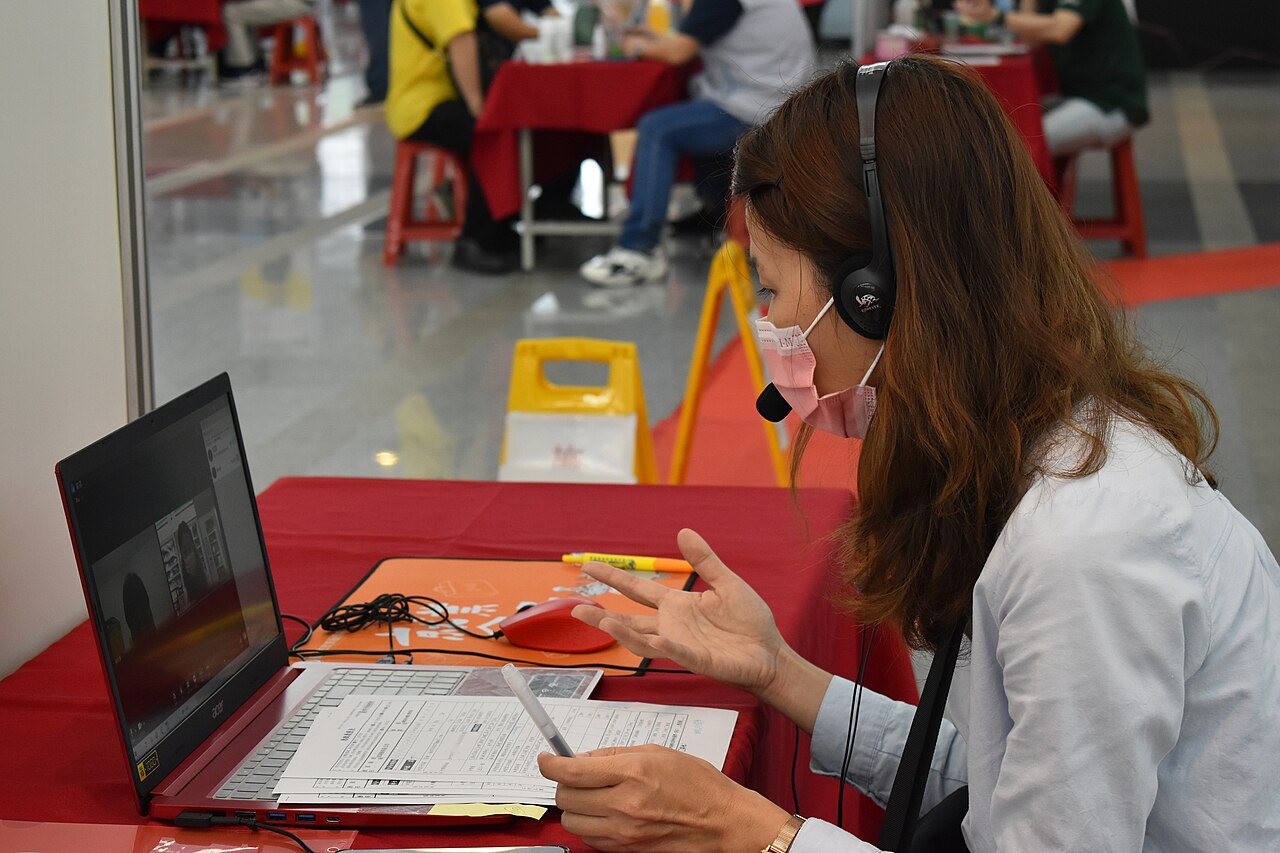
Look at the camera rather than at your own picture, speak a little more slowly than usual, and dress as you would for an in-person interview. If the connection drops, stay calm, reconnect, and apologise briefly before continuing.
Common Mistakes to Avoid
Even strong candidates lose marks on avoidable errors. Watch out for these when you practise common interview questions and answers:
- Memorising answers word for word and sounding robotic.
- Talking badly about a previous employer or teacher.
- Giving one-word answers with no examples.
- Arriving late or joining a video call unprepared.
- Saying you have no questions at the end.
- Exaggerating skills you cannot back up with examples.
Quick Checklist
Run through this list the night before your interview:
- Have I practised the eight questions in this guide out loud?
- Do I have two STAR examples ready for each key skill?
- Have I researched the company and prepared two questions?
- Is my outfit ready and my route or video link checked?
- Do I have copies of my CV and the job description?
- Have I planned what to say if I do not know an answer?
Conclusion
Preparing common interview questions and answers is not about memorising scripts. It is about knowing your own examples, understanding what each question is really checking, and practising until your answers sound natural. Start with the eight questions above, build your STAR examples, and follow the 7-day plan.
If you are still building your application, our guide to resume with no experience shows how to present study and volunteer work convincingly, and our guide on how to get a job with no experience explains each step of the search. If you are still deciding which roles to target, our guide to choose a career path can help. Good luck — preparation is the closest thing to confidence you can buy, and it costs nothing but time.
Frequently Asked Questions
How long should my interview answers be?
Aim for one to two minutes per answer. That is long enough to give an example and a result, but short enough to hold attention. If an answer runs past two minutes, you are probably adding detail the interviewer does not need.
What if I do not know the answer to a question?
Say so honestly, then think aloud. For example: “I have not faced that exact situation, but here is how I would approach it.” Interviewers respect honesty far more than a made-up answer, and a calm, logical response still shows good thinking.
Should I mention that I have no experience?
Do not apologise for it. Instead, talk about what you have done: study projects, volunteering, part-time work and personal projects all count. Our guide on how to get a job with no experience shows how to frame these convincingly.
Is it okay to take notes into an interview?
Yes, in most cases. Bringing a short list of questions to ask and key points about the role shows preparation. Just avoid reading full answers from a script, which sounds unnatural and stops real conversation.
How soon should I follow up after an interview?
Send a short thank-you message within a day, restating your interest in the role. If the interviewer gave a decision date, wait until after it before asking for news. If they gave no date, one polite follow-up after a week is reasonable.
What should I wear to an interview?
Dress one step smarter than the everyday dress code of the workplace. For most office roles, smart trousers or a skirt with a neat shirt or blouse works well. For manual or creative roles, clean, tidy clothes without large logos are usually enough. When in doubt, ask the recruiter — they would rather you ask than guess. Clean shoes, minimal perfume or aftershave, and a tidy appearance matter more than expensive clothes.